

Syria’s ‘destroyed’ ancient synagogue is still intact
New photograph provided to Times of Israel appears to show interior of 2,000-year-old Jobar shul largely undamaged; Torah scrolls said to be safe

 Add ToI as a Preferred Source on Google
Avi Issacharoff, The Times of Israel's Middle East analyst, fills the same role for Walla, the leading portal in Israel. He is also a guest commentator on many different radio shows and current affairs programs on television. Until 2012, he was a reporter and commentator on Arab affairs for the Haaretz newspaper. He also lectures on modern Palestinian history at Tel Aviv University, and is currently writing a script for an action-drama series for the Israeli satellite Television "YES." Born in Jerusalem, he graduated cum laude from Ben Gurion University with a B.A. in Middle Eastern studies and then earned his M.A. from Tel Aviv University on the same subject, also cum laude. A fluent Arabic speaker, Avi was the Middle East Affairs correspondent for Israeli Public Radio covering the Israeli-Palestinian conflict, the war in Iraq and the Arab countries between the years 2003-2006. Avi directed and edited short documentary films on Israeli television programs dealing with the Middle East. In 2002 he won the "best reporter" award for the "Israel Radio” for his coverage of the second intifada. In 2004, together with Amos Harel, he wrote "The Seventh War - How we won and why we lost the war with the Palestinians." A year later the book won an award from the Institute for Strategic Studies for containing the best research on security affairs in Israel. In 2008, Issacharoff and Harel published their second book, entitled "34 Days - The Story of the Second Lebanon War," which won the same prize.
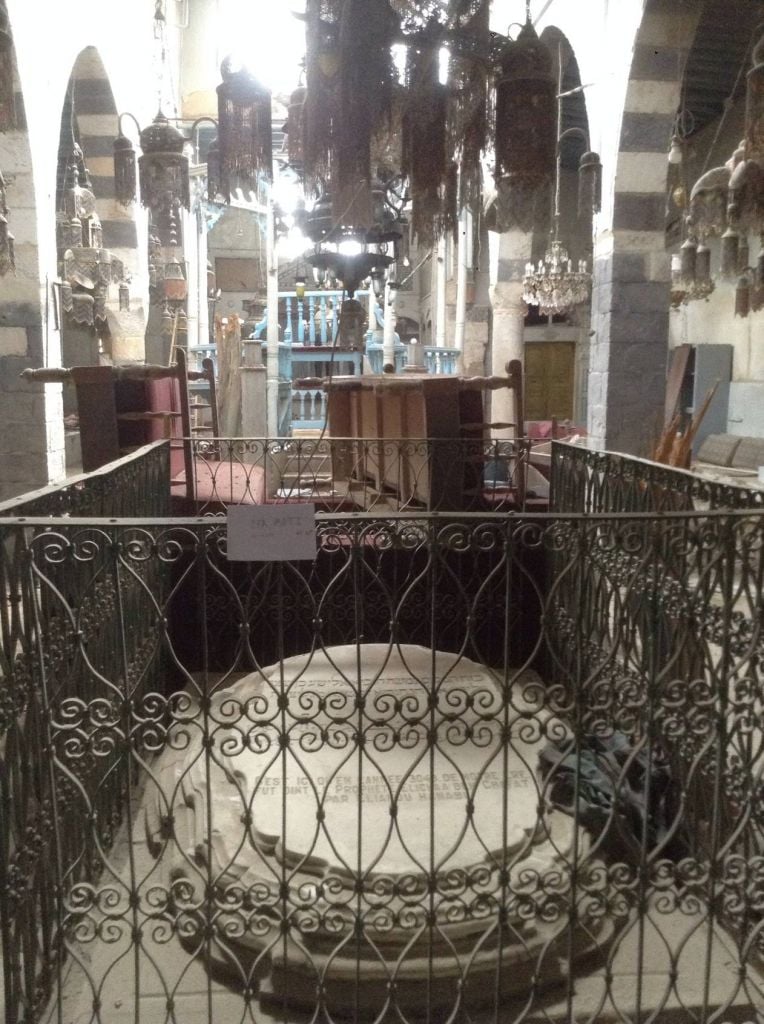
Contrary to a flurry of reports, the 2,000-year-old Jobar Synagogue in Damascus has not been destroyed during the Syrian civil war, and is now being guarded by locals, The Times of Israel was told on Sunday. A photograph was provided that appeared to confirm that the synagogue interior is largely intact.
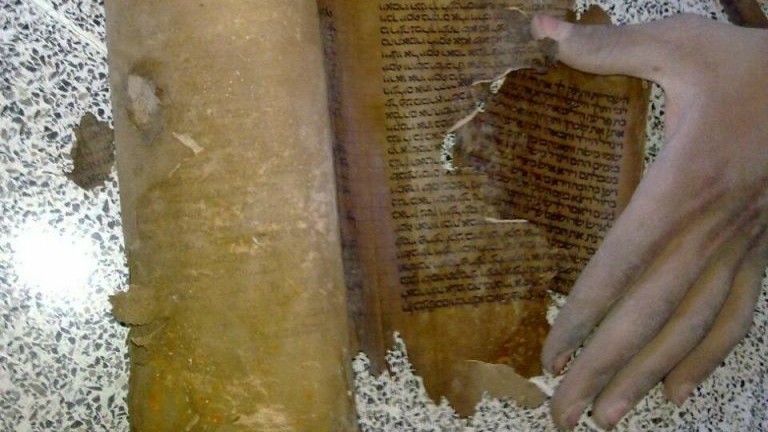
Despite reports that valuable artifacts from the synagogue, including its Torah scrolls, were being held hostage by an Islamist extremist rebel group, the objects are actually being held in safekeeping after being removed from the building, The Times of Israel was also told, although there was no way to independently verify this.
Several Israelis, including Moti Kahana, an Israeli-American Jew who has long maintained contacts with various Syrian opposition sources, exchanged messages with those sources regarding the synagogue, and in the last few days received assurances and photographs of the synagogue, The Times of Israel was told.
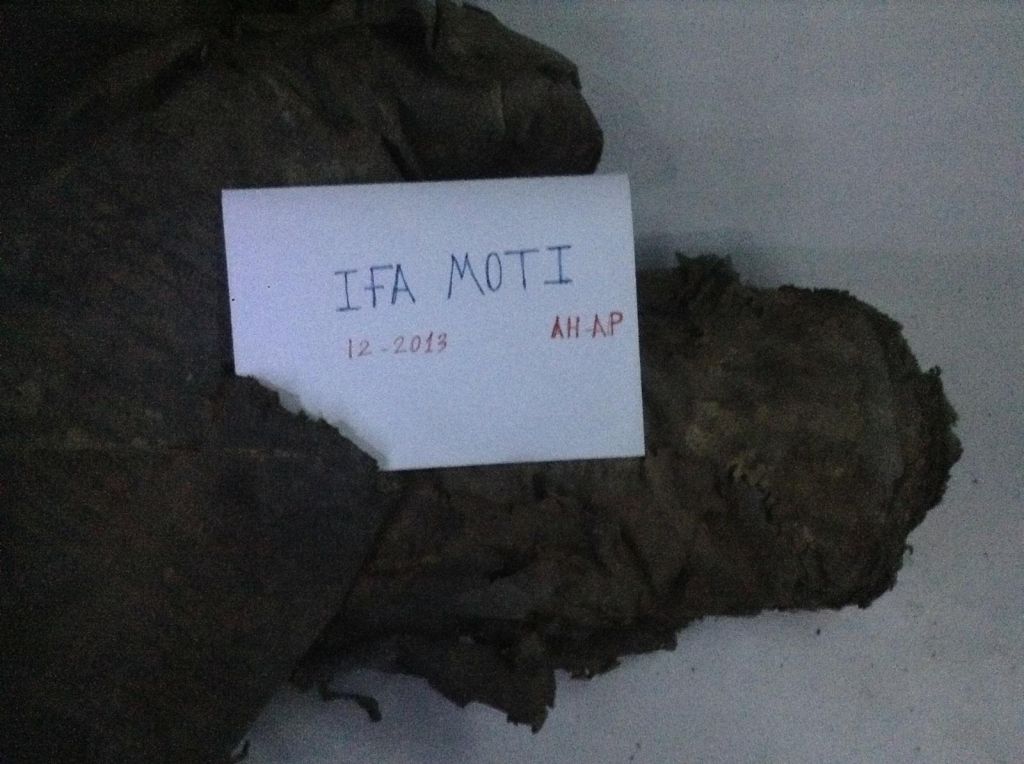
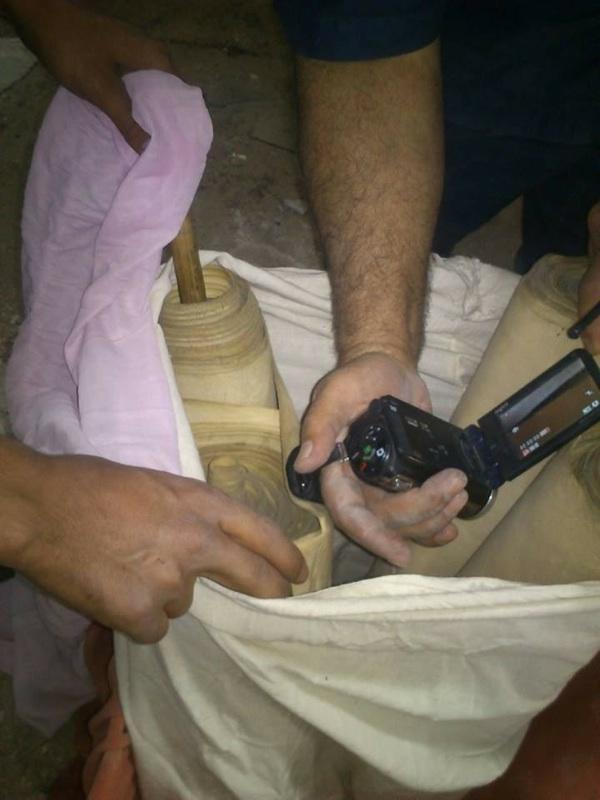
One of the photographs shows the interior of the synagogue, apparently largely intact, with a small handwritten sign bearing Moti’s name, dated December 2013, visible in the photograph to indicate that it is fresh. Other photographs show Torah scrolls, said to be from the synagogue, although there is no way to confirm where the scrolls are or who is holding them.
The Syrian opposition sources said they were protecting the synagogue 24 hours a day. They also said the Torah scrolls had been removed from the synagogue for safe-keeping, but would be returned if and when it was safe to do so.
Mandy Safadi, former chief of staff for ex-Likud MK and deputy minister Ayoub Kara, who has maintained relations with some Syrian opposition groups since the beginning of the civil war, said the release of the photographs underlined the “positive connection” between the Syrian people and Israel. Most of the mainstream opposition to Assad, notably including members of the Free Syrian Army, who are not members of an Islamist group, want to see that relationship strengthened, he said.
Safadi added that members of that mainstream opposition understood the importance and sensitivity of Syria’s Jewish holy places to Israel and the Jewish world, and had therefore decided to protect the synagogue and the Torah scrolls.
“We are receiving more and more requests [from Syrian opposition figures in exile] to meet with Knesset members and representatives of Israel, something that we have not seen in the past,” Safadi said, adding that “the decision to protect the synagogue is a kind of confidence-building measure.”
Reports on the destruction and looting of the ancient Jobar synagogue emerged as early as March. It was said to have been badly damaged by mortars reportedly fired by the forces of President Bashar Assad; some reports said the building was destroyed. A video to this effect was posted on YouTube. Syrian rebels accused the government of looting the synagogue before burning it to the ground, allegations the regime vehemently denied.
Last week, it was further alleged that the synagogue’s Torah scrolls and other Judaica were being held by an Islamist group inside Syria, which was said to be demanding the release of prisoners captured by the Assad regime in return for the items.
A source who told The Times of Israel that he was involved in negotiating for the release of the Judaica items and their extraction from Syria said the objects were being held by a group affiliated with the Al-Nusra Front, an Islamist organization associated with al-Qaeda and defined as a terrorist organization by the US.
He said the stolen items include at least three or four Torah scrolls as well as ancient Jewish scrolls and silverware. “They took everything they could get their hands on,” the source said. “They want prisoners held by Assad [in exchange for them].”
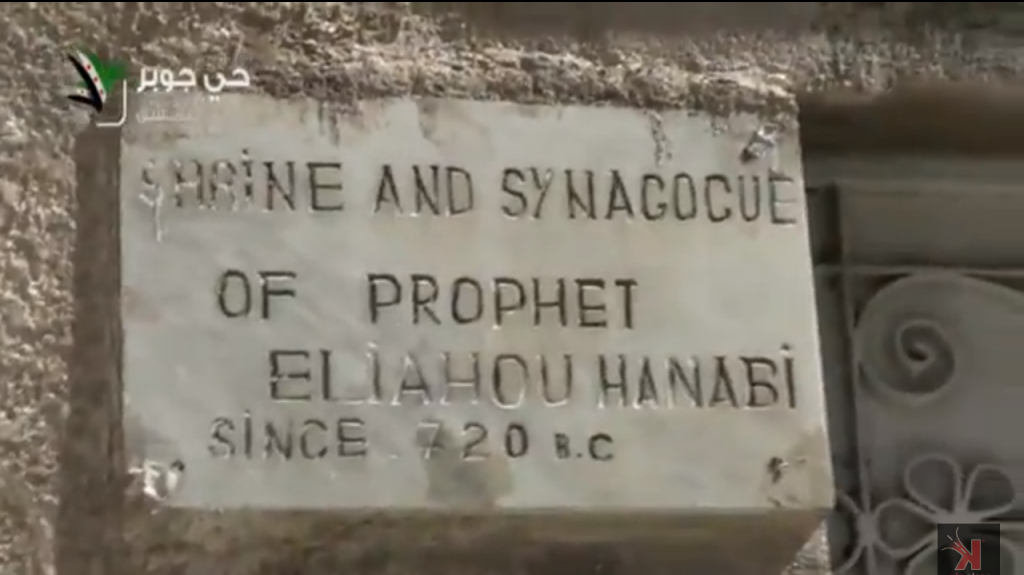
The Jobar synagogue — said to be 2,000-years-old — was built on the site where the prophet Elijah is said to have concealed himself from persecution and anointed his successor, Elisha, as a prophet.
An inscription in English at the synagogue reads, “Shrine and synagogue of prophet Eliahou Hanabi since 720 B.C.,” although the actual date of founding is disputed. One of the earliest mentions of the synagogue is in the Talmud, which states that Rabbi Rafram bar Pappa prayed there. The rabbi died in 375.
Another inscription, in Arabic, said it was the tomb of Al-Khidhr, held in some Islamic traditions to be a prophet who traveled with Moses.
Only a handful of Jews remain in Syria, as a remnant of an ancient community which numbered 4,000 as late as 1992.
Elhanan Miller, Yoel Goldman and JTA contributed to this report.









The Times of Israel Community.