

Tel Aviv Stock Exchange continues slide as virus outbreak batters global markets
Oil and gas shares keep falling, dropping 11.3% this week, while El Al sees small gain; global markets rebound slightly after massive sell off
 Add ToI as a Preferred Source on Google
Luke Tress is The Times of Israel's New York correspondent.
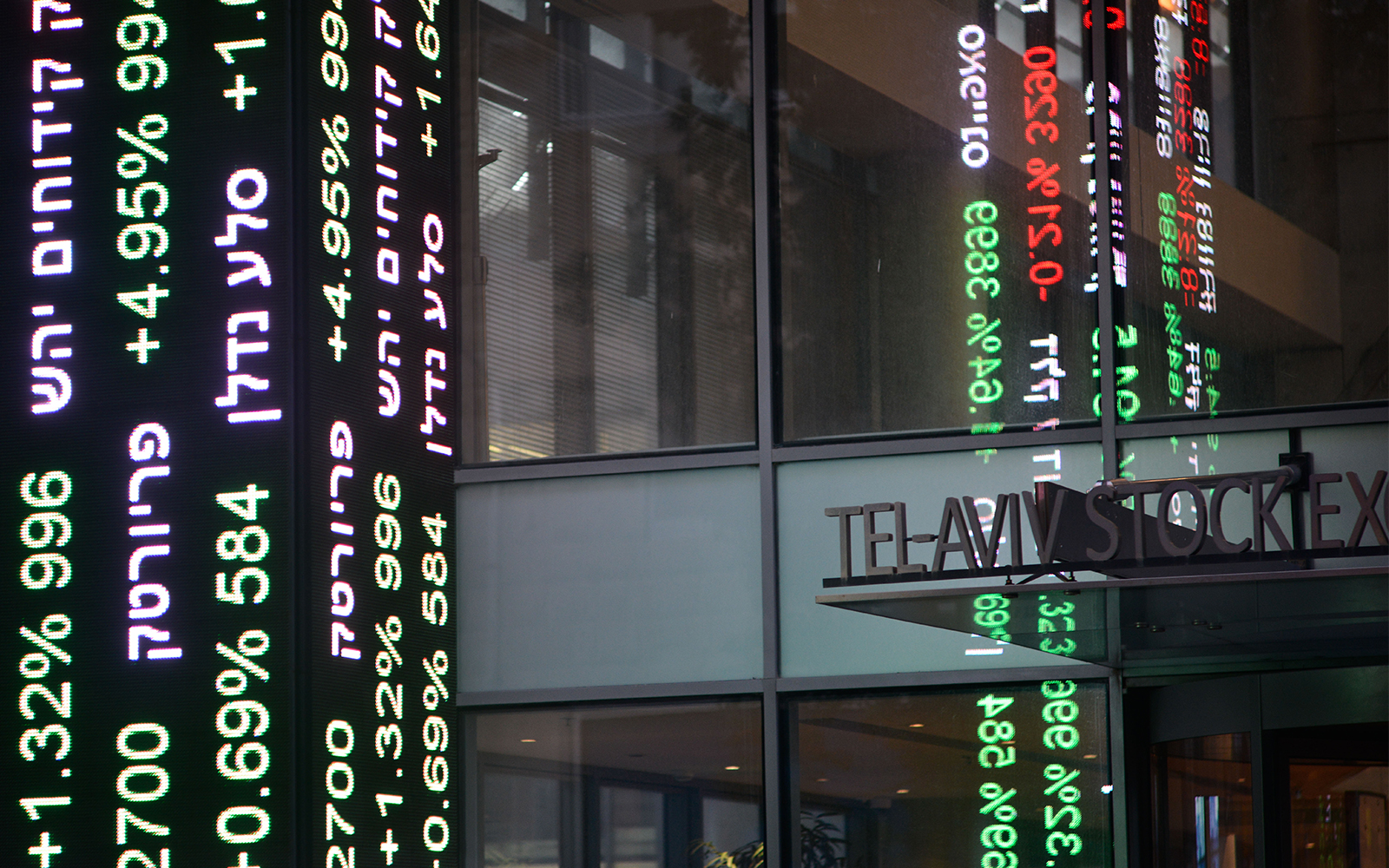
The Tel Aviv Stock Exchange continued its decline this week amid rising fears of a coronavirus outbreak in Israel and strict government directives aimed at containing the fallout.
All indices fell, with the TA-35 index dropping four percent, bringing its cumulative losses since the start of the year to 8.6%.
Oil and gas shares were hardest hit this week, sliding 11.3%, bringing year-to-date losses in the sector to 38.5%.
El Al shares rose 1.98% after the company axed workers and slashed salaries to try to mitigate damage caused by the virus. The airline’s shares are down 25.23% since the start of 2019.
Some of the companies hardest hit this week were Teva, which saw a fall of 10.11% on the Tel Aviv exchange, and Bank Leumi, whose price dropped 7.33%.
The market had a shortened, four-day week as trading was put on hold for Monday’s elections.
Other countries’ markets saw a slight rebound after a massive sell off at the end of last month.

US equities have had a turbulent week, as the virus outbreak stoked investor fears despite a Federal Reserve rate cut, Congressional approval for a $8.3 billion coronavirus package, and Joe Biden’s resounding Super Tuesday success. The S&P 500 is up 1.4% in the past week after a historic decline in late February saw equities drop some 15% after climbing to record highs.
All major US indices fell some 3% on Thursday.
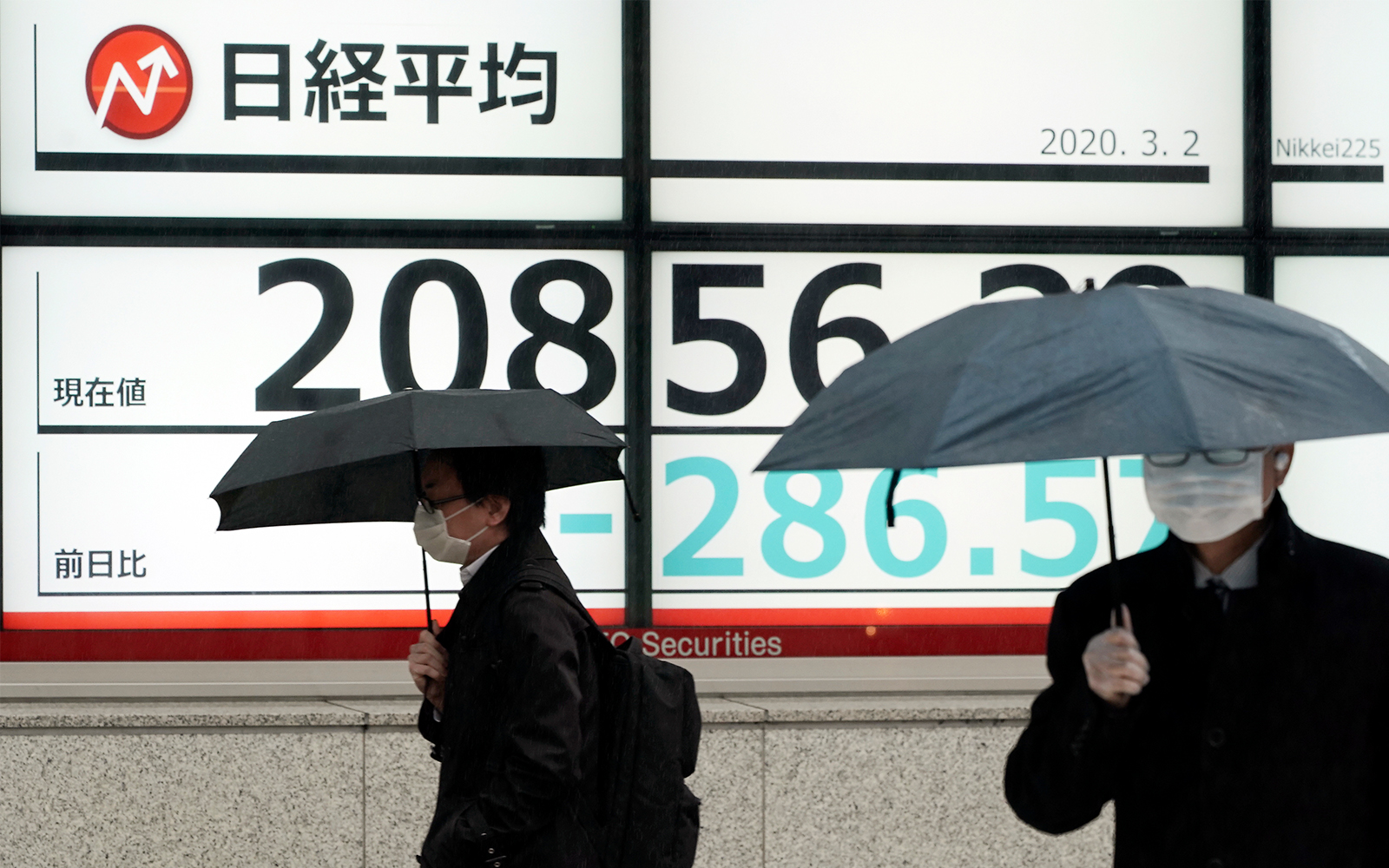
Hong Kong’s Hang Seng index has climbed 2.26% in the past week, and Japan’s Nikkei, Germany’s DAX and the UK’s FTSE 100 were up less than 1%.
Israel is taking far-reaching measures to curb the spread of coronavirus, forcing thousands of Israelis into self-quarantine, barring foreigners from countries hit hard by the virus, banning large gatherings, and advising against personal contact and travel abroad.
The Health Ministry has faced criticism for its extreme measures, with some saying it is unnecessarily panicking people and causing economic and diplomatic damage to the country. Ministry officials have said they prefer to take a strict line than be sorry later.
The Bank of Israel said Wednesday following the US rate cut that the virus scare has not had a significant impact on the Israeli economy, but if the damage becomes severe the bank is prepared to take measures to contain the economic fallout.
The bank did not give any indication that Israel was planning on following the US for now.
The bank said that if the virus is contained in the coming months, it believes the global economy will recover quickly.
The Israeli economy remains resilient due to its low debt-to-GDP rate, low unemployment rate and strong financial system, the bank said.
The Finance Ministry said Monday that the virus already caused some NIS 1 billion ($290 million) in damage to the economy, and could cause NIS 12 billion ($3.5 billion) in losses, amounting to one percent of the country’s GDP.
The novel coronavirus, which emerged in China late last year, has infected over 95,000 globally and killed over 3,200 in 84 countries. Most cases have been in mainland China.
Israel has had 17 confirmed cases and no deaths.










The Times of Israel Community.