

Top official warns of virus causing ‘widespread famines of biblical proportions’
Head of World Food Program says 30 nations in developing world at risk of ‘humanitarian and food catastrophe;’ WHO chief says coronavirus will be with us for a long time
 Add ToI as a Preferred Source on Google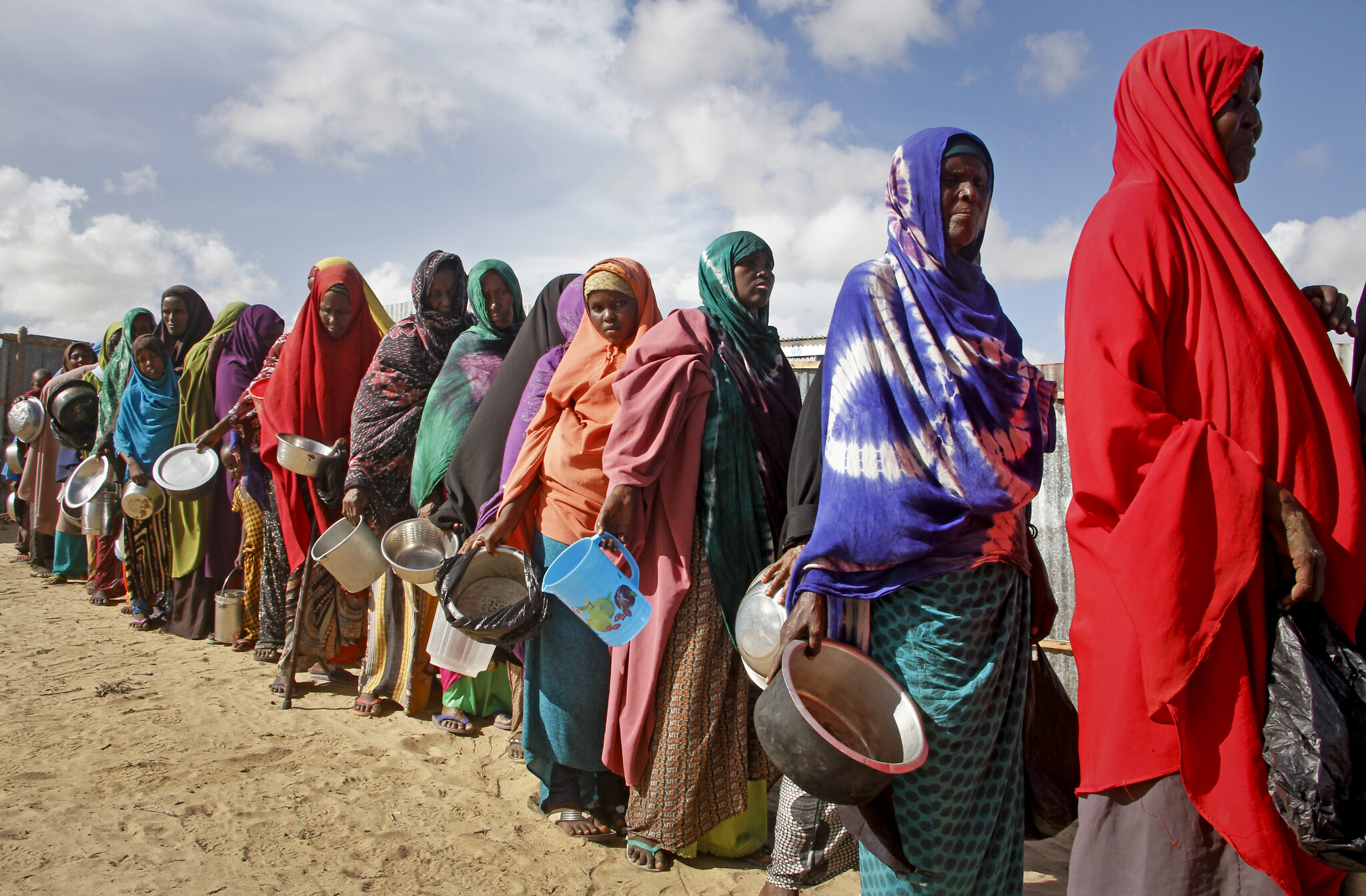
The coronavirus will likely devastate already vulnerable developing nations, leading to “widespread famines of biblical proportions” that could kill millions, the head of the UN food relief agency has warned.
In an interview with the Guardian newspaper published Tuesday, David Beasley, executive director of the World Food Program, said that more than 30 nations could face massive disruption caused by the pandemic.
“We are not talking about people going to bed hungry,” he said. “We are talking about extreme conditions, emergency status – people literally marching to the brink of starvation. If we don’t get food to people, people will die.”
Advanced health systems, such as Italy and Spain, have been overwhelmed, and poorer countries’ medical infrastructure will be less able to cope with the crisis. The UN on Friday said that under a best-case scenario, Africa would likely see 300,000 virus deaths this year. Without intervention, the toll could reach 3.3 million. The continent recorded its first 1,000 deaths on Friday.
Developing economies will also be less able to shoulder the economic burden of the crisis and provide the sorts of financial bailouts seen in the US and EU aimed at dealing with the surge in unemployment and collapsing markets.

“This is truly more than just a pandemic – it is creating a hunger pandemic,” Beasley said. “This is a humanitarian and food catastrophe.”
Beasley noted that countries in East Africa had already been hit by the worst locust swarms in many years, putting millions at risk of hunger
“I was already saying that 2020 would be the worst year since the Second World War, on the basis of what we forecast at the end of last year,” he said.
The pandemic, he warned has now “taken us to uncharted territory.”
“Now, my goodness, this is a perfect storm. We are looking at widespread famines of biblical proportions,” Beasley said.
His warnings were echoed by World Health Organization chief Tedros Adhanom Ghebreyesus, who said Wednesday that COVID-19 will stalk the planet for a long time to come, adding that most countries were still in the early stages of tackling the pandemic.
Ghebreyesus said some countries that thought they had the new coronavirus under control were witnessing a resurgence in cases, while there were troubling upward trends in Africa and the Americas.
“Most countries are still in the early stages of their epidemics. And some that were affected early in the pandemic are now starting to see a resurgence in cases,” he told a virtual press conference in Geneva.
“Make no mistake: we have a long way to go. This virus will be with us for a long time.”
He said most of the epidemics in western Europe appeared to be stable or declining.
However, “although numbers are low, we see worrying upward trends in Africa, Central and South America, and eastern Europe,” he said.

The global death toll has passed 175,000, according to a tally from official sources compiled by AFP, while more than 2.5 million declared cases have been registered since the epidemic first emerged in China in December.
Tedros said the virus remained extremely dangerous.
“Early evidence suggests most of the world’s population remains susceptible,” he said, adding: “one of the greatest dangers we face now is complacency”, as people grow fed up of being confined to their homes.
But with months to go before a viable vaccine can be rolled out, more than half of humanity remains under some form of lockdown.
While anti-confinement protests have popped up in countries including the United States and Brazil, Tedros said such mass gatherings “will not help — it will only fuel the outbreak”.
WHO emergencies director Michael Ryan said that when governments asked citizens, on trust, to shut down their lives and stay at home, it would only work if the public believed their leaders genuinely had a plan.









The Times of Israel Community.