

Touring the Strip, IDF chief Zamir says Gaza ceasefire line ‘a new border’
Military chief says current division of Strip is a ‘forward defensive line for the communities and an offensive line,’ hours after PM says phase 2 of ceasefire deal is imminent
 Add ToI as a Preferred Source on Google
Emanuel (Mannie) Fabian is The Times of Israel's military correspondent
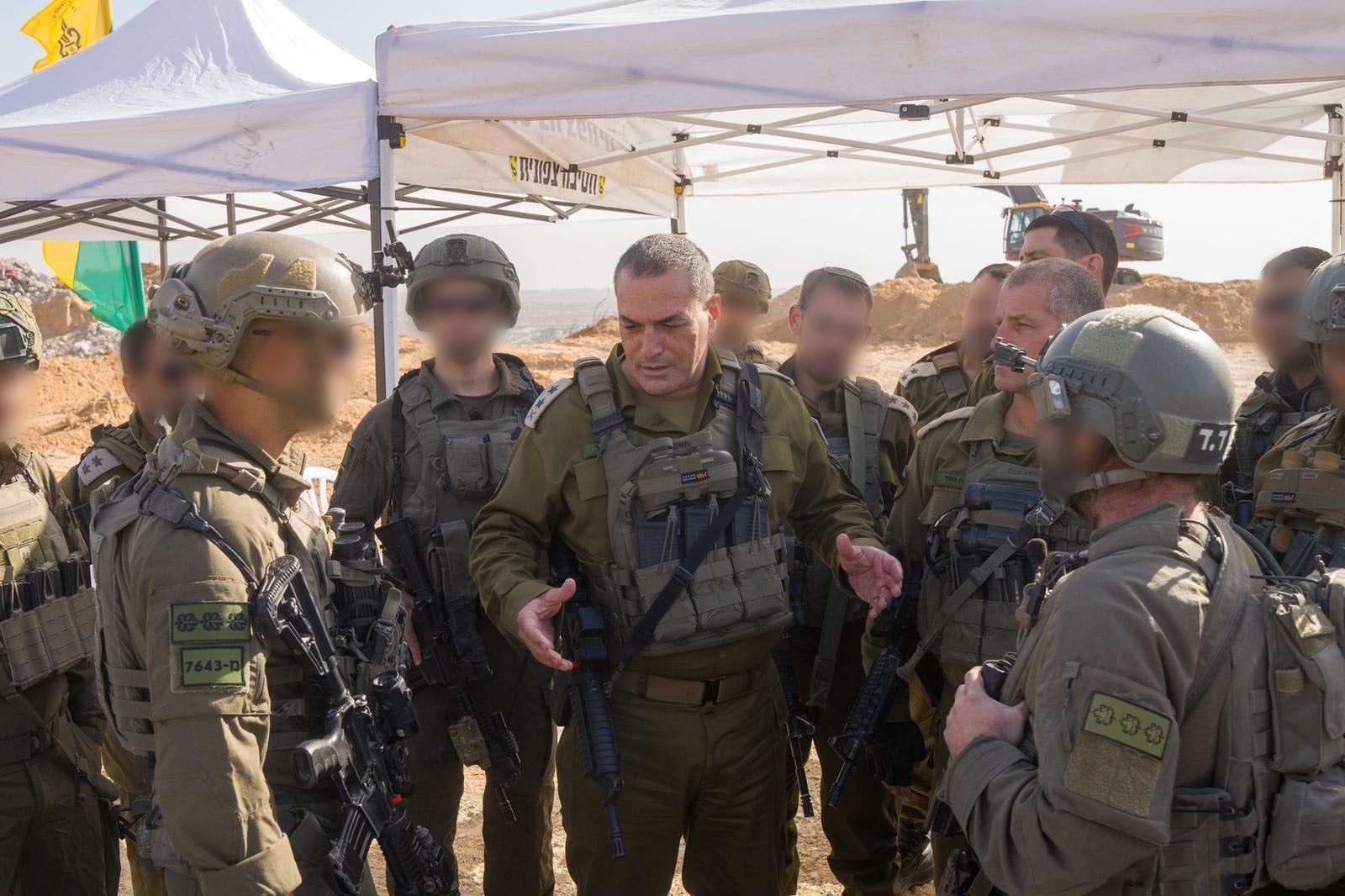
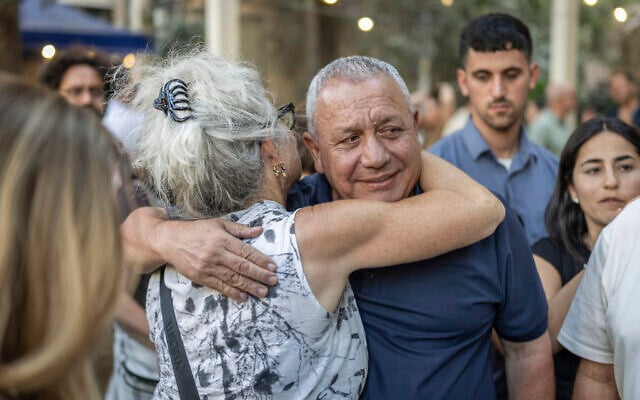
During a visit to the Gaza Strip on Sunday, IDF Chief of Staff Lt. Gen. Eyal Zamir said that the Yellow Line, demarcating where the Israeli military withdrew to under the terms of the ongoing ceasefire, is “a new border line.”
“We will not allow Hamas to reestablish itself. We control large parts of the Gaza Strip and stand along [strategic] lines. The Yellow Line is a new border line, a forward defensive line for the communities and an offensive line,” Zamir said during a tour of Beit Hanoun and Jabalia, in remarks provided by the IDF.
On Sunday afternoon, the IDF said that troops shot dead a Palestinian terror operative who crossed the Gaza ceasefire line in the Strip’s south, after approaching forces “in a way that posed an immediate threat.” A day earlier, troops killed three Palestinian operatives who crossed the Yellow Line and approached troops in the Strip’s north.
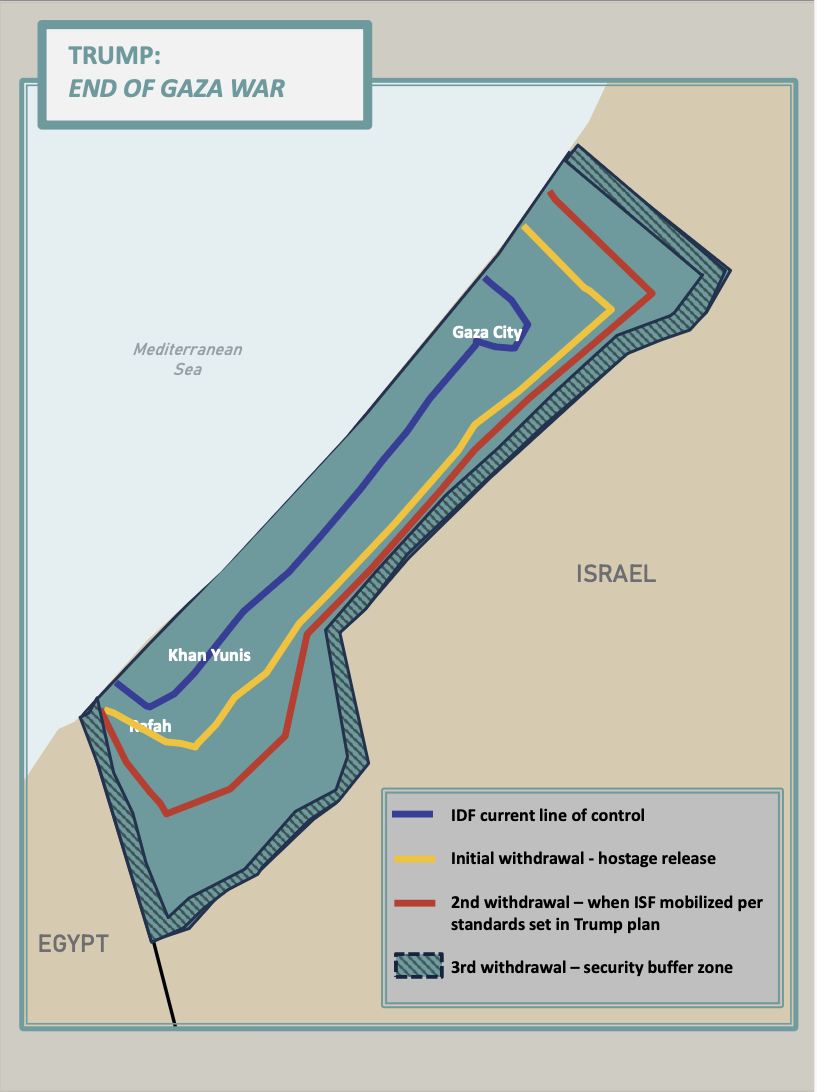
The so-called Yellow Line leaves Israel in control of approximately 53 percent of the Strip, including all of the southern city of Rafah and the northern city of Beit Hanoun.
Zamir’s language, in particular his use of the word “border,” could raise eyebrows among those who have insisted that the Yellow Line is a temporary position, and that Israeli troops will gradually retreat until they leave the Strip entirely.
Prime Minister Benjamin Netanyahu said earlier Sunday — speaking alongside the visiting German chancellor — that Israel would soon enter phase two of the ceasefire deal, once the body of Ran Gvili, the last hostage in Gaza, is returned to Israel. In that phase, the IDF is slated to gradually withdraw from its current lines, as Hamas begins disarming and the troops making up the International Stabilization Force deploy.
Netanyahu reiterated later in the day that “in the second phase, we are moving to disarmament and demilitarization.” He told a meeting of Israeli ambassadors on Sunday evening that the US wants to create an international force to accomplish the task, and “I said, go ahead.”
The UN Security Council passed a resolution in November endorsing US President Donald Trump’s 20-point peace plan, including the establishment of the ISF. But the forces have yet to deploy, in part because one hostage remains in Gaza, but also due to concerns from the countries slated to take part and Hamas’s indication that it will not disarm.
While Israel has called for the ISF to play an active role in the disarmament of Hamas, such a demand is said to concern many countries considering contributing troops to the force due to fears of clashes with Hamas operatives or of finding themselves in the middle of fighting between Palestinian terror groups and Israeli forces.
Indonesia and Azerbaijan have committed to joining the force, and while Turkey has also been pushing to take part, Israel has vetoed any active role for Ankara in Gaza.
During his visit to the Strip on Sunday, Zamir also highlighted that Israel was waiting for the return of the final deceased hostage.
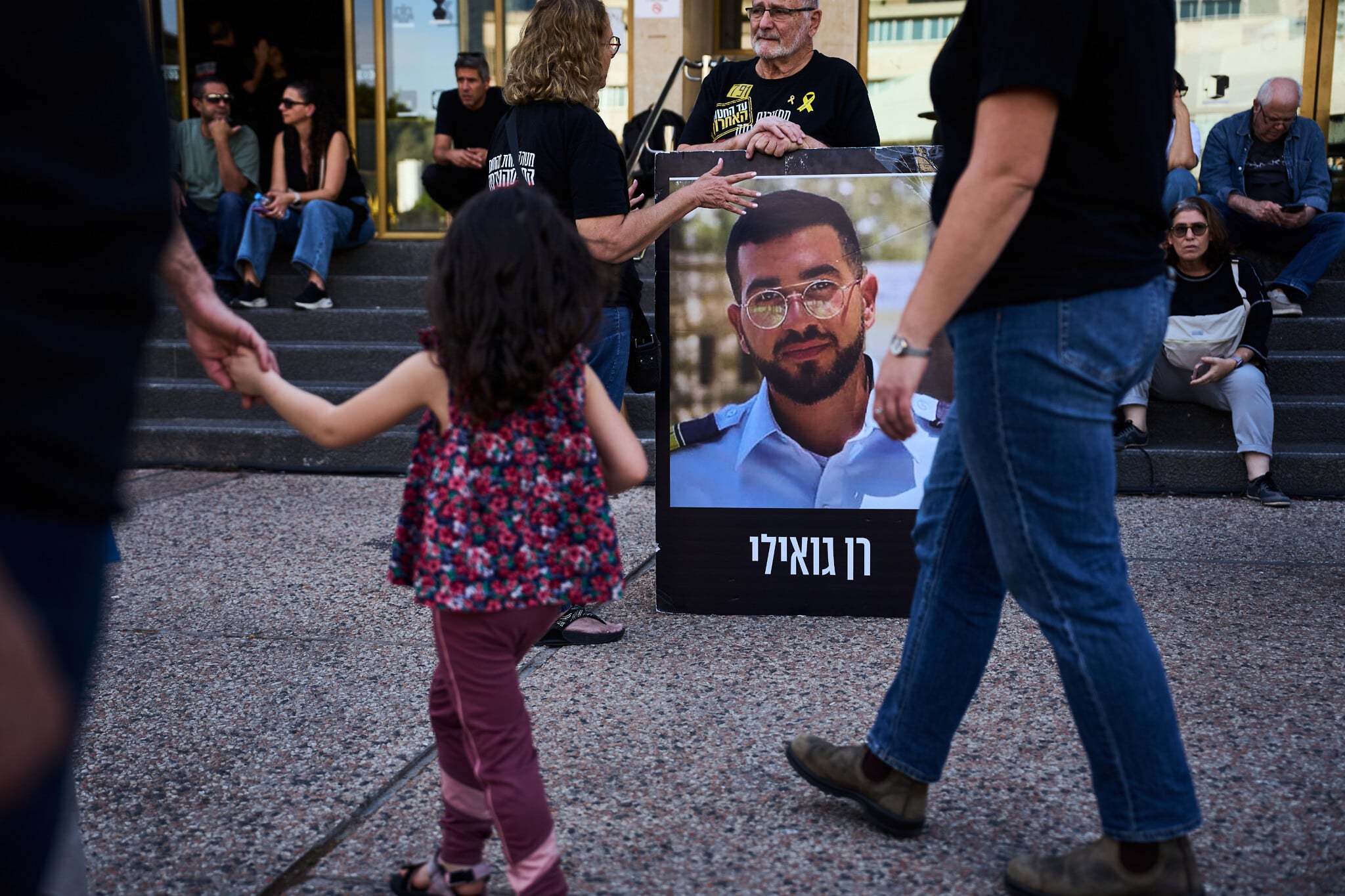
“The vast majority of our hostages have returned, but our mission will not be complete until the final fallen hostage, Master Sgt. Ran Gvili, is brought back,” Zamir said.
The IDF chief told forces that the military “must not be complacent; we must prepare across all arenas and maintain readiness and vigilance alongside adherence to operational norms.”
Times of Israel staff and Jacob Magid contributed to this report.




The Times of Israel Community.