

Under deal, Kahanist party could receive spot on key panel that appoints judges
Terms of merger provide for Jewish Home pushing to get Otzma Yehudit representative on body that shapes makeup of Supreme Court, long lambasted by the right as too liberal
 Add ToI as a Preferred Source on Google
An agreement signed to merge the right-wing Jewish Home party with the extremist Otzma Yehudit (Jewish Power) includes an article that would see Jewish Home work to get a representative of Otzma Yehudit onto the key parliamentary committee that chooses Israel’s judges.
The terms of the agreement were revealed Tuesday after a lawyer petitioned the election commission to publicize the party agreements.
The merger deal was facilitated by Prime Minister Benjamin Netanyahu in a bid to strengthen a future Likud-led coalition following the April 9 election, and has since been widely condemned, including by other Israeli lawmakers — though not from Likud — and mainstream US Jewish organizations.
Nevertheless, the agreement envisions that after the election the united list — known as The United Right — would likely split up, with the Jewish Home sitting in a governing coalition and Otzma Yehudit going to the opposition, a tacit acknowledgement that the party, whose leaders are disciples of the late ultranationalist rabbi Meir Kahane, may be too extreme to be included in the government.
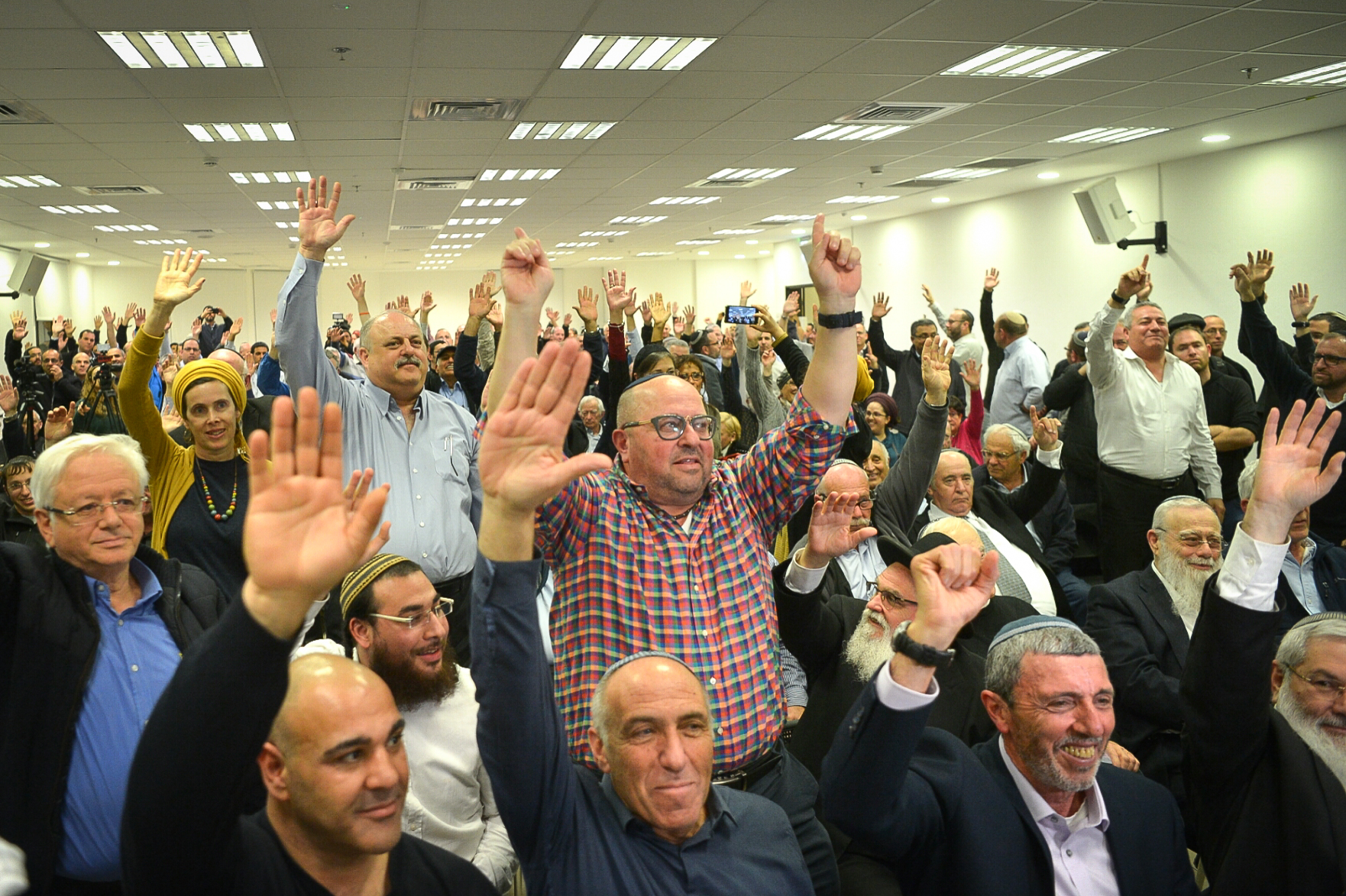
“If Jewish Home-National Union are in the coalition and Otzma Yehudit will be in the opposition, it is agreed that Jewish Home-National Union will work to elect a representative of Otzma Yehudit as the representative of the opposition on the Judicial Appointments Committee,” the agreement said.
Responding to a report revealing the details of the merger, Otzma Yehudit candidate Itamar Ben Gvir tweeted, “While it is true that we hope and want to be in the coalition (and not automatically in the opposition…), it’s amazing to see the reactions of the hysteric left. They are A-F-R-A-I-D.”
The key committee is made up of three Supreme Court Judges, the justice minister, another minister, a Knesset representative each from the coalition and the opposition, and two legal representatives.
The right has long railed at the Supreme Court, accusing the top legal body of interventionist judicial activism as pioneered by Aharon Barak, its president from 1995 to 2006, after the courts torpedoed a series of Knesset laws it deemed unconstitutional.
For the Israeli right, the Supreme Court represents the old left-leaning political elite, a bench of like-minded figures that it is determined to replace.
The left and opposition politicians fear that shifting the court’s ideological makeup will threaten Israeli democracy, upturn the system of checks and balances and leave open key issues that the fractious Knesset is unable to resolve, such as those pertaining to civil liberties, religious freedom and the rights of Palestinians.
Current Justice Minister Ayelet Shaked from the New Right party has frequently spoken out in favor of reining in the High Court or changing the makeup of the justices to incorporate more conservative views.
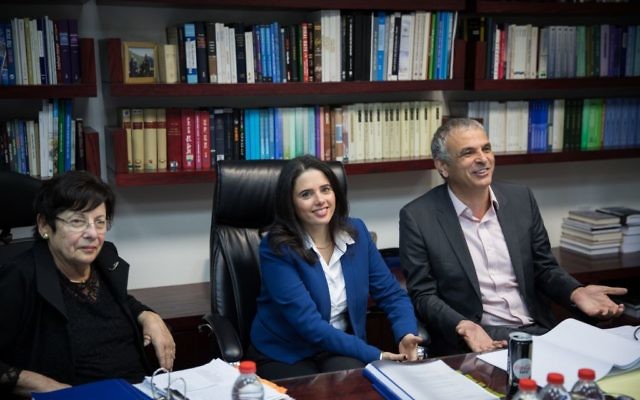
And in 2017 she secured three conservative and non-activist judges out of four new appointments to the court, putting a large dent in what is seen as a liberal-dominated bench.
The extremist Otzma Yehudit is the spiritual successor to Kahane’s Kach party, which was barred from the Knesset under a Basic Law outlawing incitement to violence and later banned entirely in Israel.
It supports encouraging emigration of non-Jews from Israel and expelling Palestinians and Israeli Arabs who refuse to declare loyalty to Israel and accept diminished status in an expanded Jewish state whose sovereignty extends throughout the West Bank.
Despite the agreement, any move to have a member of the party oversee court appointments is likely to face widespread opposition.
The merger deal has sparked condemnation, including from politicians on Israel’s right.
On Tuesday, Education Minister Naftali Bennett, who founded the New Right with Shaked after the two broke away from Jewish Home, joined the growing chorus of denunciations, saying Otzma Yehudit’s members were not fit to sit in the Knesset and that there was a wide gulf between their views and his.
On Monday, former defense minister Avigdor Liberman, who resigned from the government in November in protest of what he claimed was the weak handling of the Gaza violence, also criticized Otzma Yehudit, saying he would not speak with any of its members if he saw them in the Knesset.
Also Monday, the leftist Meretz and Labor parties separately filed petitions with the Central Elections Committee calling for Otzma Yehudit to be barred from running in the elections.








The Times of Israel Community.