

US, Iran said closing in on framework for permanent deal, as Trump renews bomb threats
Iran reply expected soon to 1-page MoU that includes halt on enrichment, extraction of uranium stockpile, lifting of US sanctions, Hormuz reopening, Lebanon ceasefire and launch of monthlong talks on more detailed deal
 Add ToI as a Preferred Source on Google
The White House reportedly believes it is nearing a one-page memorandum of understanding with Iran aimed at permanently ending the war and laying out a framework for monthlong talks on the regime’s nuclear program.
The US expects a response from Tehran within the next 48 hours, according to a Wednesday Axios report, which cited two US officials and two additional sources briefed on the matter.
The MoU consists of 14 points and is being crafted by US President Donald Trump’s top envoys Steve Witkoff and Jared Kushner, together with several Iranian officials.
The MoU will reportedly include a moratorium on nuclear enrichment by Iran and provide for the shipment of highly-enriched uranium stockpiles out of Iran, in exchange for Washington lifting some of its sanctions on Tehran and releasing billions in the Islamic Republic’s frozen funds, in addition to both sides lifting restrictions around transit through the Strait of Hormuz.
Axios later reported that the document includes a clause stating that the deal “would end the war throughout the region, including in Lebanon.”
Such a clause would mark a significant shift, as the ceasefire reached last month with Iran did not extend to Lebanon, where Israel has been fighting against the Iran-backed terror group Hezbollah. Instead, a separate US-brokered truce was reached there between Israel and Lebanon, as both seek to keep the Lebanese front distinct from the Iranian file.
The plan would also declare an end to the war and trigger a 30-day negotiation period, in pursuit of more detailed agreements pertaining to the Strait of Hormuz, Iran’s nuclear program and US sanctions against the regime.
The US is seeking a moratorium on all uranium enrichment by Iran for at least 12 years, with a provision that would extend the moratorium if Iran were found to have violated it, Axios said. At the end of the negotiated period, the Islamic Republic would be allowed to enrich to the low, civilian-use level of 3.67%, while committing never to seek a nuclear weapon, or to carry out activities related to the development of nuclear weapons, and to submit to enhanced inspections, including snap inspections by the UN.
This would also be a major departure from repeated US pledges not to accept a deal that allows Iran to enrich at all. Trump has also long pilloried the nuclear deal signed by former president Barack Obama, which allowed Tehran to continue enriching at 3.67%.
Iran would agree to remove its existing stockpile of highly enriched uranium, with negotiators floating moving the material to the US, Axios said. A Channel 12 report later Wednesday said there was no agreement on which country would take the stockpile, and that Trump had told Prime Minister Benjamin Netanyahu in their latest call that without agreement on this issue, there would be no deal.
A clause being negotiated would also require Iran to commit not to operate underground nuclear facilities, the report said.
As the talks proceed, Iran and the US would gradually ease their operations in the Strait of Hormuz to allow shipping through the waterway and trade through Iranian ports, the report said.
But if negotiations collapse or fail to reach a deal, the US could restore the blockade or resume the war, according to a US official. The report cautioned that “nothing has been agreed yet,” but sources describe the current process as the closest the two sides have come to an agreement since the war started with joint American and Israeli airstrikes on February 28.
A Pakistani source involved in the mediation efforts confirmed the report to Reuters, saying, “We will close this very soon. We are getting close.”
Trump keeps pressure on Tehran
Asked what the timeframe might be for Iran and the US to reach an agreement on a memorandum of understanding permanently ending the war between them, Trump responded, one week.
Fox News said Trump made the comment during a phone interview with the network, which added that the president sounded cautiously optimistic.
Trump has been known to give varying timelines pertaining to the Iran talks in the constant cold calls he takes from journalists.
Given Axios’s reporting that the US is expecting an Iranian response to the MOU within two days, it was unclear whether Trump was suggesting that an additional few days would still be needed after that.
Trump earlier Wednesday signaled support for the proposal in a post on Truth Social, saying the American war effort and blockade on Iran would end if Tehran accepts the terms.
“Assuming Iran agrees to give what has been agreed to, which is, perhaps, a big assumption, the already legendary Epic Fury will be at an end, and the highly effective Blockade will allow the Hormuz Strait to be OPEN TO ALL, including Iran,” Trump wrote.
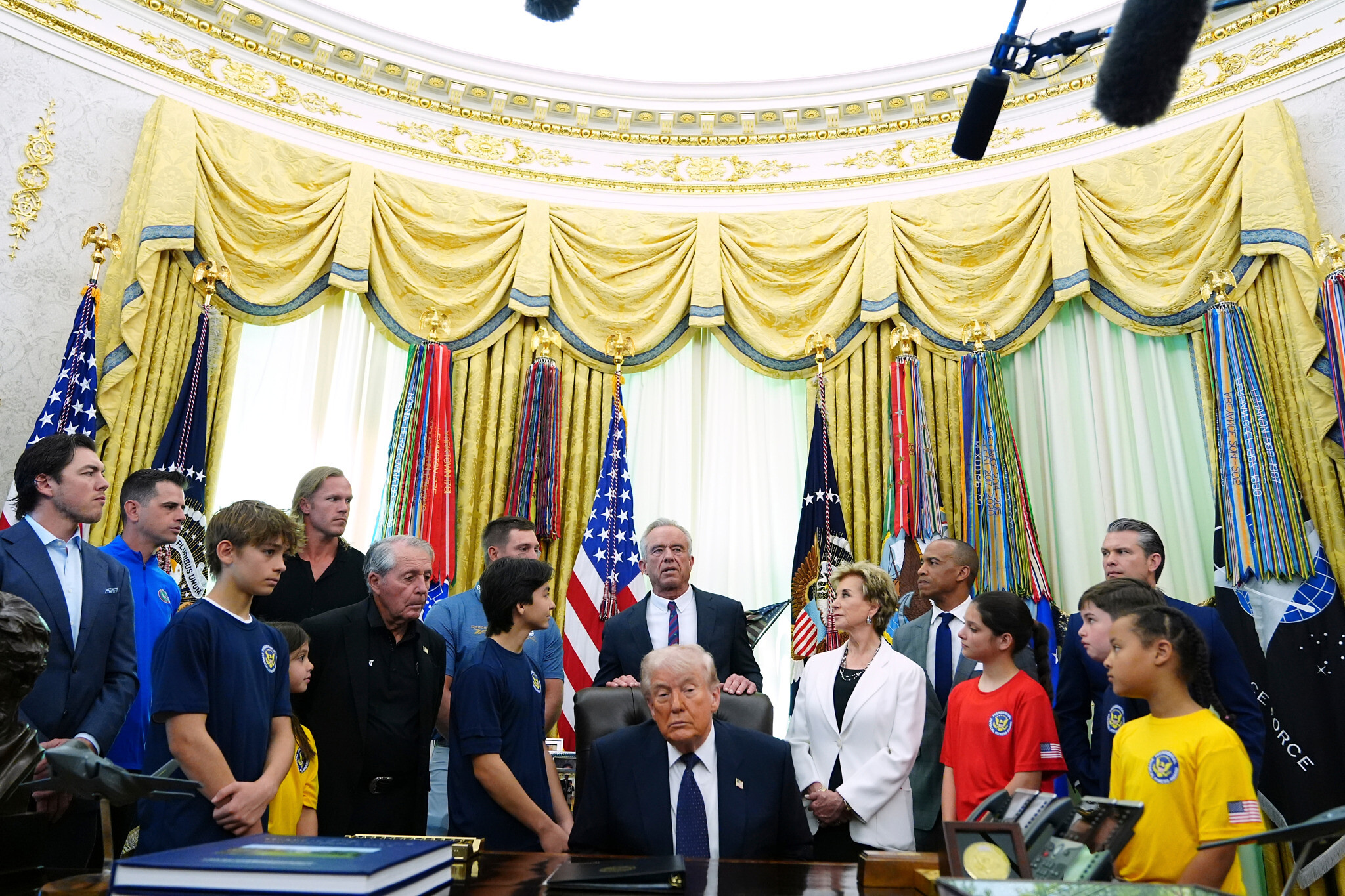
But he also threatened renewed military action if Iran refuses the deal.
“If they don’t agree,” Trump wrote, “the bombing starts, and it will be, sadly, at a much higher level and intensity than it was before.”
Trump has repeatedly threatened to return to war with Iran since the April ceasefire was announced, though he has so far continued pursuing diplomacy.
Speaking to The New York Post amid reports that the sides were nearing an agreement, Trump said it was still “too soon” to begin planning face-to-face ceasefire talks with Iran.
Asked whether journalists should travel to Islamabad to cover potential negotiations, Trump replied, “I don’t think so.”
Trump later said at a White House event that the US would get the stockpiled of highly-enriched uranium from Iran.
One of Trump’s central objectives in launching military strikes against Iran was to ensure Tehran does not develop a nuclear weapon. Iran has yet to hand over more than 900 pounds (408 kg) of highly enriched uranium.
Jerusalem and Tehran signal uncertainty
An Israeli official told Army Radio on Wednesday that Jerusalem had not been aware that Trump was nearing an agreement with Iran.
“We were preparing for an escalation,” the official said.
Netanyahu’s office rushed to deny that report, issuing a statement attributed to a senior Israeli official insisting that the premier was not caught off guard and is in constant contact with Trump.
Trump continues to insist on key red lines, “foremost among them the removal of nuclear material,” the Israeli official said, adding that Netanyahu has instructed the IDF to prepare for all scenarios, including a return to fighting if necessary.

Netanyahu later told fellow ministers during a security cabinet meeting that he would speak to Trump later Wednesday night.
Netanyahu rarely releases statements from security cabinet meetings, an indication that he was eager to push back on reports that Israel was surprised by a potential agreement with Iran.
“There is full coordination between us — no surprises,” Netanyahu insisted.
US reportedly tells Israel Iran showing ‘surprising openness’ on transferring uranium stockpile overseas
Meanwhile, Channel 12 reported that American officials have told Israel that they are “optimistic” about reaching the framework agreement with Iran on ending the war and that the assessment has also been conveyed by Trump to Netanyahu.
According to the latest update conveyed to Israel by the Americans, Iran is showing “surprising openness” regarding the transfer of its stockpile of highly enriched uranium to a third country.
Israel is concerned by the lack of attention being paid to the issue of Iran’s ballistic missile program, the report also said. Jerusalem wants to see a clause in the framework agreement that would limit the range of Iranian ballistic missiles, even though there would be credible means of ensuring Iranian compliance with any such clause, or with any provisions intended to limit Iran’s ballistic missile production.
While part of the Iranian leadership is apparently open to significant steps on the path to a framework agreement — including on the issue of removing Iran’s uranium stockpile — Israel and the Americans are wary of the potential for Iran’s Islamic Revolutionary Guard Corps to thwart such a deal, the report continued.
Expert warning
An American expert on Wednesday warned against any deal that leaves even low-level enriched uranium in Iran’s hands.
Any nuclear deal with Iran must require the removal of all of its enriched uranium – not only its highly enriched stockpile, said David Albright, a former UN nuclear inspector who runs the Institute for Science and International Security.
Amid intensified US efforts to reach a nuclear deal with Tehran, Albright told Channel 12 that “the goal should be to get all 10 tons of enriched uranium out of Iran,” warning that “if any significant part of [Iran’s enriched uranium] stockpile remains, then that’s a bad deal. There’s no doubt about it,” as this would leave Iran capable of developing a nuclear weapon.
Albright reference to “all 10 tons” covers not only the roughly 440 kilograms of near weapons-grade uranium enriched to 60% purity and buried in Isfahan, but Iran’s entire enriched uranium stockpile, ranging from 2% to 60% enrichment.
If the full stockpile were removed, “given the destruction of [Iran’s] centrifuge program” in previous US and Israeli strikes, “we would really have years before we’d have to think about Iran enriching significant amounts of weapon-grade uranium,” Albright said.
Mixed signals from Iranian officials
For their part, Iranian officials were sending mixed signals on Wednesday regarding the negotiations.
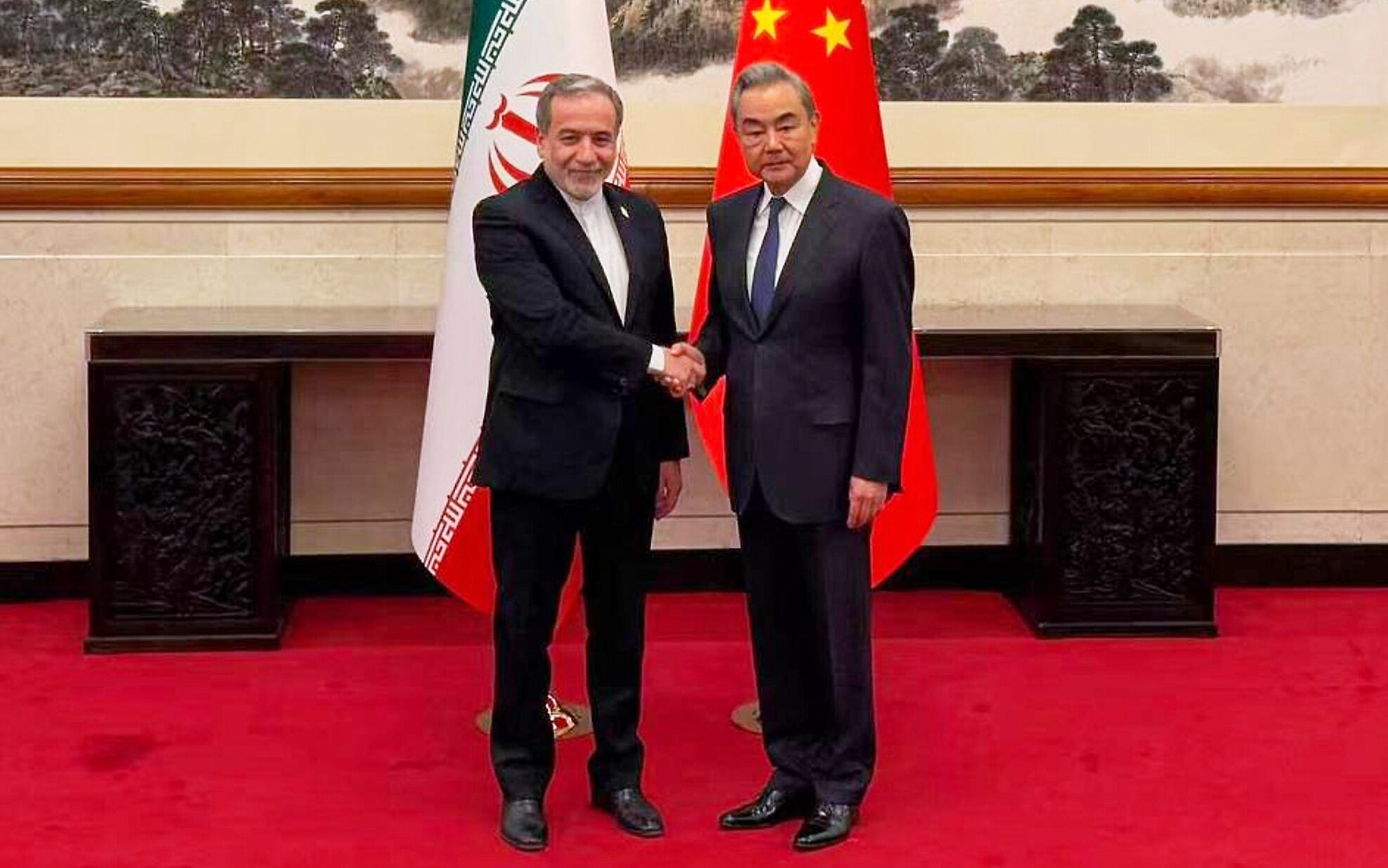
Iranian Foreign Minister Abbas Araghchi said that Tehran would only accept “a fair and comprehensive agreement,” while pledging to protect Iran’s “legitimate rights and interests.”
Speaking in Beijing after meeting Chinese Foreign Minister Wang Yi, Araghchi said Iran was seeking China’s support for a “new post-war regional framework” balancing development and security.
Wang called for an immediate end to hostilities and urged the US and Iran to reopen the Strait of Hormuz “as soon as possible.”
A senior Iranian lawmaker, however, dismissed the Axios report outlining the US proposal as unrealistic.
“The Axios text is more of an American wish list than a reality,” said Ebrahim Rezaei, spokesperson for the Iranian parliament’s foreign policy and national security committee. “Americans will not gain anything in a war they are losing that they have not gained in face-to-face negotiations.”
Iranian parliament speaker Mohammad Bagher Ghalibaf also accused Washington of trying to force Tehran’s surrender through various means, including the naval blockade of the Hormuz.
“The enemy, in its new design, is seeking, through a naval blockade, economic pressure and media manipulation, to destroy the country’s cohesion to force us to surrender,” Ghalibaf said in a voice message published on his Telegram channel.
He did not elaborate on the prospects for a peace agreement, as Tehran continues reviewing elements of the US proposal.
Iranian foreign ministry spokesperson Esmaeil Baqaei said Tehran would convey its position to mediator Pakistan after “finalizing its views.”
Hormuz traffic remains near standstill
Trump announced Tuesday evening he was pausing an American effort to guide stranded vessels out of the Strait of Hormuz to allow time for a deal to end the Iran war.
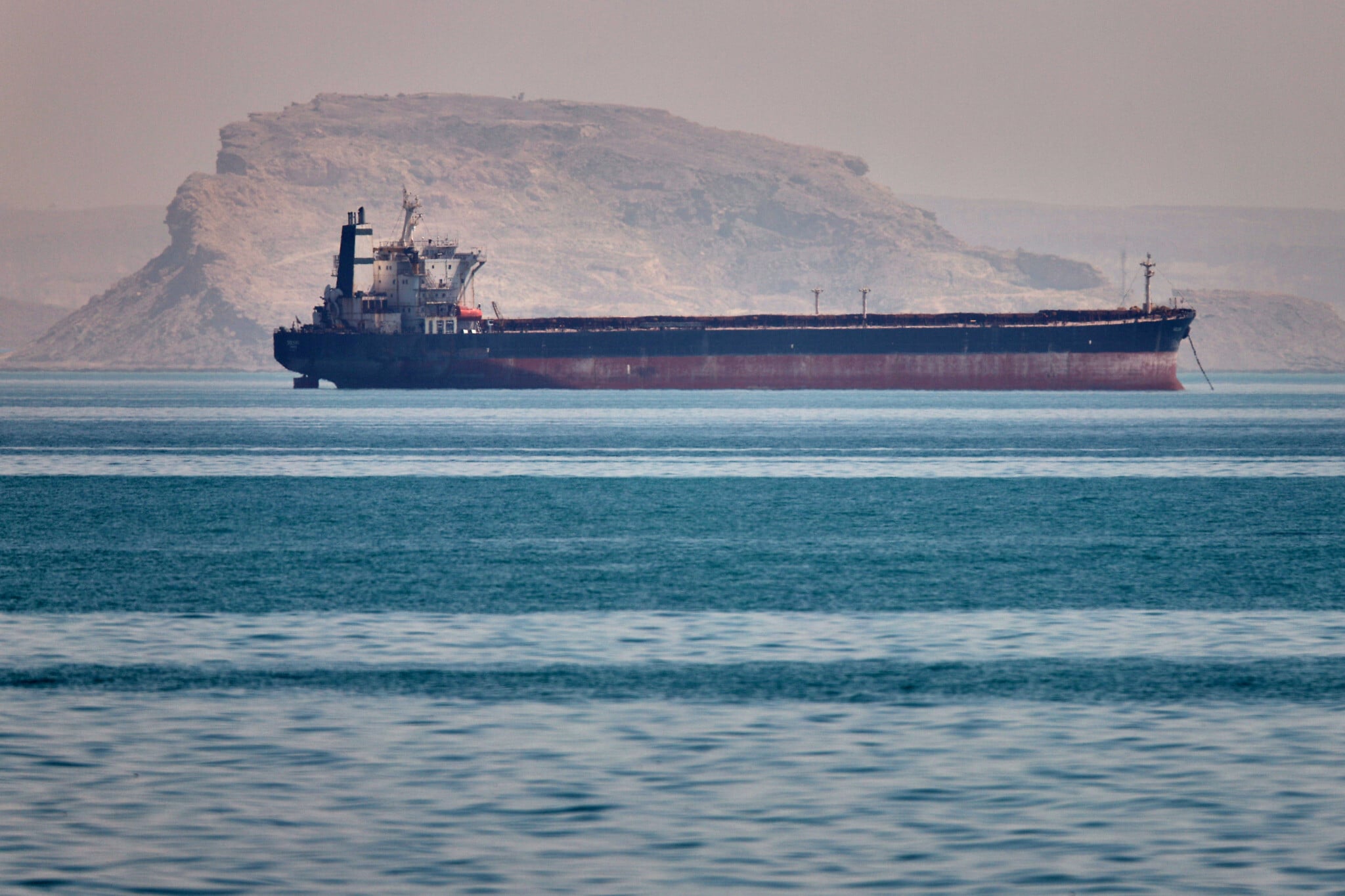
Following Trump’s announcement, oil prices fell sharply, with Brent crude dropping 1.2% to $108.60 a barrel after a 4% decline the previous session, while US West Texas Intermediate futures fell 1.2% to $101.06.
Trump’s decision to pause the escort operation came amid reports that he had been close to renewing attacks on Iran days earlier, before opting to pursue diplomacy instead.
After the conflict began on February 28 with joint US-Israeli strikes, Iran effectively sealed off the strait by threatening to deploy mines, drones, missiles, and fast-attack craft, thus blocking about 20 percent of world oil supplies and igniting a global energy crisis. The United States has countered by blockading Iranian ports and mounting escorted transits for commercial vessels.
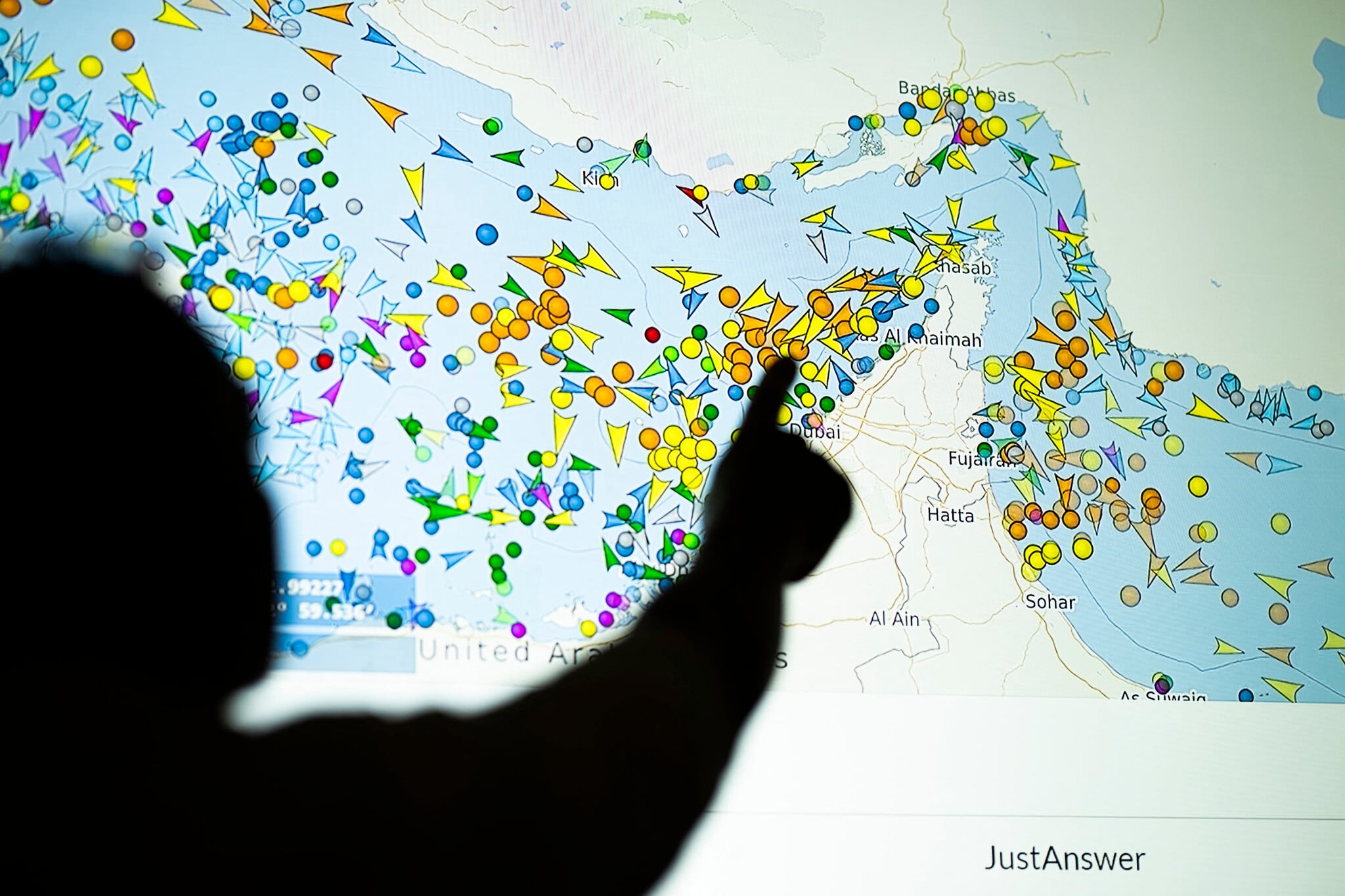
The fragile ceasefire has continued to face pressure. The United Arab Emirates said it came under Iranian drone and missile attacks for a second consecutive day on Tuesday, while ships in the Gulf were also reportedly targeted by drones.
French shipping giant CMA CGM said Wednesday that one of its vessels, the CMA CGM San Antonio, was attacked while transiting the Strait of Hormuz, injuring crew members and damaging the ship.
Meanwhile, France announced that the Charles de Gaulle carrier strike group was moving into the Red Sea and Gulf of Aden as part of preparations by France and Britain for a future mission to protect freedom of navigation in the Strait of Hormuz.
Shipping through the strait has fallen dramatically despite US efforts to reopen the route. Marine analytics firm Kpler recorded just one commodity vessel transit on Monday and none on Tuesday — the lowest levels since the start of the war. Before the conflict, roughly 120 vessels passed through the strait daily.










The Times of Israel Community.