

US unveils key Gaza panel, with prominent roles given to Israel critics Qatar, Turkey
Gaza Executive Board responsible for overseeing postwar management of Gaza also includes Witkoff, Kushner, Blair, representatives from UAE, Egypt and pair of prominent businessmen
 Add ToI as a Preferred Source on Google
Jacob Magid is The Times of Israel's US bureau chief
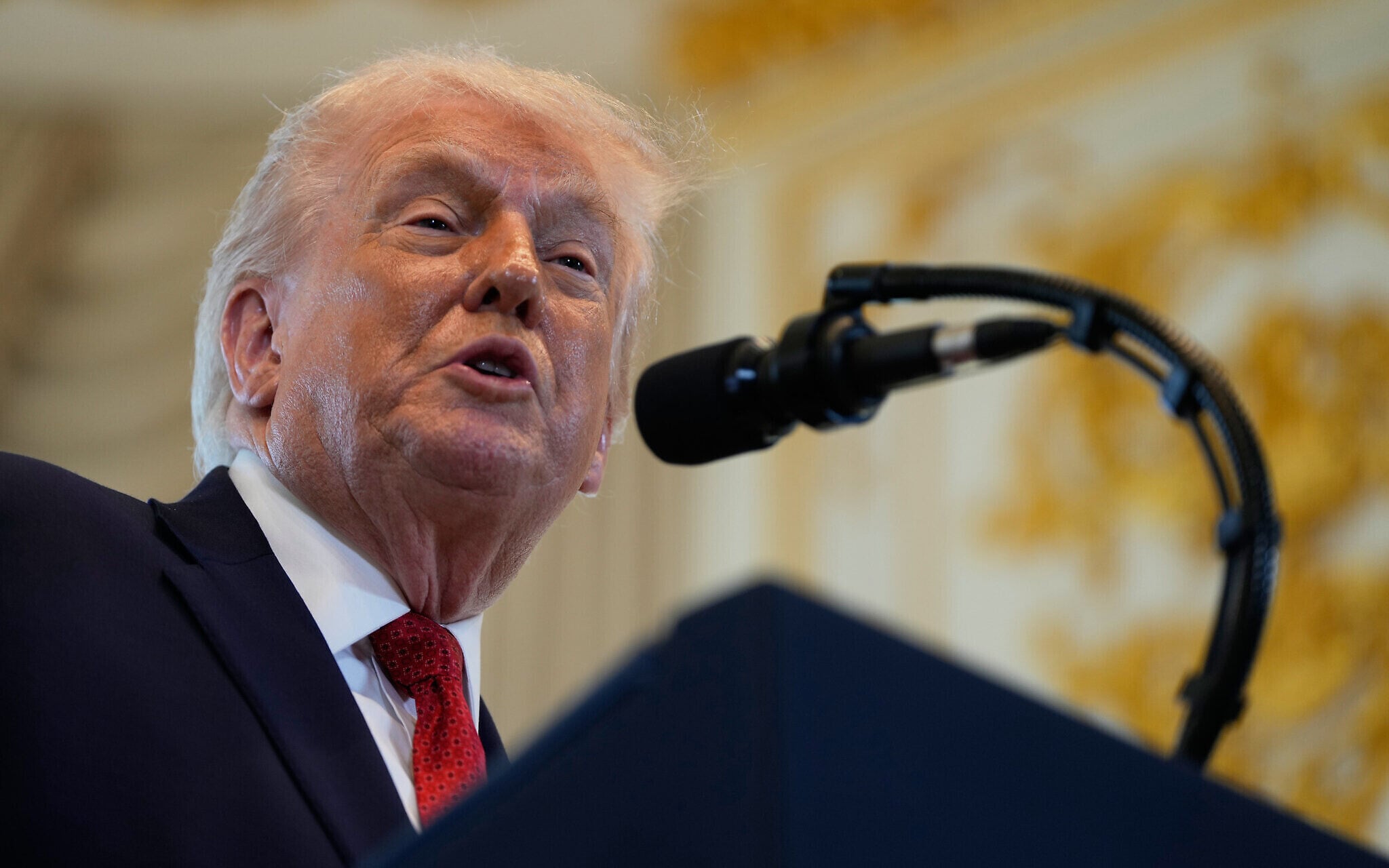
The White House on Friday unveiled the members of a key international panel that will oversee the postwar management of Gaza.
Notable members of the Board of Peace’s Gaza Executive Board include Turkish Foreign Minister Hakan Fidan, senior Qatari diplomat Ali Thawadi, Egyptian intelligence chief Hassan Rashad, UAE Minister of International Cooperation Reem Al-Hashimy and former UK prime minister Tony Blair.
The inclusion of prominent officials from Qatar and Turkey — two countries that have been highly critical of Israel’s prosecution of the war in Gaza — is likely to upset Jerusalem, but demonstrates their perceived utility to US President Donald Trump, who has touted their abilities to coax Hamas into agreeing to a ceasefire in October.
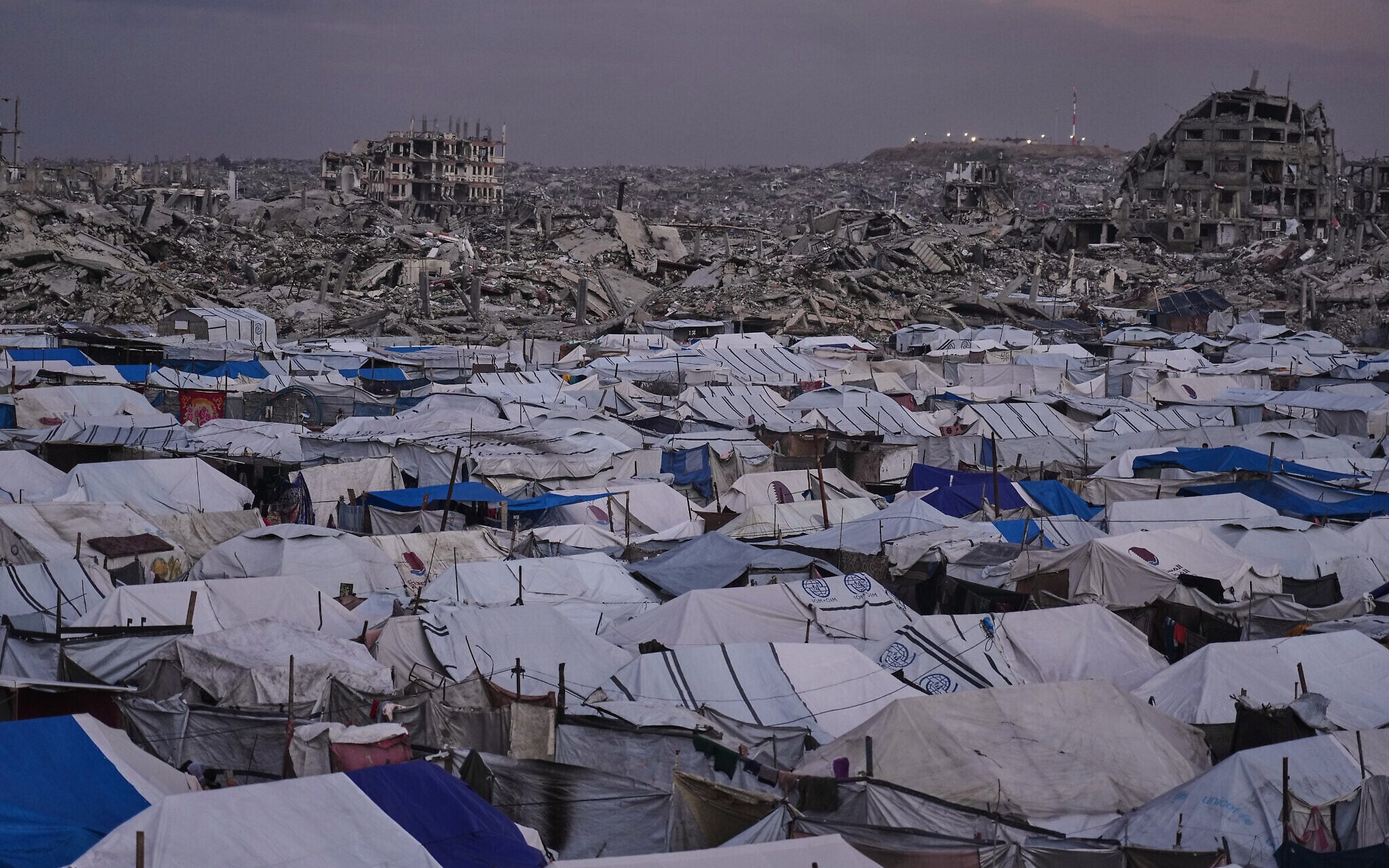
The Gaza Executive Board will oversee the National Committee for the Administration of Gaza (NCAG), a similarly new panel of Palestinian technocrats that will be responsible for providing basic services to Gazans.
It will operate under the Board of Peace, a panel of world leaders headed by Trump, which the US is aiming to unveil in the coming days. However, the Board of Peace will play a more symbolic role, with the executive committee serving as its operational arm.
Also serving on the Gaza Executive Board will be US special envoy Steve Witkoff, top Trump aide Jared Kushner, Apollo Global Management CEO Marc Rowan, Israeli-Cypriot businessman Yakir Gabay, former UN humanitarian coordinator Sigrid Kaag, and former UN envoy to the Mideast Nickolay Mladenov.
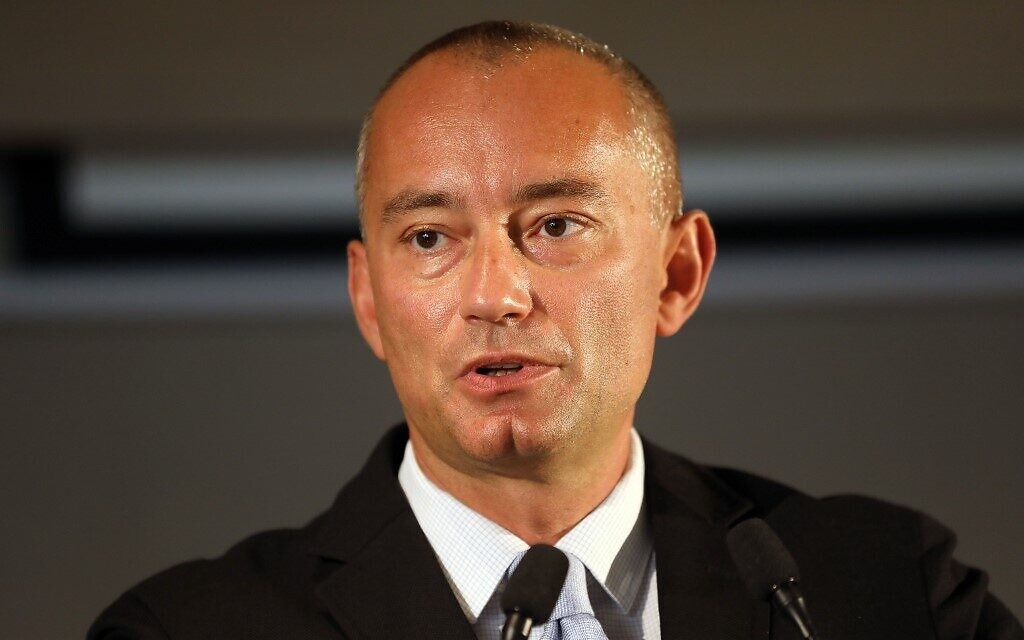
Mladenov will also serve as the Board of Peace’s High Representative for Gaza. “In this capacity, he will act as the on-the-ground link between the Board of Peace and the NCAG,” the White House said in its statement announcing the new Gaza oversight bodies.
Mladenov “will support the Board’s oversight of all aspects of Gaza’s governance, reconstruction, and development, while ensuring coordination across civilian and security pillars,” the White House said.
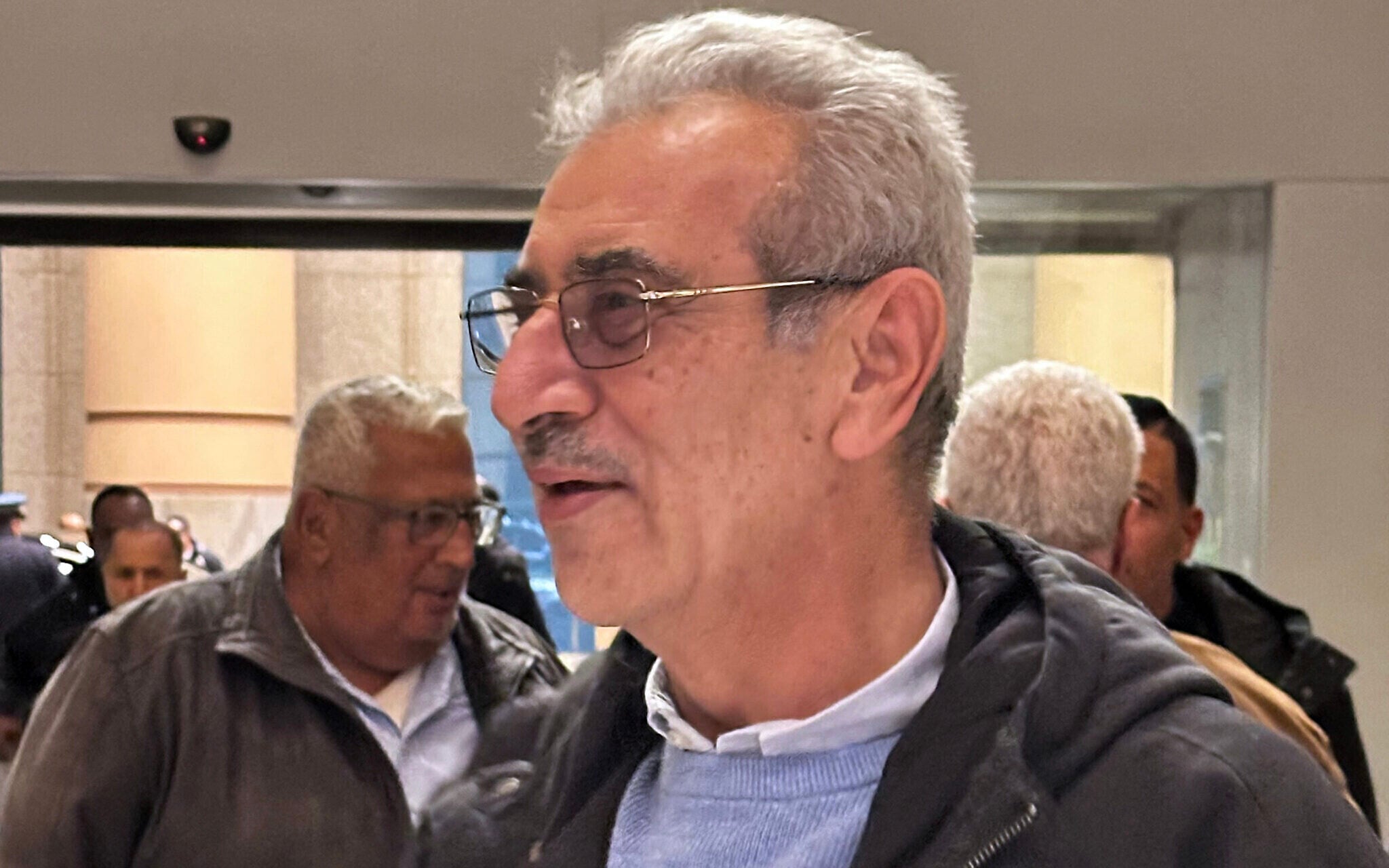
The NCAG of Palestinian technocrats held its first meeting with Mladenov in Cairo on Thursday, during which Kushner and Witkoff joined virtually.
NCAG will be headed by former Palestinian Authority deputy planning minister Ali Shaath, who the White House in its Friday announcement called “a widely respected technocratic leader who will oversee the restoration of core public services, the rebuilding of civil institutions, and the stabilization of daily life in Gaza, while laying the foundation for long-term, self-sustaining governance.”
“Dr. Sha’ath brings deep experience in public administration, economic development, and international engagement, and is widely respected for his pragmatic, technocratic leadership and understanding of Gaza’s institutional realities,” the White House said.
As for the yet-to-be-established International Stabilization Force, which will be tasked with providing security for the Strip and gradually phasing out the IDF, the White House announced that Central Command Special Operations Commander Maj. Gen. Jasper Jeffers has been appointed commander of the ISF “where he will lead security operations, support comprehensive demilitarization, and enable the safe delivery of humanitarian aid and reconstruction materials.”
Jeffers previously was a co-chairman of the Cessation of Hostilities Implementation Mechanism, which has been monitoring the Israel-Hezbollah ceasefire in Lebanon reached in November 2024.

The US had struggled to convince countries to contribute troops to the ISF board amid heavy speculation that Hamas will disarm and that the IDF will withdraw further from Gaza. One of the two countries Washington had publicly touted, Azerbaijan, announced earlier this month that it would not be participating.
US officials briefing reporters earlier this week insisted that they now have enough countries offering troops and that an announcement can be expected in about two weeks.
Moreover, one of the briefers appeared to confirm The Times of Israel’s reporting on the shrinking of the ISF mandate to more limited tasks such as securing borders and humanitarian aid, rather than kinetic activity to disarm Hamas.
“A lot of the work inside Gaza will be done by the local Palestinian police forces, which we think is the most important element of this plan, so we’ve been putting a lot of time into that,” the US official said.
Still left to unveil is the Board of Peace that is slated to meet next week on the sidelines of the World Economic Forum in Davos, Switzerland, comprised of world leaders. The Times of Israel reported last month that the US had informed interlocutors that it secured commitments from Egypt, Qatar, the United Arab Emirates, the United Kingdom, Italy and Germany to have their leaders join Trump on the Board of Peace.
“The Board of Peace will play an essential role in fulfilling all 20 points of the President’s plan, providing strategic oversight, mobilizing international resources, and ensuring accountability as Gaza transitions from conflict to peace and development,” the White House said.
“The United States remains fully committed to supporting this transitional framework, working in close partnership with Israel, key Arab nations, and the international community to achieve the objectives of [Trump’s 20-point plan for ending the Gaza war],” the White House continued. “The president calls on all parties to cooperate fully with the NCAG, the Board of Peace, and the International Stabilization Force to ensure the swift and successful implementation” of the 20-point plan.”
In addition to the Gaza Executive Board, the White House also unveiled an additional panel that it called the founding Executive Board, though it is made up largely of members from the other Gaza Executive Board and even shares the same name.
Joining Witkoff, Kushner, Blair and Rowan on this additional Executive Board are US Secretary of State Marco Rubio, World Bank president Ajay Banga and Trump’s former deputy national security adviser Robert Gabriel.
The White House said that each member of this additional Executive Board “will oversee a defined portfolio critical to Gaza’s stabilization and long-term success, including, but not limited to, governance capacity-building, regional relations, reconstruction, investment attraction, large-scale funding, and capital mobilization.”
The White House didn’t respond to requests for clarification regarding the significance of this additional committee and why it shares nearly the same name — and many of the same members — as the more essential Gaza Executive Board that will effectively be headed by Mladenov.
A source familiar with the matter told The Times of Israel that this additional Executive Board will not play a critical role in decision-making, but the White House statement said that additional members of both boards would be announced in the coming weeks.




- Israel & the Region
- Board of Peace
- Qatar
- Turkey
- Benjamin Netanyahu
- 2023-2025 Israel-Hamas war
- National Committee for the Administration of Gaza NCAG
- Ali Shaath
- Israel-Turkey relations
- Israel-Qatar relations
- Israel-UAE relations
- Israel-Egypt relations
- Nickolay Mladenov
- Marc Rowan
- Yakir Gabay
- Jared Kushner
- Steve Witkoff
- Marco Rubio
- Tony Blair
- Aryeh Lightstone
- Josh Gruenbaum
- Sigrid Kaag
- Reem al Hashimy
- Robert Gabriel
- Ajay Banga
The Times of Israel Community.