

Woman shot dead in southern Bedouin city, reportedly in front of baby daughter
Police investigating killing of Hanin al-Abeed, 30, in Rahat; legal documents say she suffered domestic abuse by several members of her family
 Add ToI as a Preferred Source on Google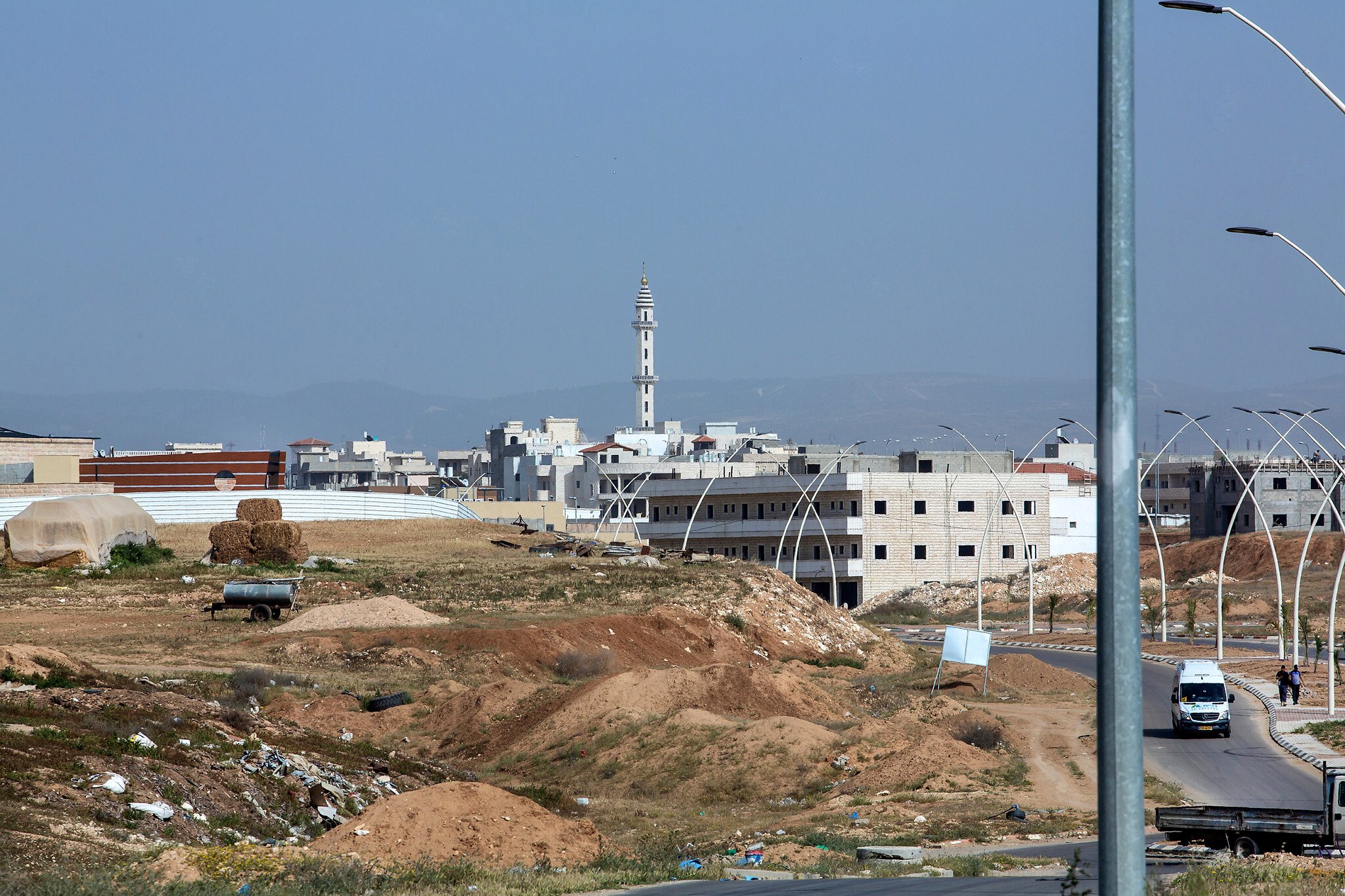
A 30-year-old woman was shot to death in the southern city of Rahat on Thursday, reportedly in front of her young daughter.
Hanin al-Abeed had previously suffered domestic abuse at the hands of members of her family, according to legal documents obtained by The Times of Israel.
Al-Abeed was forced to marry an abusive husband at the age of 16. Her husband, uncle, and father had threatened to kill her, and her brother was arrested after attempting to stab her in 2010.
Al-Abeed appeared to have then fled and rented an apartment in Rahat, a predominantly Bedouin city, and kept a low profile, possibly out of fear of being tracked down by her family. At some point, she gave birth to a daughter.
According to Rahat mayor Fayez Abu Sahyaban, Abeed was “unknown” to the local authorities in the tight-knit city.
“We don’t know how long she was living in the city. She was not registered with any of the local bodies. She seemed to live alone with her child, but much is unclear,” Abu Sahyaban said.
“There’s a lot of weapons in the Arab community, and especially here in Rahat…I hold the police responsible for the spread of such weapons. Israel has powerful intelligence apparatuses. They know who has illegal weaponry, whether in Sakhnin, Umm al-Fahm — or in Rahat. We want them to come and do their jobs,” Abu Sahyaban said.
Court filings unearthed by Haaretz dealing with the 2010 arrest of al-Abeed’s brother’s arrest may shed some light on how she ended up there.
Born in Lod, al-Abeed was married by the age of 16 to a 44-year-old man. He regularly beat her — once even breaking her hand — leading al-Abeed to turn to the police, who arrested him.
After her husband’s arrest, al-Abeed was taken to a shelter for abused women. Her husband threatened to kill her once he was released from prison. Eventually, al-Abeed fled that shelter as well.
At one point, al-Abeed told investigators, her father sent her uncle Abdullah to find her. Al-Abeed hid in the home of sympathetic relatives and eavesdropped as he visited. Abdullah demanded her relatives tell al-Abeed to return home because “her family] wants to kill her.”
Her brother Ayman later found her near the Lod train station. He chased her down the street, yelling, “Stop, you whore!” and attempted to stab her with a knife, the documents said. Al-Abeed fled to a local police station for help.
Ayman al-Abeed was arrested, but when police pushed her to press charges against her father as well, she refused. She also refused to testify against her brother, fearing even harsher and more uncompromising retribution.
Her brother accepted a plea bargain of seven and a half months in jail from the day of his arrest. Hanin’s refusal to testify was a key factor in the judge’s decision to uphold the plea. The judge also said that Ayman had “taken responsibility” for his actions.
And there the public record ends — until Hanin al-Abeed was shot to death in Rahat on Thursday night.
Police have opened an investigation, but no arrests have been made and no suspected motive was announced.
Thirteen Israeli women were murdered in 2019 by someone known to them. In 2018, 25 women were murdered in such incidents, the highest number in years, prompting a string of protests and urgent calls for authorities to take action against the increasing incidence of violence against women in Israel. Many of those women, fearing for their safety, had already filed police complaints before they were killed.
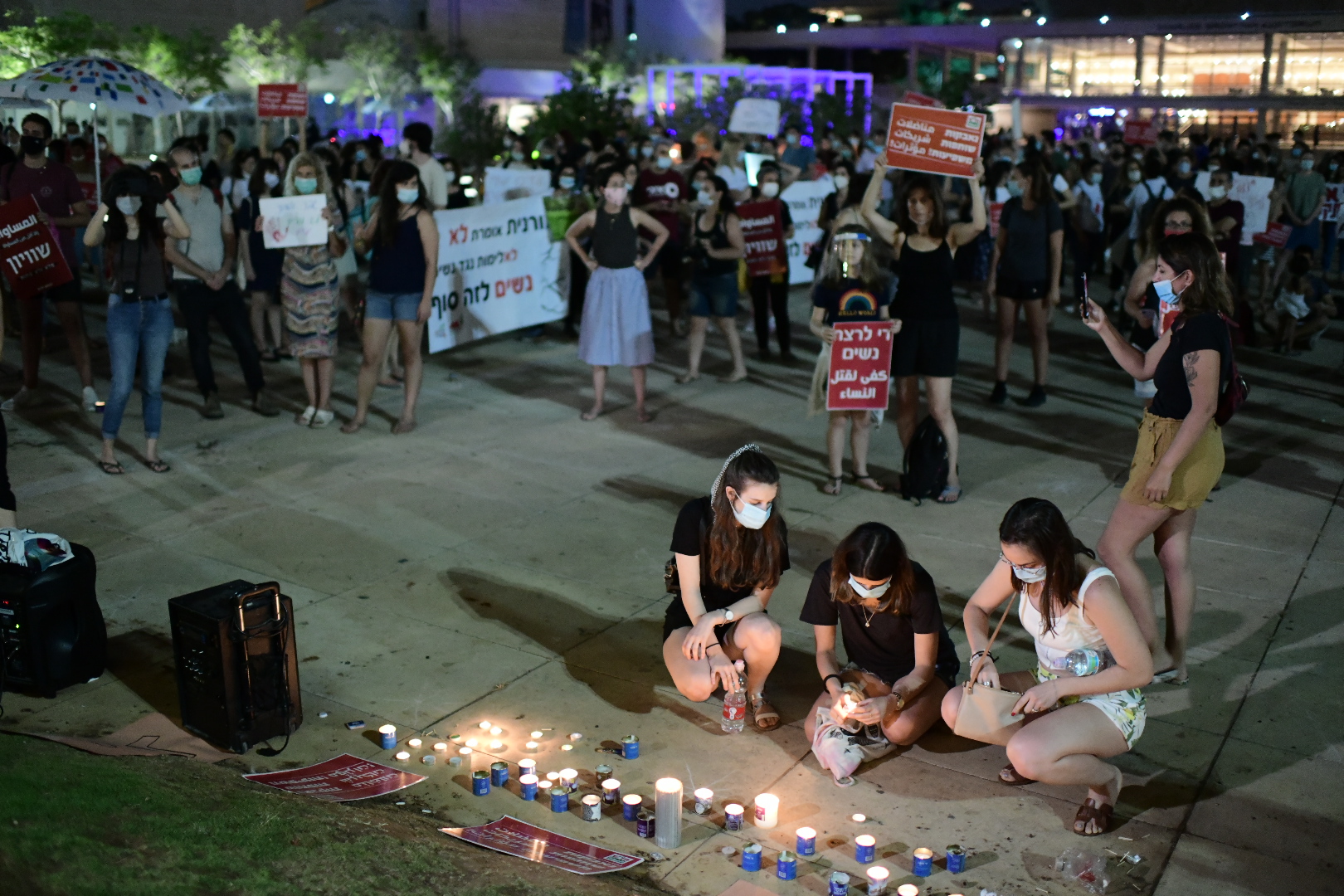
Al-Abeed’s death also reflects what Arab parliamentarians and civil society organizations call a deadly plague of violence in their community. Many Arab Israelis decry lawlessness in their towns and cities, where firearms and organized crime proliferate.
Many Arab Israelis report feeling a deep sense of personal insecurity — a sentiment reflected in the 57 murders which took place in Arab Israeli communities in 2020, according to the Abraham Initiatives.
This year seems poised to be even bloodier than 2019 — until now by far the most violent year on record. On this day in 2019, 55 murders had taken place since the start of the year.
Guns are responsible for the vast majority of deaths among Arab Israelis this year — 45 out of 57. Illegal firearms, mostly stolen from IDF reserves, are widespread in Arab society. Arab MKs and civil society organizations allege that the police do not enter their communities to confiscate the weapons, and have proposed harsh penalties for illegally possessing a gun.









The Times of Israel Community.