

Fear and deadlock in Geneva
Not a lot of progress so far in talks with Iran, but that doesn’t stop the Israeli press from reminding readers exactly what’s at stake
 Add ToI as a Preferred Source on Google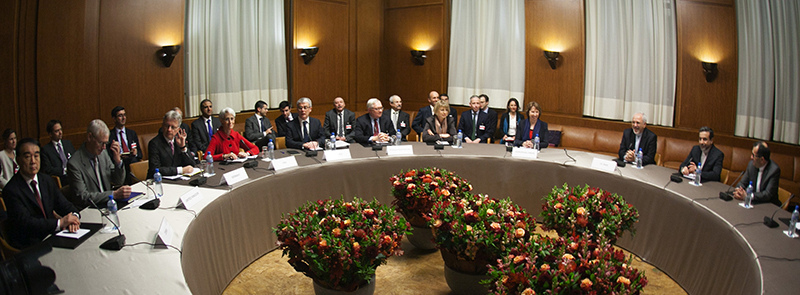
High expectations have surrounded the current round of nuclear talks between the West and Iran taking place in Geneva. But after the second day with no agreement, the Israeli press takes a moment to simultaneously report and scare.
Maariv leads off its coverage with an article that states the holdup in the talks is that an agreement is waiting for approval from Iranian Supreme Leader Ayatollah Ali Khamenei. What does the supreme leader need to approve? Apparently on the table is that an interim agreement would not be limited by time (previously, it was going to be in place for six months); and, in exchange for an agreement, 20% of the sanctions would be removed. The paper also mentions that the French have made a U-turn on their insistence to halt construction on the heavy water reactor at Arak, an about-face that the paper credits — or rather debits — as “paving the way to an agreement.”
With the reporting on the P5+1 talks out of the way, Maariv includes an article that rattles the sabers. The former head of the IDF’s Military Intelligence, Aharon Zeevi Farkash, gives an interview to the paper where he states that “it’s not enough that Iran knows we have the power [to attack] — they should also be afraid.” Despite the tough talk, Farkash says that Israel and the US need to get on the same page — and quickly — or else Israel will find itself isolated in the international community.
Israel Hayom starts out with an article saying that Iran wants “only to take and not to give.” Aside from a general update of what has happened so far in Geneva, the paper includes in its coverage the statement by an unnamed senior White House official, who claimed that “Israel’s position would lead to war.”
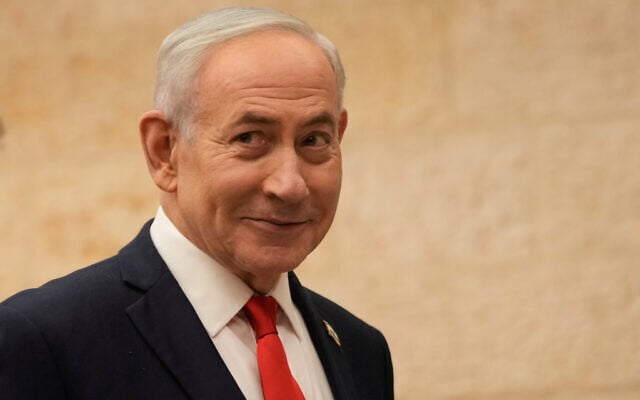
Meanwhile, the paper reports that Israel is still fuming at Khamenei’s speech on Wednesday where he called Israel a “rabid dog.” The daily uses a quote from Prime Minister Benjamin Netanyahu, who is currently in Russia for meetings with Vladimir Putin, as its headline: “Don’t be confused — the real Iran wants our destruction.” The PM goes on to talk tough to Iran — “This is the real Iran. We are not confused. They should not have a nuclear weapon, and I promise that they will not have nuclear weapon.”
Haaretz uses the term “deadlock” in reference to the talks in Geneva, as the Iranians have stood firm on their desire to enrich uranium. Also a sticking point is the Iranian insistence to first have sanctions eased on its banking and oil industries, something the West wants to delay.
Aside from the nuclear talks, Haaretz includes a feature on how the Iranians are “Still waiting for Rouhani.” The promises of a left-leaning president have yet to pan out; the article highlights the elimination of women from sports; not removing the ban on women studying 77 subjects in universities; and the arrest of a liberal editor of a newspaper. The paper cites critics who are already disappointed with Rouhani. The piece concludes with a question that has been asked before, but has gone answered: “While the supreme leader continues to provide backup to Rouhani on the nuclear issue, the big question mark remains: What will he decide to do after the sanctions are removed? Will he start to trip up Rouhani and strengthen the foundations of the Islamic Revolution, or try to please the young in Iran?”
Golan fights
Only one paper stayed local and didn’t focus on the nuclear talks in Geneva. Yedioth Ahronoth put the Eyal Golan sex scandal on its front page and dedicated three pages (and four opinion pieces) to all the sordid details. Part of the coverage focused on the actions of Danny Biton, Golan’s father, who allegedly used the singer’s fame to bring him the underage girls. Golan turned on his father, saying that he was disgusted by his actions. One of the fathers of the underage girls lashed out at Golan: “He acts like he’s the Saudi king, sending out his father to bring him young girls. I had no idea this could even occur in Israel. It is absolutely disgusting.”
The paper also commissioned a survey about the scandal: 70 percent of the respondents didn’t believe Golan when he said he didn’t know the girls’ ages. Just over 40% of the people thought that Golan is the person centrally responsible for the scandal (while 33.1% think it’s his father). One of the more bizarre questions in the survey was “What’s your opinion about a star who has sexual relations with underage groupies?” Almost everyone (91.1%) obviously responded, “It’s wrong and completely unacceptable,” although 0.5% did respond that “stars can do what they want.”
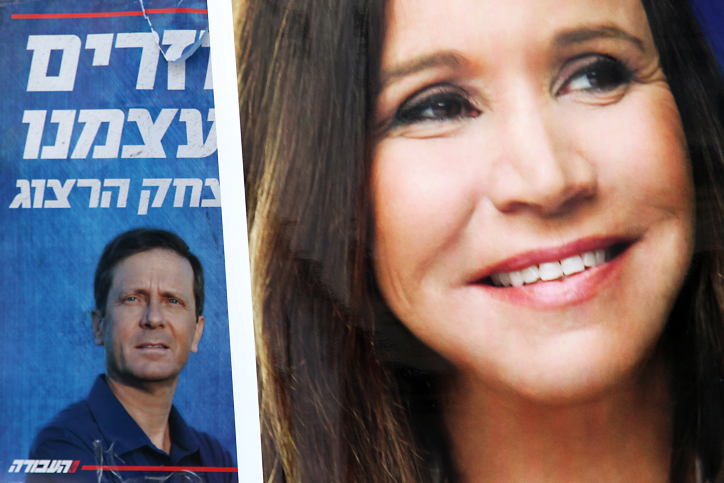
When the papers went to bed, the battle for the Labor leadership was not yet decided (spoiler: Isaac Herzog won), but it didn’t seem to matter — the media seemed pretty bored by the whole affair and apparently the public was too. Each paper highlights the low voter turnout, and not one paper focuses on any policy differences between the two. Haaretz noted that perhaps the one surprising moment in the primary was when the two candidates — Shelly Yachimovich and Isaac Herzog — almost ran into each other at the same polling station.
Over on the right, Maariv reported that, despite the recent chill between the Likud party and its partner, Yisrael Beytenu, the latter is expected to stay with Likud — for the time being. The paper informed its readers that the party held a closed-door meeting over whether or not it should split from the Likud. And, although differences arose, apparently the majority of the party members chose to stay with the Likud. Part of the reason is the fear that, without the Likud, Yisrael Beytenu won’t be able to maintain the amount of Knesset seats that it now holds.





The Times of Israel Community.