

As Iran war diverts attention from Gaza, Hamas police openly tighten grip on Strip
Footage shows the terror group’s civil force patrolling in the open and no longer hiding their faces, as they operate to control food prices amid shortages and allegedly stamp out critics

 Add ToI as a Preferred Source on Google
Nurit Yohanan is The Times of Israel's Palestinian and Arab world correspondent
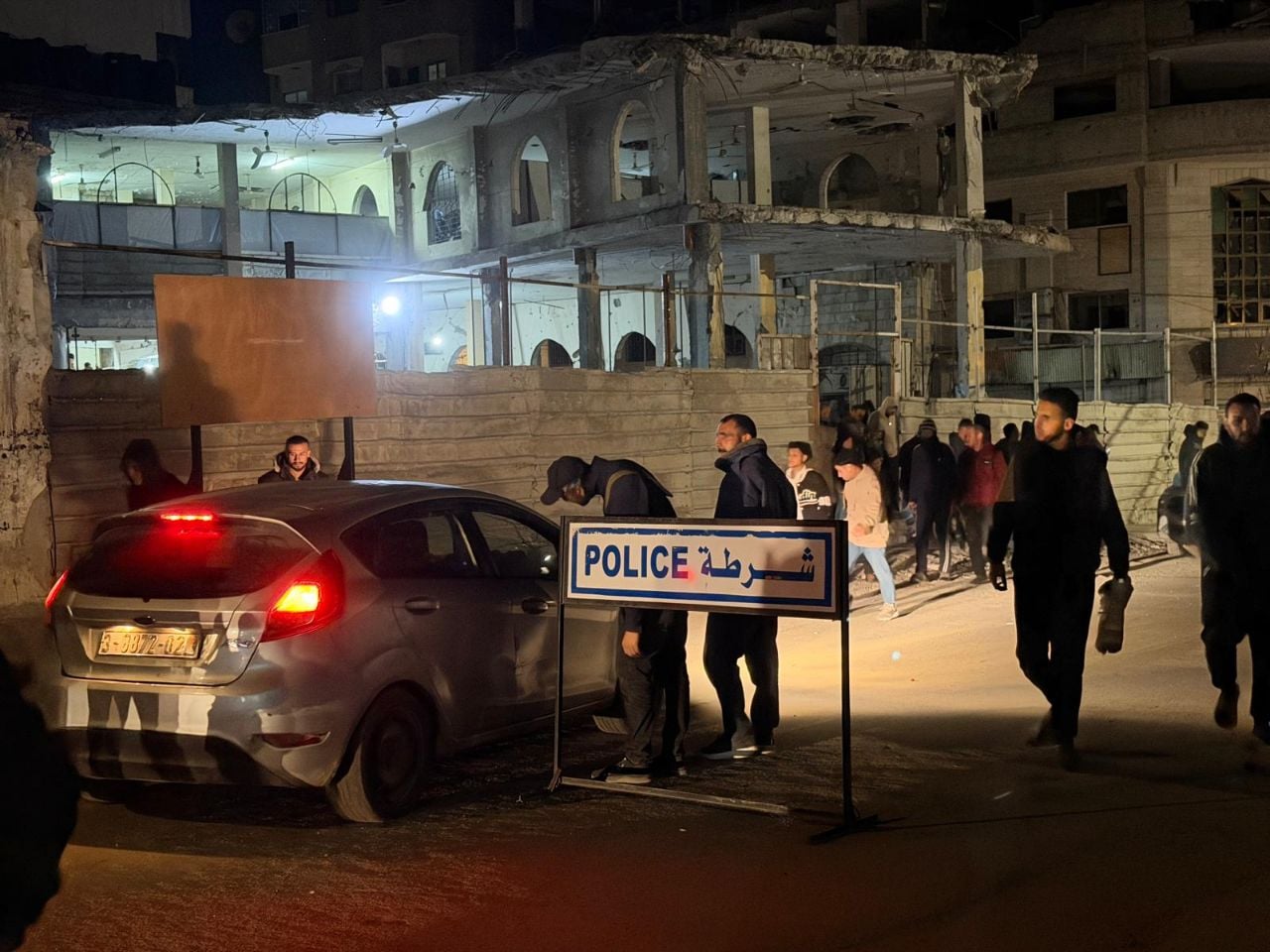
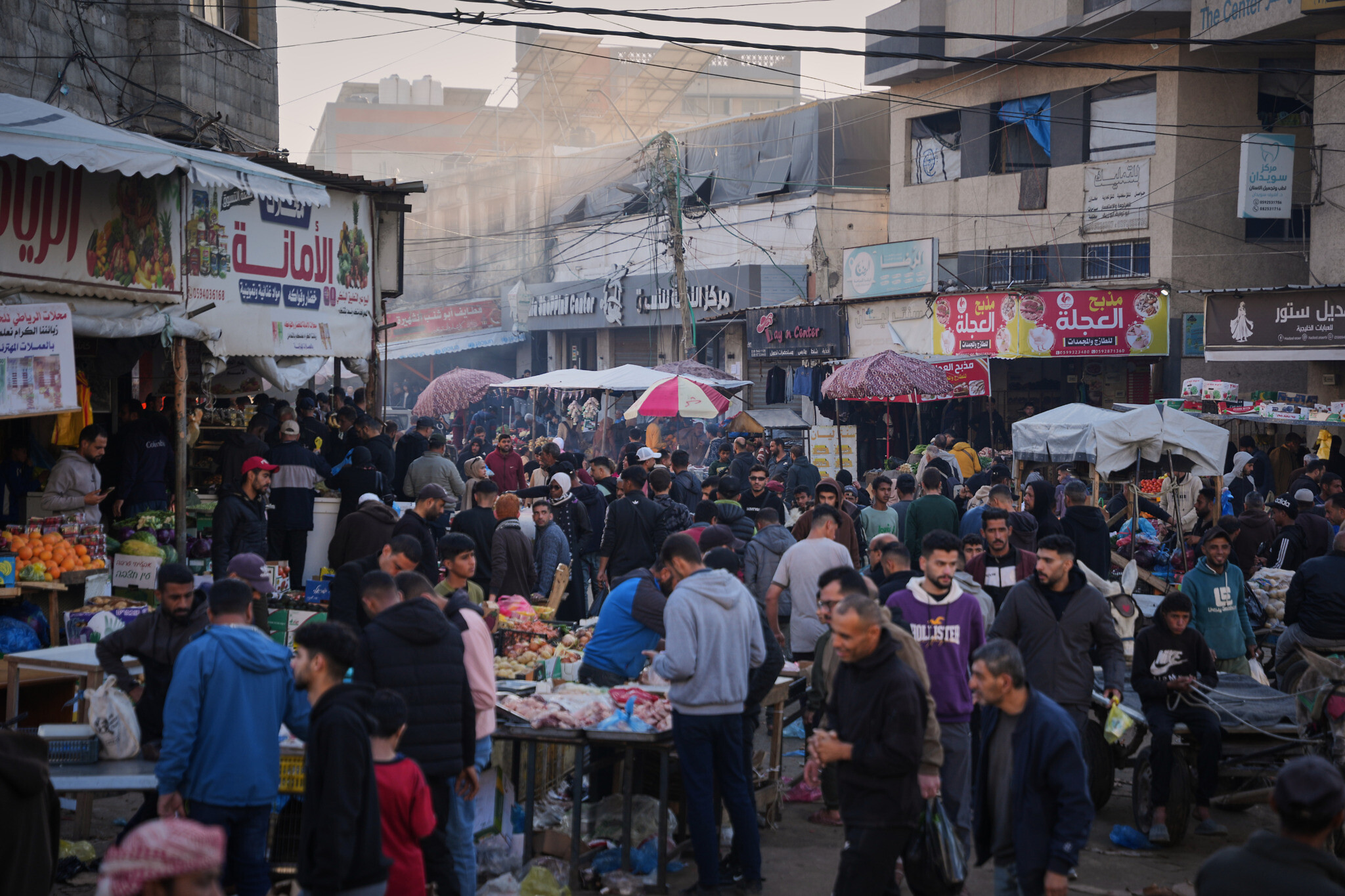
A few days ago, police working under Hamas who were patrolling a market in Gaza City came upon a vendor who was selling tomatoes for the wildly inflated price of NIS 25 per kilogram, or about $3.60 a pound.
The officers seized the produce, citing a law against price gouging meant to protect Gazans amid a reduction in goods entering the Strip since the outbreak of the war in Iran on February 28, according to Anas Arafat, a Gaza City resident who witnessed the incident.
“I saw them confiscate tomatoes that were being sold for 25 shekels per kilo. They then sold them for 10 shekels per kilo — the price before the war — and even then they did not allow people to buy more than a kilo,” he told The Times of Israel in a phone interview.
With attention in Israel and the region largely on the war in Iran and fighting in Lebanon, Hamas security forces in Gaza have stepped up their visibility in Gaza over the last two weeks, according to locals who spoke with The Times of Israel and corroborated by footage circulating in the enclave.
Alongside Hamas’s increased presence have also been reports of rising violence against Gazans, as the terror group ostensibly holding the enclave seeks to reassert power.
Hamas itself has publicized some of this itself. On March 10, the group’s Interior Ministry released images of Hamas police, whom it said were “checking commodity prices in Gaza and taking strict measures against traders who violated the law.”
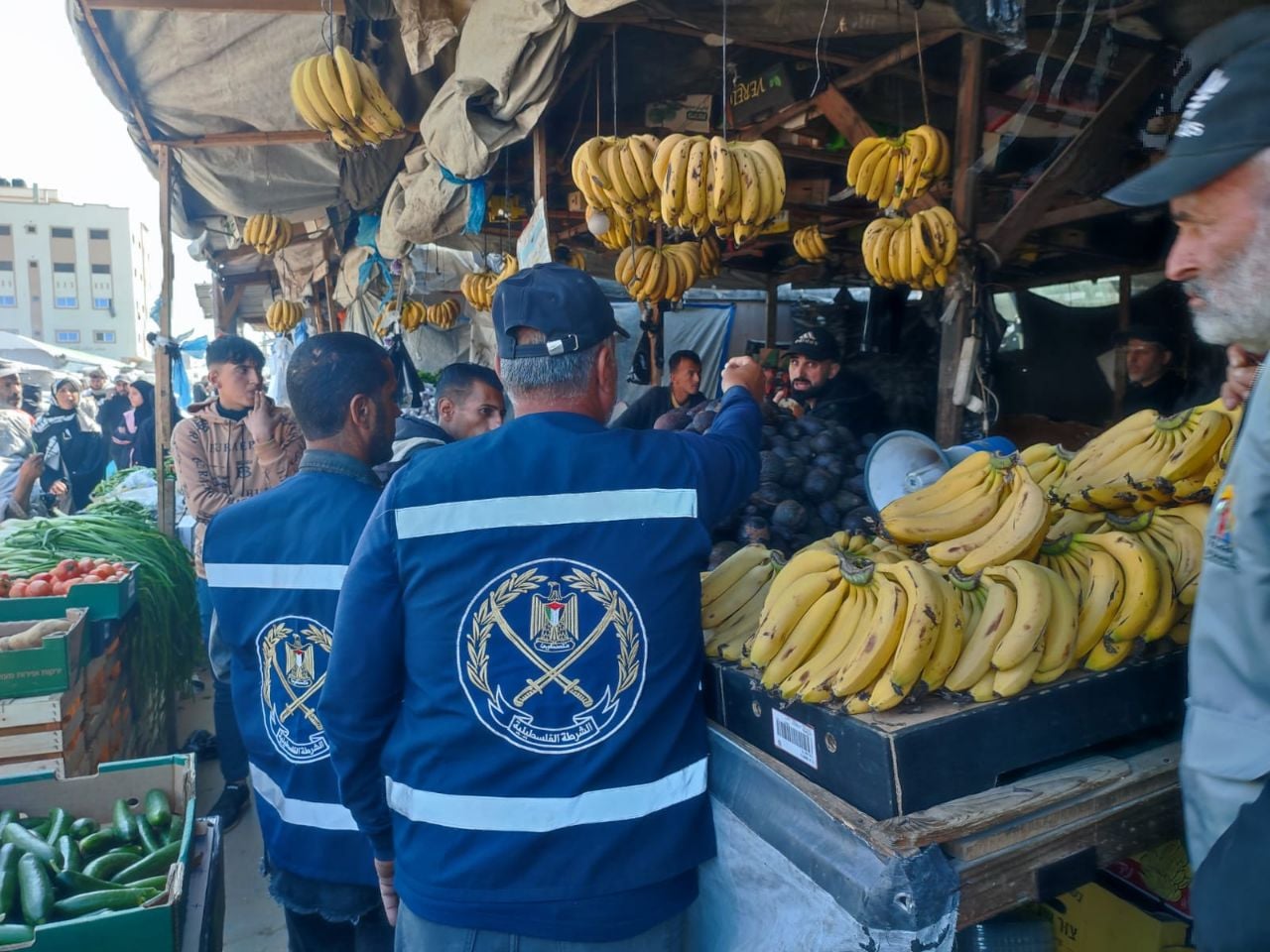
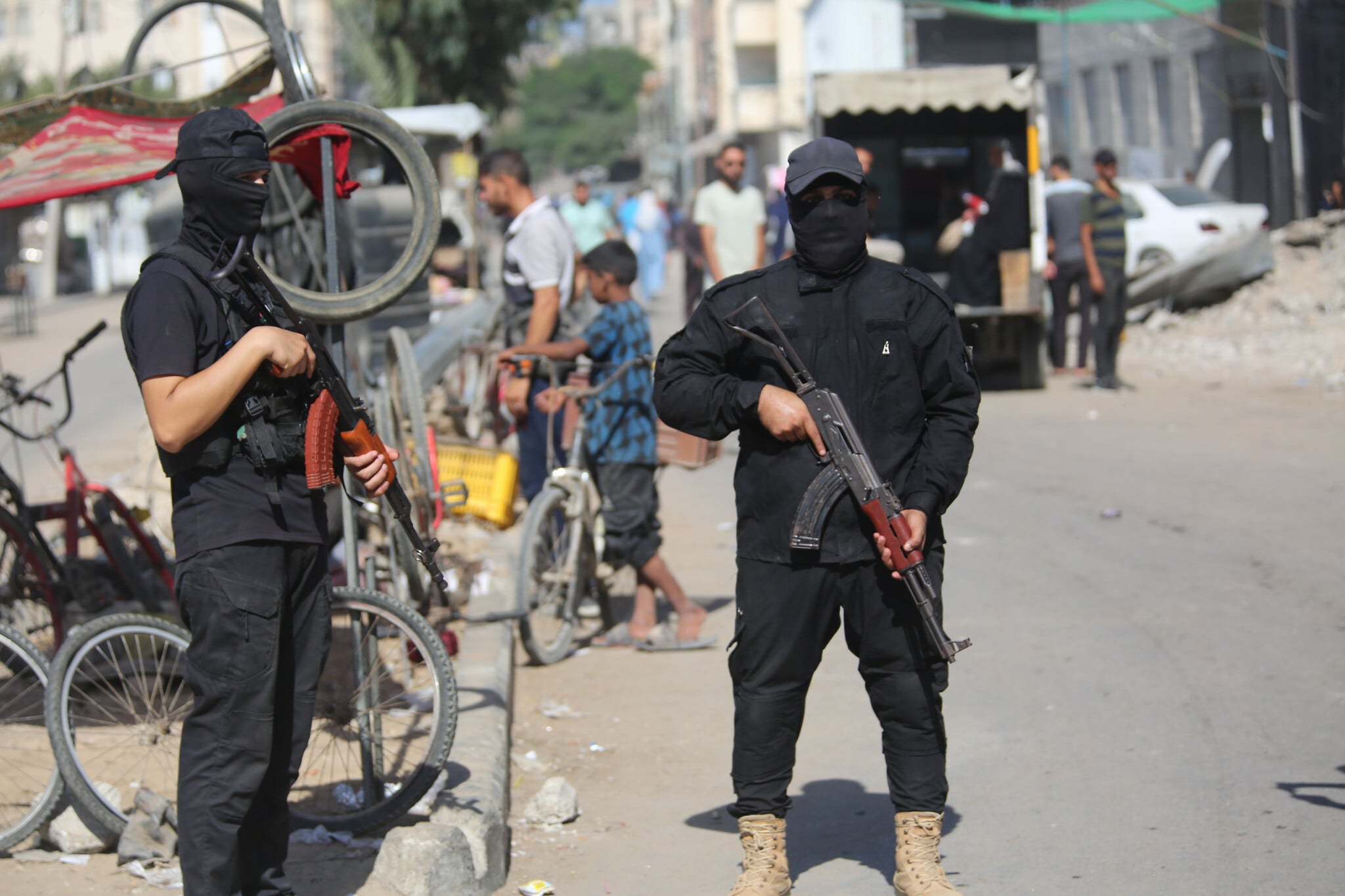
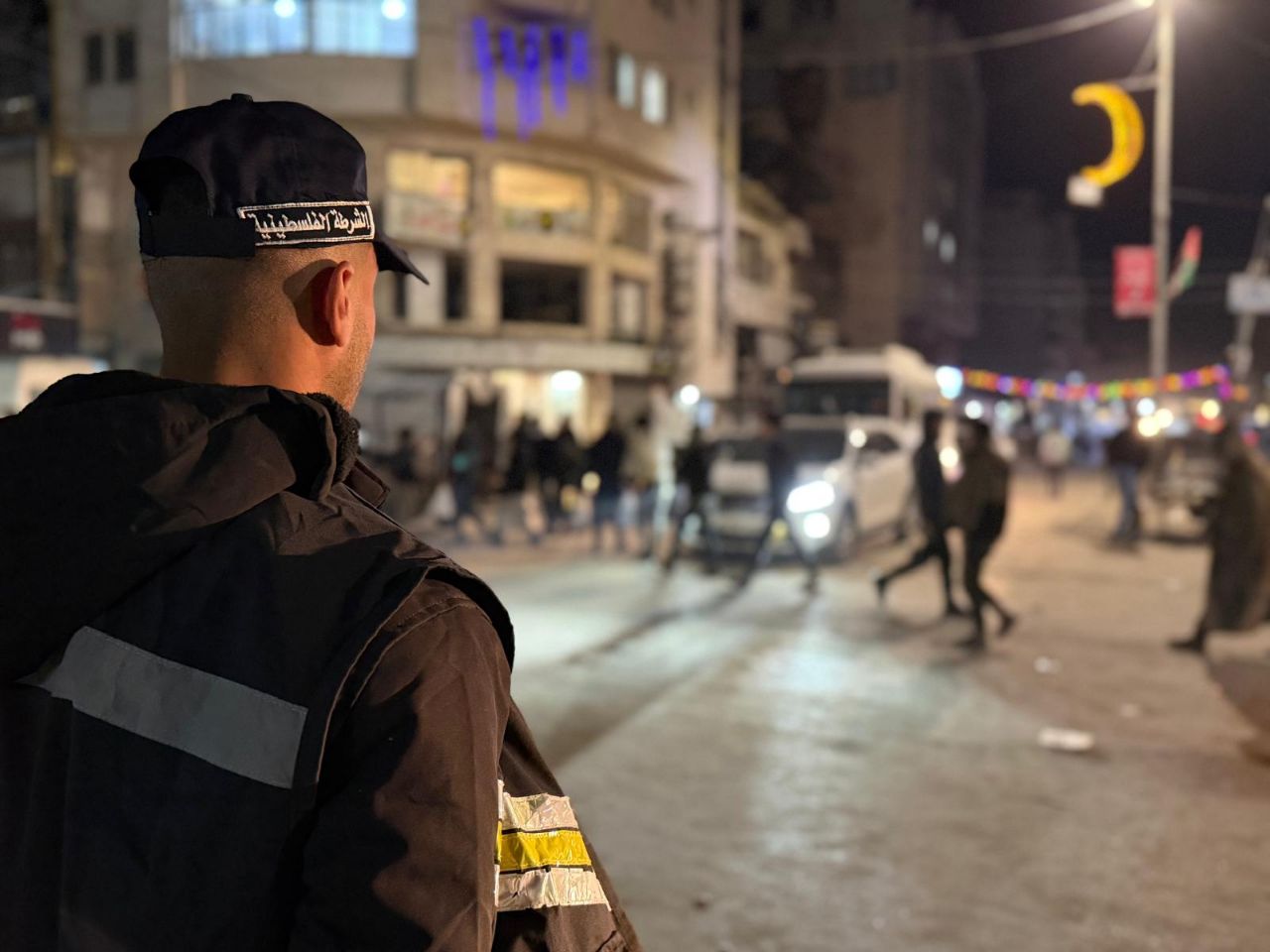
In the photographs, the officers appear in uniform, and some have their faces uncovered. This is in contrast to footage from immediately after the October 2025 ceasefire, when armed policemen were often seen in civilian clothing and wearing face coverings.
Now, Hamas no longer appears to fear showing its face. Meanwhile, residents who previously spoke to foreign media by name now demand anonymity. They did not explicitly explain why, though one said he “does not want problems,” hinting at fears of repercussions from Hamas.
Price police
Behind the stepped-up price enforcement lies a reduction in the amount of food entering the Strip since the start of Israel’s campaign against Iran.
At the outset of the war, Israel closed the crossings into Gaza. According to a statement from the Coordinator of Government Activities in the Territories (COGAT), the move was taken “in light of the missile threat and the declaration of a state of emergency and public restrictions in Israel – in order to prevent risk to human life.” The crossings remained shut for several days.
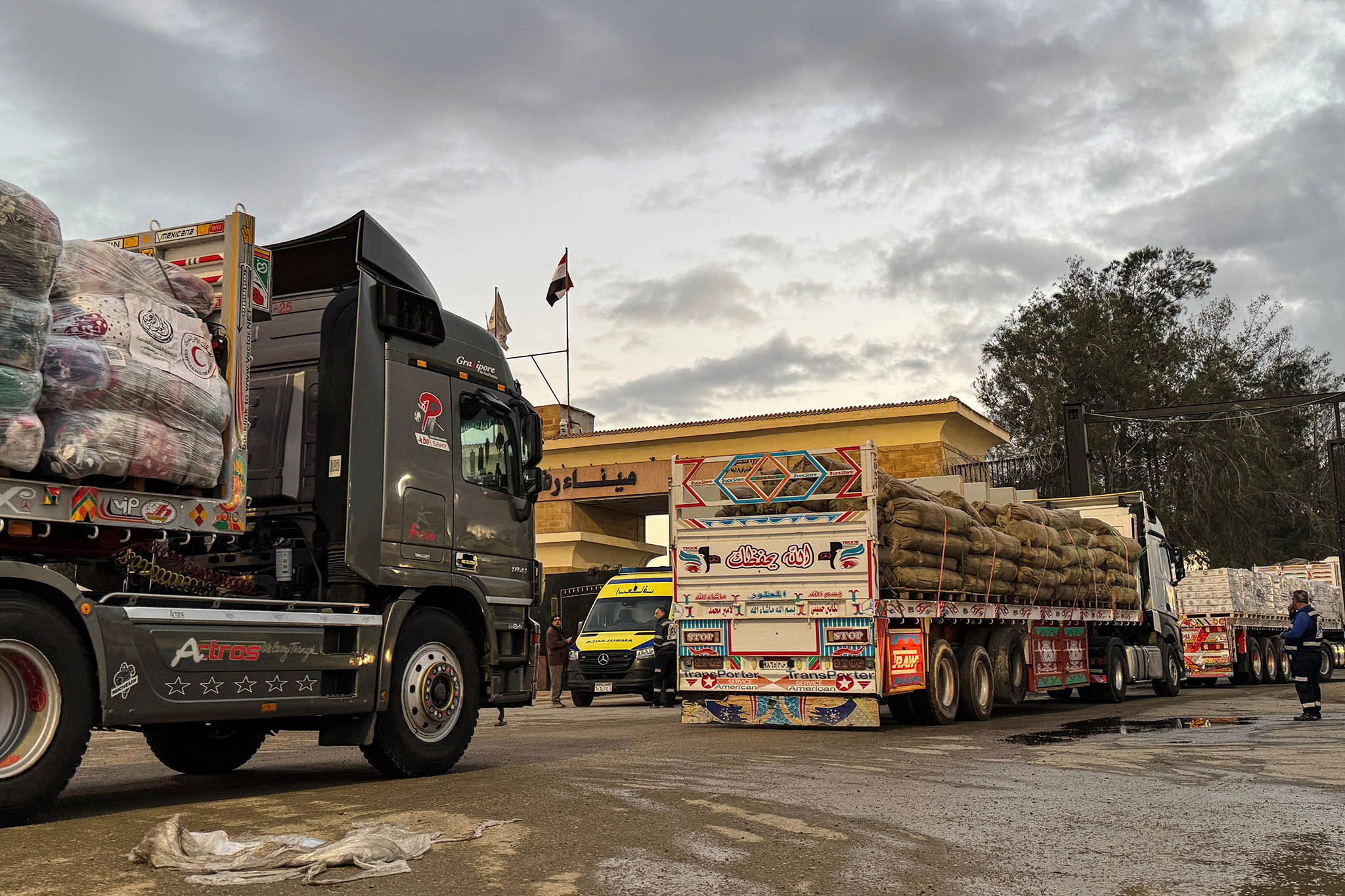
In response to a query from The Times of Israel, COGAT said the terminals were gradually reopened. Both humanitarian and commercial goods have been entering the Strip, though it’s unclear how much.
On March 10, COGAT said on its X account that goods were entering Gaza daily. However, COGAT officials acknowledged to The Times of Israel that in recent weeks only several hundred trucks per day have been entering — a lower figure than before the Iran war. They did not provide an exact number.
According to UN data on humanitarian goods entering Gaza through affiliated organizations, 879 truckloads were offloaded at border crossings between March 1 and March 17, 410 of which were moved to distribution points inside the Strip.
The numbers are a sharp drop from the over 1,500 trucks offloaded between February 1 and February 17, 1,413 of which reached distribution points.
COGAT asserts that there is “sufficient humanitarian aid in Gaza for residents.”
However, Gazans who spoke with The Times of Israel described sharp increases in food prices, particularly for produce. One Gaza City resident said potatoes had gone from NIS 3 per kilogram (about $0.43/lb) to NIS 20-30 per kilogram ($2.90-4.35/lb).
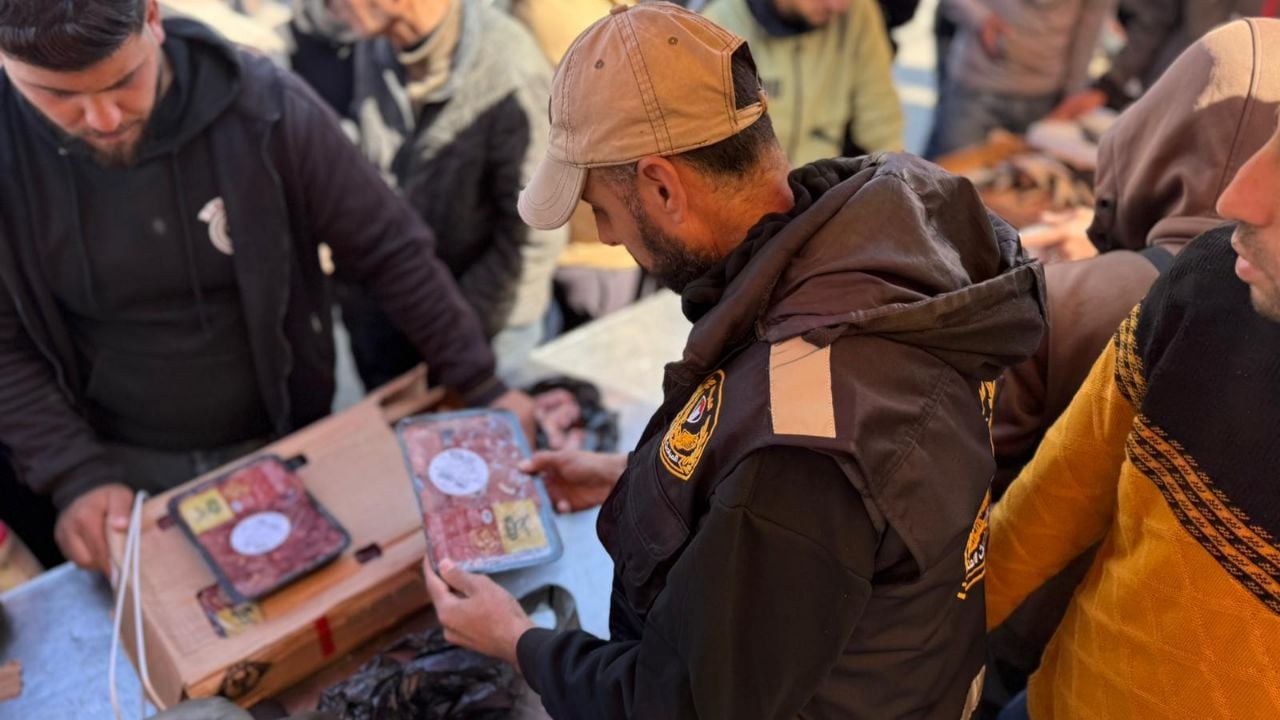
But other items aren’t on shelves at all. The Gaza City man said he and his family had not eaten meat since the start of the Iran war due to a lack of availability.
“Only yesterday did red meat start entering Gaza, but even then it was expensive — 37 shekels per kilo, compared to 10 shekels per kilo before the war,” he said on Tuesday.
He added that the shortages are especially difficult ahead of the upcoming Eid al-Fitr holiday marking the end of Ramadan, which is set for this weekend.
He described Hamas police patrolling the streets as part of efforts to control prices.
Beyond enforcing price controls, Hamas is also managing the distribution of goods arriving from outside the Strip via Gaza’s economy ministry, which it controls.
On March 16, the ministry said that “in emergency and extreme situations, it adopts regulatory measures, including monitoring and limiting sales points, in order to protect consumers, ensure equitable distribution, and combat monopolies.”
The levers of control potentially give Hamas the power to ensure that goods go to loyalists, while also enabling it to take a cut of sales and distribution, though there is no evidence that this is occurring.
In November, reports emerged that Hamas had resumed imposing taxes on Gaza residents. However, a Gazan familiar with economic conditions in the Strip who asked to remain anonymous rejected claims that an organized tax collection system is currently in place.
According to him, the situation in the Strip remains too chaotic to allow for such structured taxation.
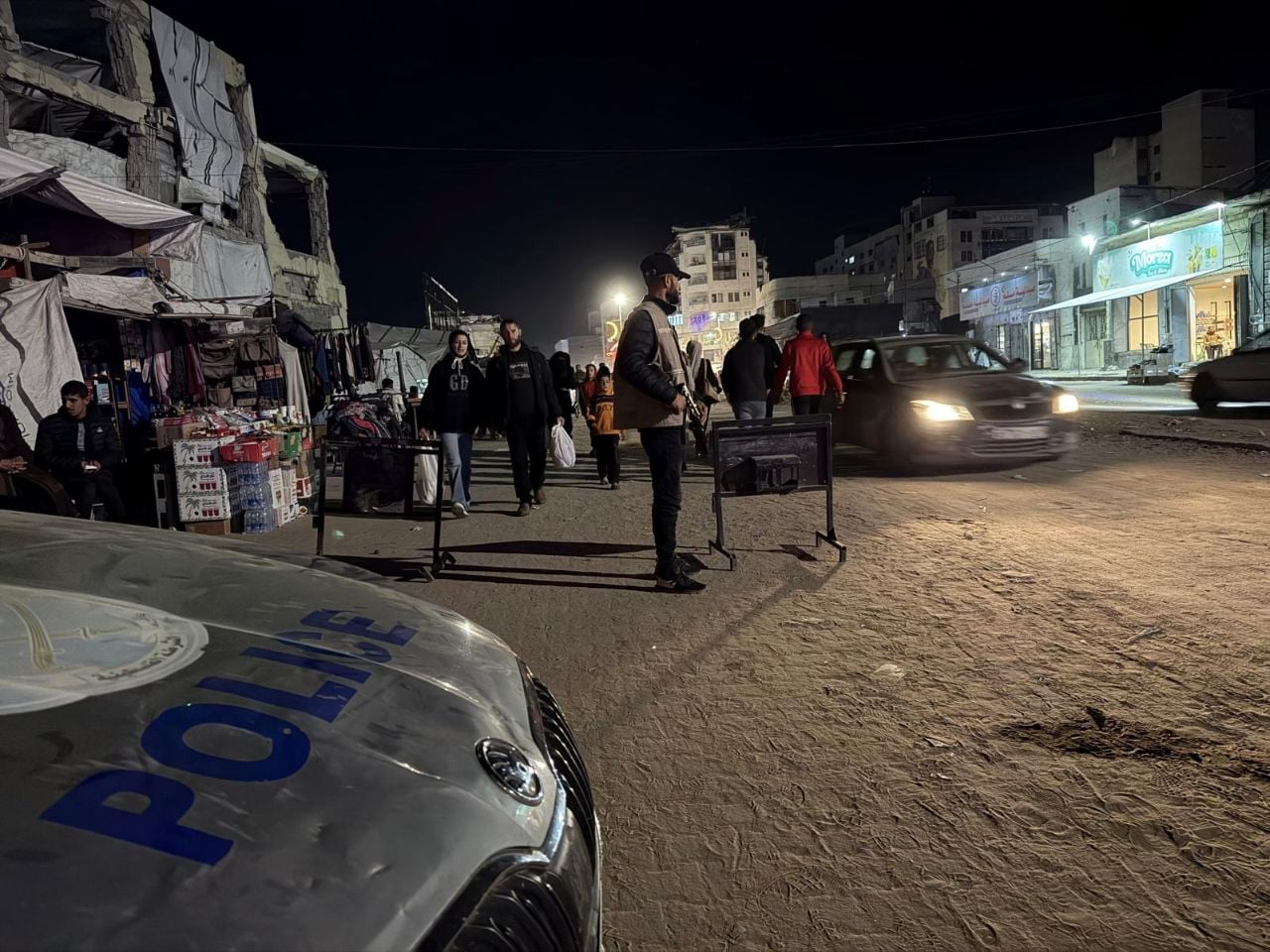
On March 12, footage published by Hamas also showed police officers deploying across the Strip’s streets at night during Ramadan, when there is increased movement and commercial activity after dark. In the video, a police vehicle could be seen that appeared to be new.
Violent repression
Under the ceasefire, Hamas’s civil governance of Gaza is supposed to be replaced by a committee of Palestinian technocrats operating under US President Donald Trump’s Board of Peace.
However, most members of the committee live outside of Gaza and have been unable to enter the Strip. Media reports have claimed that Israel is preventing them from entering.
According to those reports, Israel has also blocked the recruitment of Gaza-based civil servants for the new administrative mechanism.
Testimonies from Gaza residents indicate that the committee has yet to assume any responsibility for day-to-day governance in the Strip.
Under the Trump plan, the technocratic government would be supported by a temporary International Stabilization Force that would work alongside a “newly trained and vetted Palestinian police force.”
The technocratic body announced last month that it was opening applications for “qualified candidates” seeking to serve in a “transitional police force” to be deployed in the Strip.
This came amid reports that Hamas members could continue to police Gaza as part of the newly installed civil security framework, though diplomats have told The Times of Israel that neither Egypt nor the European Union — which have both been preparing to train Palestinians for deployment in the force — would train any Hamas-affiliated officers.
Hamas is reportedly seeking to integrate its roughly 10,000 police officers into the force, and is also thought to have prepared to furtively hold power by moving senior members of its armed wing into civilian leadership roles expected to become part of the Strip’s future governance.
Gazans who spoke with The Times of Israel said they understood the need for Hamas to have police out so the Strip does not descend into lawlessness.
“The war is already over, and Israel knows they are in control,” said the Gaza City man.
But Gazans say that police activities have included creating a climate of fear in the Strip.
In recent days, reports have circulated on social media of several incidents of violence by Hamas police against Gazans, one of which reportedly ended in death.
On March 10, the family of Asaad Abu Mahdi from the Nuseirat refugee camp announced that he had been shot dead by Hamas personnel at a police checkpoint.
“The ease with which Hamas and its members kill Gaza residents and cause their deaths cannot be described,” Gazan Hamas critic Karim Joudeh wrote on social media in reaction.
Several days later, reports emerged that Hamas shot and wounded a Deir al-Balah resident, Muhammad Abu Omara.
Because such incidents are not officially reported and rarely appear in local media outlets aligned with Hamas, it remains unclear why those individuals were targeted.
There are indications, however, that the group is using its police to crack down on dissent. In one instance, a man named Ashraf Nasser Saleh was reportedly beaten by Hamas members after expressing support for peace with Israel on social media and in public.
Ahmed Fouad Alkhatib, a Gazan critic of Hamas who lives in the United States, said on March 11 that Saleh, whom he had contacted through intermediaries, had been released from the hospital and was attempting to leave the Strip with his family for his own safety.
Hamas itself appeared to indirectly acknowledge the existence of such operations. After an Israeli strike on a police vehicle on March 15, Gaza’s Hamas-run interior ministry announced that nine policemen were killed, including the head of a police unit in central Gaza tasked with keeping the Strip’s population in line.
Israel said it targeted the group because it included policemen who had taken part in the October 7, 2023, attack.
‘Hamas is the one on the ground’
Israel has demanded that Hamas disarm before there is any movement on rebuilding Gaza, a demand some claim has delayed the technocratic committee from being able to take over.
Such conditions would not align with the ceasefire agreement, which separates the committee’s civilian governing role from the issue of disarmament.
Reports indicate that Israel has identified efforts by Hamas to rebuild its military capabilities as it resists disarming.
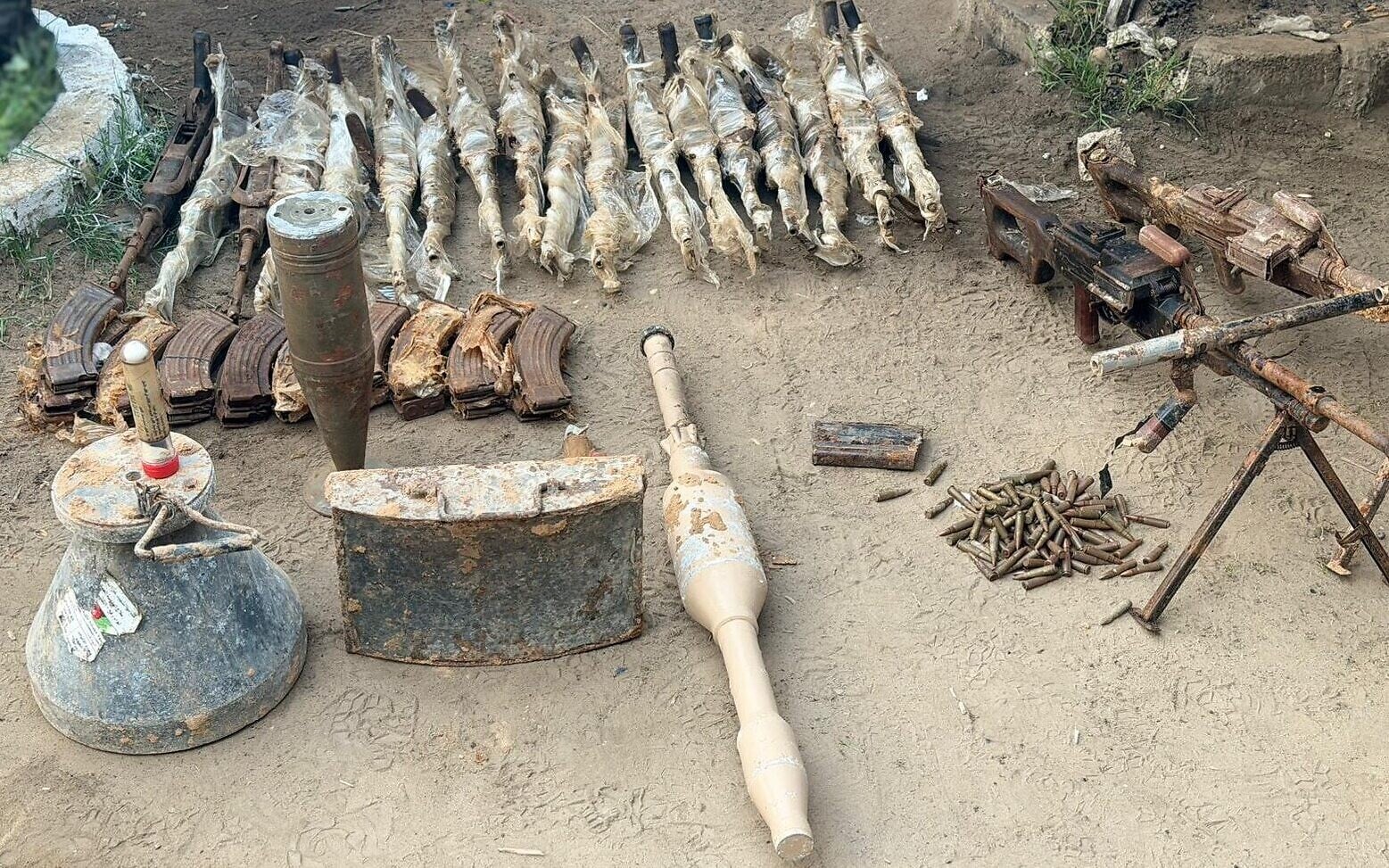
Israel’s Kan public broadcaster reported that the group has shifted its focus to smuggling operations by sea from Egypt in order to resume rocket production.
Meanwhile, Haaretz reported that in recent weeks, the IDF has warned the government that the pace of Hamas’s military recovery in the Strip is faster than initially assessed.
The Gaza City man said he hopes the technocratic committee will eventually replace Hamas’s rule, but Gazans indicated that as of now, Hamas appears to be managing the Strip unchallenged.
“It is not on the ground, and it has no ability to do anything,” Arafat said of the committee. “Hamas is the one on the ground, but that is because of the committee’s absence.”
He noted that Israel was also still controlling much of the Strip, including its crossings, and blamed Jerusalem for delaying the transition from Hamas to the committee.
“I am not defending Hamas, but honestly, the reason is not Hamas — the reason is Israel,” he said.




The Times of Israel Community.