

As Trump’s tariffs come for Israel, will Startup Nation lose its competitive edge?
The 15% tax set to hit Thursday bypasses much of Israel’s tech and pharma industries — so far. Experts warn, even so, these new tariffs may see Israel lose billions – and thousands of jobs
 Add ToI as a Preferred Source on Google
Sharon Wrobel is a tech reporter for The Times of Israel
Israeli exports of goods to the United States face a 15 percent tariff as US President Donald Trump’s sweeping new increase on the price of entry to the US market is set to take effect on Thursday, with officials warning it could lead to job losses and a sharp drop in exports.
Israel had hoped that its closest ally and largest trading partner would reduce the imposed tariff to a baseline rate of 10% from the previously announced 17%, which would have given Israel an advantage over other countries with higher tariffs.
But negotiation efforts between Israeli officials and the US administration to grant Israel special consideration have so far failed. Inevitably, local exporters of goods to the US, and the economy in general, will be hurt by the new trade tariff regime. Revenues from corporate taxes will also fall.
“We may be in the same situation as many other countries are, but we lost the benefit that we enjoyed with the free trade agreement and need to compete with countries such as Turkey, which previously paid taxes and has lower production costs than Israel,” the president of the Israel Manufacturers Association, Ron Tomer, told The Times of Israel. “Without the comparative advantage, we are bound to lose sales.”
It is estimated that Israeli exports will take an annual hit of $2 billion to $4 billion due to the new 15% tariffs, and, should they include pharma and semiconductor components, 20,000 to 33,000 Israelis could lose their jobs, Tomer said.
“It is somewhat disappointing because we were in good trade negotiations with the US, and they were opening up to come in favor of Israel,” said Tomer. “For years, we had an advantage over many countries due to Israel’s free trade agreement, benefiting from zero duties while exporting to the US.”
“Now, we have lost an advantage over Turkey, Japan, Britain, and other countries,” he said.
For years, we had an advantage over many countries due to Israel’s free trade agreement
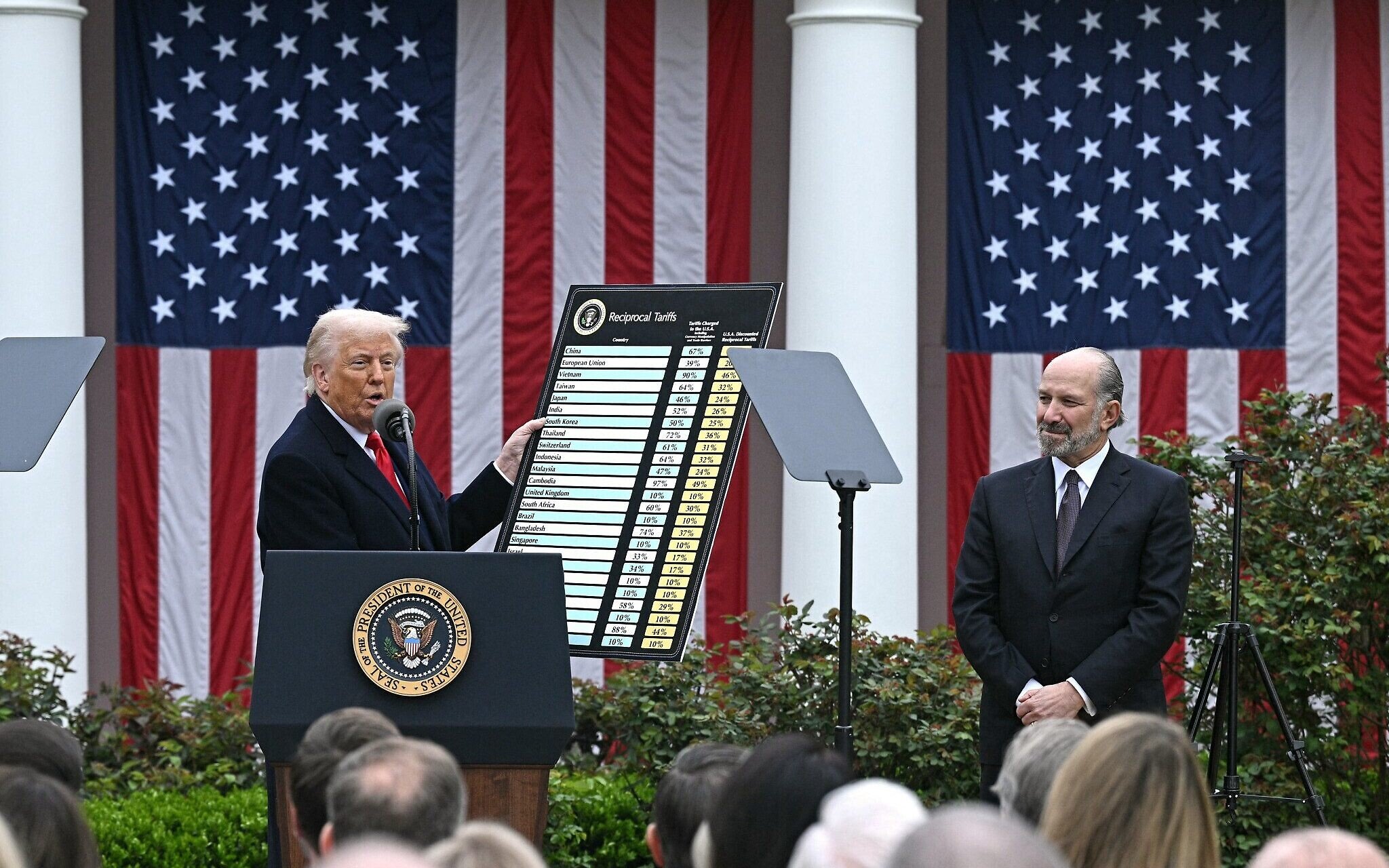
In April, Trump announced a 17% tariff rate on Israel, then froze all tariff measures for 90 days to allow for negotiations. At the end of July, he signed an executive order setting rates from 10% to around 40% on goods imported from dozens of trade partner countries in his latest bid to reshape global trade in favor of US businesses. Trump has argued that the new sweeping tariff rates are necessary to shrink the trade deficits the US has with many of its partners and to protect American jobs and manufacturing.
The White House hiked tariffs on Canada to 35%, while agreeing to trade deals with South Korea and the EU. Meanwhile, Britain secured a 10% levy on exports. Alongside Israel, a 15% tariff was also imposed on Japan, Turkey, Iceland, Norway, Fiji, Ghana, Guyana, and Ecuador.
The US agreed to a trade deal with the EU that imposes a flat 15% entry duty on most EU goods instead of the 30% that Trump had threatened to implement. But the deal also includes commitments by the EU to invest $600 billion into the US over Trump’s term in office.

Total bilateral trade — imports and exports of goods — between Israel and the US was worth about $37 billion in 2024, according to US trade data. Israel’s exports of goods to the US, which include diamonds, foodstuffs, machinery, optical and medical devices, and electronic equipment, amounted to $22.2 billion. The US exported $14.8 billion worth of goods to Israel. The trade deficit amounted to $7.4 billion.
The 15% tariff on Israeli goods entering the US will also affect the defense industry, excluding software products. According to a 2024 report, defense products account for approximately 7.5% of Israel’s total exports.
The impact of the imposed US tariffs on Israel’s tech exports, which account for 53% of the country’s total exports, is expected to be limited, as US tariffs will not apply to the export of services, which make up about 70% of Israel’s tech exports. But the remaining 30% — physical goods, mainly machinery, industrial equipment, and similar goods — will be affected by the tariffs.
It is not clear whether the US will exclude Israeli pharmaceutical products and semiconductor components — two major exports — from the new tariff regime. It was hoped that they would be excluded, as they are covered by uniform global tariff regimes. However, on Tuesday, Trump indicated that fresh tariffs on imported pharmaceuticals and semiconductors could be disclosed as soon as next week.
“If negotiations with the US do not give Israeli exporters waivers on import taxes on these goods to the US, then we are going to lose a lot more of our business activities, with annual losses estimated at least $4 billion,” said Tomer.
Overall, the new tariff, effective August 7, will make Israeli goods entering the US economy more expensive, while revenues and profits generated by local exporters will decrease since their expenses remain unchanged.
Ahead of the new Trump tariff regime, Israeli exporters have sought a balance between minimizing damage and remaining competitive to sustain their production and business operations.
“We have heard from a lot of local exporters that they were hoping for a 10% tariff levy and were managing to work out arrangements to share the burden equally with their clients in the US so that each side would absorb 5% of the cost,” said Tomer. “If at 10% there was still room to share the burden with US customers, with a 15% rate it’s more problematic and difficult to absorb the costs.”

Tomer noted that exporters face two main options: increase the price of their goods to the US and become less competitive, or reduce it to generate a turnover, but with zero or marginal profits. Another option for larger firms is to build production capacities in the US.
Kobi Zalicha, managing partner at accounting firm Moore Israel – Lion, Orlitzky & Co., said that many of his local exporter customers have been asking for strategies for tax planning and profit shifting for their US sales. Among the customers are companies that sell medical equipment and devices, as well as firms in the traditional manufacturing industry that struggle with a low US currency and low profit margins.
“There is a direct hit for exporters who directly sell goods to the US and for those that operate through subsidiaries in the US,” said Zalicha. “Some exporters are selling products at lower prices to maintain their competitiveness, and others are transferring profits to subsidiaries in the US, which affects their income and profits.”
“What this means is that they will be paying less corporate taxes,” said Zalicha.
Zalicha estimated that a 1% decline in the price of goods will translate into an annual loss of about $170 million in state revenue from corporate taxes.
“Exporters are weighing shifting production to the US,” said Zalicha. “If the tariff will be lowered to 10% it is hard for me to see that they will open factories in the US, but if it stays at 15% then in the long term it may be an option.”
Exporters are weighing shifting production to the US
Tomer noted that Trump’s new tariffs come at a critical time when Israel’s economy is facing threats of boycotts and the cessation of free-trade agreements due to the ongoing 22-month war with the Hamas terror group, and as criticism over the humanitarian crisis in Gaza continues to grow globally.
“This is a time that exporting from Israel to the US is already becoming a tougher task because public opinion in Europe and other countries is turning against us,” said Tomer.






The Times of Israel Community.