

Bezeq chairman reportedly plans division of troubled Israeli telecom giant
The firm intends to start talks with regulators about breaking up into two separate companies, a move it hopes to make in the coming months, Calcalist reports
 Add ToI as a Preferred Source on Google
Shoshanna Solomon was The Times of Israel's Startups and Business reporter
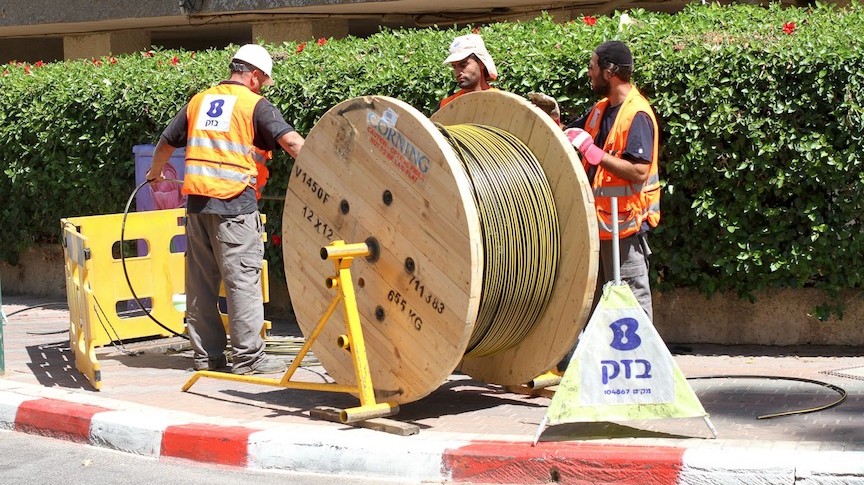
The chairman of Israel’s largest telecommunications firm Bezeq is reportedly planning to split the company into two entities, one to focus on services and the other to focus on infrastructure.
Shlomo Rodav, the newly appointed chairman, has spoken to company executives about his plans for the firm, which has been dogged by police and regulatory investigations for alleged securities offenses, the financial website Calcalist reported on Tuesday.
According to these plans, the two newly formed companies will have separate chief executive officers, and the hunt is underway for a candidate to lead infrastructure operations. Ran Guron, the current CEO of Bezeq’s Pelephone subsidiary, which operates its cellular services, will be appointed CEO of the services company, which will include Pelephone; Bezeq International, a provider of international calls services; and the Yes satellite unit, which provides pay TV services, Calcalist reported. The newly formed infrastructure company will sell the use of Bezeq’s infrastructure to competing firms.
Bezeq shares were trading 1.5 percent lower at 11:18 a.m. in Tel Aviv. The company’s shares have plunged 23 percent in the past 12 months.
The firm is planning to start talks with the Communications Ministry about its plans, which it hopes to implement in the coming months, the website reported.
Rodav said earlier this month, as the company released its first quarter results, that the firm is “in the process of formulating a long-term strategy for the group,” taking into account the regulatory constraints imposed on the company that force Bezeq to operate its units as separate business entities. The idea of the strategy, he said, is to eventually bring about the cancellation of this enforced structural separation.
The company reported a 3.8% drop in revenues in the quarter on May 24, due to a decline in revenues in all of the group’s key segments. Net profit for the quarter plunged almost 26%. The company also announced a NIS 80 million ($22.3 million) early retirement plan for 75 workers.
Rodav’s model for Bezeq is based on that of the BT Group, the British telecommunications firm, which operates its services and infrastructure business as two separate entities, Calcalist said.
A Bezeq spokesman declined to comment on the report.






The Times of Israel Community.