

Daughter of elderly hostage says captives have become pawns during ongoing war
Sharone Lifschitz, whose father, Oded, 83, has been held hostage since October 7, believes he would be home if government had ‘played its hand differently’
 Add ToI as a Preferred Source on Google
Jessica Steinberg, The Times of Israel's culture and lifestyles editor, covers the Sabra scene from south to north and back to the center
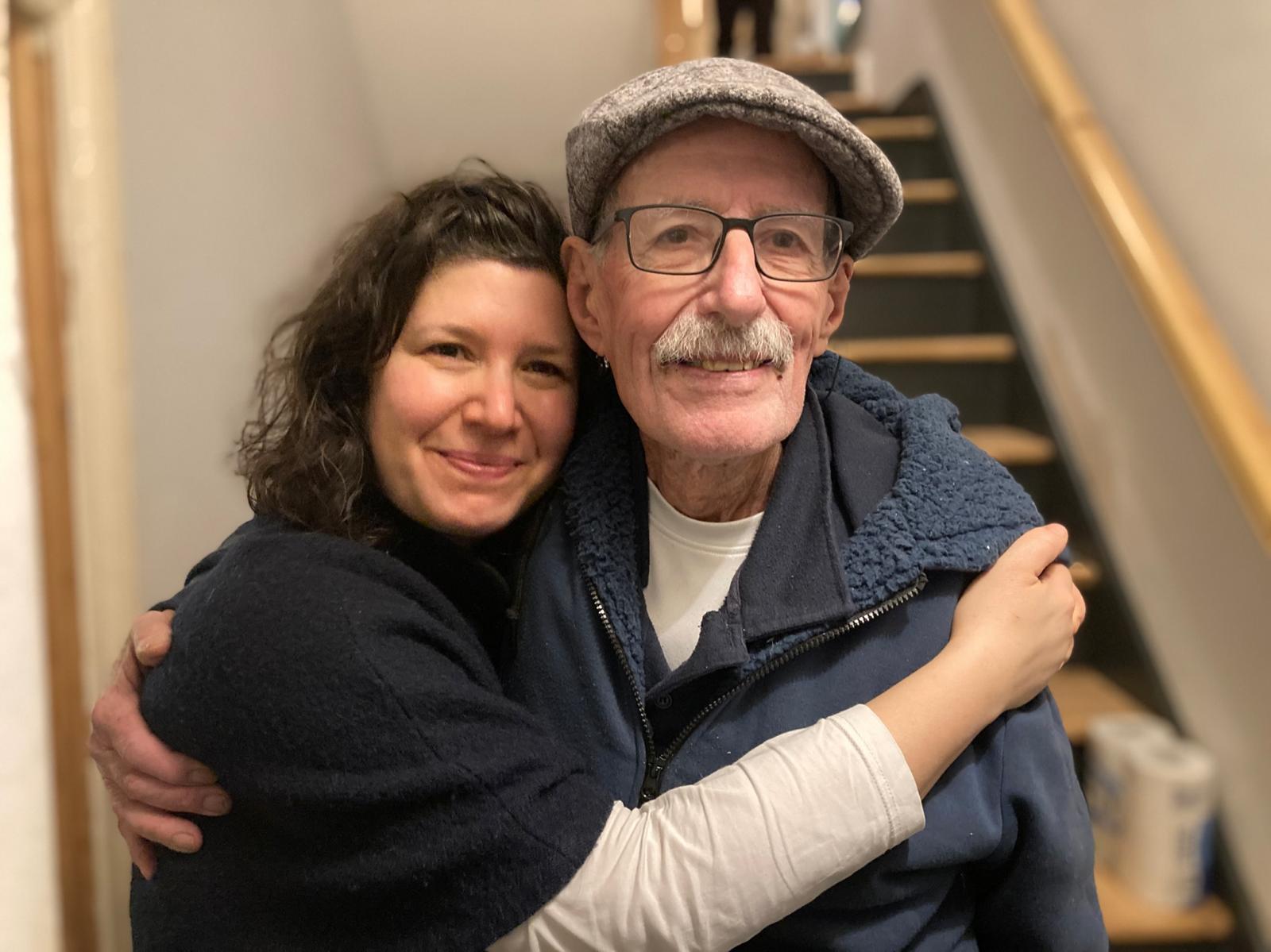
As Sharone Lifschitz counted the days since her elderly father, Oded Lifshitz, was taken captive by the Hamas terror group on October 7, she voiced her belief that the Israeli hostages have become pawns in the ongoing war in Gaza.
“I think that my father could have been back if that hand could have been played differently,” said Lifschitz, opining that much of the Israeli population believes that Prime Minister Benjamin Netanyahu is more interested in keeping his government intact than returning the hostages. “This is a tragedy in itself, to have a leader like this.”
Lifschitz has little faith that her father — an 83-year-old man who was frail, ill and injured when taken captive — is still alive, especially after not receiving a sign of life in months. She is also thinking about the other hostages, including all of her family’s neighbors and friends taken captive from Kibbutz Nir Oz.
Oded Lifshitz, and his wife, Yocheved Lifshitz, 85, were kidnapped by Hamas terrorists from their home on October 7. In total, 46 hostages were abducted from the border community and 71 killed, among 1,200 killed and 252 abducted in the Hamas onslaught across southern Israel.
Yocheved Lifshitz and another Nir Oz member, Nurit Cooper, 78, were released by Hamas on October 28. Now Yocheved, along with six other older members of Nir Oz, is living in independent housing for senior citizens in the country’s center.
Sharone Lifschitz said that there is “no instruction book for a time like this,” and yet as the daughter of two political activists, she believes strongly in fighting for her people, while holding on to the desire to live in peace next to the kibbutz’s neighbors, the Palestinians in Gaza.
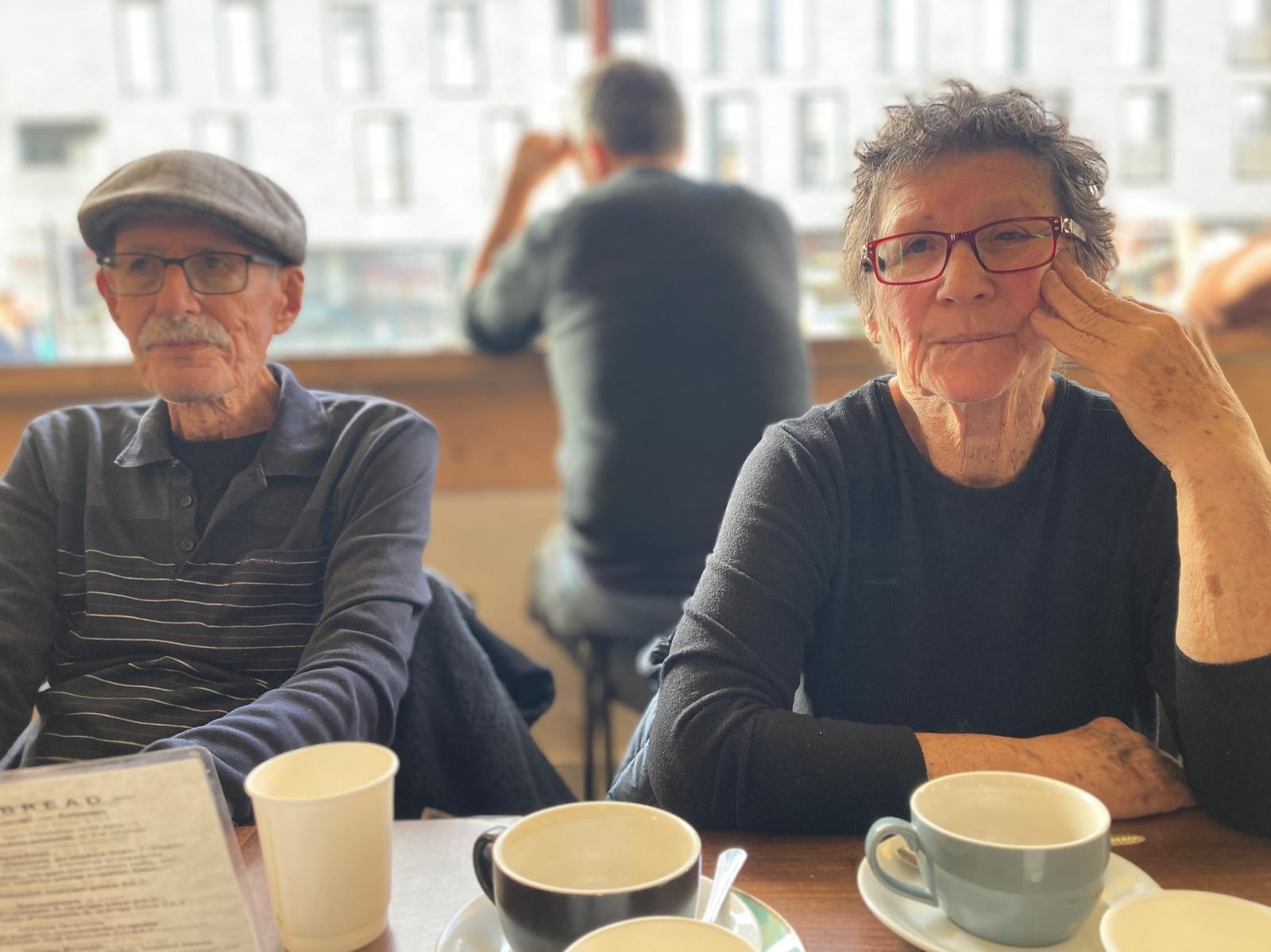
“I think there’s a huge cheapening of life,” said Lifschitz, speaking to The Times of Israel on Friday. “The sanctity of life, its sacredness, this is being undermined in ways we couldn’t have imagined. When a minister isn’t able to say the number of hostages, it’s disheartening. But it’s also disheartening for me to see the way people are unperturbed about what’s happening in Gaza.”
A sixth-generation Israeli, Lifschitz was raised by parents who helped found Kibbutz Nir Oz in the desert in the 1950s and also wanted to connect with their Palestinian neighbors.
Oded Lifshitz grew up in the left-wing Hashomer Hatzair youth movement, which believes in peace among the nations, and he has always embodied those beliefs, fighting for the rights of the Bedouin in northern Sinai in the 1970s, driving Palestinians to Israeli hospitals and writing long, detailed letters offering advice to then-US president Barack Obama.
Sharone Lifschitz, the youngest of her siblings, was placed in children’s housing as a newborn, as per kibbutz protocol. Her mother was always highly affectionate, said Lifshitz, as Yocheved appeared briefly on the Zoom screen during the interview, waving and then covering her daughter’s face with kisses.
Her mother is physically okay after the trauma of her captivity, said Lifschitz, calling her “the eighth wonder” of the world. But they regularly count the days of her father’s ongoing captivity.
“We all find the span of time quite impossible,” said Lifschitz. “My mother is fully living her life, engaged and running the show and the family and life goes on. And at the same time, she’ll say, ‘We’ll make that decision when Dad comes home.'”
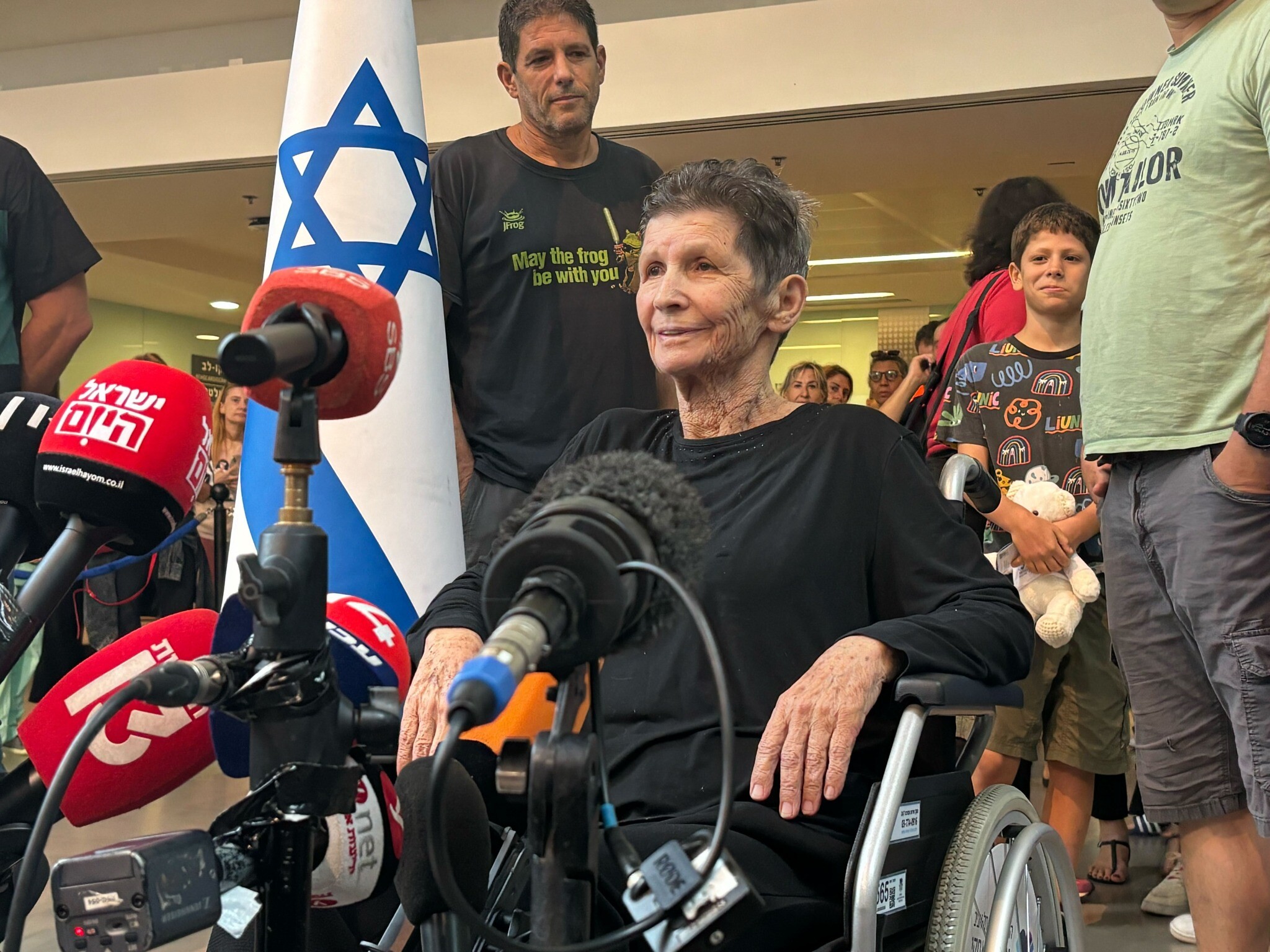
Sharone Lifschitz, 52, is an artist, filmmaker and lecturer who has been living in London for the last 32 years with her husband and 12-year-old son, but has spent much of her time over the last seven months in Israel by her mother’s side, and with their extended family, fighting for the hostages.
Most of the Nir Oz survivors were evacuated to hotels in Eilat and then moved into new apartment buildings in Karmei Gat, near Kiryat Gat.
Yocheved Lifshitz wanted to be close to her children and near the Hostages and Missing Families Forum, which is headquartered in Tel Aviv, and for now, said her daughter, the independent living space, which looks and feels like a kibbutz community, is the best fit for her mother.
They all spend time with the larger Nir Oz family. “We’re family, we’re part of the kibbutz that was perhaps the most badly neglected on October 7,” said Lifschitz.
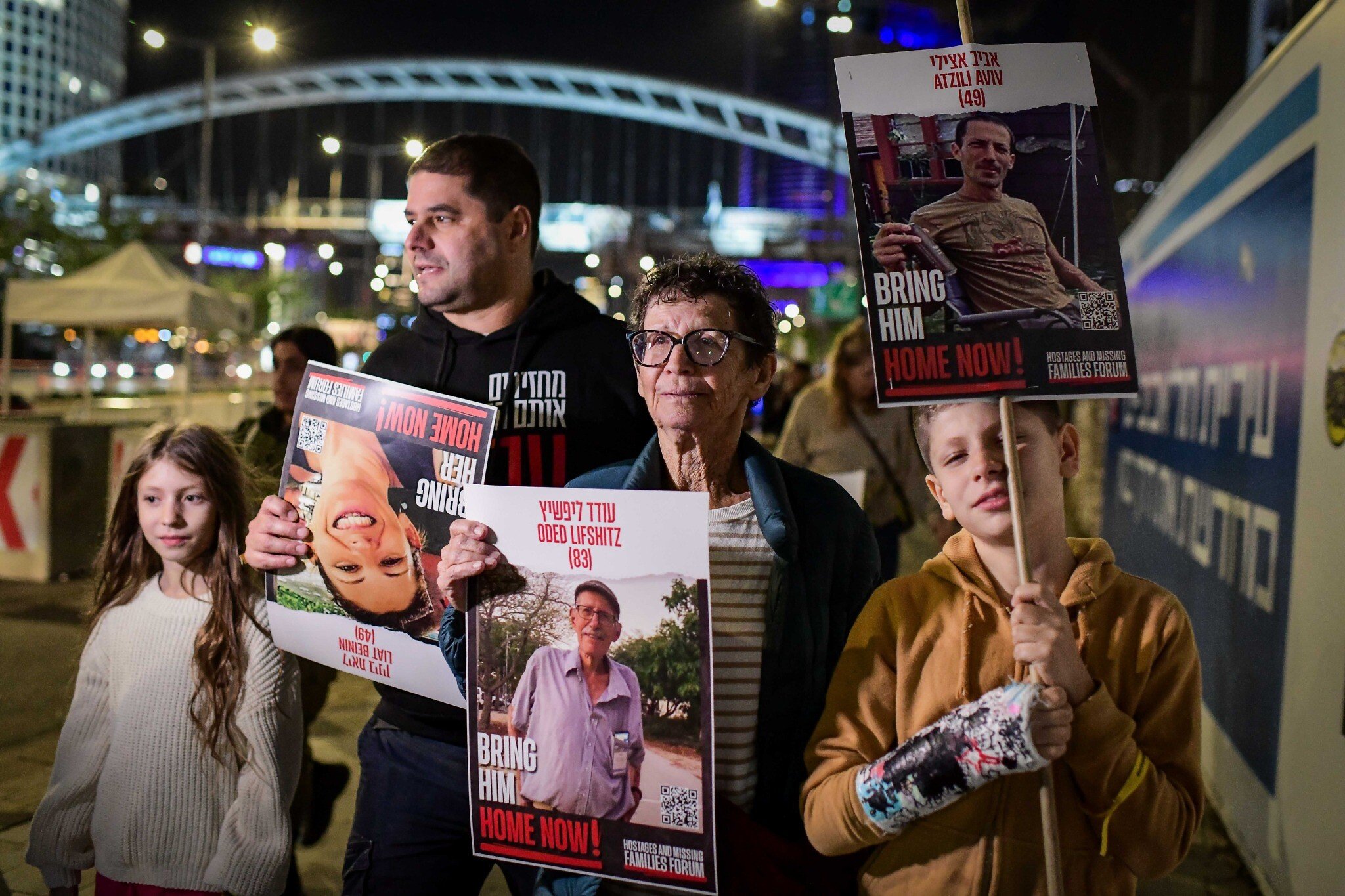
While they have always been a highly politically involved family, Lifschitz believes in remaining politically uninvolved right now, as a family member of a hostage and an active part of a forum that strives to keep politics out of the protests for the hostages.
But she is angry that the Hamas attacks of October 7 are belittled and seen as understandable in parts of the Western world, and she points out that that kind of viewpoint is what enables religious fanaticism. She still believes in finding moderate voices to get the Western world to work together, for both the Palestinians and Israelis.
She is supported by the University of East London, where she teaches, which has been generous about giving her time off during these traumatic months.
In a sense, Sharone Lifschitz has been working with these ideas for her entire professional life, creating films and art projects that look at places where people live with national trauma, such as Germany, Northern Ireland and Belgium.
Now, that expertise is coming to the fore in the kibbutz conversations about reconstruction, as the community thinks about how to rebuild its beloved home that was destroyed on October 7.
Lifschitz recently sat in a meeting of kibbutz members with architects, surrounded by new widows, orphans and bereaved parents. She said there is a desire by some to simply rebuild and move on, but she spoke about the need for the kibbutz to be a living place where trauma would be embedded into its rehabilitated space.
“We’re part of a larger circle of people who contributed and fought for this country in every way possible,” she said. “We’re part of the fight and part of the community, although nothing prepared us for a moment like this. These people, even those I hadn’t been in touch with for many years, have become a sanctuary for us.”







The Times of Israel Community.