

High defense spending set to threaten fiscal stability and welfare services – report
Taub Center paints worrying picture of healthcare system and welfare spending gaps, with funding for security needs soaring
 Add ToI as a Preferred Source on Google
Sharon Wrobel is a tech reporter for The Times of Israel
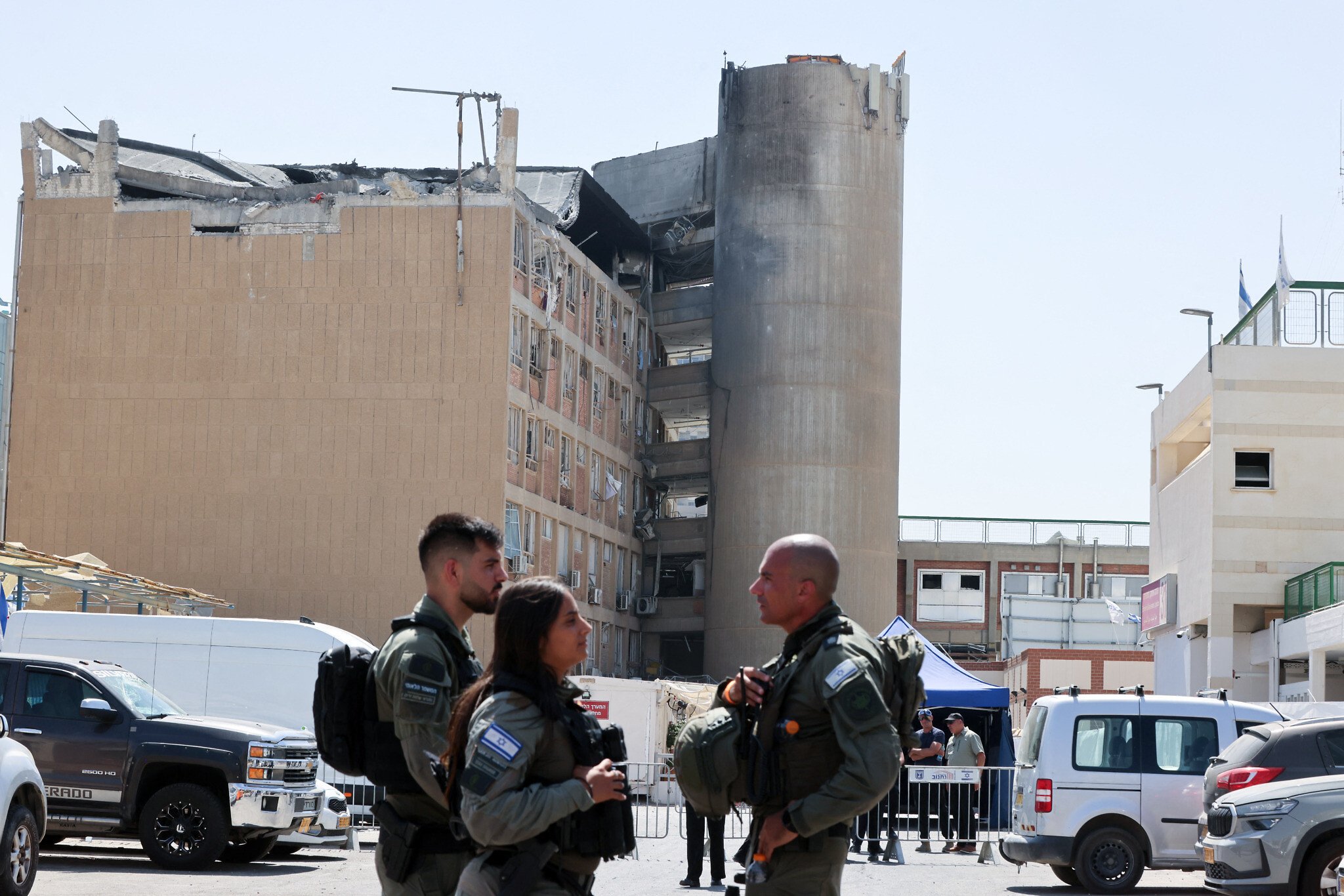
The potential increase in defense expenditure to meet security needs over the next decade is poised to threaten Israel’s financial and fiscal stability, the Taub Center, a policy research institute in Jerusalem, warned on Tuesday.
“At present, there are no identified budgetary sources for this increase and it is not clear where the funds will come from,” Prof. Avi Weiss, president of the Taub Center and professor of Economics at Bar-Ilan University, told The Times of Israel. “It is likely to be financed either through a higher deficit and a rising debt-to-GDP ratio — a path that risks undermining Israel’s fiscal stability,” or a cut to services, he said.
Weiss explained that a larger deficit may lead to higher taxes — such as value-added-tax (VAT), which affects the most vulnerable population — as the government will seek to increase revenue to cover increased debt levels. In addition, raising the deficit risks hurting the country’s credit rating, which in turn leads to higher interest rate costs.
As for reducing civilian services, he said, “we already are lacking in certain expenditures, whether it’s welfare, education, or public capital, improving the transportation system, and infrastructure.”
The prolonged war with Hamas, which broke out following the terror group’s onslaught on southern Israel on October 7, 2023, has doubled defense spending, according to the Taub Center’s Picture of the Nation 2025 report. Defense spending rose by about 1% of gross domestic product in 2023 and by 4% of GDP in 2024, a direct increase of about NIS 100 billion ($29.8 billion) over these two years.
At the same time, adjusted civilian government spending was fairly steady in the years 2022, 2023, and 2024, and did not rise.

The war against Iran ended with a ceasefire on June 24, but the tremendous costs of the fighting, immense direct damages, and compensation expenditure for affected individuals and businesses will continue to strain the budget, Weiss cautioned in the report.
The 12-day Iran war is estimated to have increased defense spending in June by NIS 10 billion to NIS 20 billion. Separately, monthly spending on compensation of terror victims rose significantly — from an average of NIS 51 million in the five years before the war to NIS 261 million in February 2025.
Starting in 2026, the Nagel Committee, tasked with examining the defense budget and IDF force design, recommended increasing the defense budget by NIS 9 billion to NIS 15 billion per year or a total of NIS 133 billion over the next decade.
As defense and civilian expenditures pile up, Israel continues to fall behind the developed world in spending on welfare and social services, the report found.
“When looking only at welfare services — that is, services provided by the government ministries responsible for social services (excluding the National Insurance Institute’s benefit system, the education system, and healthcare services) — a clear gap emerges between Israel’s welfare state and those of other countries,” Weiss said in the report.
In 2021, spending on welfare services in Israel stood at 2.9% of GDP, which is below the 3.4% average found among OECD countries. Israel’s spending rate on welfare services is relatively close to that of the United States, higher than in Italy, but significantly lower than in countries like Denmark, Sweden, and Norway.
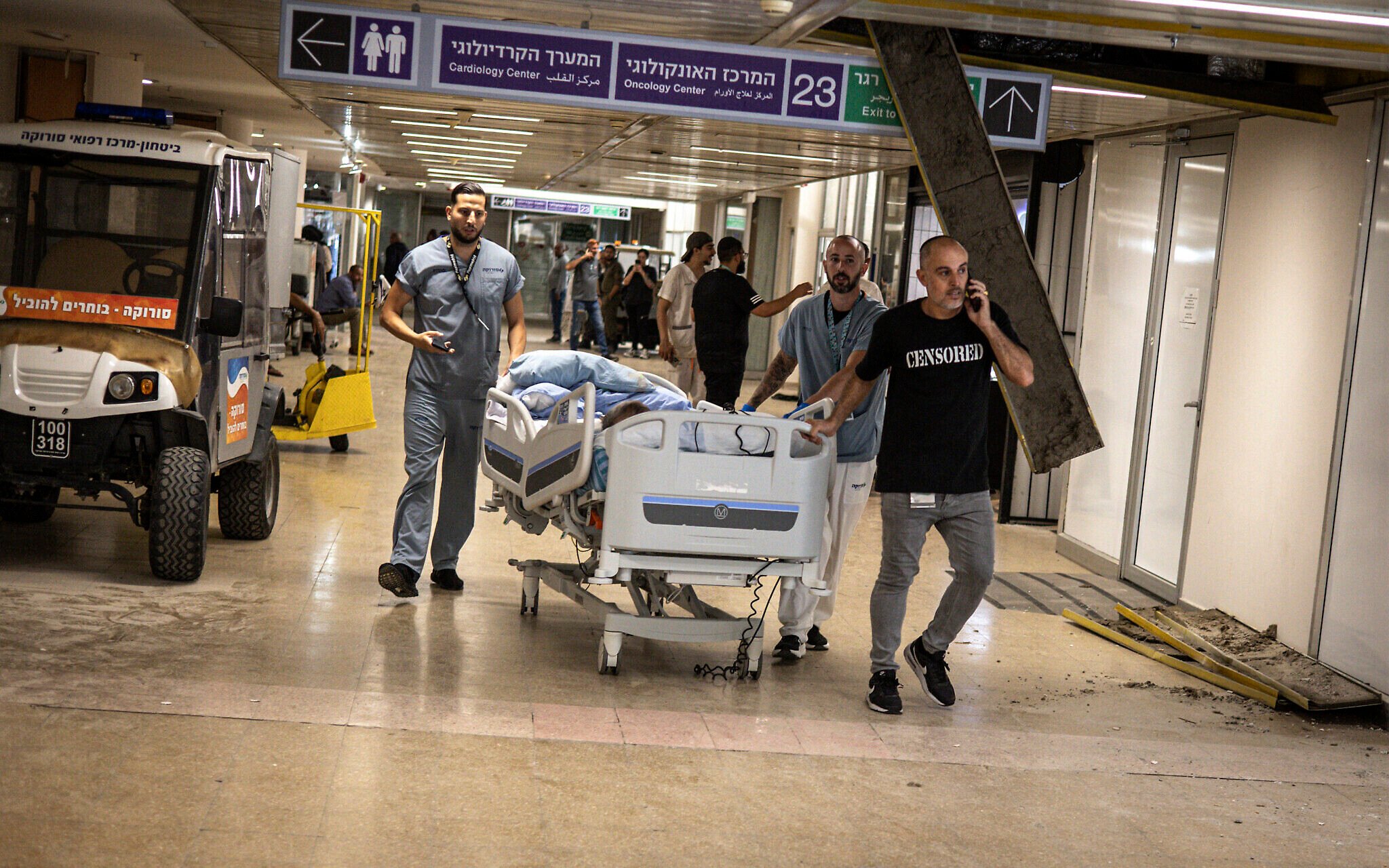
The Taub report also revealed a worrying picture of the healthcare system, which over the past 20 months has been dealing with a large number of wounded individuals from wars on multiple fronts — Gaza, Lebanon, Yemen, and Iran.
“In June 2025, during the war with Iran, the average daily number of hospitalized patients was the highest since October 2023,” Weiss said. “Israel’s healthcare system remains stretched to its limit, especially in the areas of mental health and rehabilitation.”
“Despite considerable investment in increasing the number of healthcare workers and expanding quotas for medical students and other health professions — including new roles such as physician associate — there is still a shortage of personnel, particularly in the periphery,” he noted, referring to the north and south of the country.
Public spending on higher education in Israel is also low compared to the average in OECD countries.
In 2020, public expenditure per student in Israel stood at $8,526, far lower than the OECD average of $14,039. In the 2023 budget, public spending on higher education in Israel totaled about NIS 12 billion, or about 0.7% of GDP.
“Israel’s spending is not only lower than that of most comparable countries, including generous welfare states such as Sweden, Norway, and Denmark, but also lower than in conservative welfare states like France and Germany,” Weiss said. “Even liberal welfare states such as the United States invest more per student than does Israel.”









The Times of Israel Community.