

Islamic State is losing ground but still a threat
While the West’s military campaign reduced the threat of complex operations, experts warn of ‘lone-wolf’ attacks
 Add ToI as a Preferred Source on Google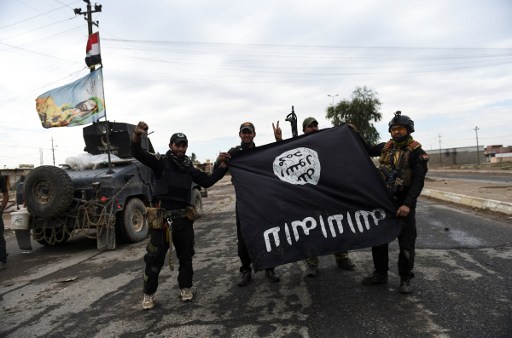
PARIS (AFP) — The Islamic State group has been eroded by international efforts to crush the jihadist group but its ability to mount devastating attacks on the West remains very real, defense and security experts say.
As France prepares to mark the first anniversary of the Paris attacks by the group on November 13, analysts say military defeats in its strongholds in Iraq and Syria will almost certainly not make its Western targets any safer.
“Depriving ISIS of control over population centers and sanctuary to raise funds and train fighters, and breaking it up as key organisation, matters,” said Anthony Cordesman of the Washington-based Center for Strategic and International Studies (CSIS), using another name for the group.
“Defeating it in any practical sense, however, will not begin to deal with the lasting threat,” he added.
It was in June 2014 that IS leader Abu Bakr al-Baghdadi proclaimed the creation of a caliphate in land the group had seized in Iraq and Syria and urged Muslims who shared the group’s vision to join them.
Thousands of foreigners answered his call, among them several French and Belgian men who would go on to slaughter 130 people in a Paris concert hall and at bars and restaurants.
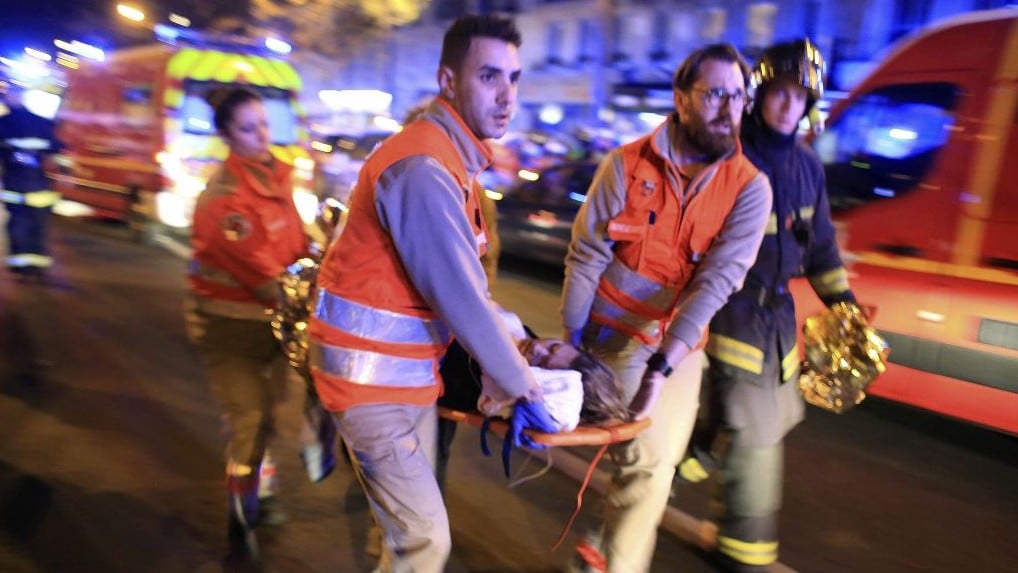
The bloodshed in Paris contributed to strengthening the resolve of the West to fight IS.
A year on, Iraqi forces backed by the air power of the United States and countries including France are locked in fierce fighting to re-take Iraq’s second city of Mosul from the jihadist group.
On Sunday, a US-backed Kurdish and Arab force said it had begun an assault on the city of Raqqa, IS’s stronghold in Syria.
Recruits drying up
These military efforts have led to a sharp reduction in the number of foreigners making the trek to join IS forces in Iraq and Syria. The Pentagon says from 2,000 a month in early 2015, the figure is now just 200.
Tighter controls on the Turkish border — the main gateway to Syria — and improved surveillance by European intelligence have also helped stem the flow of foreign recruits.
The military onslaught on IS has also slowed the production of the slick, blood-drenched propaganda which has played a prominent role in attracting recruits.
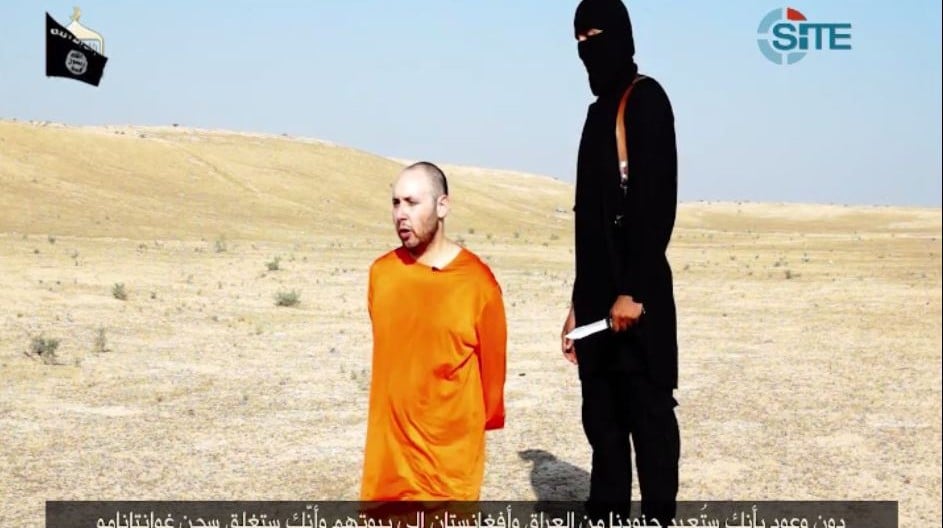
The number of articles or videos posted online by the jihadists’ official media outlets dropped by 70 percent, from 700 items in August 2015 to 200 a year later, according to a report by the Combating Terrorism Center (CTC) at the elite US West Point military academy.
The author of the report, Daniel Milton, said while IS’s main selling point was the creation of its self-proclaimed caliphate, it was now “struggling to maintain the appearance of a functioning state.”
Most experts agree, however, that crushing IS’s hopes of establishing the caliphate will not diminish its ability to launch attacks against the West.
‘Powerful magnet’
“In the minds of supporters in the US, EU, North Africa, and elsewhere, the appeal of the Islamic State has not dissipated with its territorial losses. For some, the group remains a powerful magnet that attracts violence and a sense of belonging,” the US-based Soufan security analysis group said recently.
It is possible that the group’s losses in Mosul and elsewhere “could lead to an increase in external support, and a corresponding increase in the threat of terrorism around the world,” it added.
While IS may now find it harder to launch complex operations such as the Paris attacks, Western governments fear an increase in attacks by individuals who are merely inspired by the group.
“We are probably in a phase with fewer spectacular operations but more individual acts, with inspiration coming through from the internet,” said Didier Le Bret, who was France’s national intelligence coordinator until September this year.
French authorities, for example, suspect a French-born IS propagandist, Rachid Kassim, guided an attack in July in which an elderly priest was murdered. Kassim, who is thought to be based in Syria, used the encrypted message system Telegram.
Another growing threat is the return of foreign fighters to their countries of origin as IS’s territory shrinks.
Joby Warrick, the American journalist who won the Pulitzer Prize this year for his book “Black Flags: The Rise of ISIS,” believes 40,000 foreigners have gone to Iraq and Syria to fight.
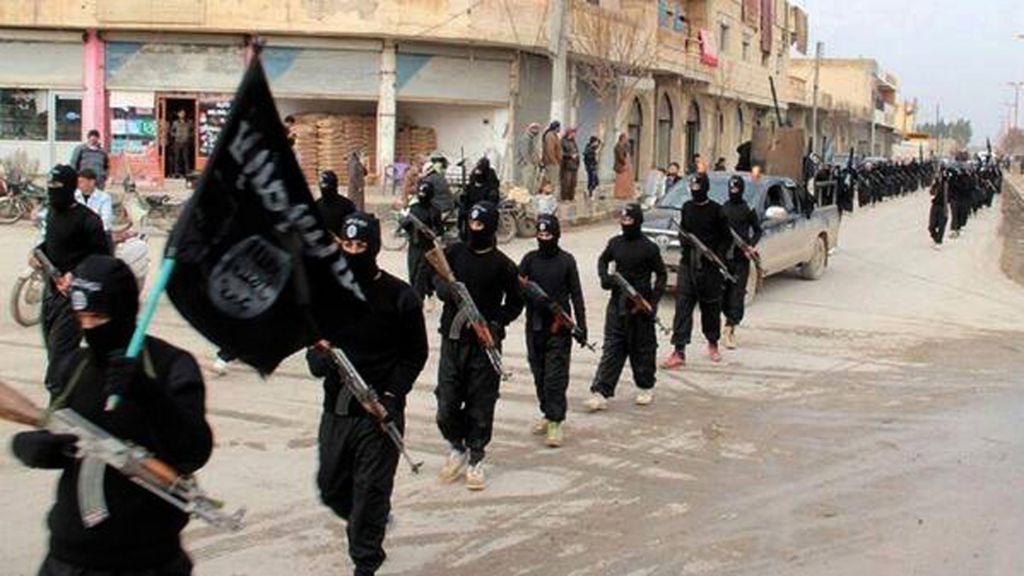
He told AFP some will come home and try to resume normal lives. “Others will be, perhaps, these Trojan horse-type figures, ones that will be interested in carrying out terrorist attacks,” he said.
The challenge for law enforcement and for intelligence agencies would be “to separate those that have terrorist ambitions from the ones who just want to get on with regular lives, and perhaps be helpful, in the sense that they can counter the ISIS message,” Warrick said.
Le Bret meanwhile said regardless of its military defeats “IS retains its main strength — weakening our society from the inside.”
The group has proven adept at exploiting social divisions in France, where both the Paris attacks and the assault on the satirical newspaper Charlie Hebdo in January 2015 hardened attitudes in some quarters towards the Muslim community.
And the jihadists have also sought to destabilize North African countries such as Tunisia, believing that weakening their economies is the best way to create new supporters.








The Times of Israel Community.