

Israeli opposition head to lobby Washington after Iran deal
Zionist Union leader Herzog agrees to work with PM to thwart agreement, says ‘national security not a matter of dispute’
 Add ToI as a Preferred Source on Google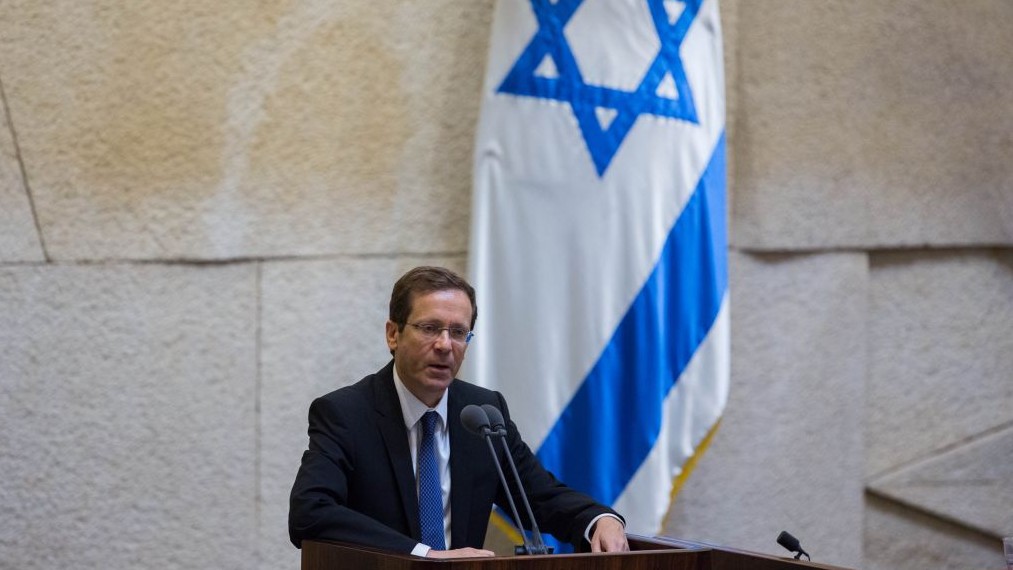
As Prime Minister Benjamin Netanyahu stepped up his campaign of criticism over the nuclear deal with Iran, his chief political rival, Isaac Herzog, announced Wednesday that he would go to the US to lobby for a compensation package to insure Israel’s military edge in the region.
Herzog’s trip reflects the broad opposition to the deal in Israel, where most politicians fear it will fail to stop Iran from developing nuclear weapons while strengthening the Islamic Republic’s support for some of Israel’s fiercest foes.
In a rare show of cooperation, Herzog announced earlier Wednesday that he would work with Netanyahu’s ruling coalition to thwart the Iran nuclear deal. In a late-night meeting between the political rivals Tuesday, Netanyahu updated Herzog on the security implications of the deal and emphasized the need for the opposition and coalition to form a united front in presenting the dangers to Israel posed by the agreement.
The trip to Washington is the first sign of Israeli diplomatic action since the deal was struck. “We must enter dialogue with our big ally, the US,” Herzog said at the Knesset Wednesday.
Herzog, who has previously criticized Netanyahu over his handling of the US-led diplomatic initiative, told the prime minister he shared his opposition to the deal and said he would do everything for the security of the State of Israel in light of the new circumstances.
“Our national security is not a matter of dispute,” Netanyahu’s office quoted Herzog as saying.
According to Herzog, the main dangers of the deal comes from the lifting of sanctions that “immediately give Iran a lot of money and resources, which will reach our enemies at our borders.”
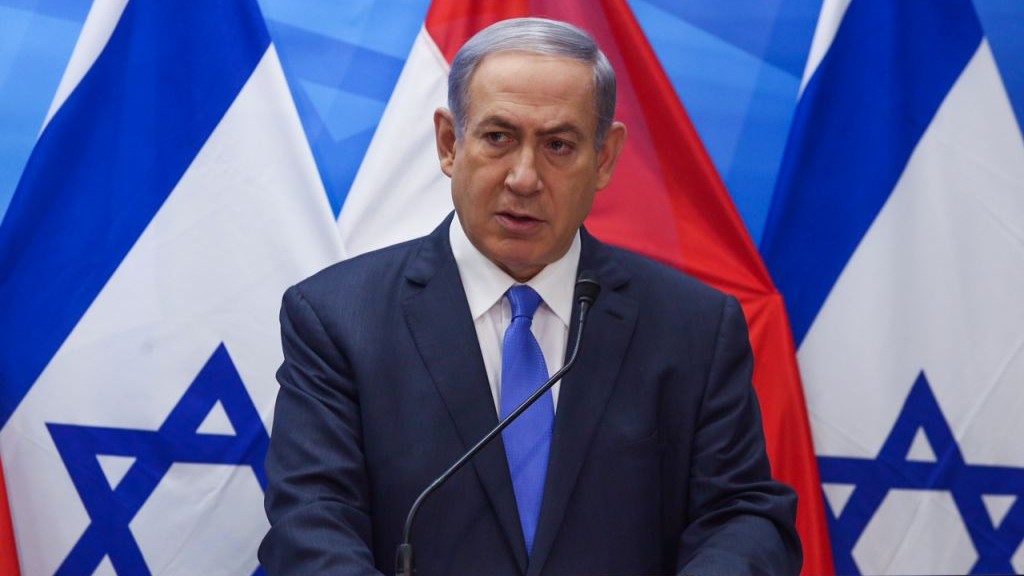
Sources close to Netanyahu have said the prime minister is seeking to lure Herzog and his Zionist Union faction into the coalition, where he would receive the foreign minister post. However, Herzog declined to comment on reports his party would join the government.
In a videotaped statement posted on his Facebook page, Herzog said he had spoken with officials of pro-Israel lobbying group AIPAC and other US groups, and would be headed to the US “to ask that Israel gets a security umbrella and a series of steps to allow Israel to maintain its advantage in the region due to the new reality coming out of the deal.”
Herzog has slammed Netanyahu over his handling of the deal, saying the Israeli leader unnecessarily antagonized the US and other allies during negotiations. In March, Netanyahu voiced his opposition to the emerging deal in a speech to the US Congress that enraged the White House.
Israeli politicians say the deal won’t block Iran from building nuclear weapons. They also say that by easing sanctions, Iran will gain access to tens of billions of dollars, some of which could be funneled to violent anti-Israel groups like Hamas and Hezbollah. Israeli leaders say a nuclear Iran is an existential threat to Israel because Iranian leaders have called for Israel’s destruction.
“Not everyone has learned the lessons of history. Today, the world powers have fallen in a trap of smiles set by the tyrannical Iranian regime,” Netanyahu said.
The prime minister said he reviewed the deal at night, and that it includes “absurd things.” He objected to a clause that requires international inspectors who suspect violations of the deal to give Iran 24 days before inspectors can actually enter a suspicious site.
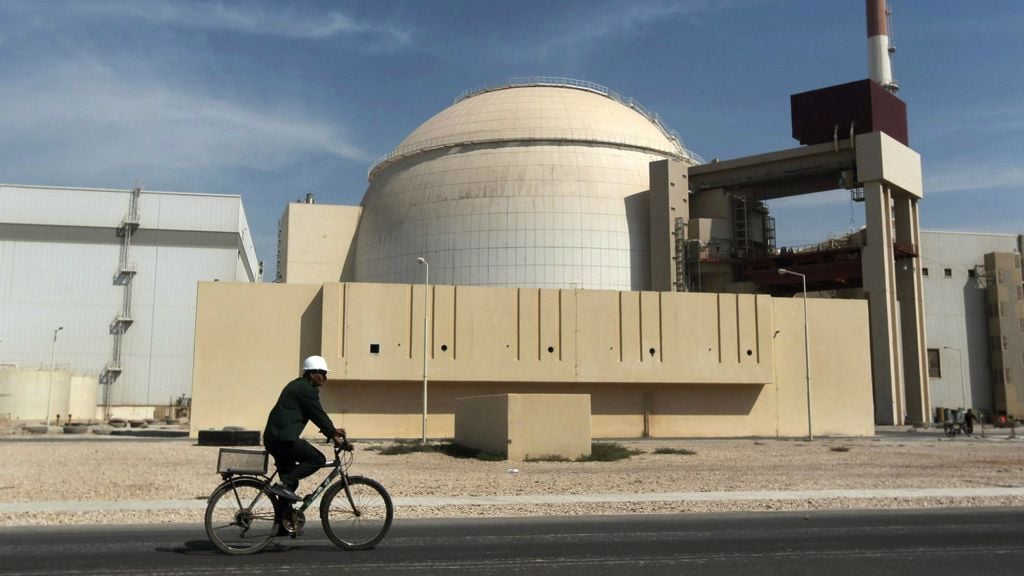
“It’s like giving a crime organization that deals in drugs a 24-day notice before checking its drug lab,” Netanyahu said.
He also objected to a clause that allows new investors in Iran to continue investments if additional sanctions are imposed on Iran in the future. And he openly wondered whether one of the names of people listed as those who would be freed of sanctions, Gen. Qassem Soleimani, was the man who heads Iran’s elite Quds Force of the Revolutionary Guard.
“If this is a different Soleimani, it would be good to know, because if not the absurdity crosses all lines,” Netanyahu said.
Despite Netanyahu’s tough rhetoric, however, Israel’s options appear limited, given the wide international support for Tuesday’s agreement.
Israel’s first course of action is expected to be a lobbying effort in the US Congress ahead of a review of the deal. But even there, its influence will be limited since President Barack Obama does not need congressional approval.
The Republican-led Congress will instead likely try to derail the deal by passing new sanctions or preventing Obama from lifting existing sanctions — the key incentive for Iran to comply with the deal. Obama has said he would veto any resolutions undermining the deal.










The Times of Israel Community.