

Israeli researchers decode mechanism of rare neurological disease
Tel Aviv University scientists say faulty TIMM50 protein causes dysfunction in mitochondria; breakthrough could pave way for treatments for range of other conditions
 Add ToI as a Preferred Source on Google
Reporter at The Times of Israel
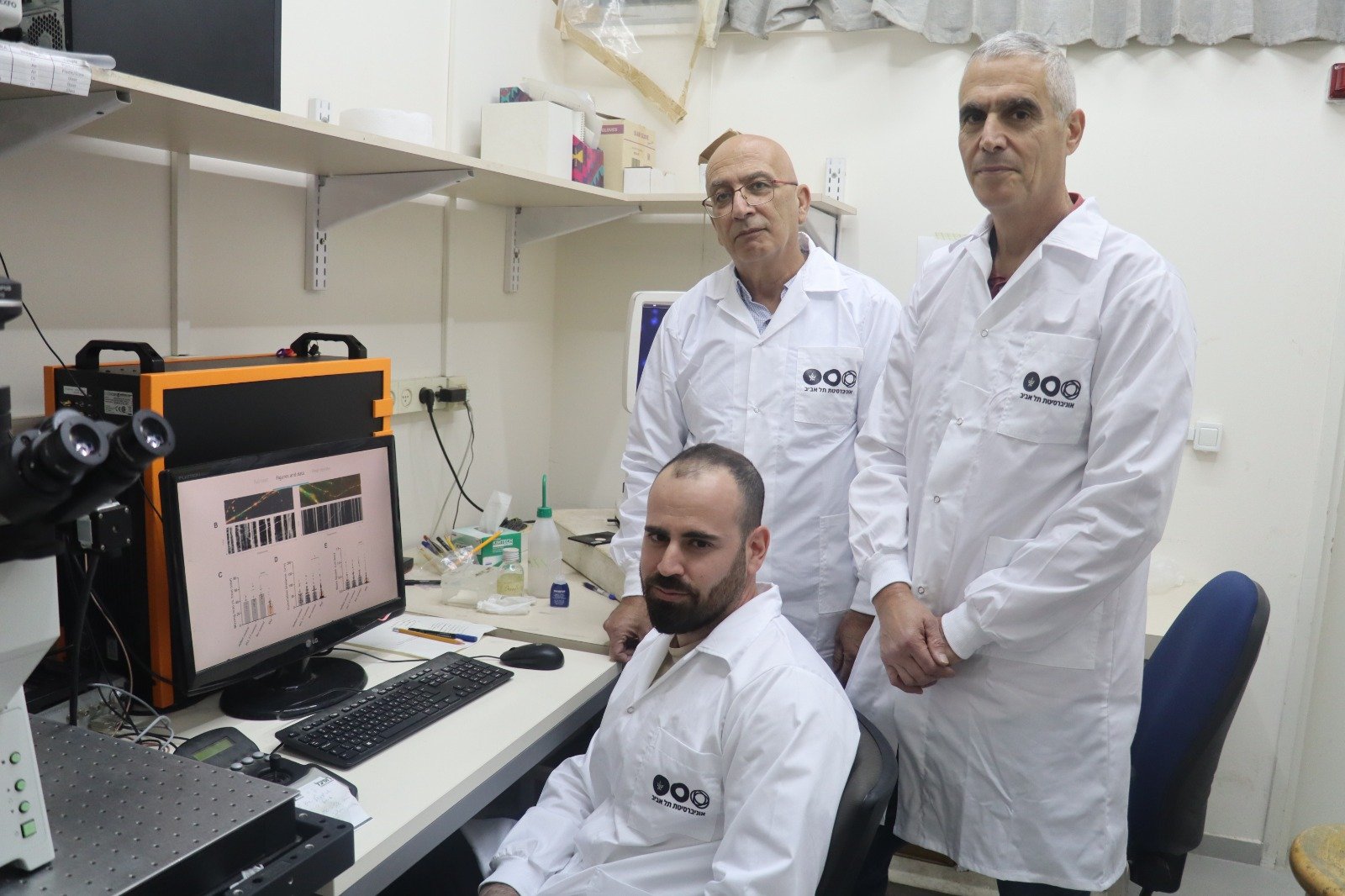
Tel Aviv University researchers say they have uncovered the mechanism behind a rare and deadly neurological illness known as TIMM50 disease.
The condition — marked by epilepsy, developmental delays, and intellectual disabilities — stems from mitochondrial dysfunction, a problem with a critical cellular process responsible for energy production.
Decoding the disease mechanism is an “important step” in developing treatments,” said Prof. Abdussalam Azem, dean of the Wise Faculty of Life Sciences, who led the research. He was one of the discoverers of TIMM50 disease in 2015. He said the research can benefit not only patients with the illness but also those with other neurological conditions.
The findings were recently published in the peer-reviewed journal eLife.
Mitochondria generate molecules that provide energy for almost all the activities of cells in the body. Organs such as the brain rely heavily on mitochondria, and although the brain is only 2% of the body’s weight, it uses about 20% of the body’s energy.
Proteins provide essential power to mitochondria, which use some 1,500 proteins (approximately 10% of all human proteins). But only about 13 of these are produced within the mitochondria themselves.
Mutations in the TIMM50 protein, which is responsible for importing about 800 proteins into the mitochondria, were found to cause the neurological disease.
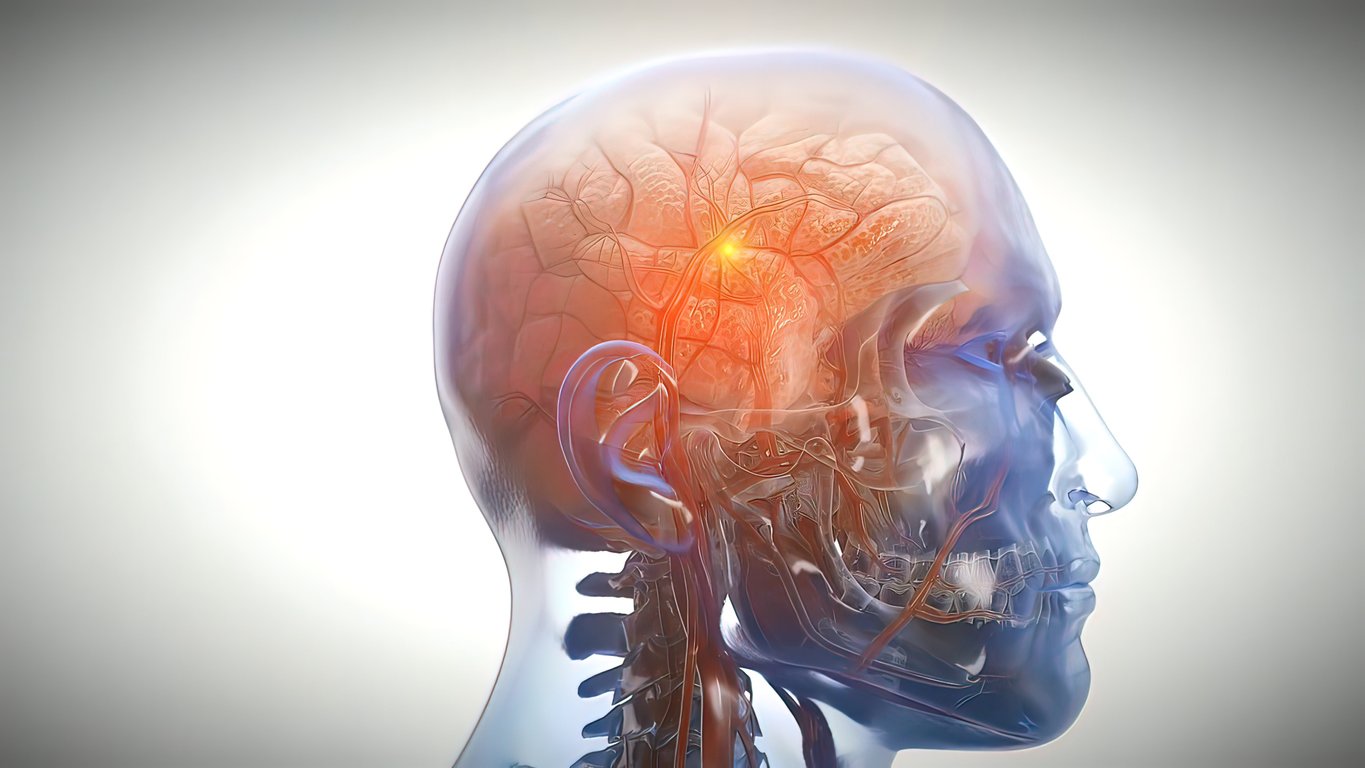
The team developed a groundbreaking research model using mouse neurons. By reducing TIMM50 levels in these neurons, they observed diminished energy production linked to developmental delays.
At the same time, the researchers found that the impaired TIMM50 protein causes neurons to fire electrical signals more frequently than normal.
While electrical signals are necessary for communication between brain cells, excessive signaling is linked to epilepsy.
The researchers traced this abnormal activity to an imbalance in potassium levels that can lead to life-threatening conditions, such as arrhythmias, cardiac arrest, and muscle weakness, potentially leading to paralysis.
“Potassium is a key element in the electrical signal transfer across neurons,” Azem said. “Researching the potassium dysfunction in the TIMM50 protein can lead to effective treatment.”
The scientists believe that their innovative model of mouse neurons, combined with their study of mitochondria and the TIMM50 protein mutation in brain cells, will enable further research.
“We’re optimistic that the findings will enable treatments for a range of neurological diseases,” said Azem.
Azem’s team included Prof. Uri Ashery, PhD student Eyal Paz, Dr. Sahil Jain, and Dr. Irit Gottfried. Other contributors included Dr. Orna Staretz-Chacham of Ben-Gurion University, Dr. Muhammad Mahajnah of the Technion, and researchers from Emory University in Atlanta.










The Times of Israel Community.