

It’s all in the details in architectural exhibit at Israel Museum
‘Jerusalem in Detail’ brings David Kroyanker’s latest work, a four-volume treatise on the ancient city, to the museum gallery
 Add ToI as a Preferred Source on Google
Jessica Steinberg, The Times of Israel's culture and lifestyles editor, covers the Sabra scene from south to north and back to the center
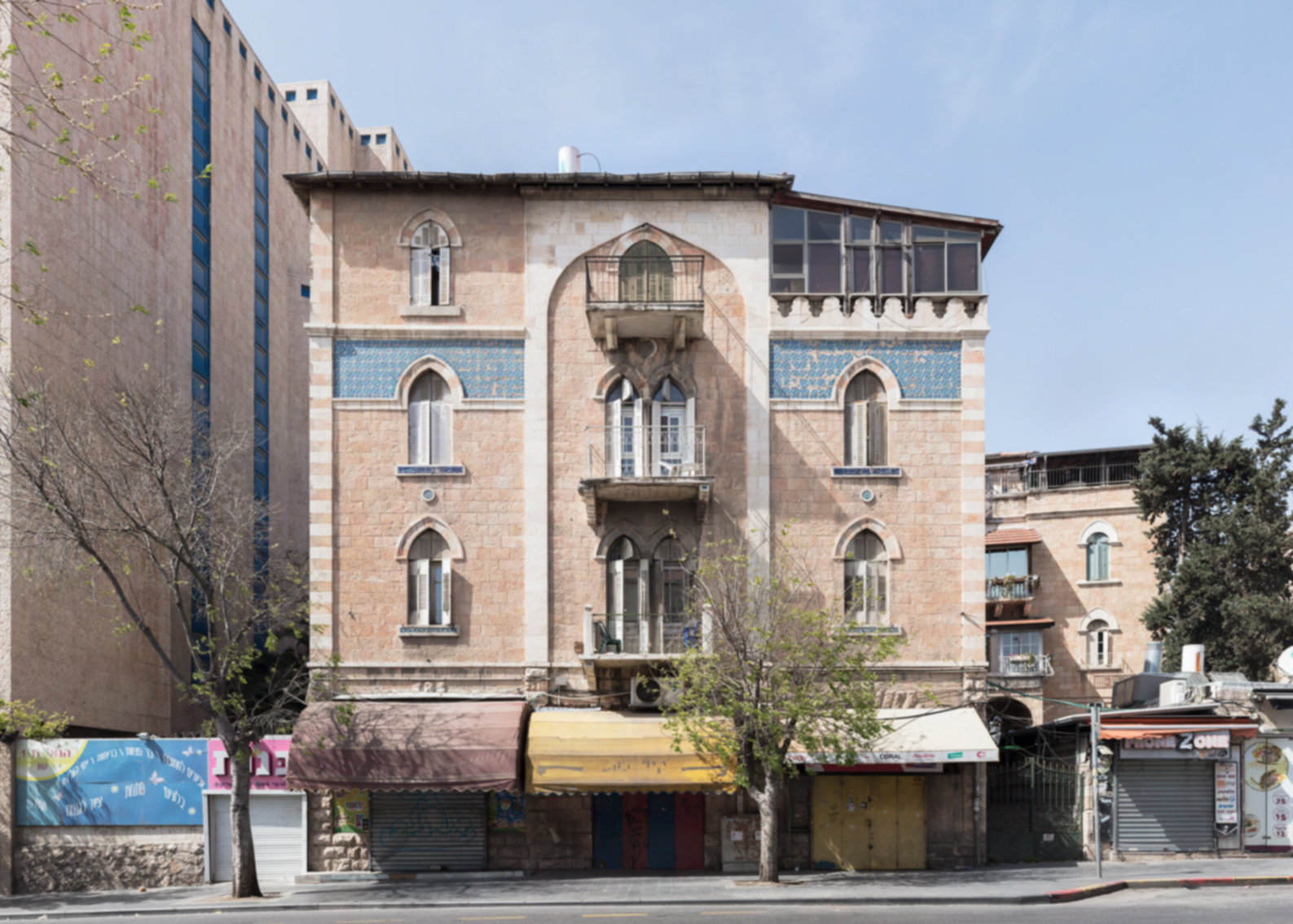
The city of Jerusalem, a landscape of pale limestone buildings, jumbled storefronts and noisy streets, is a place where the history is all in the details.
That is, the architectural details.
It’s these kinds of features, whether stone engravings hidden in plain sight at the top of a doorway, ceramic tiles embedded in a lintel or a family name fashioned out of an iron gate, that tell the story of this ancient city, although many of these architectural facets nearly disappear in the city’s daily chaos.
Architect and historian David Kroyanker noted, cataloged and wrote about these design fragments in his four-volume set titled, “Jerusalem Design: God is in the Details,” now the subject of “Jerusalem in Detail,” a new exhibit at the Israel Museum, celebrating the city’s jubilee year.
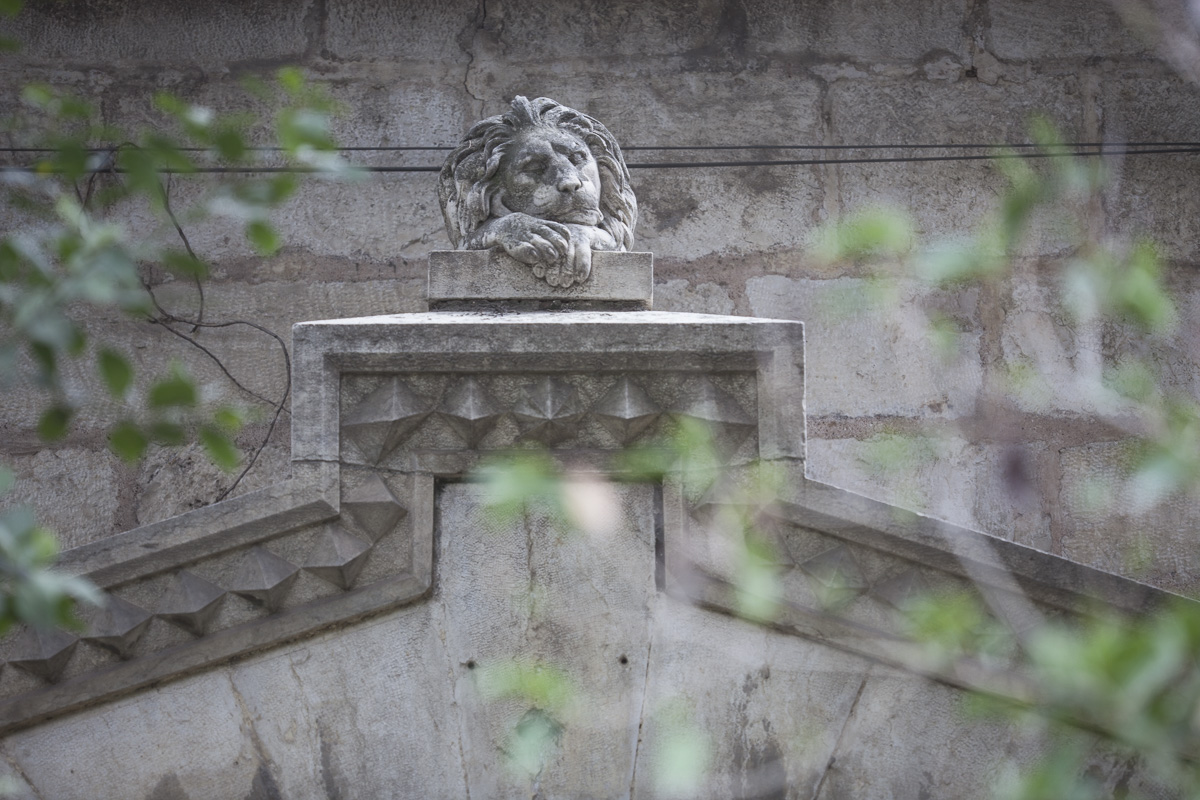
The exhibit, housed in the main gallery of the museum, is organized according to the various types of architectural details discovered by Kroyanker in his decades of research.
“There are more beautiful details in cities like Moscow or Paris,” said Keren Kinberg, who assisted curator Dan Handel over the course of one year, to organize the exhibit. “But in Jerusalem it’s the unique arrangement of details, how people left their imprints in Jerusalem over the course of hundreds of years.”
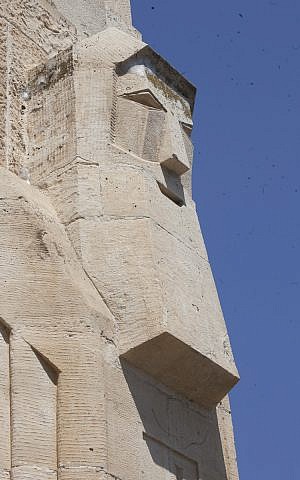
The exhibit opens with multiple oversized screens showing different street scenes in Jerusalem, honing in on the facades of particular buildings and their often hidden architectural details that suddenly appear when looking at them head on.
From there, the gallery opens into one large room divided by massive architectural images of certain buildings and facades located throughout the city.
Each photograph shows all the details of each building, from rusted window bars to faded address signs, and enable visitors to look closely at what is often hidden when simply walking by a building.
On the first photograph, of the Diskin Orphanage, there is an engraved stone palm tree along two sides of the building, a stonework detail that became a stereotypical feature of the holy land, found in Jewish and Muslim buildings.
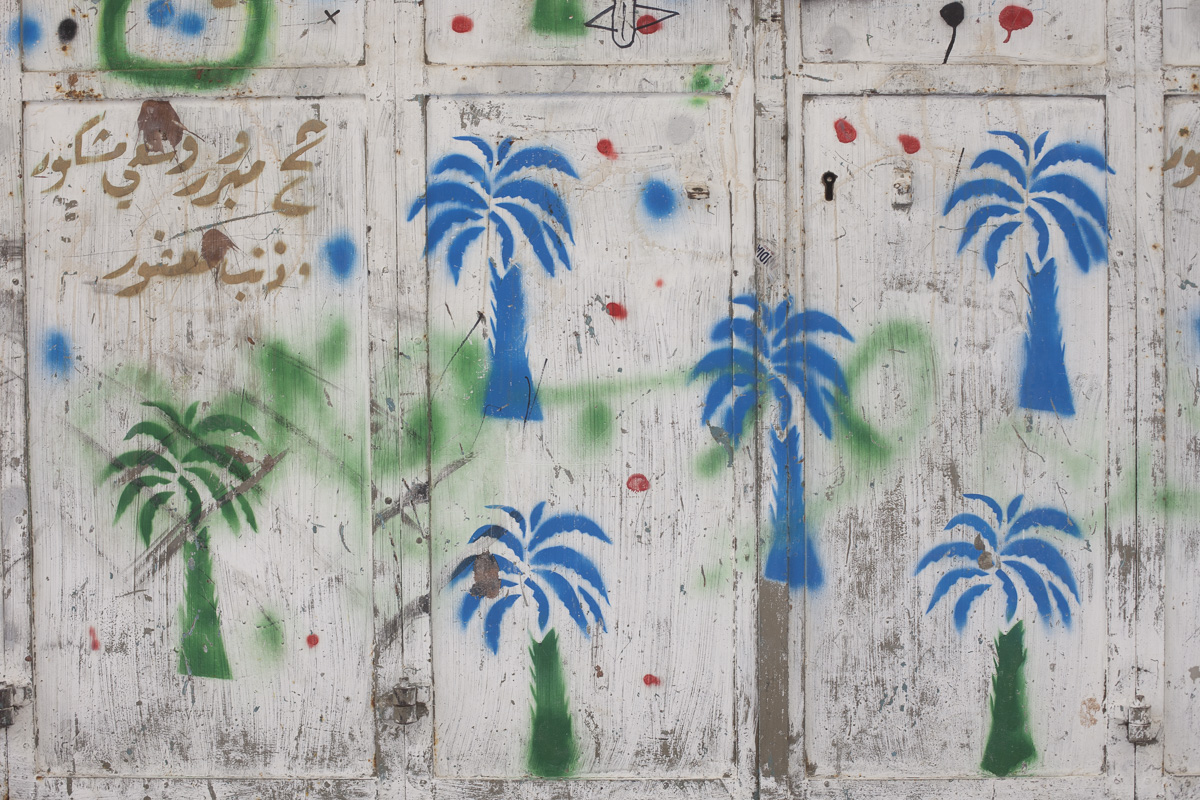
It’s an image that has become intertwined with that of the Jewish state, appearing later as sterling silver rollers on a Torah scroll, featured in archival photos from the museum’s collection, even in colorful stencils decorating the homes of Muslim pilgrims who traveled to Medina.
The next section focuses on the Armenian ceramics that became synonymous with Jerusalem, with rows of blue-and-white tile decorating balconies or set in a circular shape above the front door.
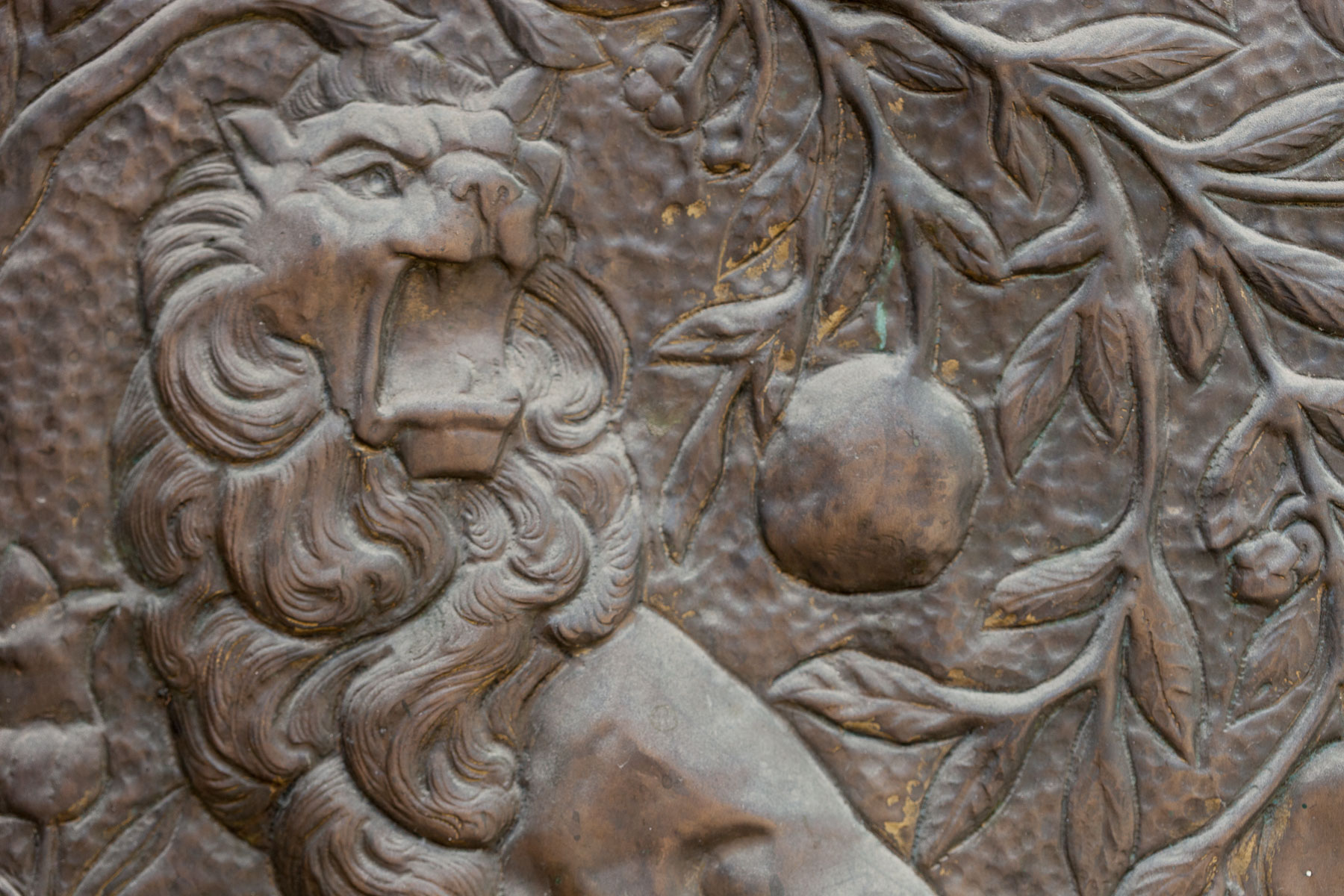
A third section celebrates the decorative iron works that were smelted into the front gates of grand, Arab-owned villas in Talbieh and the different scripts, or writing, in Hebrew, English, Arabic, Greek or German, that told some of the history of the building that once stood there.
It’s worth using the audio guide created for the exhibit, as Kroyanker is the voice on the tour, telling, in his own words, how he made his discoveries and researched their connections.
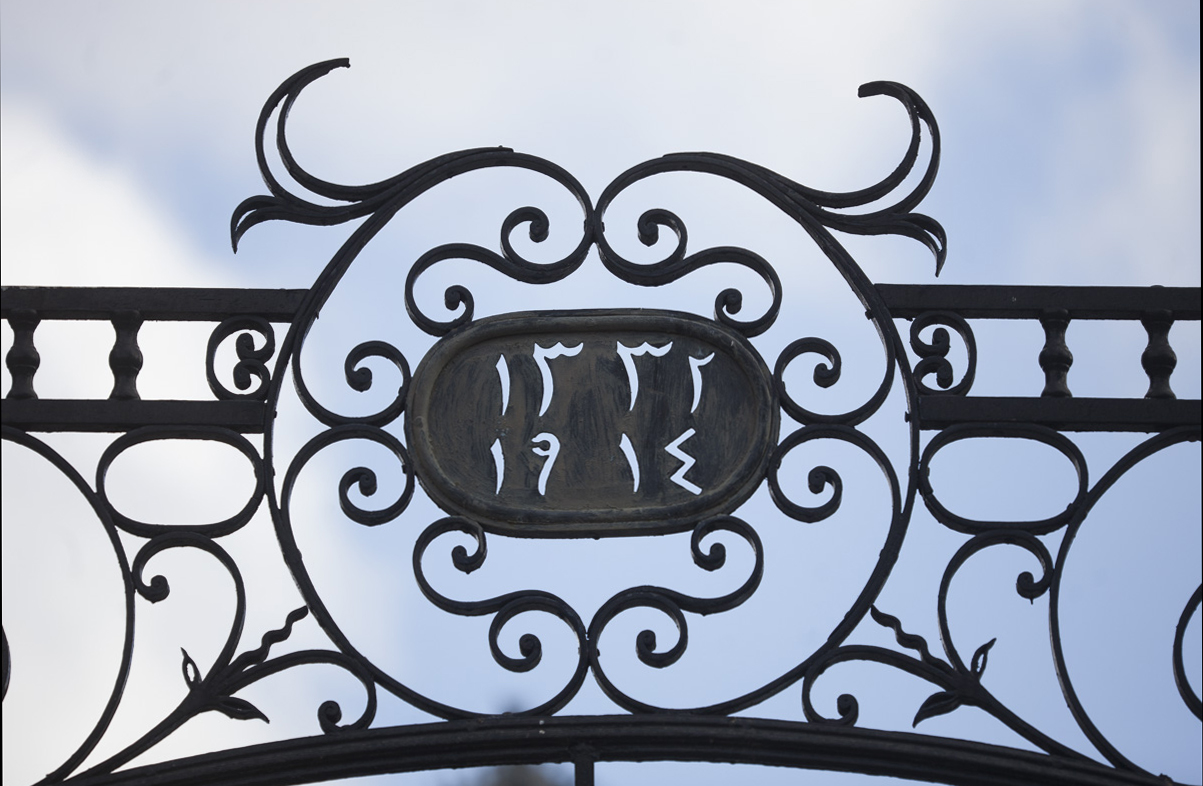
It’s a chance to pick out details that viewers may now be familiar with, or may want to get to know better on their own jaunts through the city.
“Jerusalem in Detail,” opened October 6, 2017, at the Israel Museum.










The Times of Israel Community.