

Jerusalem welcomed Jewish refugees 2,700 years ago, new finds show
A trove of clay imprints from official documents indicates that after the destruction of the Kingdom of Israel, refugees fled to the Kingdom of Judah, where they rose in the ranks
 Add ToI as a Preferred Source on Google
Deputy Editor Amanda Borschel-Dan is the host of The Times of Israel's Daily Briefing, What Matters Now and The Reel Schmooze podcasts, and heads up The Times of Israel's features.
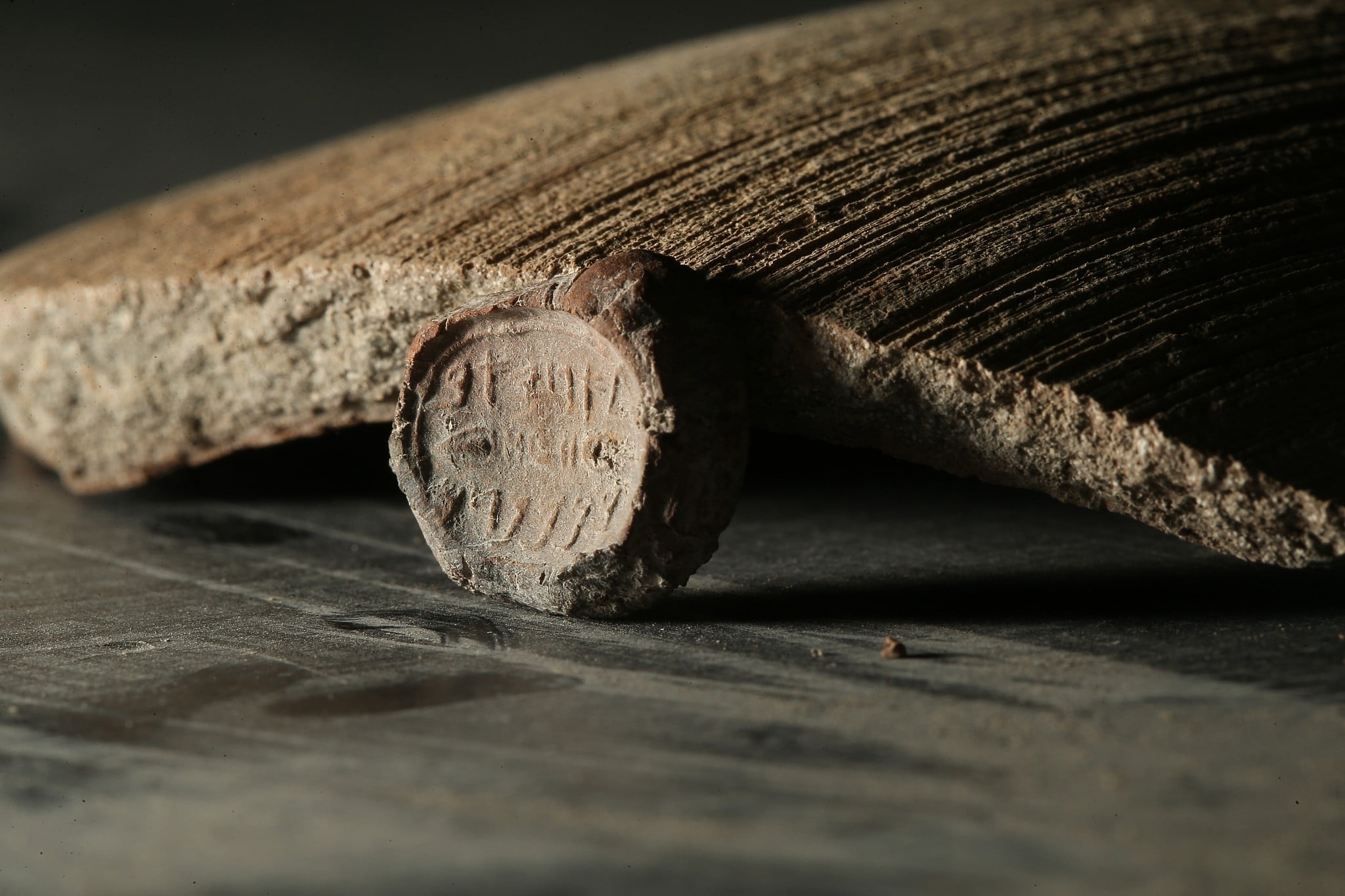
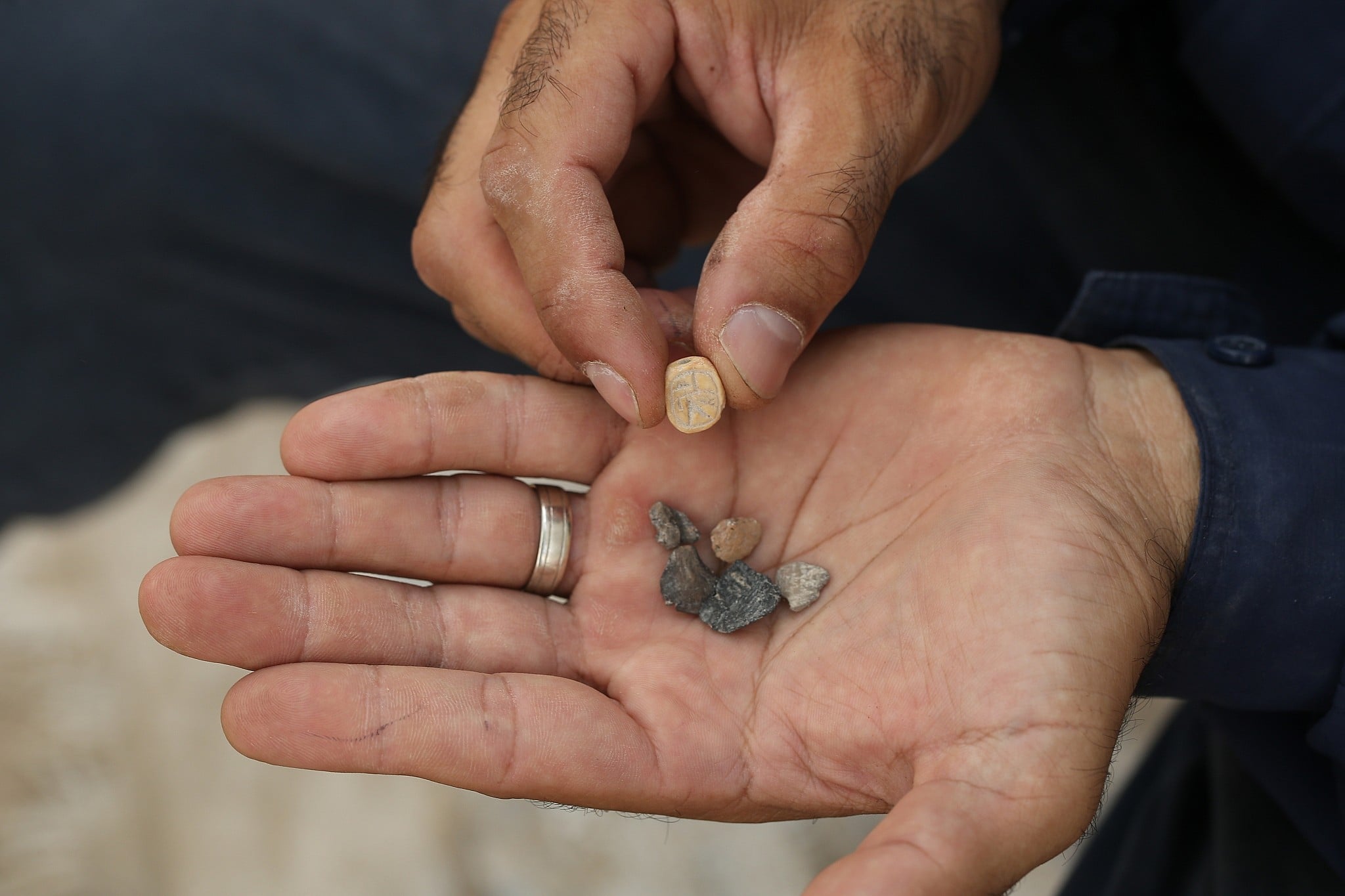
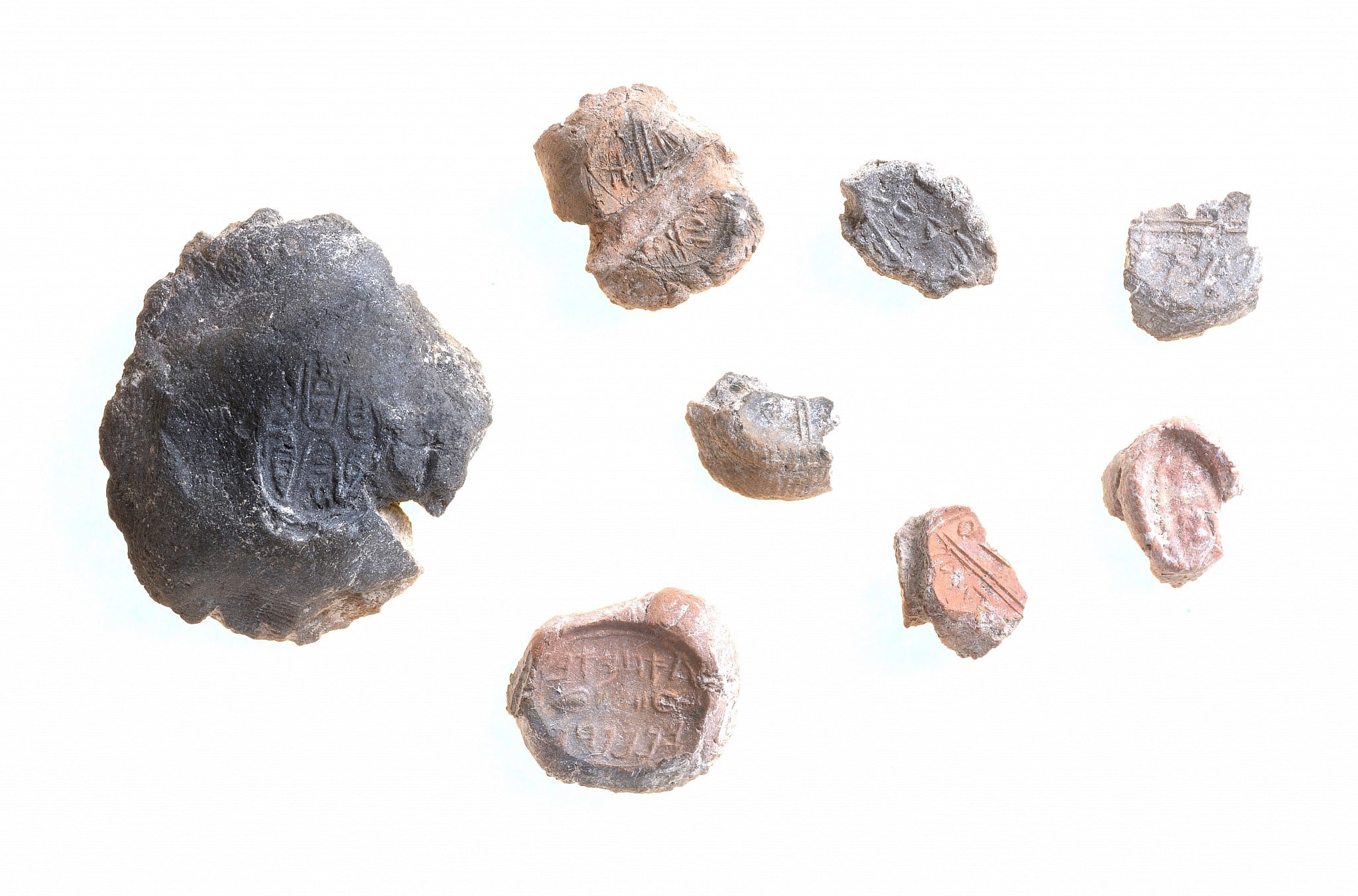
Millennia ago, Jerusalem may have opened its doors to thousands of refugees from the north of the country. A new cache of First Temple bullae (sealings) discovered in an excavation at Jerusalem’s City of David shows a mixture of names from the Kingdom of Israel and Judah used on official bureaucratic correspondence dating from after the fall of Israel at the hands of the Assyrians in 720 BCE.
The dozens of clay imprints were used on letters and documents which were bound by string and sealed by wet clay pressed with the sender’s mark or name. The impressive trove was discovered at recent digs uncovering three Late Iron Age buildings frozen in time by the destruction caused by the 586 BCE Babylonian siege. The discovery was made by a team of Israel Antiquity Authority archaeologists led by co-directors Dr. Joe Uziel and Ortal Chalaf.
Among the dozens of bullae is a rare find of an intact sealing, bearing the name “Ahiav ben (son of) Menahem,” referring to two kings of Israel but found in the capital of the Kingdom of Judah, Jerusalem.
Miami-native Uziel immigrated to Israel 25 years ago at age 18. After earning his degrees at Bar-Ilan University, he has worked with the IAA for the past six years on digs in the City of David and in the Western Wall Tunnels.
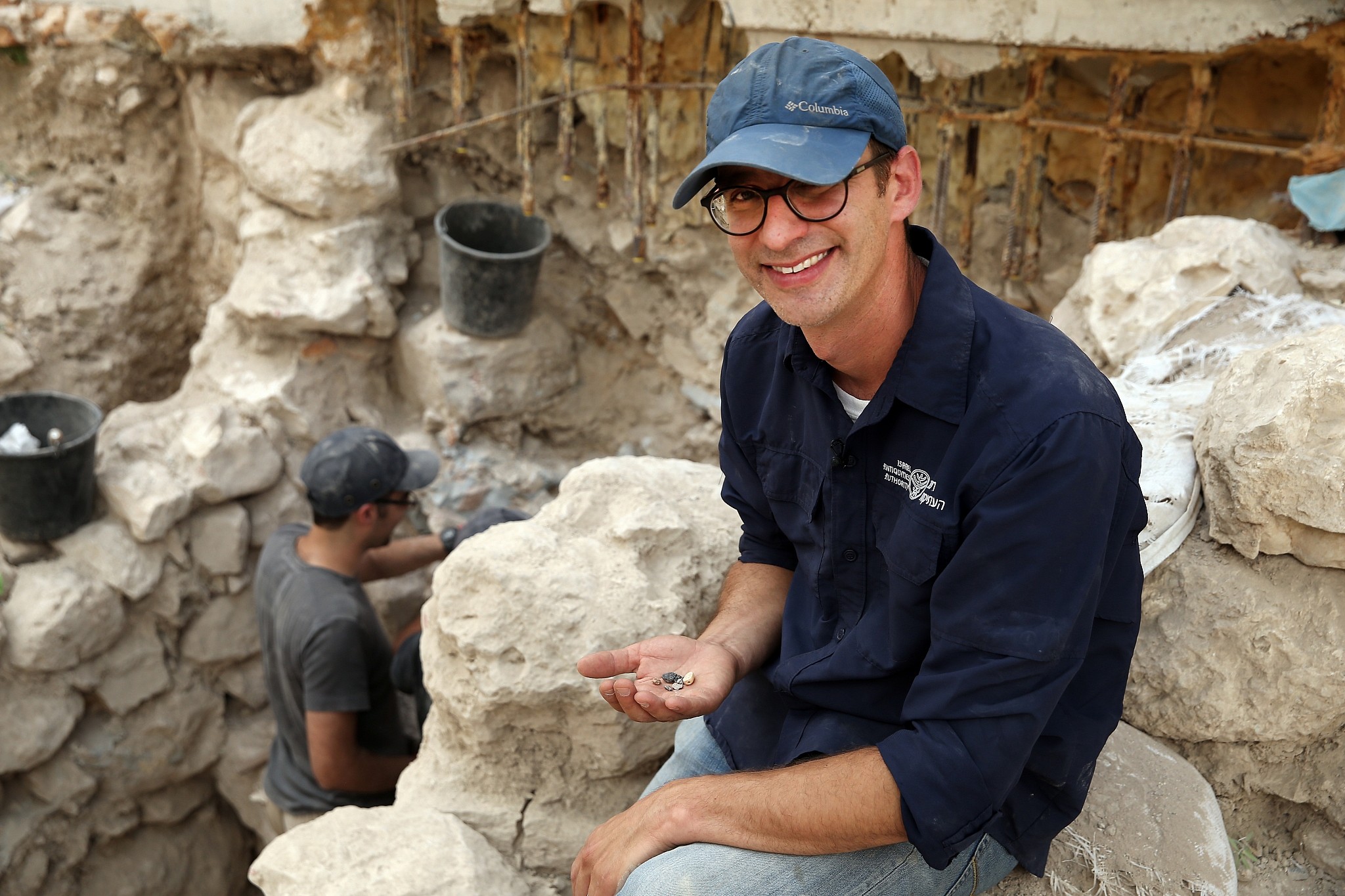
The bullae, Uziel told The Times of Israel on Monday, were discovered in recent months on the eastern slopes of the City of David, right outside of the entrance to the Warren Shaft, during his excavations of the three buildings “that were probably constructed in 8th cent BCE and destroyed in the Babylonian destruction.”
Uziel said the buildings have offered up a wealth of finds, including these dozens of bullae, which will be temporarily exhibited this week at an archaeology conference at the City of David.
Bullae have been discovered in large quantities in the City of David over the past 40 years, said Uziel, citing past excavations performed by Yigal Shilo and more recent ones under Roni Reich and Eli Shukron. As a whole, said Uziel, they are “another indication of the well-developed administration system in the Kingdom of Judah in late First Temple period.”
Early sealings are characterized by images rather than words. “In later stages of the period – from the time of King Hezekiah (around 700 BCE) and up to the destruction of Jerusalem in 586 BCE — the seals bear the names of clerks in early Hebrew script,” according to the IAA.
City of David archaeologists are discovering more names on the bullae, giving insight into who the officials were who “stamped the letter,” said Uziel.
“We’ve found a whole slew of names of important people who lived in Jerusalem in the First Temple Period,” he said. Among the names is “Pinhas,” a name still used today.
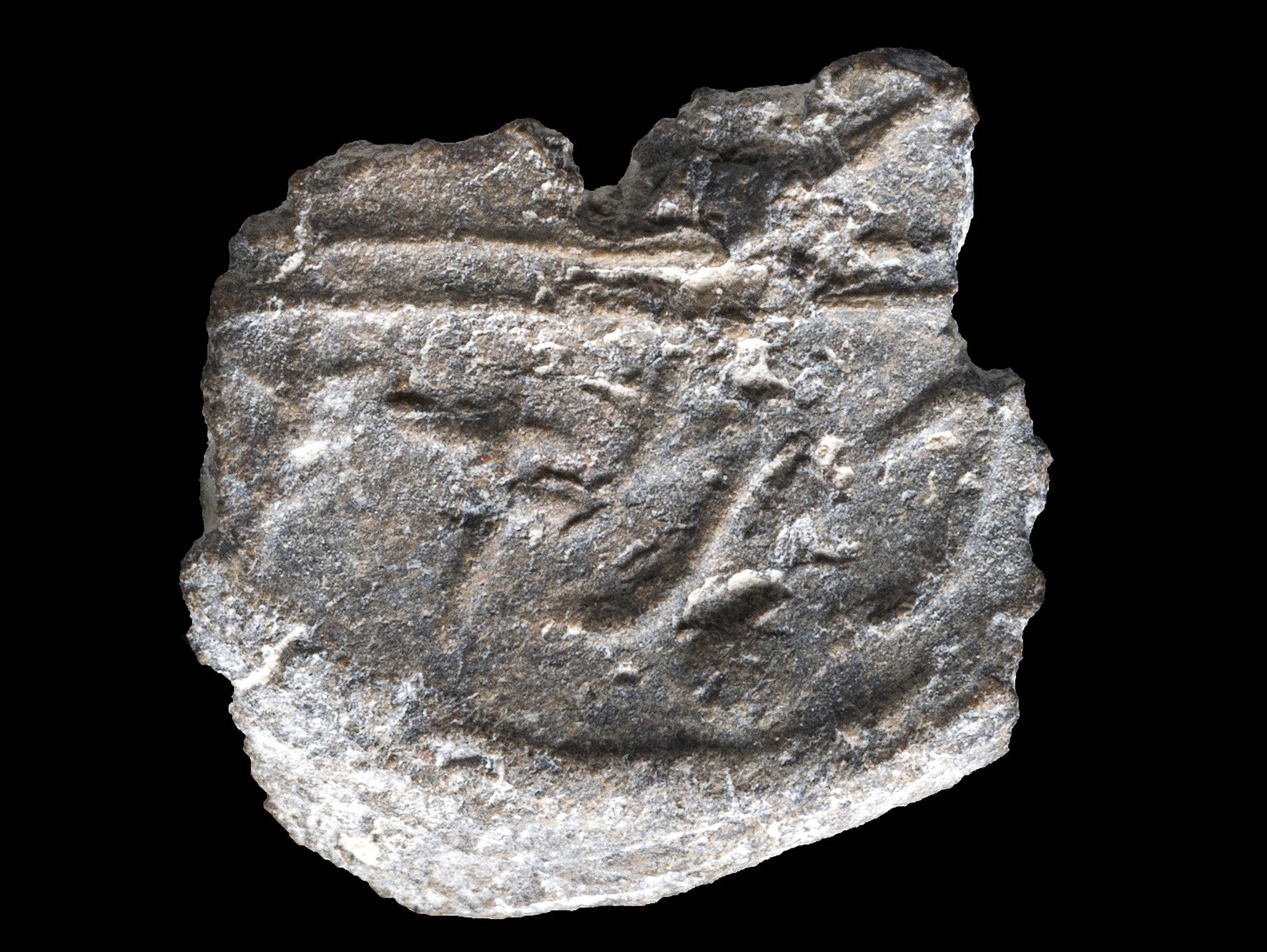
As a matter of course, explained Uziel, sealings were usually broken when the documents were opened. He gave the example of a scene from “Robin Hood” in which Marian seals a letter in wax for privacy.
But this intact seal bore the Israelite name “Ahiav ben Menahem,” an amalgamation, albeit with one small change in spelling, of the names of two Israelite kings, Ahav and Menahem.
The name of the notorious king Ahab, whose wife Jezebel allegedly aided the king to follow the ways of idolatry, was found on a seal discovered in the Judaean settlement at Lachish, written as Ahav. As a name, it is found in variant forms in Assyrian, and in the Elephantine Aramaic documents it is found as “Ahiav.” In Greek, in the Greek writings of Josephus Flavius, there appears an Ahiav, as well as in the Septuagint. In the Greek translation of the Bible, the king is referred to as “Aha’av,” whereas a prophet mentioned in Jeremiah 29:21 is “Ahiav.”
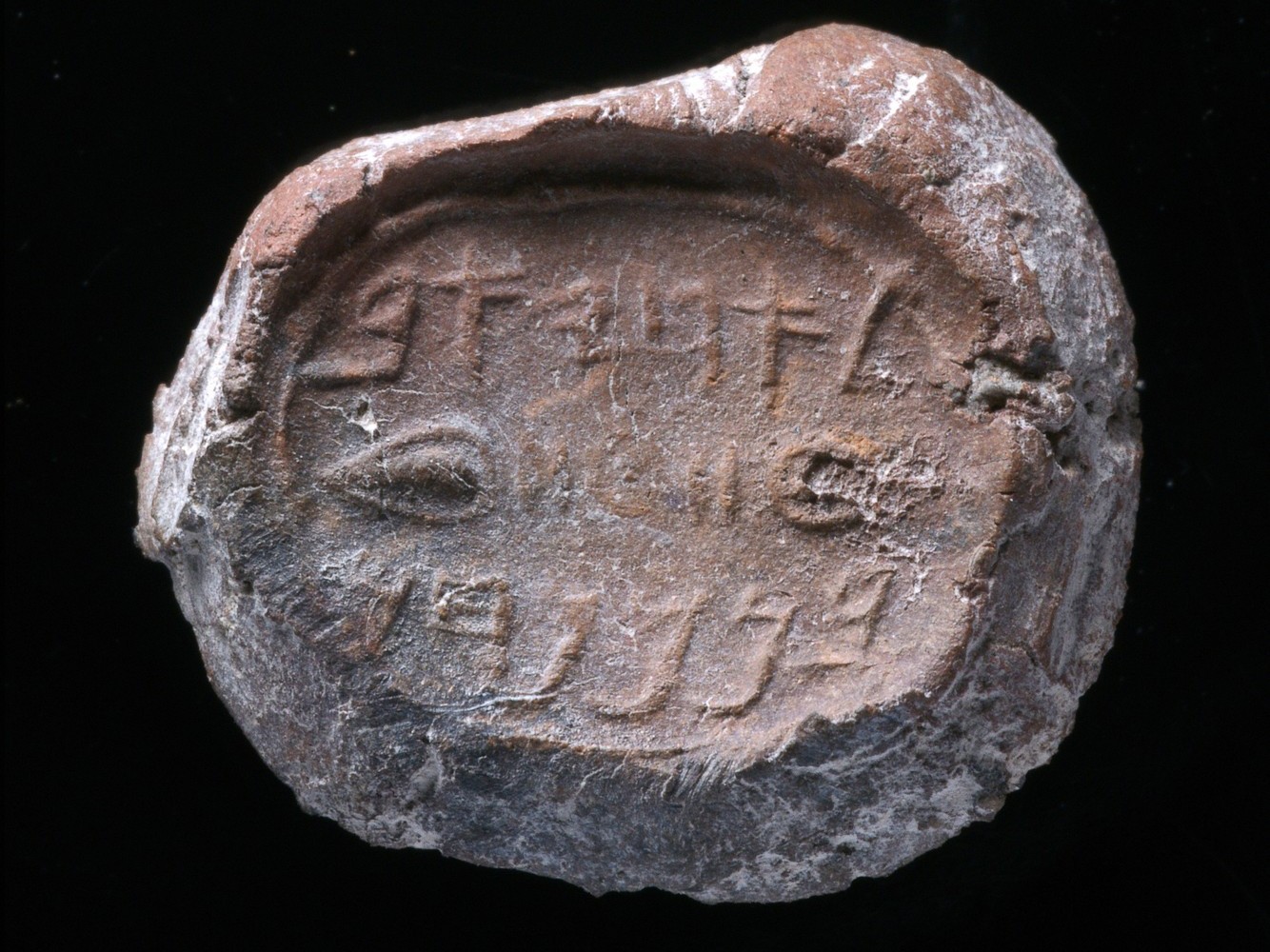
According to co-director Ortal Chalaf, these Israelite names and other findings point to the possibility that after the destruction of Israel, refugees fled the Kingdom of Israel for the Kingdom of Judah, and settled in Jerusalem. After settling, the use of their names on official correspondence shows that these Israelites gained important roles in the Judaean administration, said Uziel.
“These names are part of the evidence that after the exile of the Tribes of Israel, refugees arrived in Jerusalem from the northern kingdom, and found their way into senior positions in Jerusalem’s administration,” according to the two co-directors.








The Times of Israel Community.