

Jordanian king makes rare West Bank trip seen as message to Israel
Abdullah II meets with Abbas in Ramallah for two hours in show of support after Temple Mount crisis; not scheduled to see Netanyahu
 Add ToI as a Preferred Source on Google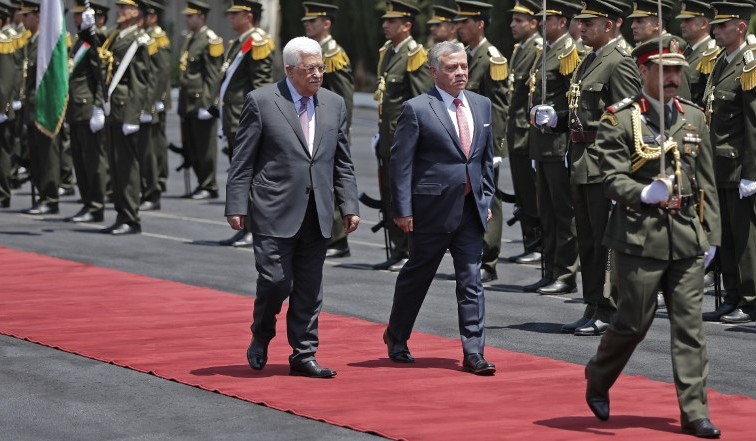
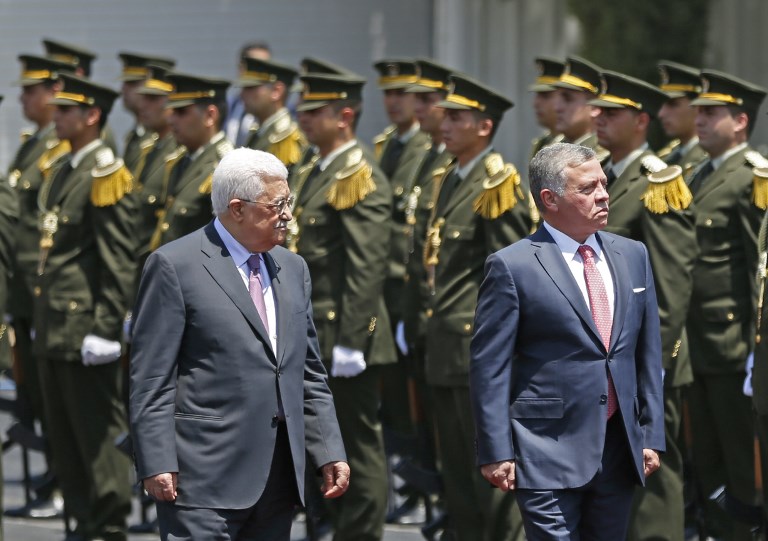
Jordan’s king flew by helicopter to the West Bank on Monday for a rare visit seen as a signal to Israel that he is closing ranks with the Palestinians on key issues, such as the contested Temple Mount in the Old City of Jerusalem.
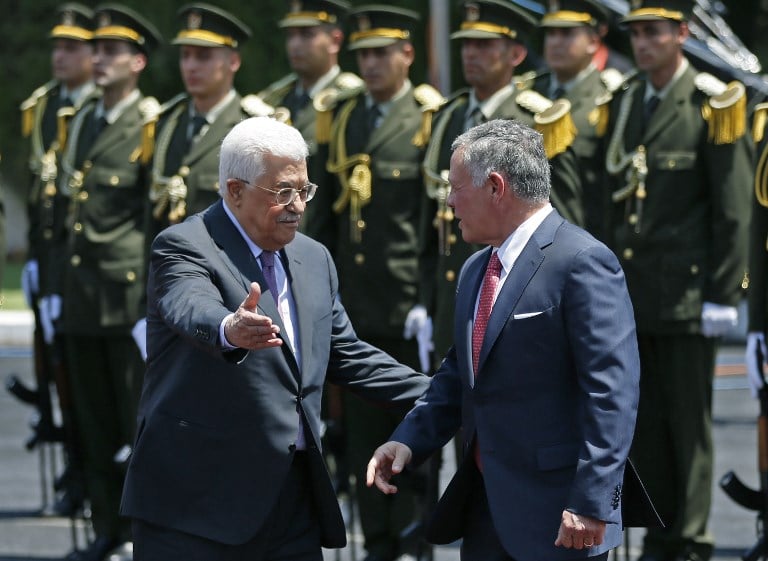
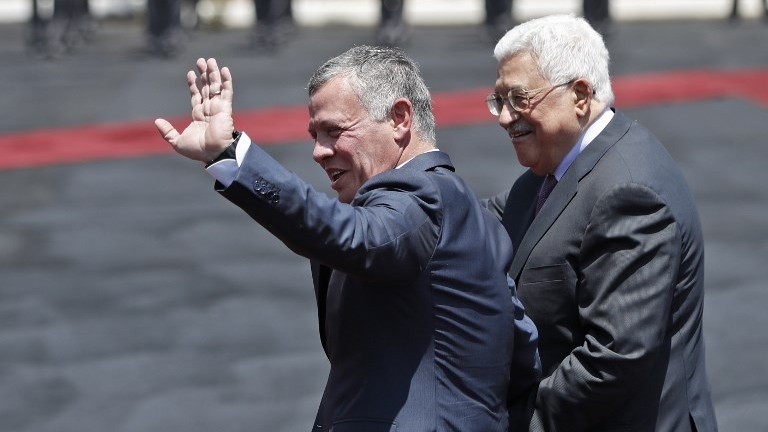
Abdullah II met with Palestinian Authority President Mahmoud Abbas in Ramallah in his first visit to the West Bank in five years.
Palestinian officials said the Jordanian ruler and PA president were slated to discuss efforts to revive the Israeli-Palestinian peace process, stalled since 2014.
The meeting lasted approximately two hours. Abdullah returned to Jordan immediately after the meeting. No official statements were released.
“The future of the Palestinian issue is at stake and reaching a solution is becoming more difficult,” Abdullah had said Sunday during a meeting with the speaker of the Jordanian parliament and heads of parliamentary committees. “There will be no breakthrough in the peace process if there is no American commitment to support a solution to the Palestinian issue.”
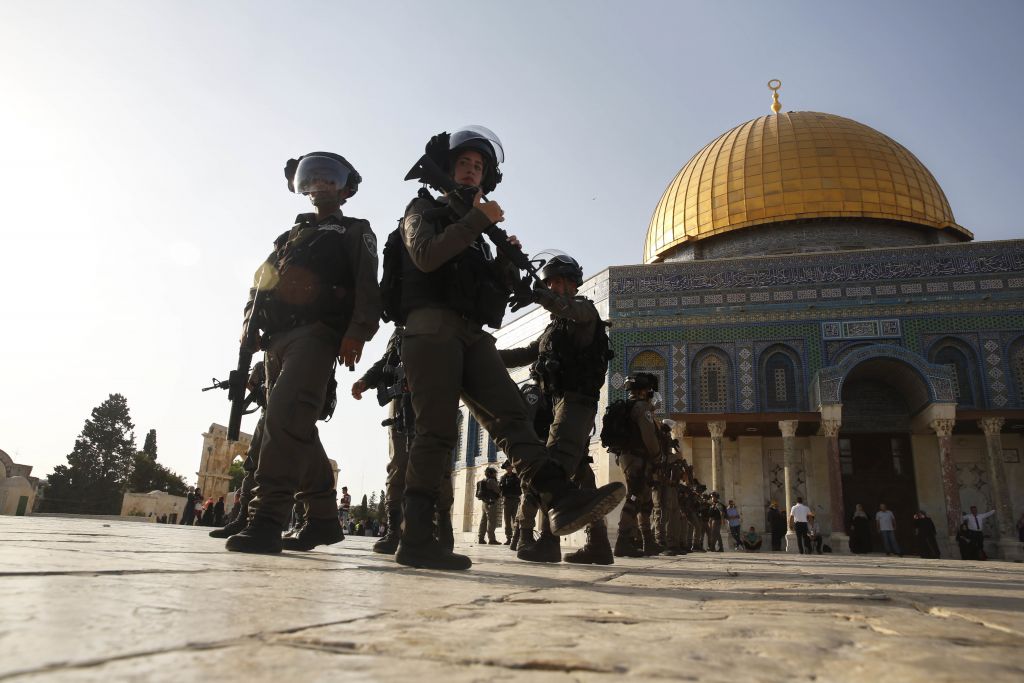
The monarch’s visit came after a spike in Jordanian-Israeli tensions over the Temple Mount, which is holy to both Jews and Muslims, and a deadly shooting incident involving an Israeli embassy guard in Amman. Abdullah wa not scheduled to meet with Prime Minister Benjamin Netanyahu during the trip.
“Were it not for Hashemite guardianship and the steadfastness of Jerusalemites, the holy sites would have been lost years ago,” the king said Sunday. “Our success requires a unified position with our Palestinian brethren so that our cause will not be weakened and we can preserve our rights.”
A July 14 terror attack on the Mount, in which three Arab Israelis shot dead two police officers using guns they had smuggled into the holy site, prompted Israel to install metal detectors and other security measures there. The new Israeli measures prompted the Waqf Islamic trust, which administers the site on behalf of Jordan, to announce a boycott that devolved into nightly clashes between Palestinians and Israeli forces.

The strain in ties between Israel and Jordan was exacerbated by an incident that saw an Israeli guard at the embassy compound in Amman shoot dead two Jordanian men, one of whom had attacked him with a screwdriver.
Jordan was seen as playing a central role in resolving the Temple Mount standoff by releasing the guard to Israel, which then removed the metal detectors. Israel later rolled back other security measures as well amid massive Arab pressure, after almost two weeks of violent protests in Jerusalem and the West Bank.
When Netanyahu warmly greeted the guard upon his return to Israel, Abdullah said there would be diplomatic consequences. The king also said last week that Jordan was continuing to push for the prosecution of the guard.
Abdullah’s role as Muslim custodian of the Jerusalem shrine is a key component of his legitimacy. Last week he announced that he would donate 1 million Jordanian dinars ($1.4 million) to the Waqf, which is funded by Amman.
Dov Lieber contributed to this report.


The Times of Israel Community.