

Lebanese army chief urges troops to ‘be fully prepared’ for Israeli attack
General Joseph Aoun warns the Jewish state has ‘hostile intentions’ against Lebanon, as tensions rise in the region
 Add ToI as a Preferred Source on Google
Dov Lieber is a former Times of Israel Arab affairs correspondent.
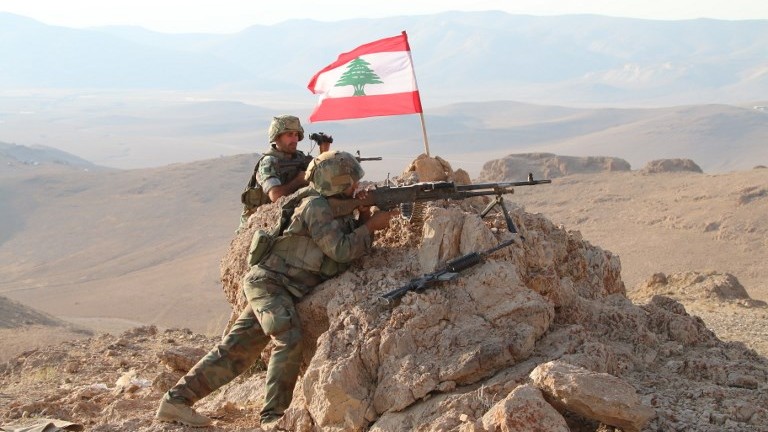
The commander of the Lebanese Armed Forces, General Joseph Aoun, on Tuesday urged his troops to be “fully prepared” to confront Israel amid spiraling tensions in the area.
“I call upon you… to be fully prepared on the southern border to confront the Israeli enemy’s threats and violations,” Aoun said in a speech marking the 74th anniversary of Lebanon’s independence.
The general also warned that Israel has “hostile intentions against Lebanon, its people, and army.”
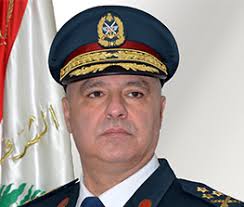
Aoun also called on his soldiers to ensure the implementation of United Nations Resolution 1701, with the help of the UN, and “preserve stability.”
Resolution 1701 ended the 2006 war between Israel and the Lebanese terror group Hezbollah. It called for both sides to respect the UN designated borders and buffer zones and for the disarmament of armed groups in Lebanon.
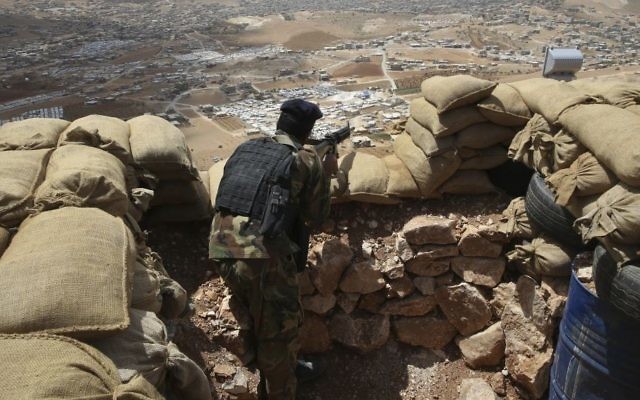
The Lebanese army is seen as a largely ineffective force, incapable of confronting the better armed and battle-hardened Hezbollah forces. It has made no attempt to disarm the Iran-backed Hezbollah, whose political wing is part of Lebanon’s government.
Aoun’s call for his troops to be ready for an Israeli attack comes amid rising tensions between Israel and Hezbollah as well as a political crisis between Beirut and Saudi Arabia, sparked by Lebanese Prime Minister Saad Hariri’s surprise resignation. Hariri cited the meddling of Iran and its proxy Hezbollah in the region, and fears for his life, as the reasons he was stepping down. His November 4 resignation broadcast from the Saudi capital is widely believed to have been engineered by the Gulf kingdom.
Hezbollah alleged in recent weeks that Saudi Arabia was urging Israel to attack Lebanon.
The Arab League on Monday condemned Iran and its proxy Hezbollah, which it accused of terrorism and of supporting “terrorist groups” across the region.
In response to the Arab League condemnation, the Lebanese president defended Hezbollah, saying his country had been subject to Israeli “aggression” for decades and had the right to protect itself.
“Lebanon was able to face the Israeli aggression since 1978 until the 2006 war. It was able to liberate its land. Israeli threats are still ongoing; the Lebanese have the right to fight and thwart it with all available means,” Michel Aoun said.
Meanwhile, Israel has been vocal in saying that it would not allow Hezbollah — which has been fighting in Syria on behalf of President Bashar Assad’s regime — a presence on its border with Syria. It has also said any attack by Hezbollah on Israel would be seen as an attack by Lebanon itself.
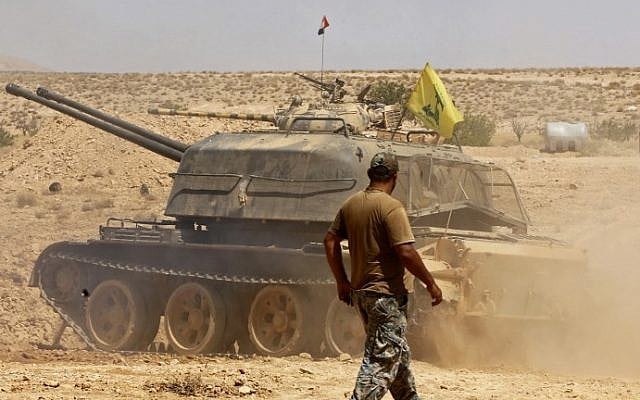
Israel and Hezbollah, however, have both said they are not interested in a war at the moment.
On Monday Defense Minister Avigdor Liberman urged lawmakers to boost military spending by over $1 billion over the next three years, citing shifting developments in Syria, especially the increased Iranian presence in the country.
The defense minister noted significant shortages in the number of bomb shelters in northern Israel, which would be the part of the country most affected by a possible war with Hezbollah.
“This is a population that will not get up and build [shelters] for itself. If the state wants to ensure the safety of civilians, it needs to get in there as quickly as possible,” he said.






The Times of Israel Community.