

Liberman: Settlement building at highest level since 1992
Responding to critics, defense minister warns that calling for any more building could endanger entire settlement enterprise
 Add ToI as a Preferred Source on Google
Jacob Magid is The Times of Israel's US bureau chief
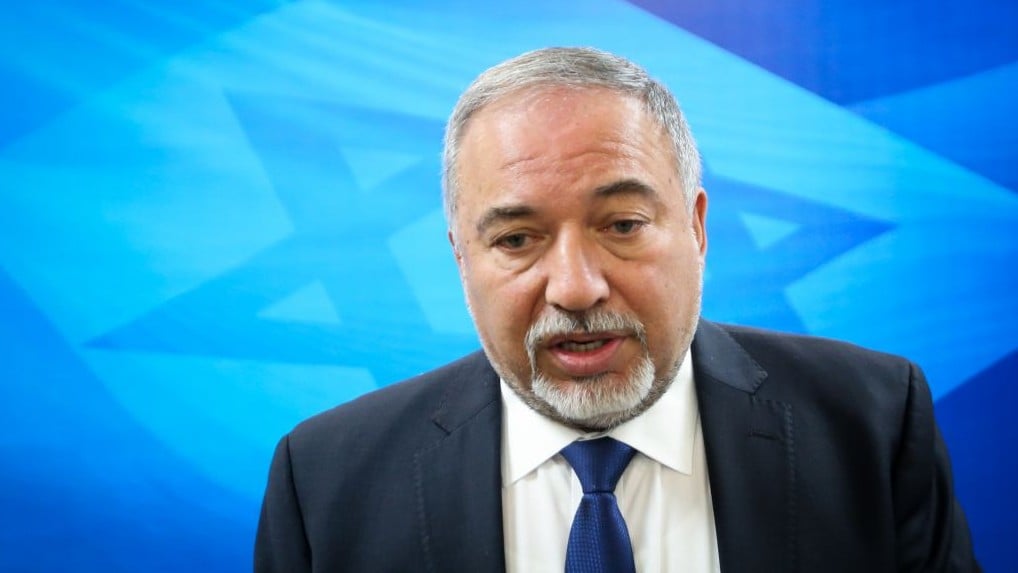
Defense Minister Avigdor Liberman boasted Sunday that West Bank settlement building numbers were the highest they have been since in over 20 years, and warned that clamoring for more construction could bring the whole enterprise tumbling down.
Responding to criticism from settler leaders over what they believe to be an insufficient amount of construction in the West Bank, Liberman warned that the rate of building was as high as it could possibly go.
“Anyone who claims that it was possible to approve more construction in the settlements is not just trying to stretch the rope but to tear it completely, thereby endangering the entire settlement enterprise,” the defense minister said at the start of the weekly cabinet meeting.
“There was and will not be a government that will take better care of the Jewish settlement in Judea and Samaria,” Liberman added, using the biblical term for the West Bank. He said settlement building numbers for the first half of 2017 were the highest they have been since 1992.
Liberman, who is required to authorize each approval by the Civil Administration’s High Planning Subcommittee, said 3,651 housing units were greenlighted last week and a total of 8,345 units have been okayed since the beginning of the calendar year, terming the figures “the maximum.”
The figures were similar to those published by settlement watchdog Peace Now last week.
Counting plans and tenders, Peace Now said 7,721 units had been advanced this year, almost triple the number for all of 2016, which amounted to 2,699.
Peace Now could not immediately say whether it agreed that this year’s figures were the highest since 1992, which is before settlement construction slowed as a result of the Oslo accords.
Last week, settler leaders blasted as unsatisfactory the number of construction projects advanced by the subcommittee.
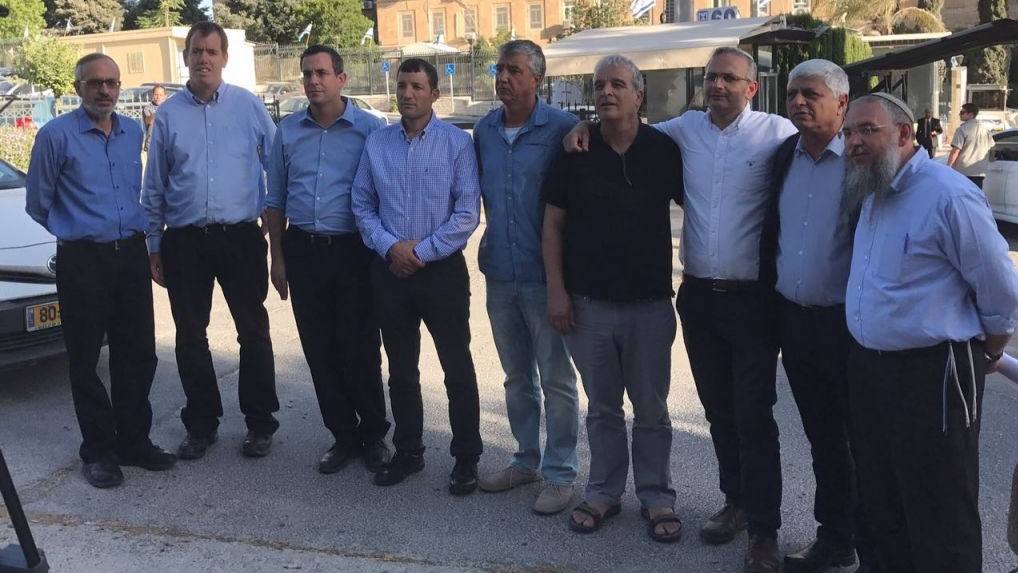
The uproar led to a meeting on Thursday between Prime Minister Benjamin Netanyahu and the heads of various West Bank regional councils to discuss ways to further advance settlement building.
While the settler leaders left the meeting speaking of a positive atmosphere, they were unable to name any concrete gains.
Samaria Regional Council Head Yossi Dagan dismissed Liberman’s numbers on Sunday, saying they had been mistallied. “I have great respect for the defense minister, but his numbers are unfortunately incorrect,” he said.
Dagan claimed that in order for Liberman to arrive at his figure of 8,345, the defense minister double-counted many of the housing units. “The actual number is less than 2,000, in comparison to the 20,000 units that the cabinet approved for Arab residents living in Area C of Judea and Samaria,” he said, the part of the West Bank that is under Israeli administrative and military control. He accused the government of having a de facto settlement freeze.

Among the plans advanced by the Civil Administration’s High Planning Subcommittee last week were 102 housing units for the new settlement of Amichai built for evacuees of the illegal Amona outpost.
An Israeli government-sanctioned settlement would be the first official new settlement in a quarter of a century.
Also approved by the subcommittee were 839 and 603 housing units for the Ariel and Ma’ale Adumim settlements respectively.
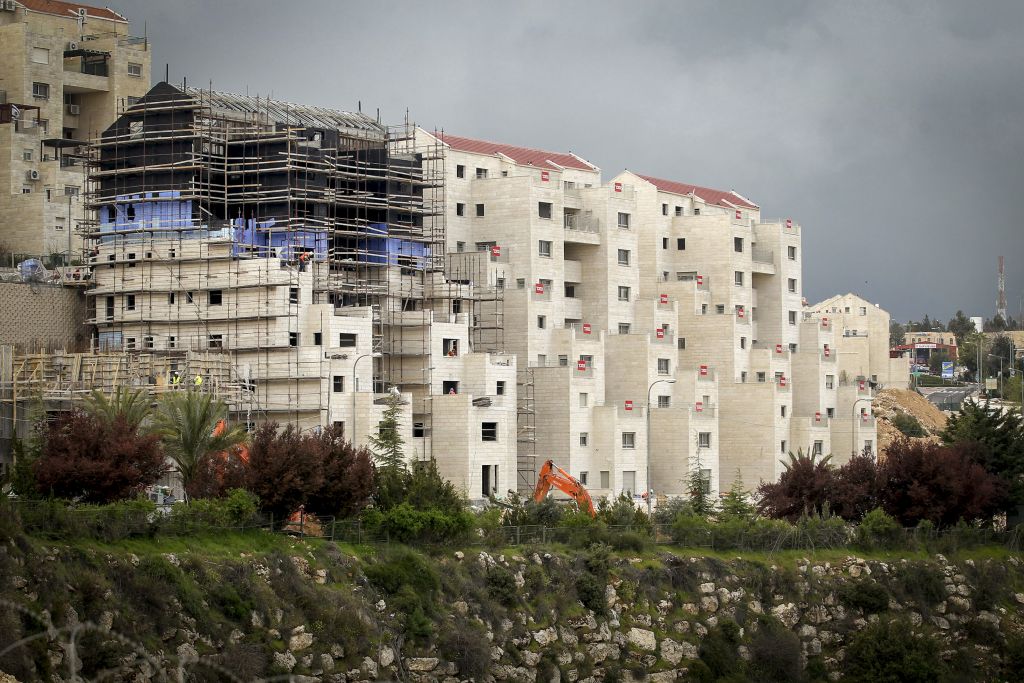
In addition, the Defense Ministry body approved 255 housing units in the Kerem Re’im outpost near the settlement of Talmon, west of Ramallah, retroactively legalizing an illegal outpost.
“The Defense Ministry approved the planning of Kerem Re’im as a ‘neighborhood’ of Talmon when the two are considerably far away from one another,” Lior Amichai of the Peace Now settlement watchdog pointed out. “This goes against the government’s agreement not to build outside of existing neighborhoods.”









The Times of Israel Community.