

 From the Liveblog of
Wednesday, August 5, 2026
From the Liveblog of
Wednesday, August 5, 2026
Fuel consumption rocketed after wartime slump even as prices surged, ministry data shows
 Add ToI as a Preferred Source on Google
Joshua Davidovich is The Times of Israel's Deputy Editor
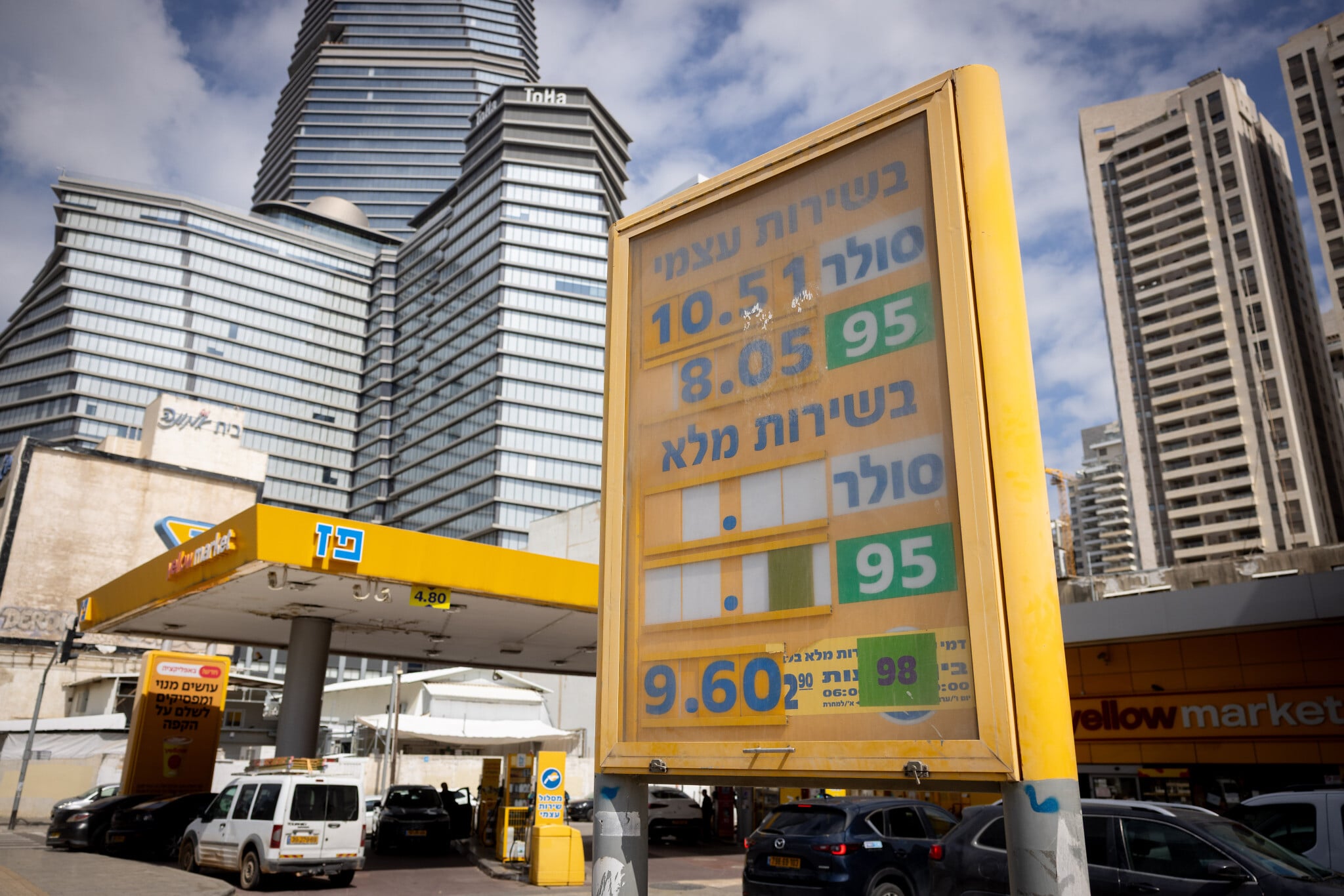
A government report shows a drop-off in gasoline consumption by Israeli drivers as the country went to war with Iran in March, followed by a sharp uptick in May and June as a ceasefire put travelers back on the road even as fuel prices rose to near-record levels.
The figures detailed by the Energy Ministry offer a window into the war’s effect on activity in the region, with many workplaces closed and most people staying close to home or bomb shelters, as well into as the lack of impact skyrocketing prices may have on demand among Israeli drivers.
According to data for the first half of 2026, drivers in January and February pumped 274,000 tons and 261,000 tons of unleaded 95 respectively. In March, as skies filled with ballistic missiles, fighter jets and tankers, volume fell to 234,000 tons, clawing back only slightly in April. In May, however, consumption jumped to 294,000 tons, despite the price of a liter of gasoline hitting NIS 8.07, one of the highest levels in decades and nearly 15 percent higher than prewar prices. The cost per liter fell back slightly in June and consumption rose to 299,000 tons, the second-highest level ever recorded for the month, bested only by June 2023.
The NIS 8.07/l price tag, which has risen to NIS 8.09/l for August, reflects the growing cost of fuel in the wake of Iran’s closure of the Strait of Hormuz, which has sent shockwaves through world energy markets. According to data from the ministry, which sets consumer energy prices, the cost of shipments of refined fuel products to the region rose by over 50% between March and April.
The ministry report, which does not cover July or August this year, includes Palestinian consumption of fuel, which is purchased from Israeli providers. For the last three weeks, West Bank Palestinians have been dealing with a territory-wide fuel shortage, though Palestinian Authority officials insist the issue is related to economic arrangements and does not reflect decreased volumes of gas bought from Israel or slackening demand.
The demand trends mirror similar figures seen last year, when consumption fell off sharply in June as Israel went to war, but rebounded beyond prewar levels in the following months. In that instance, however, prices remained steady.









The Times of Israel Community.