

Local wine firms market libations honoring Israel’s fallen, but some hit sour notes
Projects that allow bereaved families to craft a drinkable memorial are proliferating in the wake of October 7, as some accuse them of profiteering from national pain
 Add ToI as a Preferred Source on Google
Gavriel Fiske is a reporter at The Times of Israel
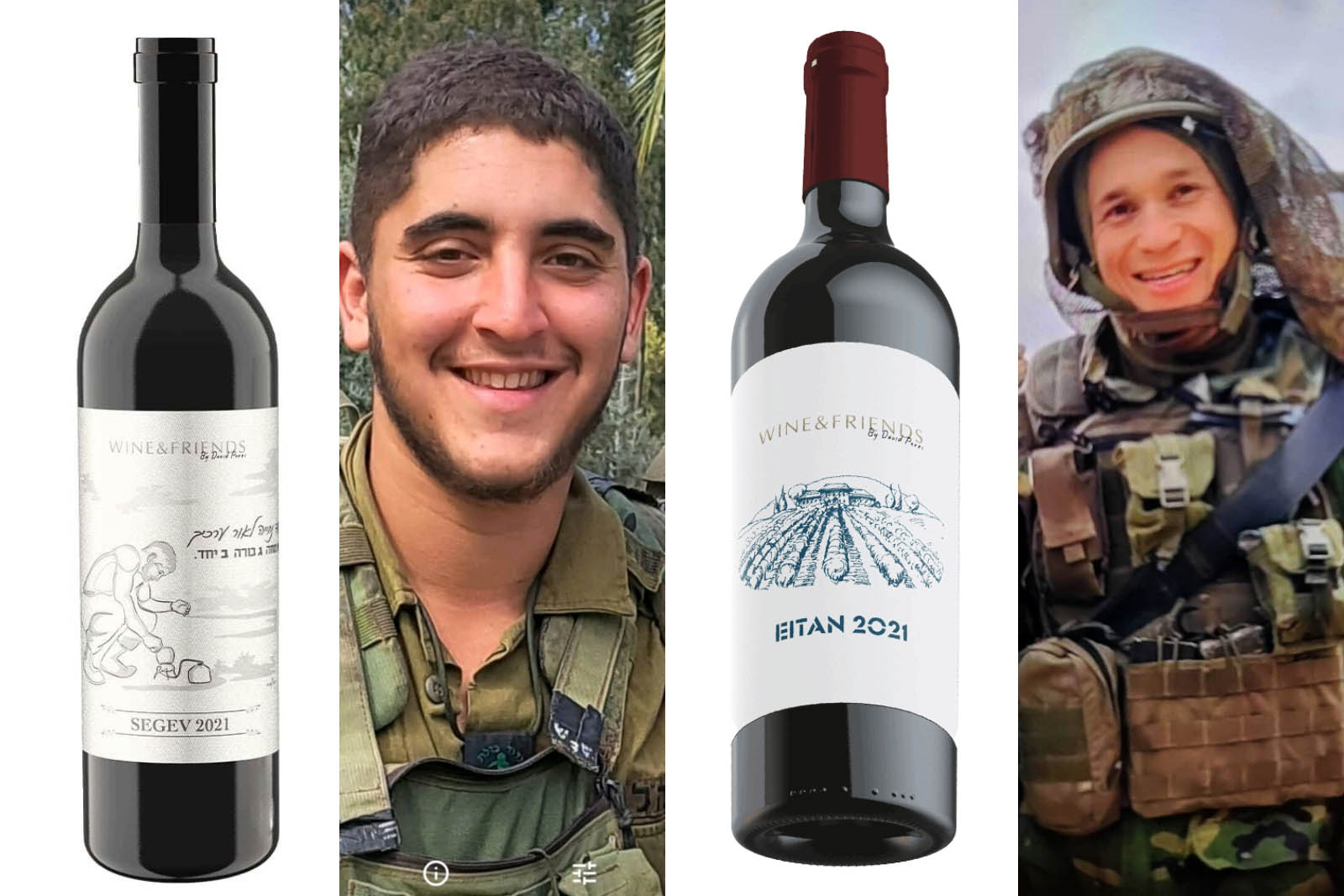
August 12, 2006, was a bloody day in the Second Lebanon War, with 24 IDF soldiers and pilots killed and dozens more wounded. Several years later, military enthusiast David Peri was struck with an idea when reading about of Capt. Daniel Gomez, 25, and the battles of that day: He should create memorial wines featuring images of Israel’s fallen soldiers.
The wine businessman told The Times of Israel he had been coincidentally offered the opportunity to start his own line of wines just when he was reading about the helicopter pilot who was shot down in enemy territory. He “decided to dedicate the new wine to his memory. [Gomez] worked in wine, in agriculture… he was the first,” Peri said.
The project, “Wine in Remembrance,” grew slowly over the years, but Peri reported that interest surged after the October 7 massacre, in which some 1,200 Israelis were killed and 252 kidnapped, and the ensuing Israel-Hamas war. Today, some 50 wines are being sold under custom labels dedicated to fallen soldiers and October 7 victims, created in partnership with the families of the deceased.
Wine in Remembrance is just one effort in a sometimes controversial post-October 7 field of Israeli wine and beer promotions that feature fallen heroes, pictures of Israeli hostages, dedications to southern communities, and other war-related labels.
“I don’t want people to think that I am using the fallen to advance my business,” Peri said firmly when asked about the sensitivities around marketing wine adorned with pictures of fallen heroes. “It’s clear, for me and for the families, that it’s a complicated situation. I really try to connect with them personally and I am trying to learn about their struggles.”
The company works closely with the participating families, who receive a formal tasting to decide on an appropriate vintage and then design custom labels, which feature images of the fallen and some information about them. Participants do not pay to have their loved ones honored and only pay for the bottles they purchase (at a discount), and can donate a percentage of the profits to a charity of their choice, which many do.
This collaboration is what sets the project apart, Peri said. “A lot of wineries are doing similar things, but in the end, we are making personal connections.”

Reached by The Times of Israel in the middle of a busy day while driving to meet another bereaved family interested in the wines, Peri easily recalled from memory the names, family histories and other details about the fallen, including how and when they were killed.
Families remember
“David’s project is very special,” said Batya Rubin, whose late son Amichai, a soldier who served with the IDF’s Golani unit, is featured on several bottles. Much of their extended network of family and friends purchased the custom wine and many had it on their Passover Seder tables, she said.
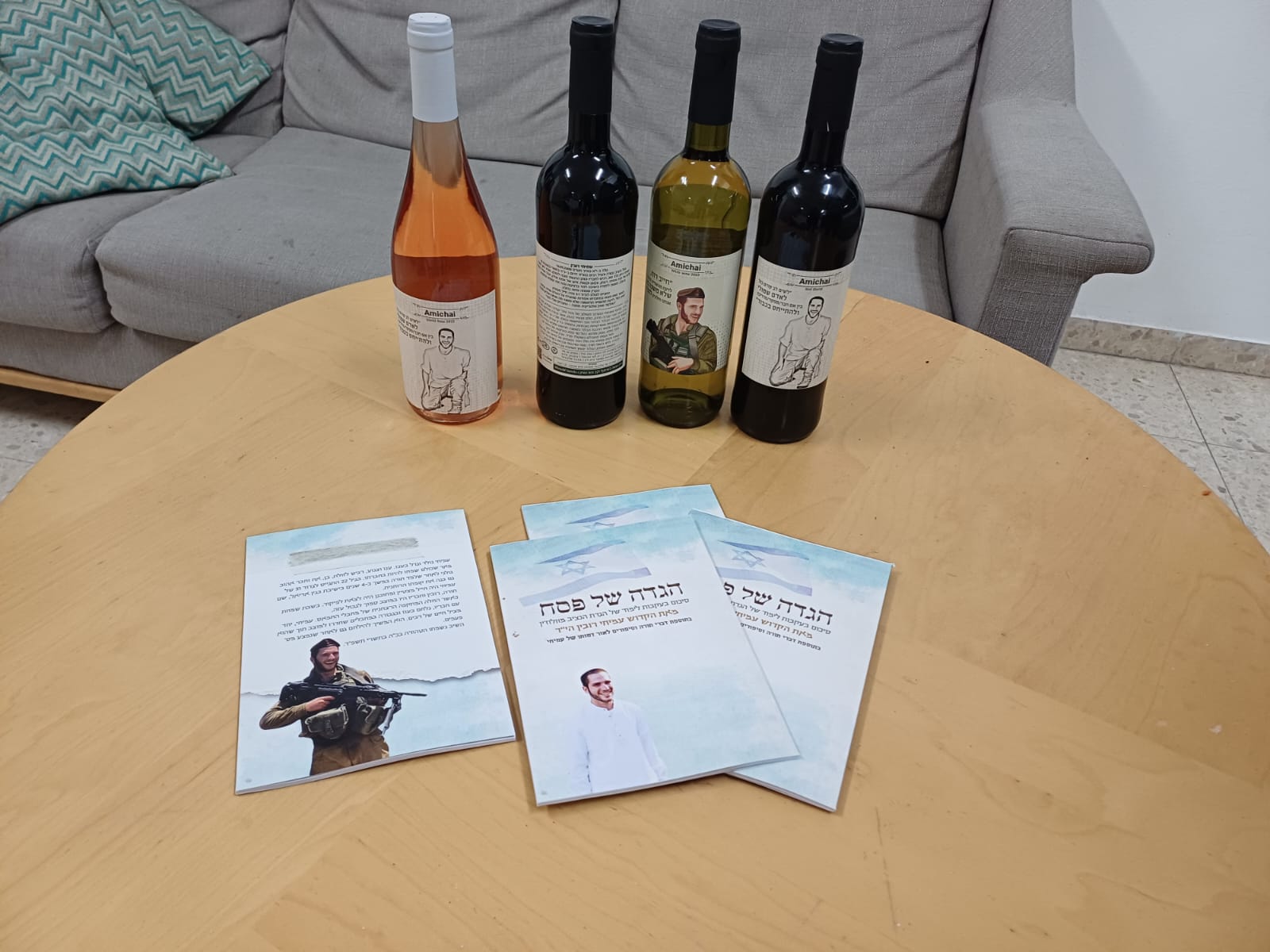
“Wine is something that makes connections, and the Jewish people need that now,” said Rubin.
Yael Neeman, another participant, jumped at the chance to memorialize her late husband Eitan, a doctor and IDF reservist who was killed while saving lives in a combat zone in the days immediately after October 7, leaving behind Yael and their seven children.
“Eitan and I had a great connection, a huge love. I love wine very much and he would buy it for me to make me happy, so this project was a good fit,” Neeman said. “When you remember somebody and you drink wine, it leaves you happy. I also think that our loved ones would want that. They want us to continue, to be happy, to be joyful, to be connected. That’s the message.”
The wines, which are kosher custom blends developed by the company in conjunction with several Israeli wineries, range from NIS 90-140 per bottle ($24-38).
A crowded field
Although Wine in Remembrance seems to successfully thread the needle on a project that is fraught by nature, others trying to do the same have had mixed results.
In March, Psagot Winery released a new line, “October 7,” which consists of seven bottles named after communities sacked by terrorists during the Hamas attack, including Be’eri and Kfar Aza, along with the Supernova rave at Kibbutz Re’im.
Although the winery stated that proceeds would go to efforts to rebuild the communities, the project was pilloried as insensitive and opportunist in certain Israeli social media circles after a post by a Haaretz reporter went viral. One Facebook image even compared the October 7 wines with the classic antisemitic blood libel trope.
Several beer companies have produced war-related tribute lines and special editions, including BeerBazaar, which relabeled some of its regular offerings into “Bad Animals,” a line of 13 beers featuring animal caricatures, each dedicated to a different IDF division.
One family even commissioned “Tomer’s Beer,” a new brew crafted in memory of Tomer Nagar, a beer-loving Golani soldier killed in action on October 7, and set up a dedicated website to sell the beverage.
It might be thought that the proliferation of such promotions is a calculated attempt to boost sales after a difficult period — especially in the wine industry, where reports seem to indicate that it, like other Israeli agricultural concerns, could face serious trouble in the aftermath of October 7.
However Peri, from Wine and Friends, opined that the whole industry, indeed the entire country, was engaged in similar patriotic and memorial activities. After October 7, he said, all of Israel was in a state of shock, which lowered sales of wine and other alcohol. Meanwhile, some wineries almost shut down because of a lack of manpower associated with the massive call-up of reserve soldiers.
The Wine and Remembrance project has helped provide income to these wineries and is part of a for-profit business, but the main purpose, like that of the other similar efforts, is to honor Israel’s heroes and defenders by “remembering them with happiness,” Peri said.
“People who die, they go into the earth, from the earth comes grapes, and from grapes we make wine, which brings joy. I want people to drink wine with joy, not sadness,” he said.
Editor’s note: An additional project that was initially included in this article was removed.






The Times of Israel Community.