

Nailed it: Rare 1,400-year-old iron hammer found by family at Sanhedrin site
Volunteers at excavations at Western Galilee’s Usha uncover previously unknown blacksmith industry, an addition to impressive glassworks found there
 Add ToI as a Preferred Source on Google
Deputy Editor Amanda Borschel-Dan is the host of The Times of Israel's Daily Briefing, What Matters Now and The Reel Schmooze podcasts, and heads up The Times of Israel's features.
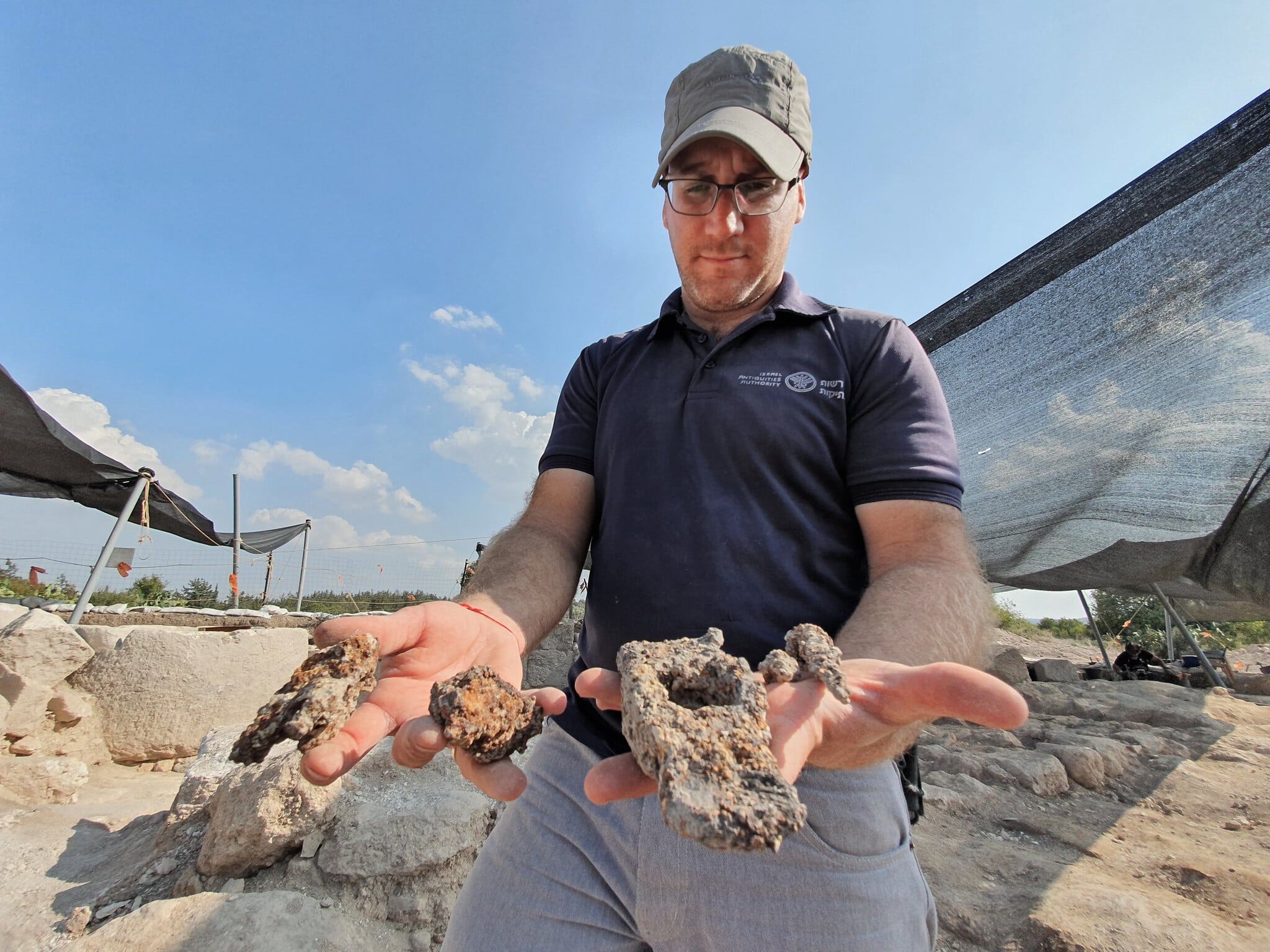
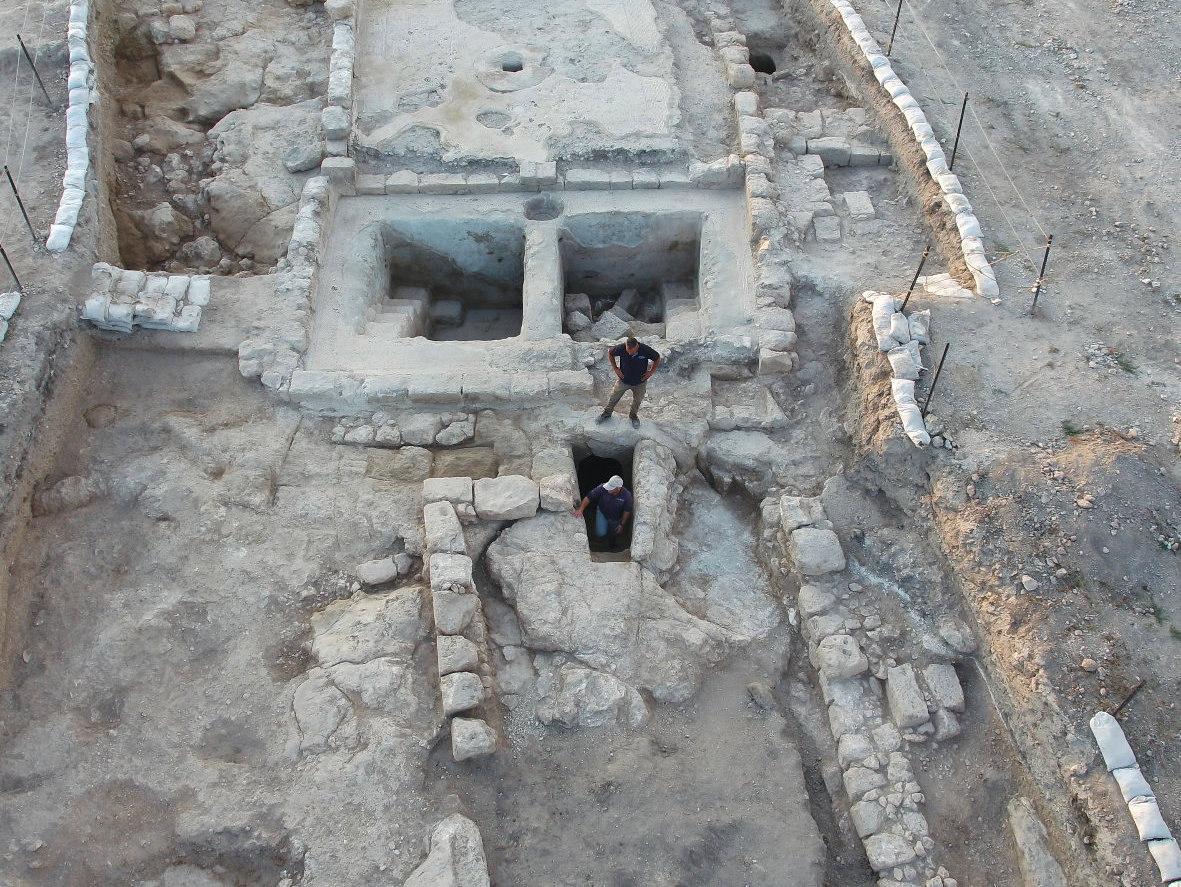
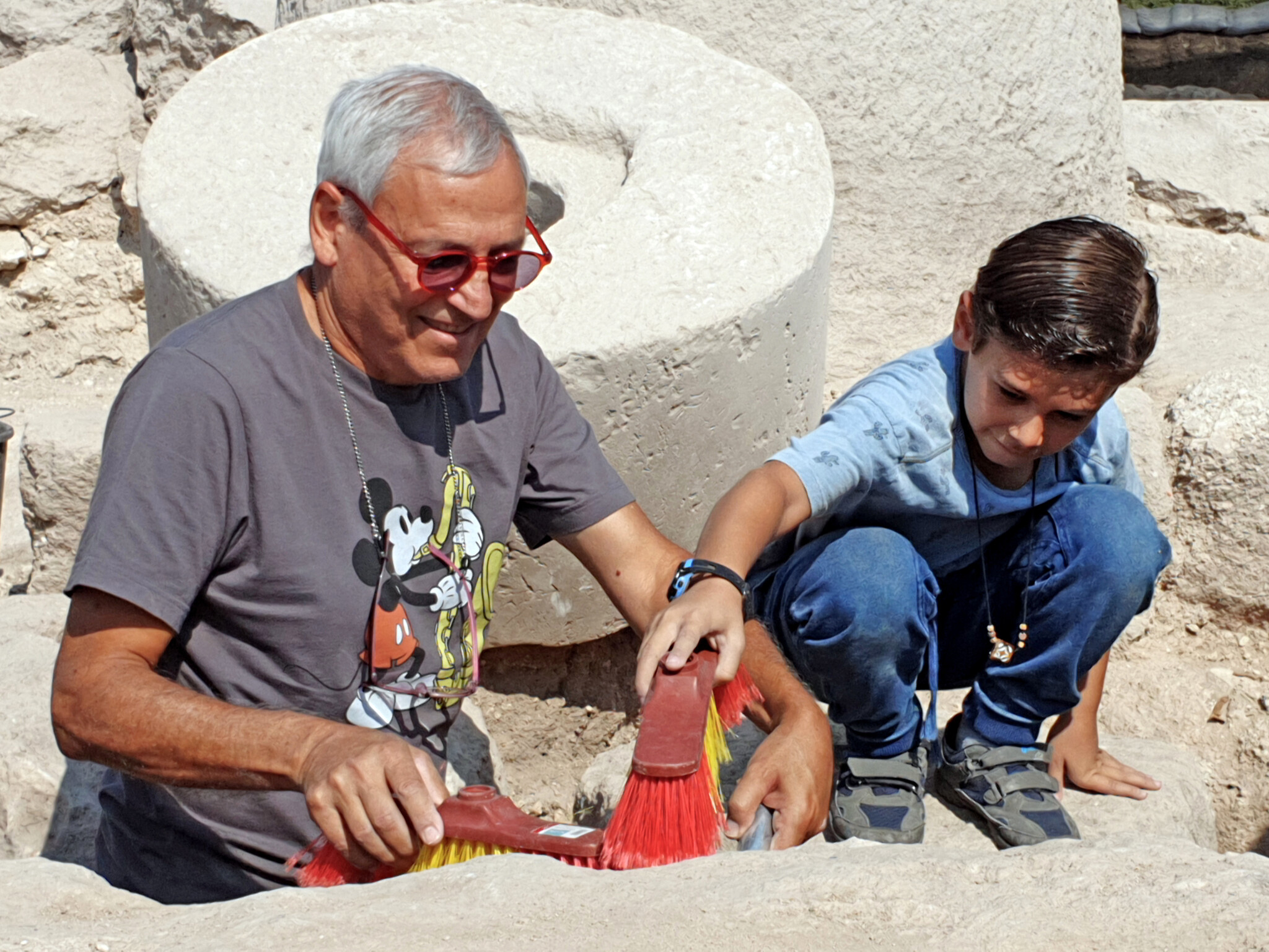
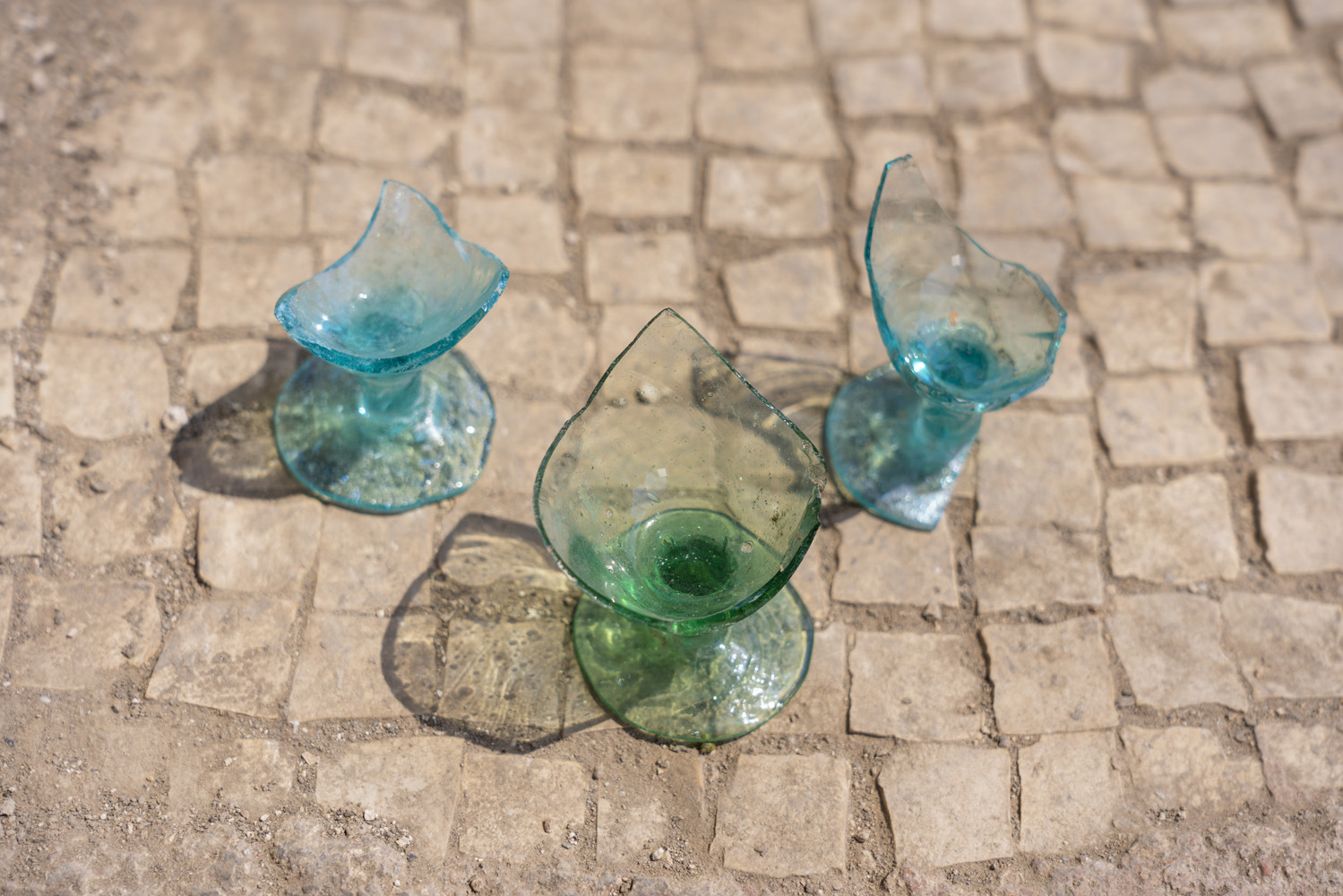
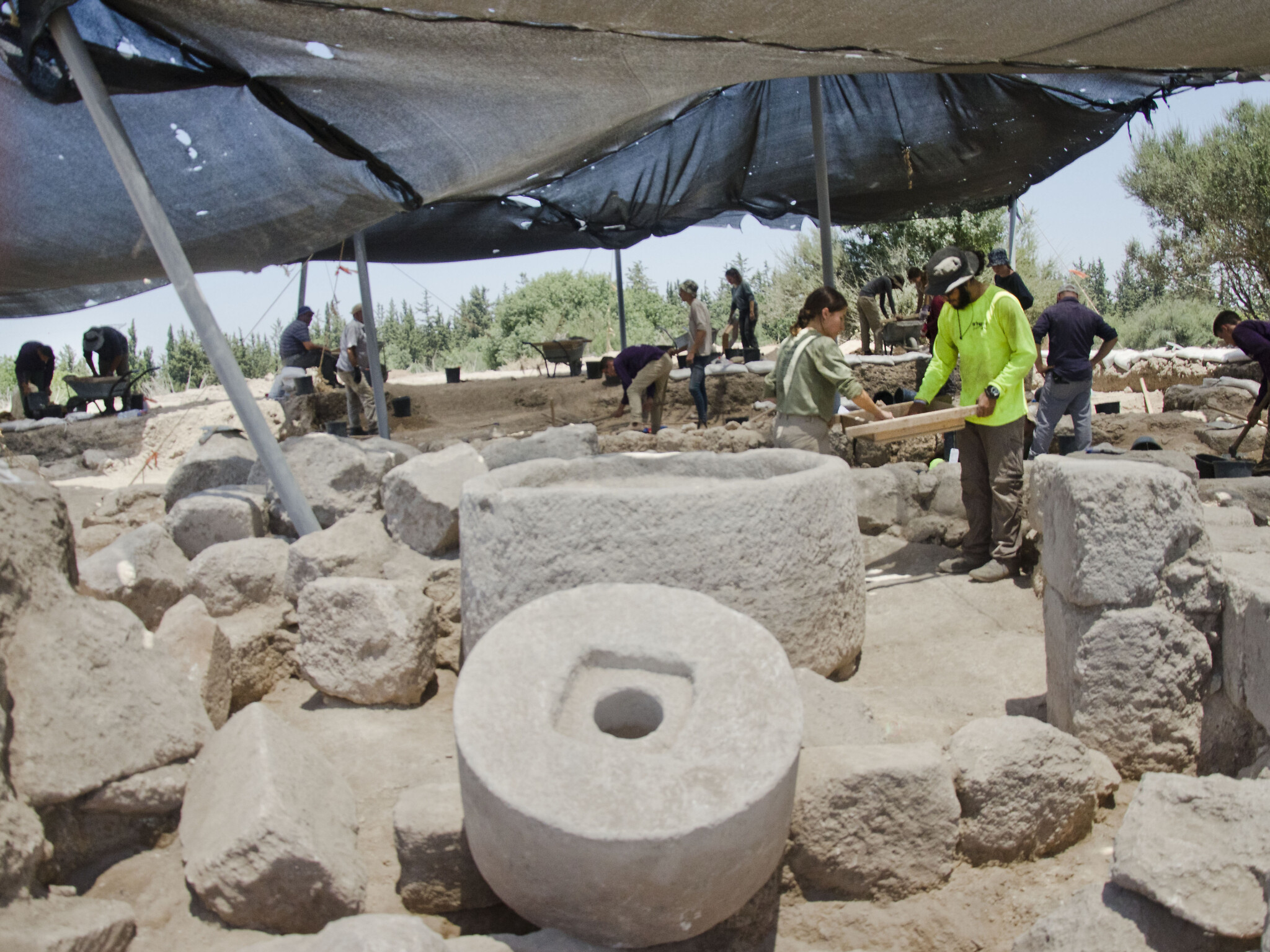
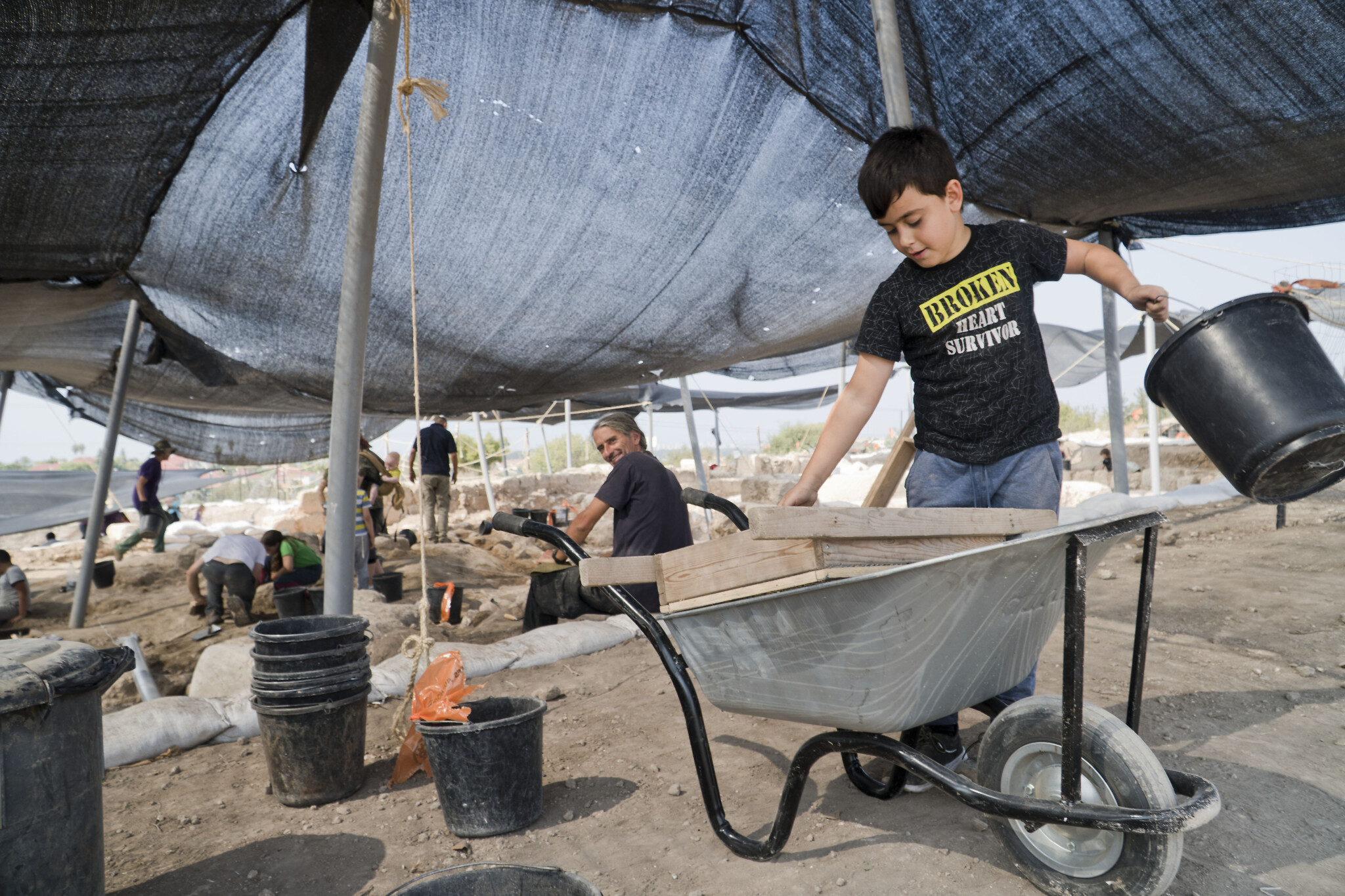
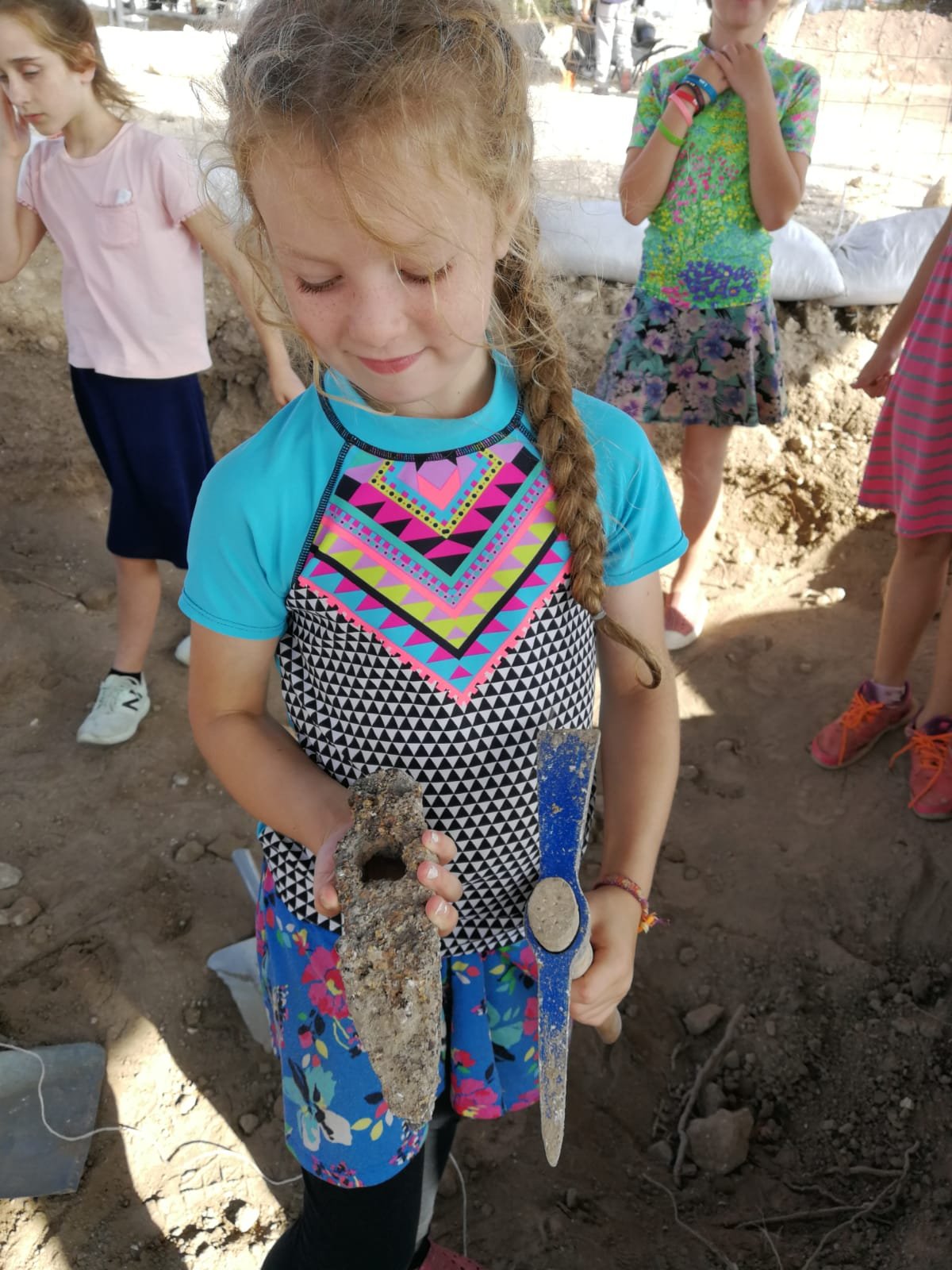
A family volunteering at excavations at Usha, the first location of the Sanhedrin following the Bar Kochba revolt, discovered a previously unknown iron industry at the site and a rare 1,400-year-old iron hammer, according to an Israel Antiquities Authority press release on Wednesday.
According to Israel Antiquities Authority excavation co-director Yair Amitzur, the Western Galilee’s Usha was a Jewish settlement from circa 135 CE when the Sanhedrin, or rabbinical court, moved there from Yavne, where it had initially settled after the fall of the Second Temple. From the second century CE to circa the sixth — the middle of the Byzantine era — generations of Jews lived at Usha.
Following the abandonment of the site by Jews, it was settled by Christian residents and artifacts attesting to their settlement have been found at the site, Amitzur said.
“All the stories that we are familiar with from the written sources are being exposed in the field,” he said in an accompanying Hebrew-language IAA video.
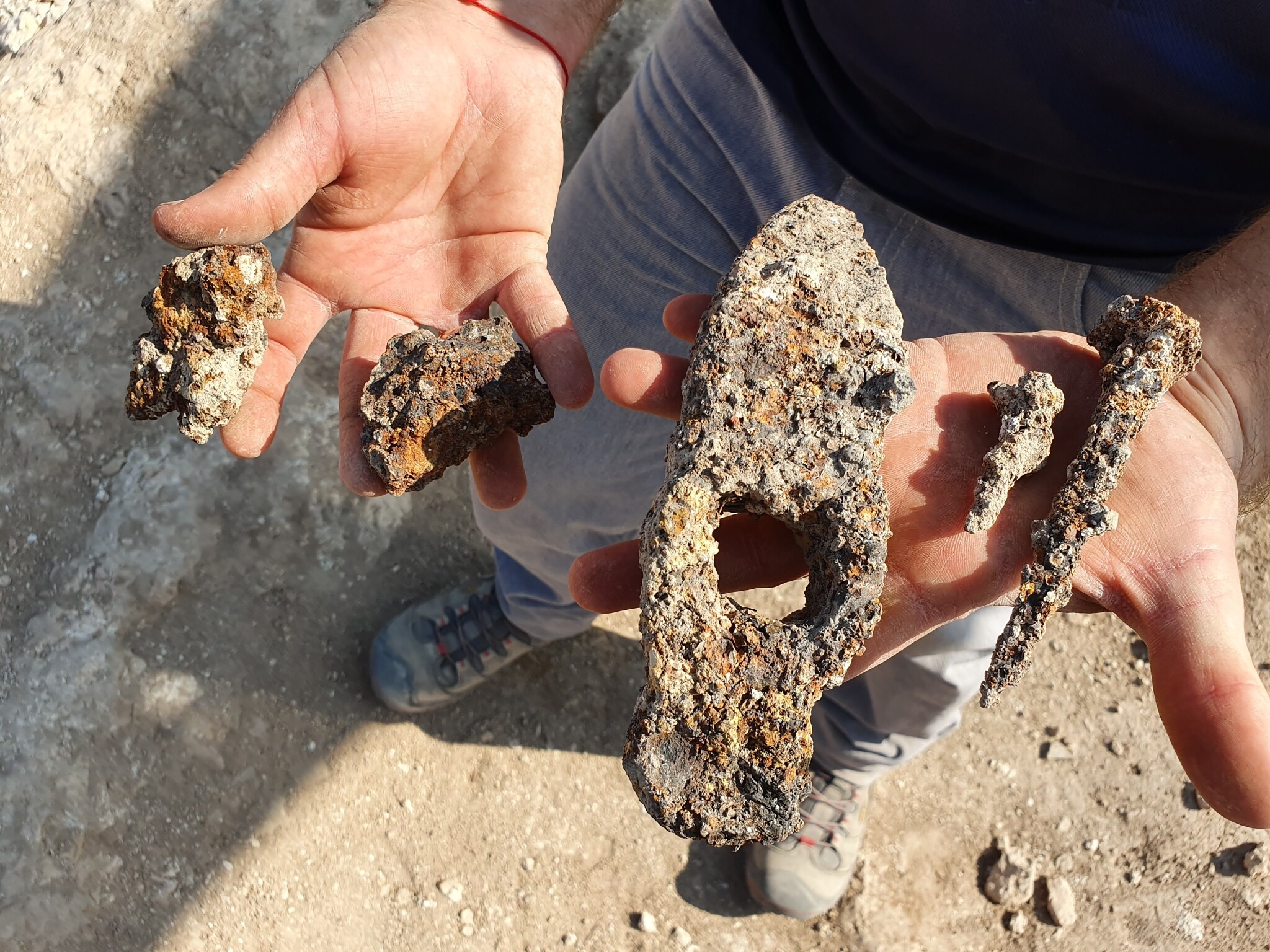
In a cute twist, the discovery by a family from Tur’an in the Lower Galilee of a Byzantine-era hammer and nails occurred during the Succot holiday, when the excavation site near modern Kiryat Ata was open to the public for two days. There are many popular Hebrew songs written for the holiday in which Jews building temporary shelters, called sukkahs, take up hammers and nails.
According to Amitzur and Eyad Bisharat, co-directors of the excavation on behalf of the Israel Antiquities Authority, “about 20 iron hammers are registered in the Israel Antiquities Authority records, only six of them from the Byzantine period.”
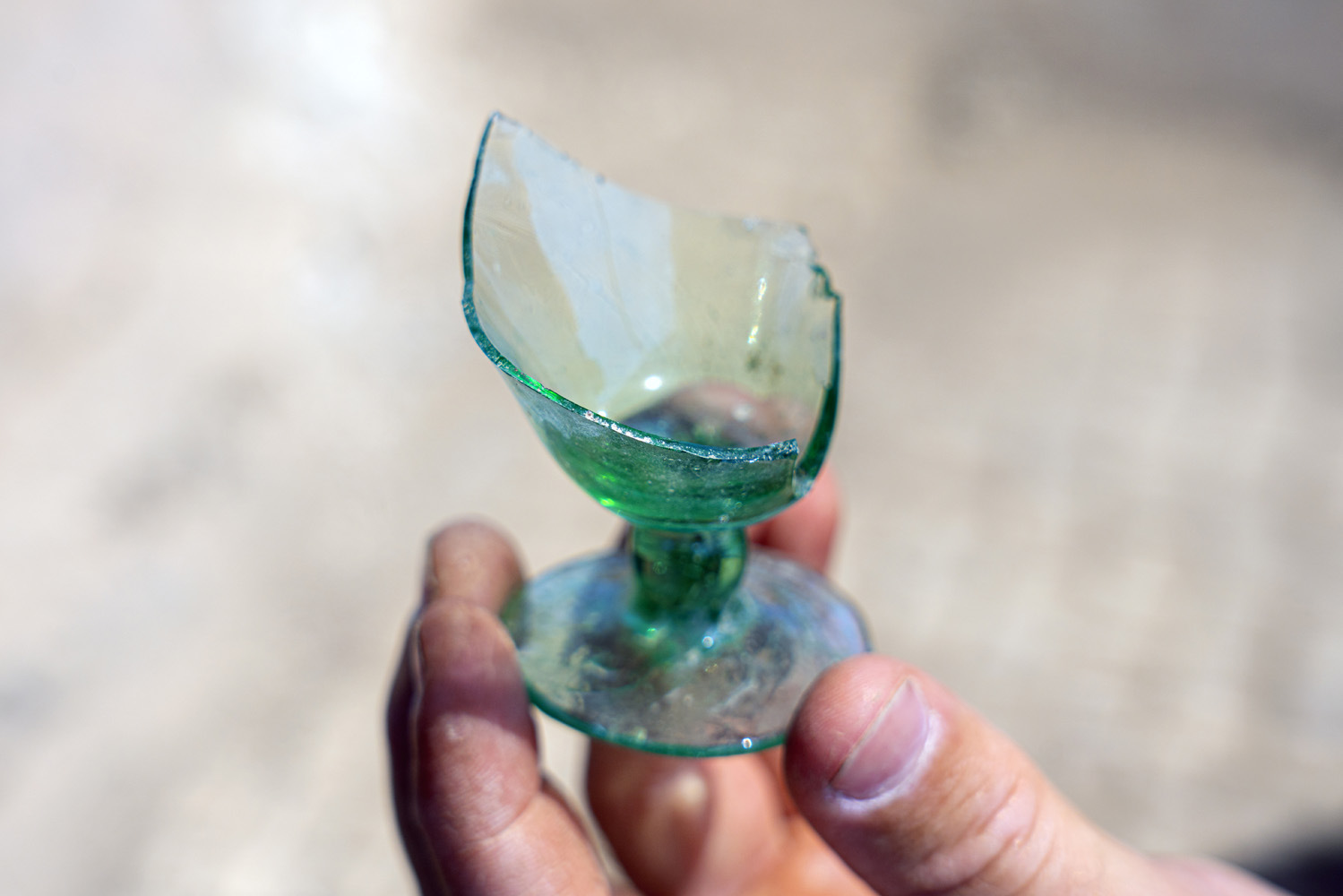
Through their excavations, the archaeologists had previously discovered an extensive glass industry — from raw material to beautifully finished green-blue glass goblets — as well as wine and olive oil production at the site.
“The discovery of the hammer, the nails and the adjacent iron slag teaches us that they also produced iron tools at the site,” said the archaeologists in the release.
Amitzur told The Times of Israel that the iron production center would have forged everything the community needed on a day-to-day basis, including nails and little rings. There would have been a smithy working in every village, he said, but the remains indicate that Usha’s was a very small operation.
A famous resident of Usha recorded in Jewish sources was Rabbi Yitzhak Nafha. The word “Nafha” comes from the root “to blow,” and in Rabbinical-period Hebrew it is generally associated with “blacksmith.”
But Amitzur told The Times of Israel that the iron industry was not in operation during the period in which the famous rabbi lived there, and that he associates the word with the extremely special glass industry at the site due to the uniqueness in quality and quantity found there.
“The many delicate wine glasses, glass lamps and glass lumps indicate that Usha inhabitants were proficient in the art of glassblowing,” said Amitzur in a statement.
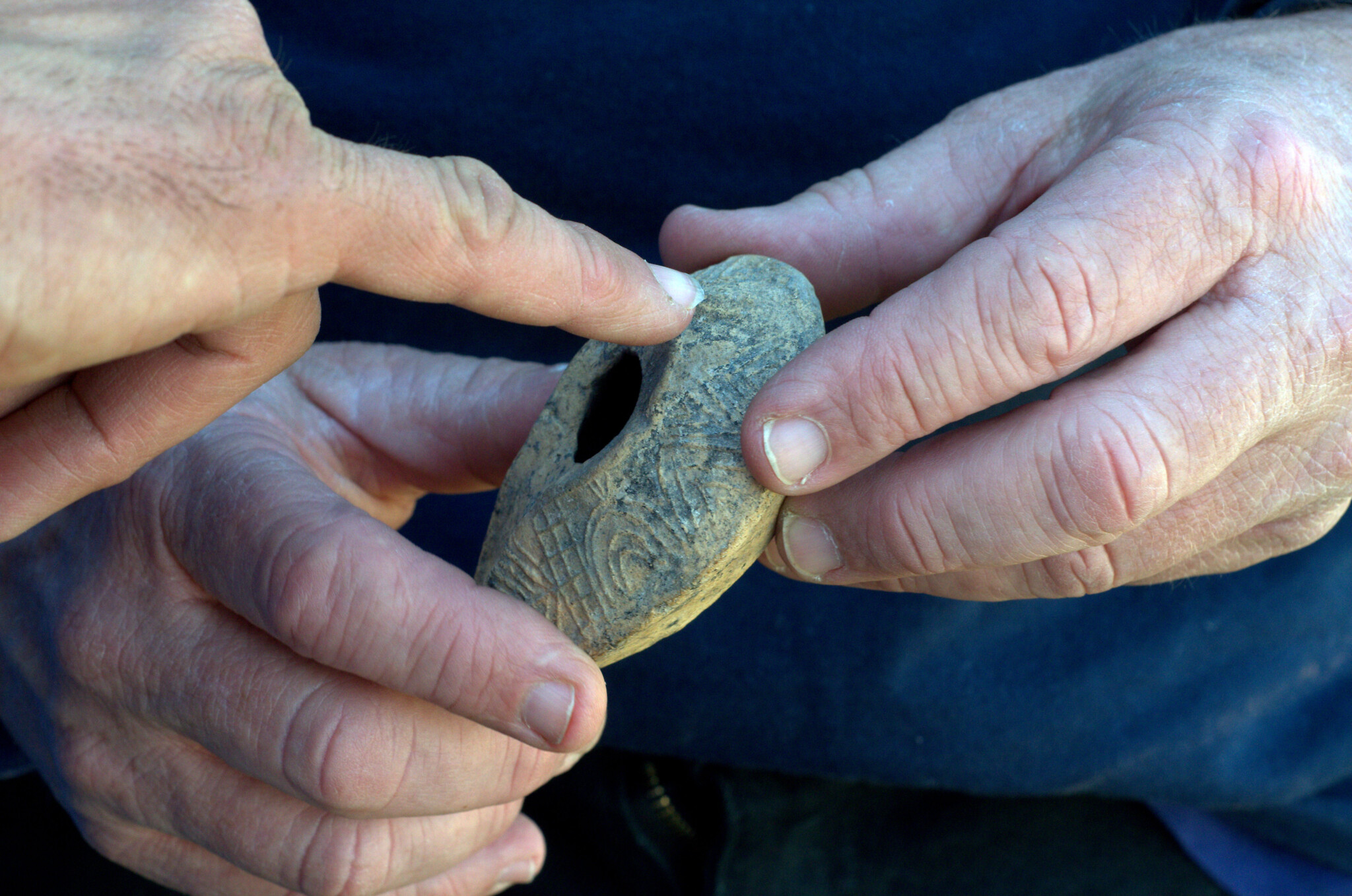
Some 15,000 pupils and volunteers have excavated the site over the past year. Remains of the 1,800-year-old settlement are found throughout, including pottery, stone tools, and the ritual baths. An early example of Jewish art was also discovered on an intact oil lamp from the middle- to late-Byzantine era, upon which is engraved a date palm branch and a menorah.
Two rock-hewn ritual baths with plastered walls and steps, dating to the Roman and Byzantine periods, were first constructed about 1,800 years ago. The baths are found very close to the industrial area for wine and olive oil production and this proximity leads Amitzur to believe that the workers would have immersed prior to production to ensure the highest possible purity of their products.
The site and its ritual baths continued to be used by the local Jewish population until approximately 1,500 years ago, said Amitzur, at which time the Jews filled in the baths to invalidate them for use prior to leaving the village.
Excavation co-director Bisharat explains that the heritage found at the dig belongs to all Israelis regardless of creed or ethnicity, and that school and youth groups come from both Jewish and Arab populations.
“Circassians, Druze, Beduin — this is a site that speaks to everyone. Behind every installation is a whole story,” Bisharat said.
The excavations at Usha are part of the Sanhedrin Trail Project that was recently prepared to celebrate Israel’s 70th birthday. The trail crosses the Galilee from Bet She’arim to Tiberias, and is meant to follow the path of the Sanhedrin court prior to its settlement in Tiberias.
“The discovery process is fantastic and very exciting,” said Amitzur in the IAA video. “And it especially connects you to your deepest places: what is my connection to what I’m finding, to this land, to my heritage that is being uncovered here?”
Excavations are ongoing at Usha with the participation of pupils and volunteers, who will be able to answer Amitzur’s questions for themselves.









The Times of Israel Community.