

Police, ministry passed buck on Meron crowding, ex-COVID czar tells panel
Nachman Ash says that while he recognized that checking participants for proof of vaccination would be difficult, he didn’t expect police to allow tens of thousands into holy site
 Add ToI as a Preferred Source on Google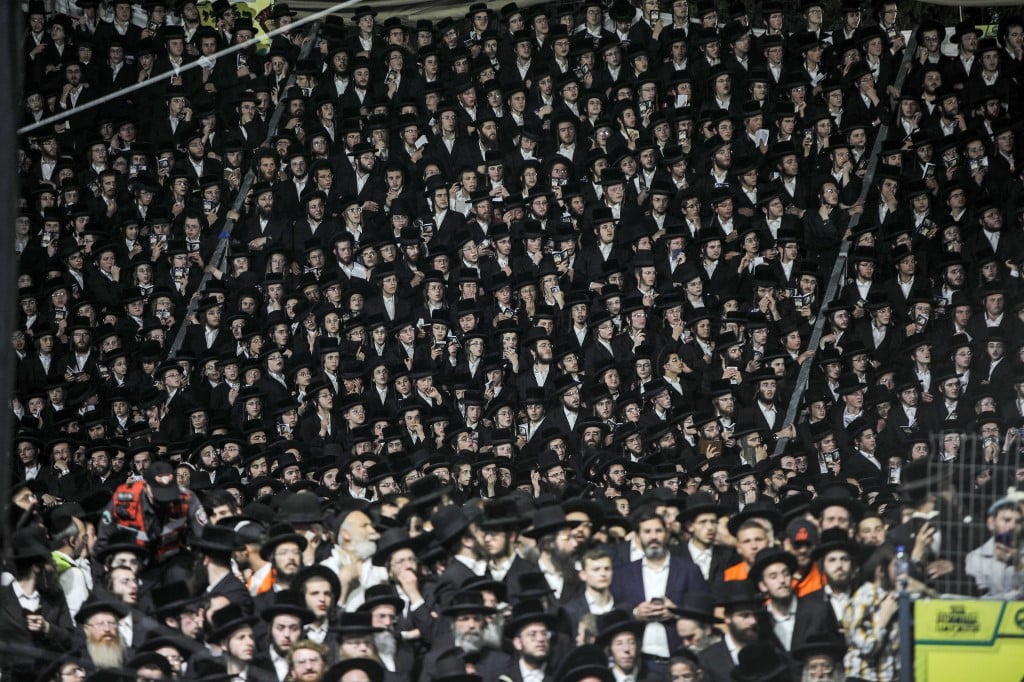
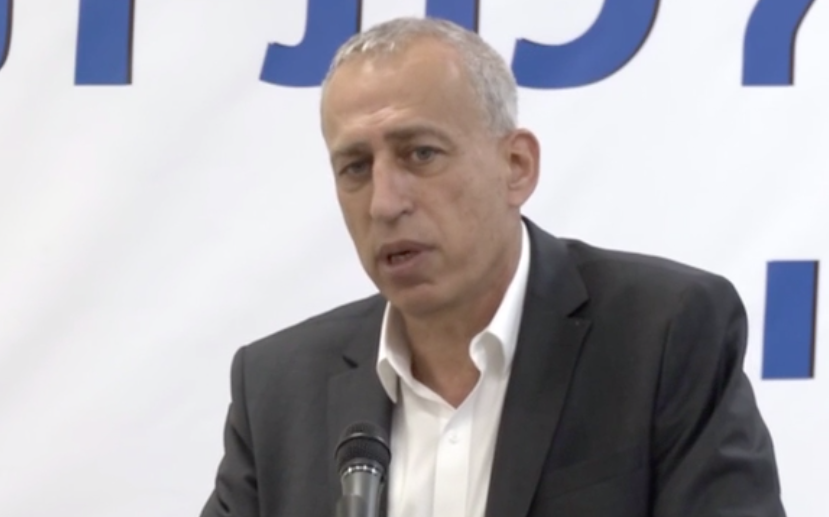
Health Ministry director-general Nachman Ash told a commission investigating April’s deadly stampede at the Mount Meron Jewish pilgrimage site that no government body had been willing to accept responsibility for ensuring COVID-19 policies were upheld during the annual event.
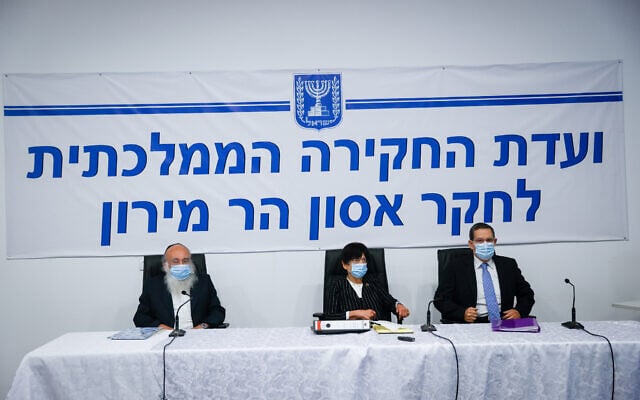
Ash, who at the time was the coordinator of the government’s pandemic response, spoke to the state panel headed by former Supreme Court justice Miriam Naor, almost four months after a crush of people at the Lag B’Omer pilgrimage left 45 people dead.
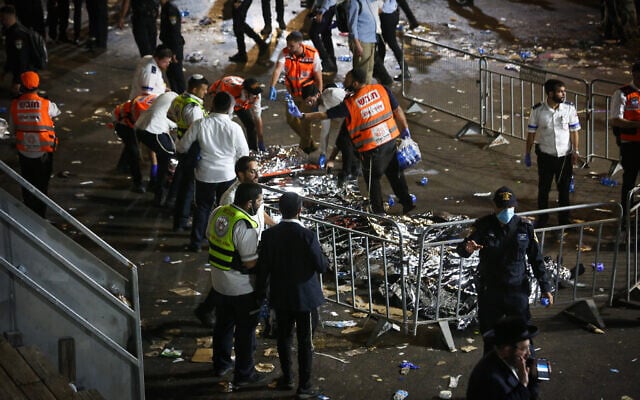
The April 29 incident was the deadliest civilian disaster in the country’s history, occurring at an event that drew some 100,000 worshipers, mostly ultra-Orthodox Jews, despite longstanding warnings about the safety of the site and the dangers of overcrowding.
The festival took place as COVID numbers in Israel were reaching their lowest levels in a year, leading the government to ease restrictions on gatherings.
Ash said there had been pressure to permit large crowds, after festivities had been canceled the year before, despite concerns of overcrowding in places where traditional bonfires would be started.
He said he had reached an agreement with the Israel Police and the Religious Affairs Ministry that each lighting area would be limited to 3,000 people, who would have to each present a Green Pass proving they are either vaccinated or recovered from COVID-19.
However, the officials determined that checking for Green Passes at the site would be impossible, and Religious Affairs Ministry officials said they would coordinate with Hasidic authorities so that they enforce that rule when boarding each bus heading to Meron.
“We needed to determine who was responsible for this plan, but no one wanted to accept the responsibility,” Ash told the panel.
Nonetheless, he still believed after concluding preparatory meetings for the event that police would enforce against over-crowding. “I certainly did not think they would allow 25,000 participants to reach the site. Absolutely not,” Ash said.
The former coronavirus czar was pressed as to whether the event should have been held while the pandemic was still ongoing.
He said that he would have preferred if it had been canceled, but recognized that part of governing is reaching compromises.
In June, the government approved the formation of an independent state commission of inquiry — composed of Naor, former Bnei Brak mayor Rabbi Mordechai Karelitz and former Israel Defense Forces planning chief Maj. Gen. (res.) Shlomo Yanai — to investigate safety shortcomings at the site.
Mount Meron’s site manager Eli Friend told the panel last week that his power had been limited during the event.
“Our control there is on a voluntary basis. Vendors do not answer my number because they know I’m not the one paying them,” he told the three-member panel.
The commission has been granted a budget of NIS 6 million ($1.83 million) to investigate how the disaster unfolded and probe the decision-making processes that authorized the event.





The Times of Israel Community.