

Rabbis call for Duma trial halt after torture accusations against interrogators
Two suspects in firebombing of home in Palestinian village that killed 3 members of Dawabshe family claim they confessed under extreme duress from Shin Bet interrogators
 Add ToI as a Preferred Source on Google
Jacob Magid is The Times of Israel's US bureau chief
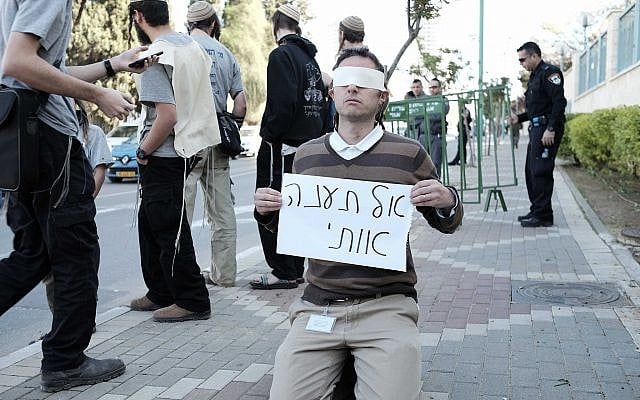
Dozens of prominent national religious rabbis penned a letter to Prime Minister Benjamin Netanyahu and Justice Minister Ayelet Shaked on Tuesday demanding that they halt the Duma terror attack trial due to accusations by the two defendants that they were subjected to torture during their interrogations.
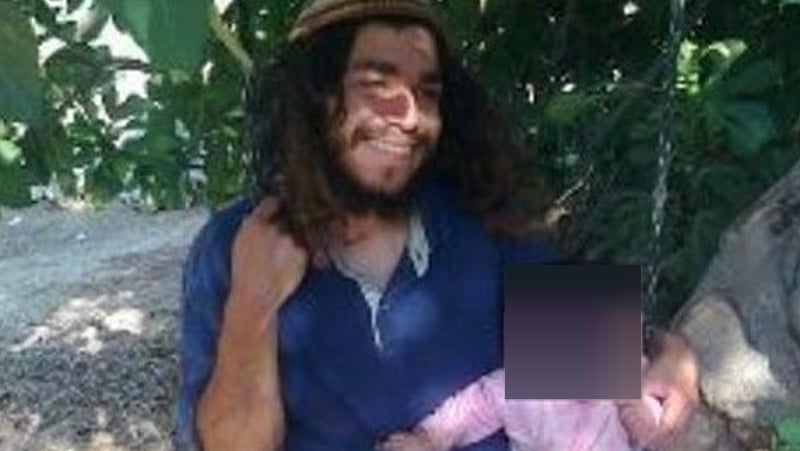
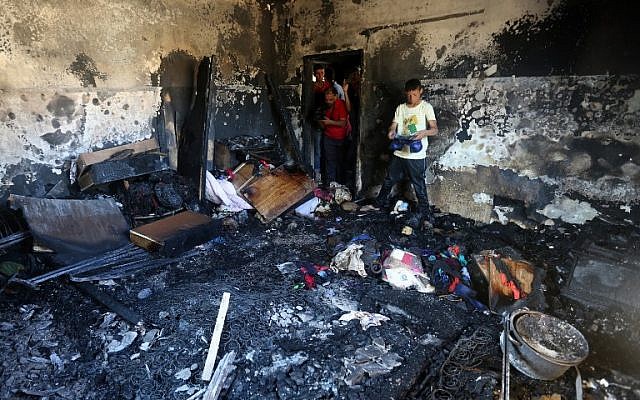
In January 2016, 21-year-old Amiram Ben-Uliel along with an unnamed minor were indicted for the July 31, 2015, firebomb attack on the home of the Dawabsha family in the West Bank village of Duma. The attack led to the immediate death of toddler Ali Saad Dawabsha and the deaths weeks later of parents Riham and Saad. Five-year-old Ahmed Dawabsha, Ali’s brother, endured months of treatment for severe burns during which he remained hospitalized.
The two suspects have claimed innocence, insisting that they only confessed to the crime after being subjected to immense torture at the hands of Shin Bet interrogators.
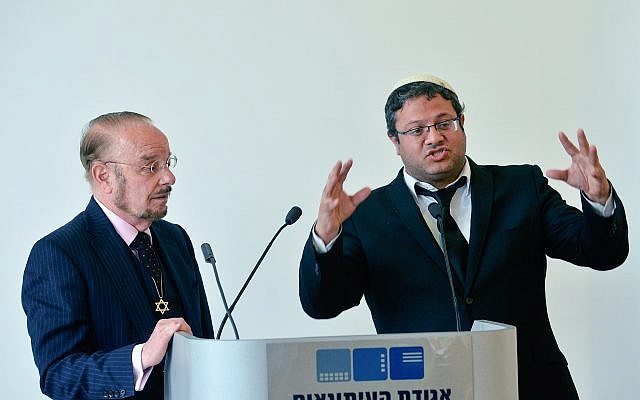
As the Central District Court prepares to hand down a verdict in the coming weeks, 72 rabbis signed onto the letter addressed to Netanyahu and Shaked, among them chief rabbis of Israeli cities on both sides of the Green Line as well as heads of yeshivas throughout the country.
“In light of the shocking information regarding the torture employed against the youths in order to extort testimonies from them about their involvement in the Duma affair… we demand that all legal proceedings against them be halted immediately and that an independent commission of inquiry be established to examine these serious accusations,” the rabbis wrote.
Tuesday’s letter comes roughly a week and a half before the Central District Court is slated to hand down its ruling regarding the admissibility of confessions given by the two subjects, which were extracted by Shin Bet security service interrogators employing exceptional measures.
In April, the Central District Attorney’s Office announced that it would avoid using confessions obtained from the suspects by way of “special means.”
The prosecution is believed to have additional evidence on which to base its indictments against the two suspects, and has recognized that testimony obtained through torture may not be admissible, the Kan public broadcaster reported.
The court has differentiated between confessions obtained within the framework known as a “necessary investigation” and those that are obtained in a typical interrogation. In the former, investigators are authorized to use enhanced methods against the suspects due to the “ticking time bomb scenario” in which authorities believe an attack might be imminent.
The confessions given by the two defendants during the “necessary investigation” are what the prosecution announced it would not require in order to prosecute.
However, the defense has argued that confessions given outside the “necessary investigation” framework should also be dismissed because while the suspects may not have been tortured in real time into giving them, they did fear that the torture would continue if they did not talk.
Later this month, the Central Court will rule on the admissibility of those confessions given outside the “necessary investigation” framework.
The indictments against Ben-Uliel and the unnamed minor marked a key breakthrough in the case, which shocked Israelis and led to unprecedented measures against Jewish terror suspects, including a cabinet vote to extend to Israeli citizens counterterrorism practices such as detention without trial.
The two suspects have claimed innocence, insisting that they only confessed to the crime after being subjected to immense torture at the hands of Shin Bet interrogators.
In recordings from Ben-Uliel released shortly after his indictment, he recalls being made to sit with his back at a 45-degree angle for long periods, as well as “threats, shouts, screams, beatings, slaps.”
He said eventually it got to him and he said, “‘I’ll make something up for them so they’ll release me,’ and I said to them, ‘I’ll talk, I’ll talk.’
“I started making stuff up. A whole story, how I went and prepared and planned,” he said in the recording. “I told them I planned it with [name], and I met with him, we carried out reconnaissance and all sorts of things. Not exactly, but all sorts of things I understood from them [the interrogators],” he recalled.
The alleged abuses came after the Shin Bet obtained approval from then-attorney general Yehuda Weinstein to classify Ben-Uliel as a “ticking bomb,” allowing them to use certain kinds of torture on the grounds that authorities believed new attacks were being planned.
A defense establishment source with knowledge of the investigation told The Times of Israel that Ben-Uliel’s confession included details that were not released to the public and would only have been known by someone who was present at the scene of the crime.
Attorneys for the pair of suspects have said their clients were humiliated, spat on and even sexually harassed.
While the Shin Bet typically refrains from publicly commenting on such matters, the security service released a statement denying the defense team’s allegations.
“The aim of these lies is to tarnish the Shin Bet security service and disrupt the investigation,” it said. “Extreme right-wing activists and their lawyers are trying to divert the public and legal attention away from the severe acts of terrorism carried out by the suspects.”
The statement did not address accusations made by Ben-Uliel in the recordings that he was tied up, beaten and sleep-deprived by interrogators.
In 1999, the High Court of Justice rejected the use of violent interrogation methods in the absence of a law regulating the matter.
In its decision, the court stated that interrogators are forbidden from using methods such as shaking, tying and sleep deprivation. However, the panel ruled that an interrogator prosecuted for torture could claim that he did so in order to save lives and would therefore be exempted from criminal liability.



The Times of Israel Community.