

Shipbuilder says no ‘concrete’ corruption found in probe of sub deal
ThyssenKrupp says its internal check is ‘provisional’ given inability to investigate in Israel or subpoena witnesses; former senior Defense Ministry official says security establishment backed purchase
 Add ToI as a Preferred Source on Google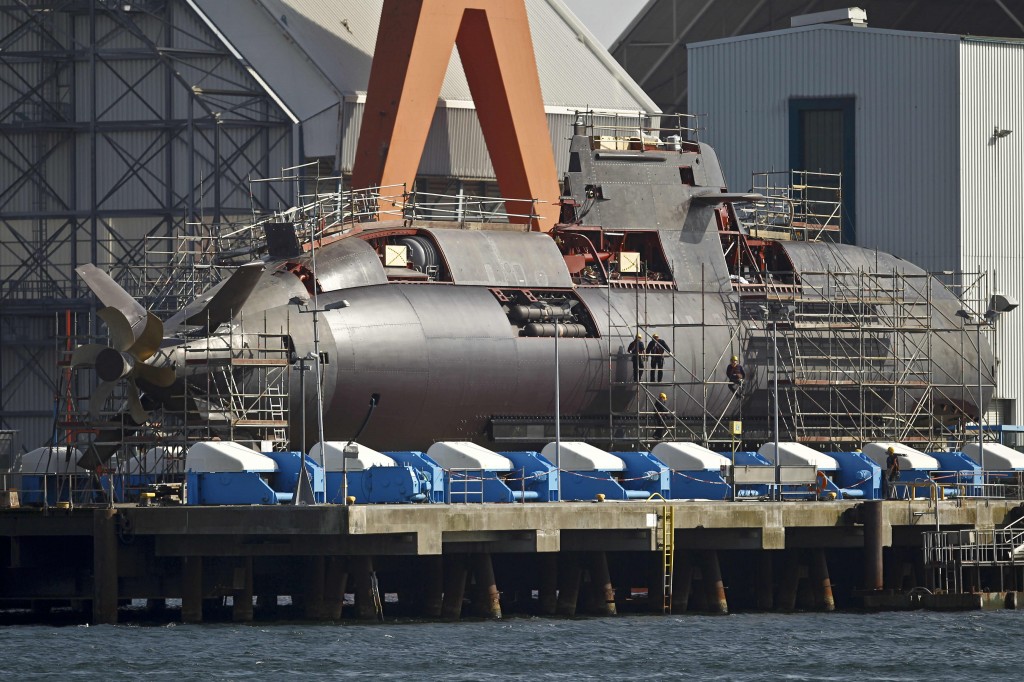
The German shipbuilder at the center of a criminal investigation into suspected fraud in the multi-billion-shekel sale of naval vessels to Israel said on Tuesday that an internal probe unearthed no “concrete indications of corruption.”
“Based on the investigative measures we were able to carry out, we found no concrete indications of corruption – neither with regard to submarine projects, nor in connection with the procurement of corvettes,” ThyssenKrupp said in a statement, according to Reuters.
“However, these investigation results are explicitly provisional,” the German steel giant added, saying that its probe was limited by its inability to conduct an investigation in Israel and lack of investigatory powers that legal authorities have.
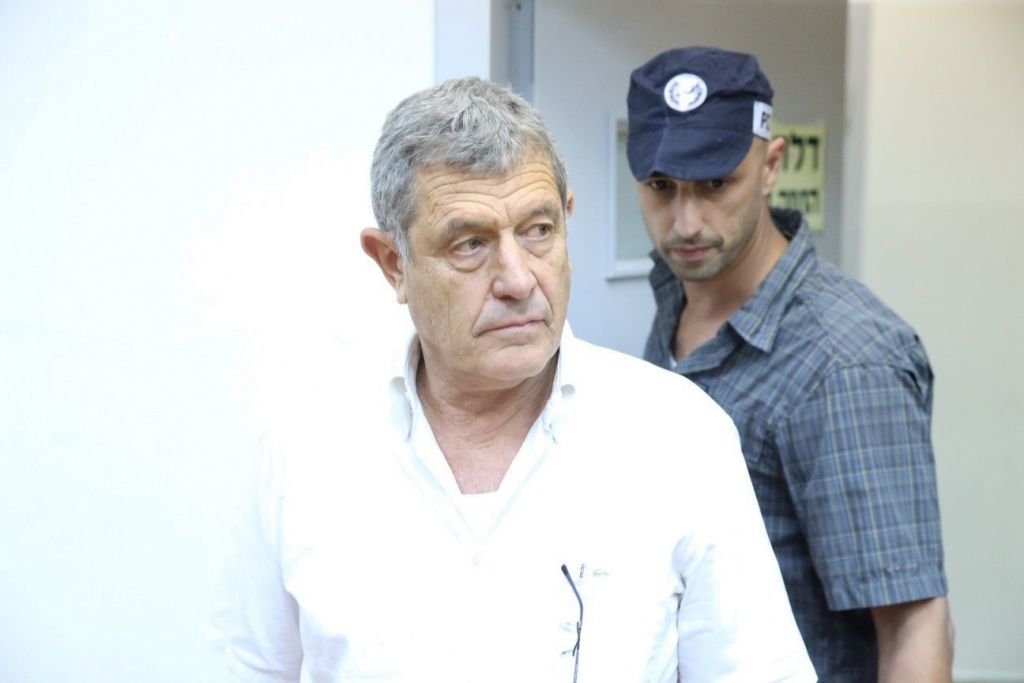
The police investigation centers on suspicions that ThyssenKrupp’s representative in Israel, Miki Ganor, along with former National Security Council deputy head Avriel Bar-Yosef, paid out bribes in connection with a decision by Prime Minister Benjamin Netanyahu to buy three submarines from ThyssenKrupp, despite opposition from the Defense Ministry.
They also reportedly influenced decisions to buy naval corvettes to protect Israel’s gas fields and awarded ThyssenKrupp a contract to service other naval vessels.
In addition to Ganor and Bar-Yosef, former naval chief Eliezer Marom is a suspect in the affair, as is Prime Minister Benjamin Netanyahu’s cousin and personal lawyer David Shimron, who acted as Ganor’s representative.
Although Netanyahu is not a suspect in the investigation, former defense minister Moshe Ya’alon has alleged that the prime minister pushed for the deal despite the objections of top defense officials and said that there is no way the premier was not involved in the alleged corruption.
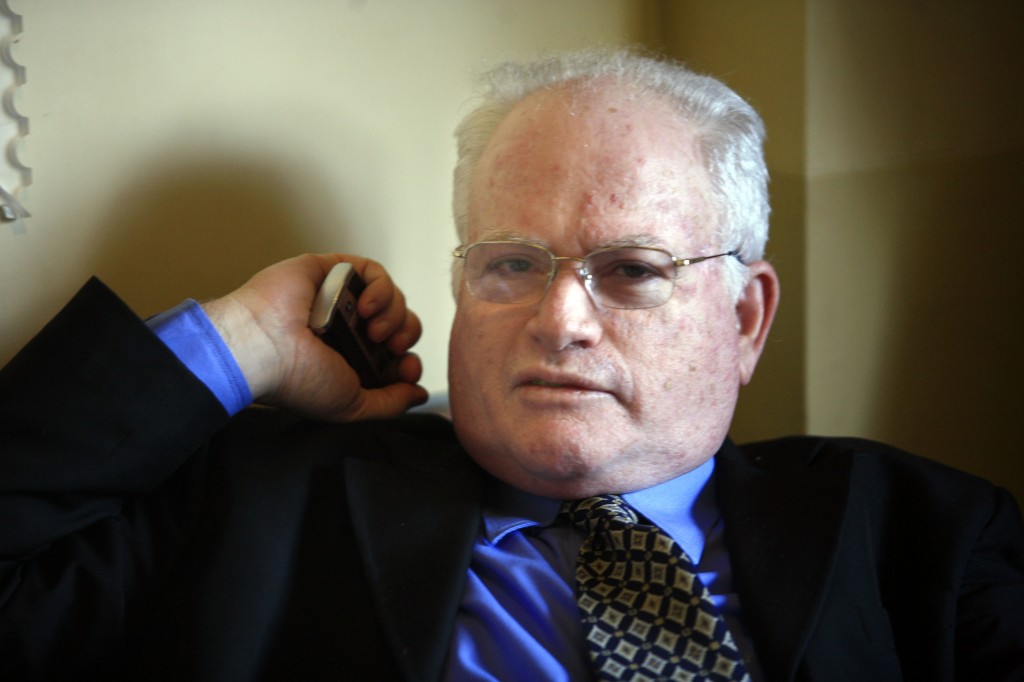
Also on Tuesday, former senior Defense Ministry official Amos Gilad provided testimony to investigators over the affair.
Gilad, who headed the Defense Ministry’s powerful Political-Military Affairs Bureau, rejected claims that top defense officials were opposed to the deal, despite Ya’alon’s claims.
“The explanations the prime minister provided concerning the purchase of submarines was very convincing and there was no one in the defense establishment that did not agree with him,” he told Israel Radio in an interview.
“The submarines are a strategic weapon. It can be argued if [Israel] needs six or nine. The police are not looking into how many submarines, but details of corruption.”
Earlier Tuesday, the Yedioth Ahronoth daily reported that Germany informed Israel that it was delaying the signing of the deal for the three subs.
The two countries were set to sign a memorandum of understanding next week, but this has been postponed indefinitely, according to Yedioth.
The move follows Monday’s revelation that Ganor is in talks to turn state’s witness.
Police were hoping to finalize the state’s witness deal on Tuesday.
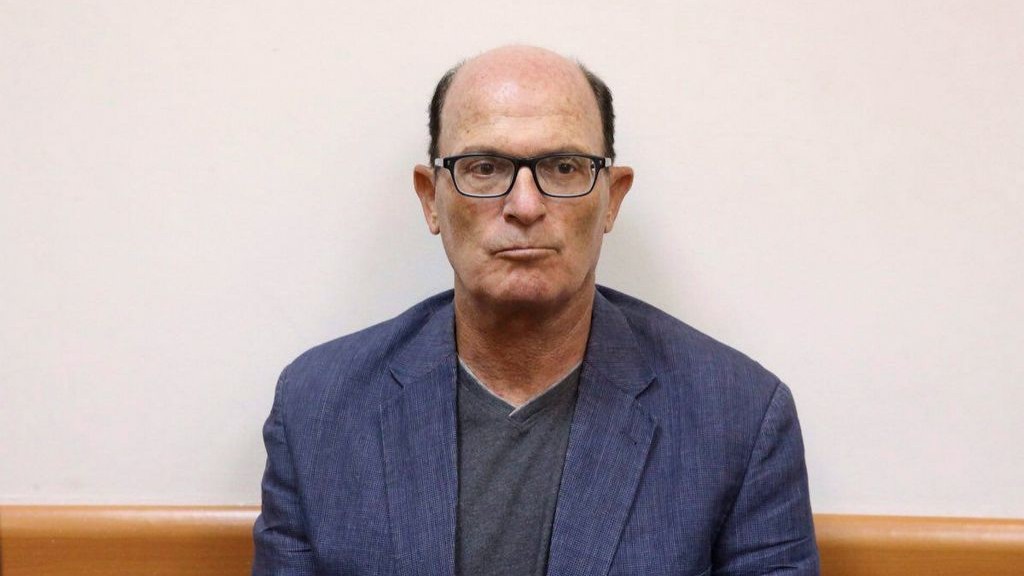
Ganor is suspected of fraud, money laundering and conspiracy to commit a crime. He was arrested a week ago and remains behind bars, along with Bar-Yosef. Both men’s detention was extended Monday for a further four days.
Germany, which is supposed to finance a third of the deal, has the right to change its mind thanks to a clause in the agreement permitting it to do so unilaterally if suspicions of corruption and fraud prove to be true.
It appears that the reports about Ganor turning state’s witness gave the country sufficient jitters to activate that clause. Germany’s decision to freeze the deal has not been confirmed by government sources.
Times of Israel staff contributed to this report.






The Times of Israel Community.