

Spanish village formerly named ‘Kill Jews’ twins with Israeli town
Kfar Vradim in northern Galilee signs agreement with newly monikered ‘Jews’ Hill’ to promote cultural, commercial ties
 Add ToI as a Preferred Source on Google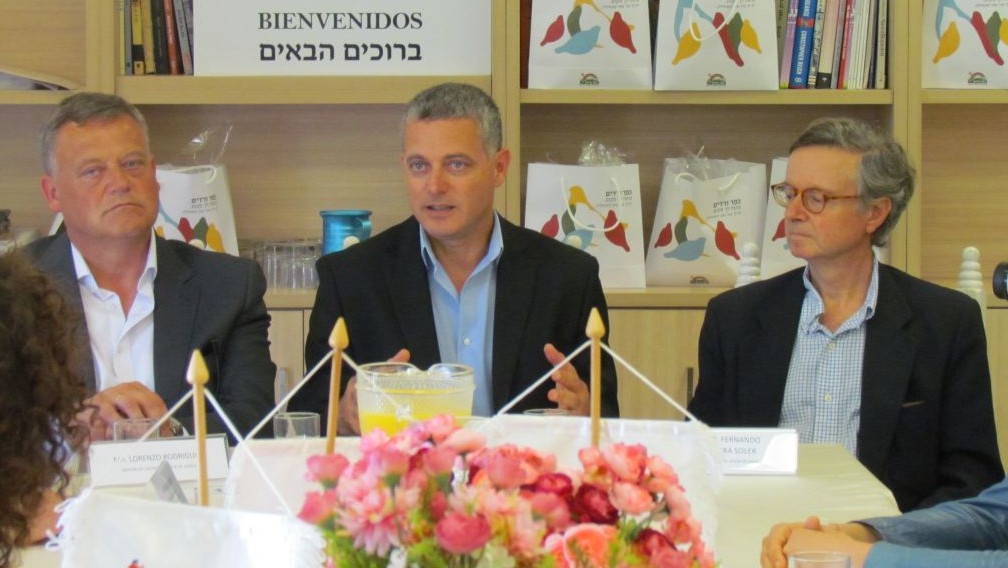
The ancient Spanish town of Castrillo Matajudios (“Camp Kill Jews”) that changed its name last year to Castrillo Mota de Judios (“Jews’ Hill Camp”) has twinned with the northern Israeli town of Kfar Vradim (Village of the Roses).
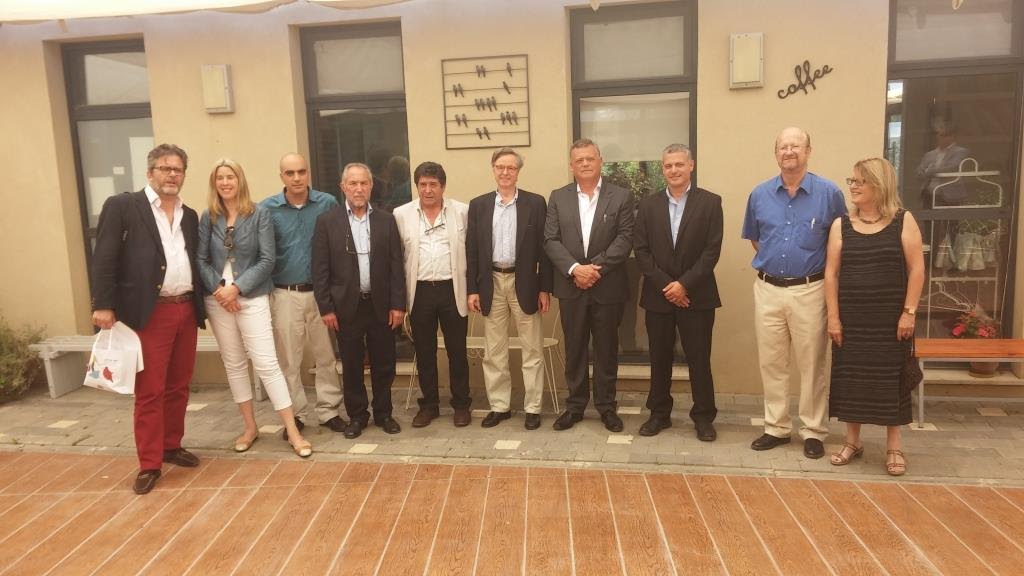
A delegation from Castrillo Mota de Judios arrived in Israel on Sunday for a ceremony designating the two as twin towns to promote cultural, touristic and commercial ties.
The signing was attended by the mayor of the Spanish town, Lorenzo Rodriguez, and the Spanish Ambassador to Israel, Fernando Carderera.
“We’re here in the Promised Land to safeguard the roots of the town, established in 1035, “said Rodriguez alongside the head of the Kfar Vradim local council, Sivan Yehieli.
Rodriguez said the agreement twinning the towns marks a “new chapter in the history of Castrillo Mota de Judios,” announcing that archaeological digs were recently launched to “rediscover ancient roots” and set up a Jewish culture museum in the town.
No Jews live in the village today but many residents have Jewish roots and the town’s official shield includes the Star of David.
Yehieli also welcomed the agreement, saying that when he first received the request from the Ministry of Foreign Affairs “and after learning the story of the town, we didn’t decide for a moment.”
Last October, the town changed its name, a year after the north-central village of some 50 inhabitants voted to do so after the mayor argued it was offensive and the village should honor its Jewish origins.
Documents show the village’s original name was “Jews’ Hill Camp” and that the “Kill Jews” name dates from 1627, after a 1492 Spanish edict ordering Jews to convert to Catholicism or flee the country. Those who remained faced the Spanish Inquisition, with many burned at the stake.
Israeli Ambassador Daniel Kutner said the town’s decision to celebrate its Jewish past was to be praised. “It must be remembered that the expulsion from Spain was for Jews a traumatic event of historical dimensions and set out the trajectory for the Jewish people from there on,” he said at the brief ceremony in October before a road sign bearing the new name was placed at the town’s entrance.
The change did not go unchallenged and the town has faced some vandalism as a result, according to the mayor
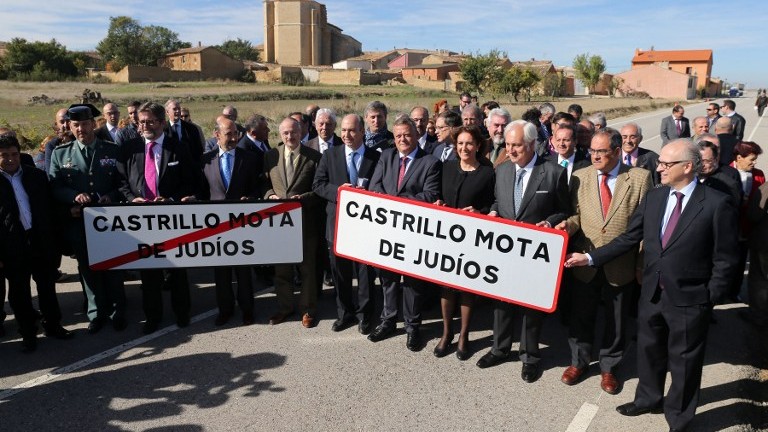
The name change was formally approved by the regional government of Castilla y Leon in June.
[mappress mapid=”5135″]
Researchers believe the village got its previous name from Jewish residents who converted to Catholicism and wanted to reinforce their repudiation of Judaism to convince Spanish authorities of their loyalty. Others suspect the change may have come from a slip of the pen.









The Times of Israel Community.