

Unlike in Israel, focus on security sparked by terrorism did not aid the right
Cuts to policing and the watering down of anti-terrorist laws when she was home secretary meant Theresa May’s own record hurt her
 Add ToI as a Preferred Source on Google
Robert Philpot is a writer and journalist. He is the former editor of Progress magazine and the author of “Margaret Thatcher: The Honorary Jew.”
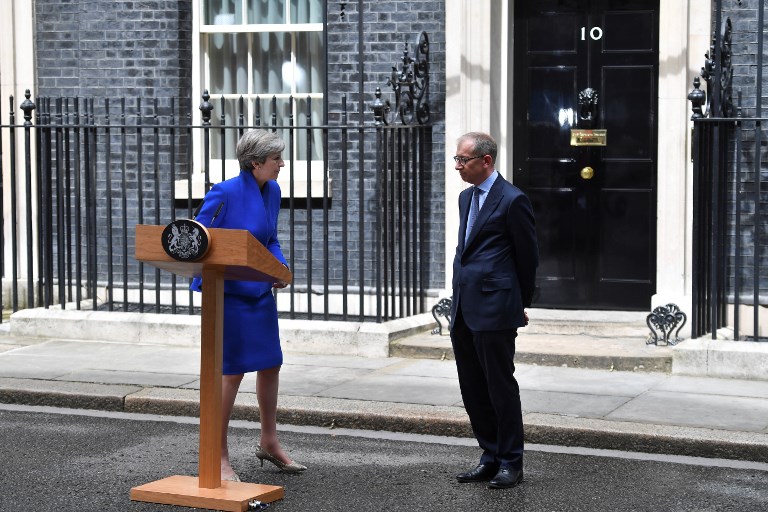
LONDON — Britons awoke Friday morning not yet knowing who had won the country’s general election, but fully aware of the night’s big loser: Theresa May.
Calling a snap general election eight weeks ago, the prime minister looked set to win a landslide victory, with a three-figure parliamentary majority to compare to those notched up by Margaret Thatcher and Tony Blair in their heydays.
May’s calculated gamble has, however, spectacularly backfired: the small majority bequeathed to her by David Cameron wiped out with the Conservatives now fighting to remain in power. The “hung parliament” the election produced leaves the Tories seven seats short of a majority, having lost 12 seats as Labour gained 31.
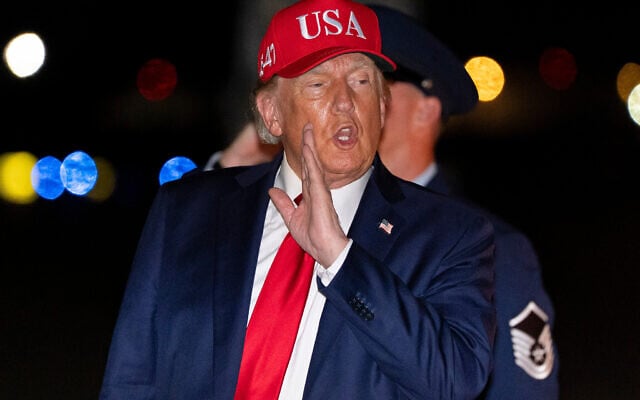
While there were sharp regional variations, May’s hopes of realigning British politics have failed miserably. The comparison is not exact, but she hoped to assemble a socially conservative coalition with echoes of that which delivered the White House to Donald Trump: capitalizing on the collapse in support for the hard right United Kingdom Independence Party (UKIP) while marrying the Tory support she had inherited from Cameron to traditional Labour working-class voters in the party’s northern heartlands who had voted heavily for Brexit last summer.
Instead, she appears to have triggered a backlash among young, urban, educated voters – the core of those who backed Britain remaining in the EU – which produced some huge swings to Labour. As voters flocked back to support the two main parties, the Conservatives’ share of the national vote rose by six points. Labour’s, however, jumped by 10.
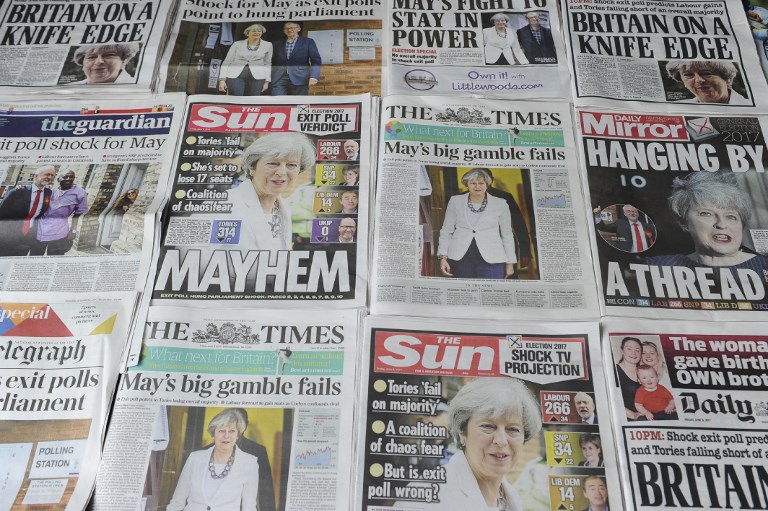
The prime minister is diminished and humiliated – her political authority irreparably shattered as she cobbles together a deal with the Northern Irish Democratic Unionist party which will allow her to remain in Downing Street. That deal allowed her to tell the Queen early Friday afternoon that she can form a government, but it is a government that will be unstable and constantly under attack in the House of Commons. May almost certainly does not have a long-term future as prime minister.
She fought a presidential-style campaign, urging voters to back her self-proclaimed “strong and stable leadership” as Britain begins crucial Brexit negotiations in just 10 days time. But a series of policy flip-flops, a refusal to debate her opponents and the perception that she was unwilling to level with voters about how she would wield the mandate that she sought, led to a narrowing of the opinion polls and a sharp decline in her once sky-high approval ratings.
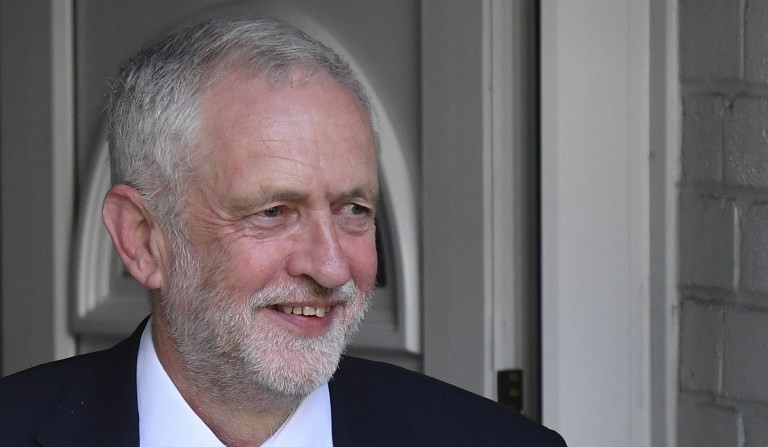
Britons do not like unnecessary elections and those who call them often find themselves punished and unable to control the narrative of the campaign which they have triggered.
In 1974, Ted Heath called an early election to strengthen his hand against the trade unions. The voters stripped him of his majority, allowing Labour to slip back into government. Four decades later, the voters have acted in a similarly harsh fashion.
May wanted the campaign to be about her leadership and Brexit; many voters – fed up with austerity and disturbed by the condition of Britain’s public services – decided they wanted to talk about something different. It was a conversation May was unprepared and unwilling to have. For that, she has paid a heavy price.
Unlike in Israel, the focus on security sparked by the two deadly terrorist attacks the country has suffered in the past two weeks did not aid the political right. Cuts to policing and the watering down of anti-terrorist laws during her time as home secretary meant that May’s own record faced unwelcome scrutiny.
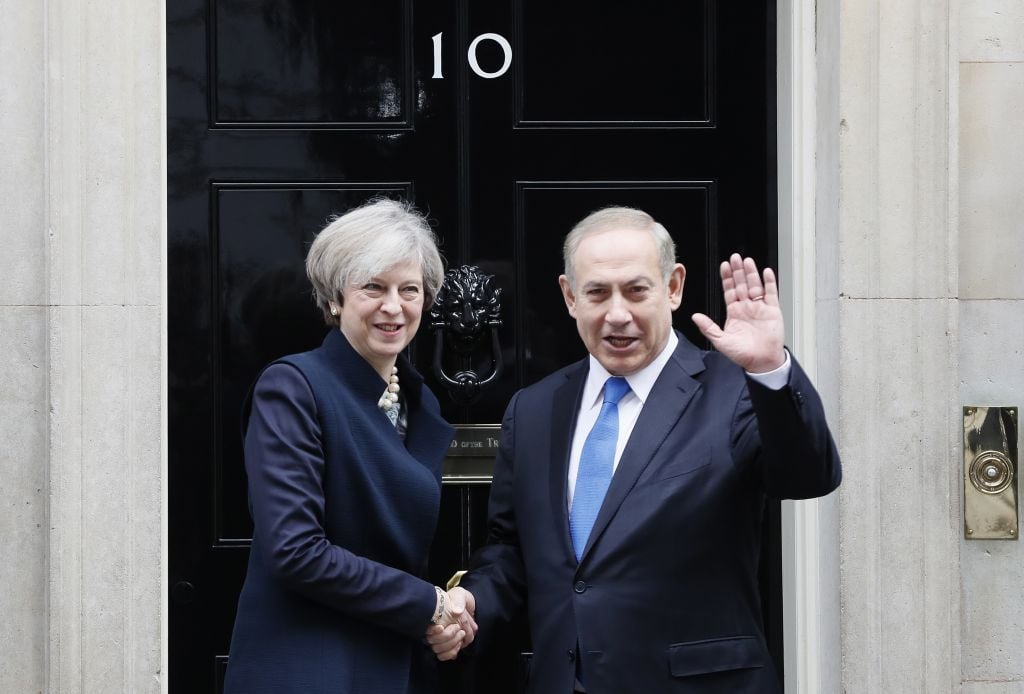
The unambiguous winner of the night was Labour’s leader, Jeremy Corbyn. He remains unlikely to be able to unseat May – a Labour-led “progressive alliance” in parliament marrying the support of the centre-left Scottish National party, Liberal Democrats, Greens and Welsh nationalists remains just short of the votes it would need for Corbyn to form a government – but he emerges from the campaign with vastly enhanced authority.
While hailing from the far left rather than the hard right, he ran, like Trump, as populist outsider. Like Trump, too, he defied his party establishment and has been richly rewarded for doing so.







The Times of Israel Community.