

US ambassador invites settler heads to Independence shindig for first time
In break with previous practice, David Friedman will host settlement regional leaders, mayors for party at his Herzliya residence
 Add ToI as a Preferred Source on Google
Sue Surkes is The Times of Israel's environment reporter
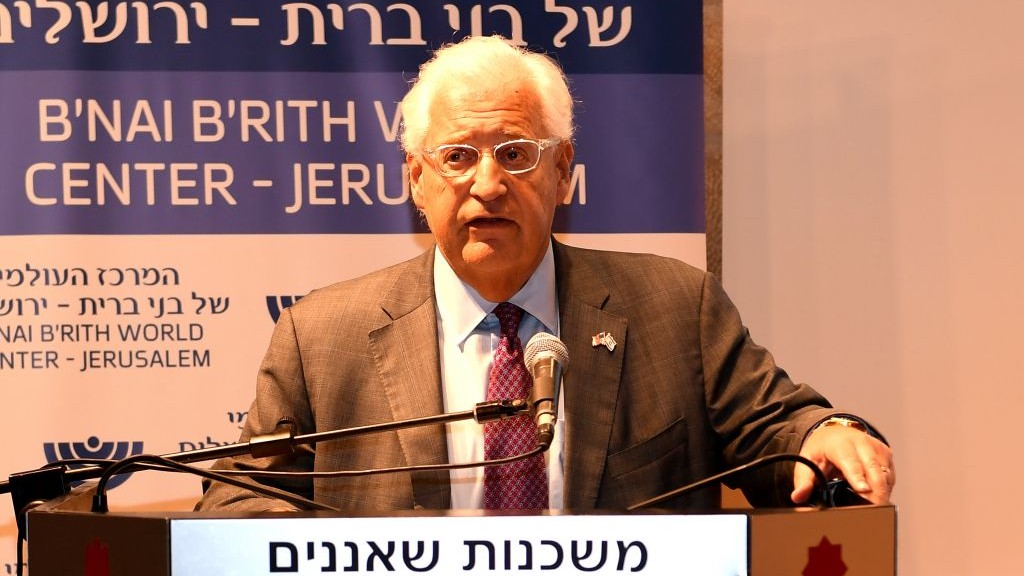
US Ambassador David Friedman has invited a large delegation of Israeli settler leaders to an American Independence Day reception at his official Herzliya residence, highlighting the new American administration’s openness toward the West Bank settlement movement.
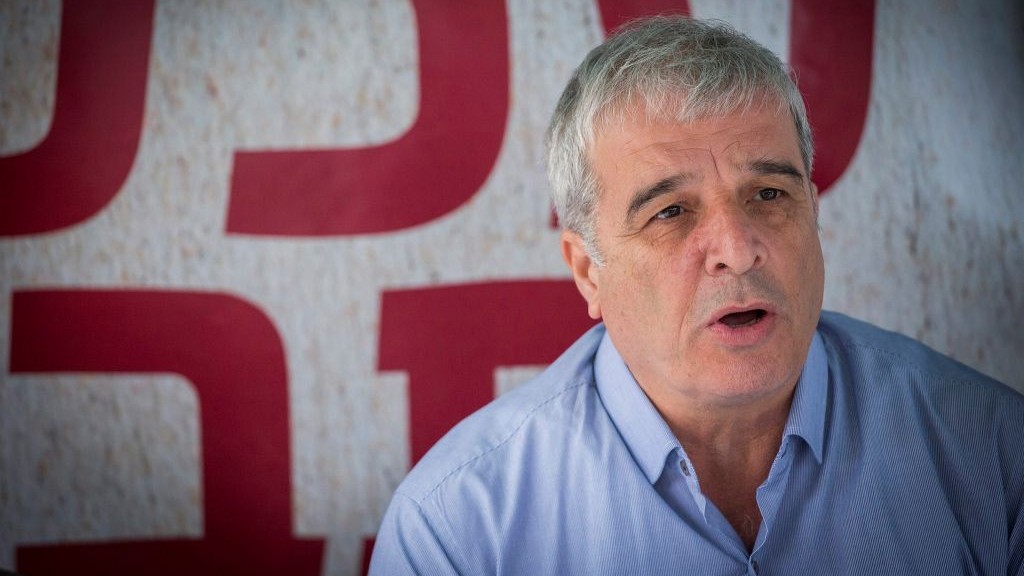
Among those invited to the annual event Monday night are Avi Roeh, head of the Yesha settlers council; Yossi Dagan, head of the Samaria Regional Council; the mayors of the settlements of Ariel, Maaleh Adumim and Efrat; and public relations figures within the settlement movement.
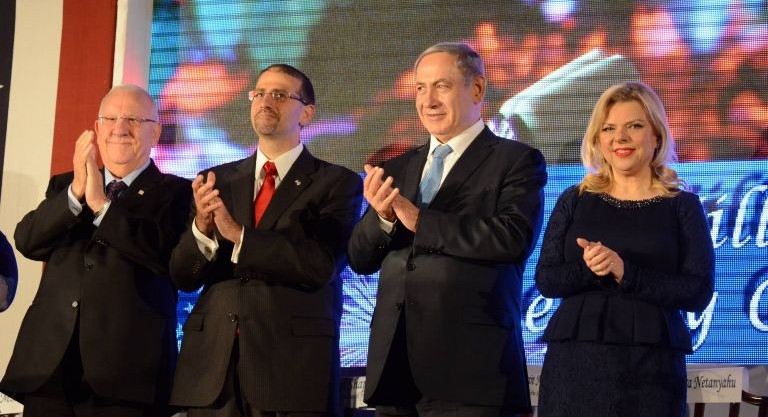
Also at the party will be Prime Minister Benjamin Netanyahu and President Reuven Rivlin, who are expected to deliver remarks, as well as other senior Israeli officials.
Friedman is also expected to speak.
The bash is to be held at the ambassador’s residence in Herzliya, north of Tel Aviv, one day before Americans celebrate in the US.
Many of the settlement figures were also invited to Donald Trump’s inauguration in Washington in January, in what was seen as a shift in policy by the new president.
Under previous administrations, settler leaders have only been invited to events at the US Consulate in Jerusalem, which is responsible for the West Bank.
That reflected US policy that the West Bank, among the territories Israel captured during the 1967 Six Day war, was not part of Israel. The war broke out after Egypt, Syria and Jordan mobilized to attack the Jewish state.
Dani Dayan, a former head of the Yesha Council, featured more than once on the guest list of Barack Obama’s ambassador to Israel, Dan Shapiro, but that was because the two were friends.
Friedman, a lawyer who represented Trump before he became president, is seen as widely supportive of settlements, having once chaired the American Friends of Beit El organization, representing the West Bank settlement near Ramallah.
Friedman has mostly stayed behind the scenes since presenting his credentials in mid-May. In his first public remarks last week, he focused on Jewish unity rather than US policy or Israeli-Palestinian peace efforts.
However, he has remained a key figure in efforts to broker fresh peace talks.
In May, Friedman told the Israel Hayom daily newspaper that Trump’s stance regarding settlements was “remarkably different” from Obama’s.
“He has not come out and said that settlements are an obstacle to peace; he has not called for a settlement freeze; he has worked for the Israelis to come up with a common understanding about how they might proceed,” he said.
Settlements have long been one of the thorniest issues in the Israeli-Palestinian conflict, with the Palestinians and much of the international community saying that their expansion threatens the territorial integrity of a future Palestinian state.
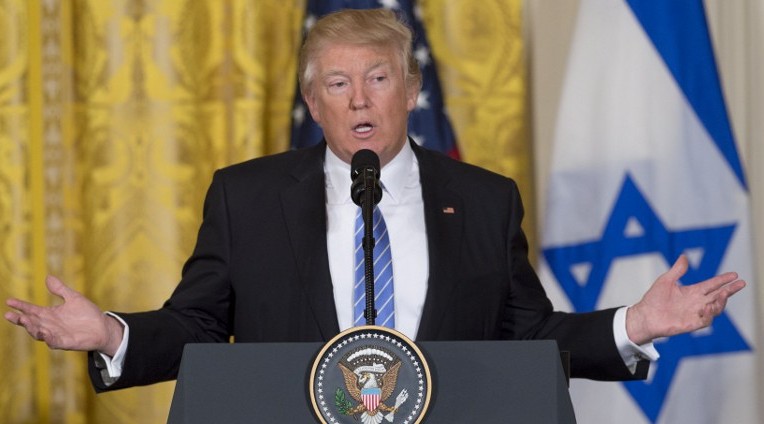
During a meeting with Netanyahu at the White House in February, Trump said, “I’d like to see you hold back on settlements for a little bit.” And he told Israel Hayom in a February interview that he does not believe settlements help the peace process and does not consider settlements “a good thing for peace.”
Raphael Ahren and Jacob Magid contributed to this report.






The Times of Israel Community.