

Was this Polish shtetl’s pre-Holocaust Jewish history forgotten, or erased?
Matthew Kalman will speak with David Blumenfeld, director of ‘Scandal in Ivansk,’ which reveals secrets hidden by a Polish town still struggling with leftover Nazi-era guilt
 Add ToI as a Preferred Source on Google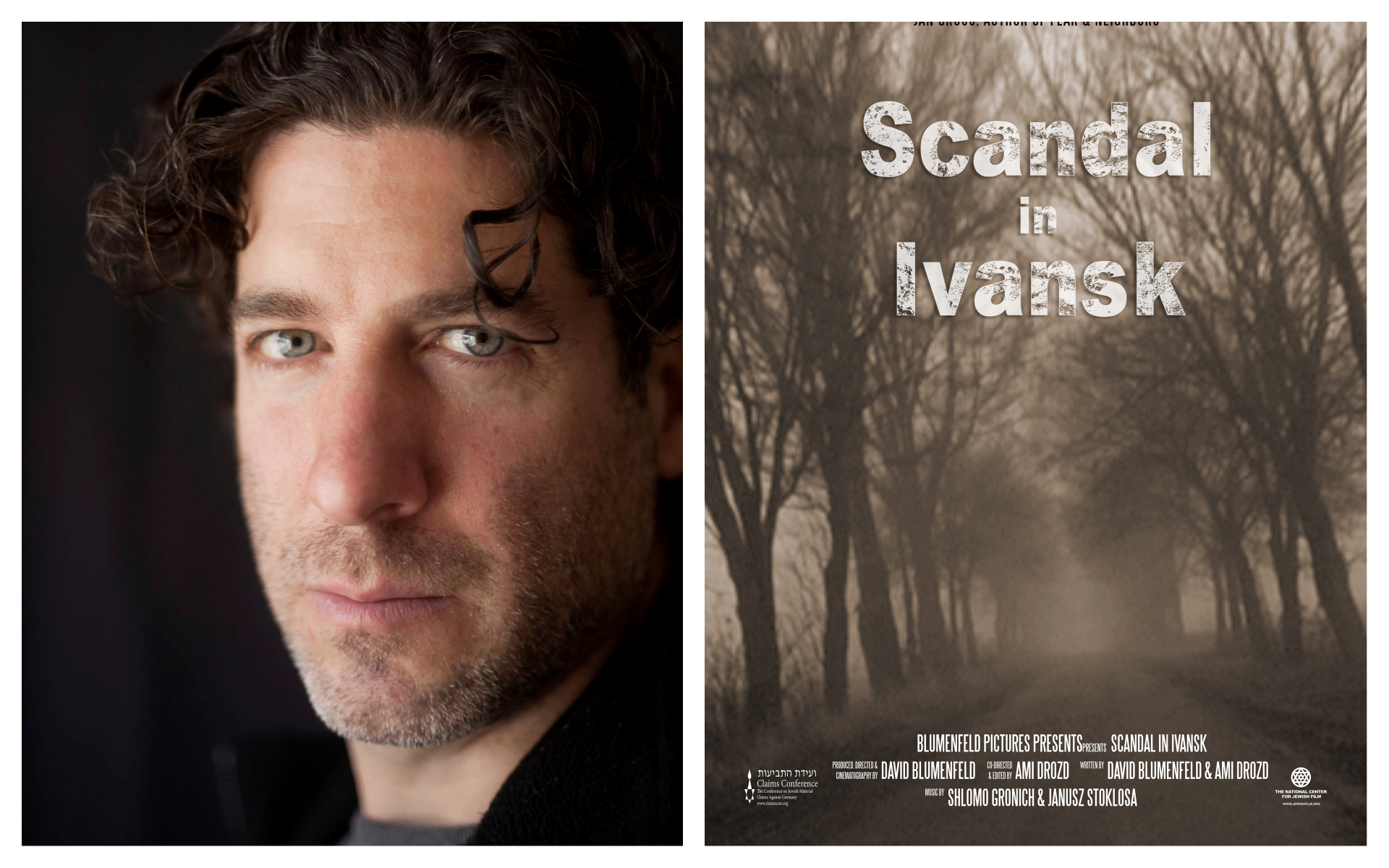
When Jerusalem-based photographer and filmmaker David Blumenfeld decided to follow efforts to restore the Jewish cemetery in Ivansk, the Polish town where his grandfather was born, he didn’t realize he would become entangled in a project that would awaken dark memories of collaboration with the Nazis and spark a national furor in Poland.
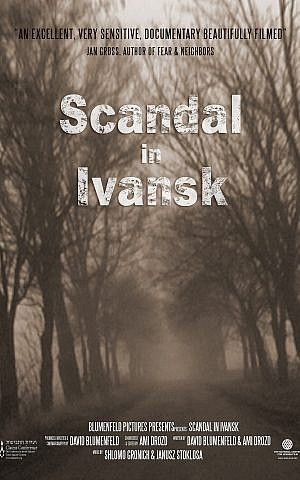
Blumenfeld’s journey into Poland’s guilty past is captured in his new documentary “Scandal in Ivansk,” being shown to English-speaking audiences in Jerusalem, Tel Aviv and Haifa on April 10-13.
I’ll speak to David after the screenings in Jerusalem and Tel Aviv about the film and how it came to be made.
I’ve had the pleasure of working with David for many years. His photography accompanied my reporting on news in Israel, the West Bank, and Gaza Strip as he became a sought-after lens man for Time, Newsweek and other major international media. But the somber theme of “Scandal in Ivansk” is a far cry from the documentary film we made together, “Circumcise Me,” about the comedy of Jerusalem-based stand-up comedian Yisrael Campbell.
Descendants of Ivansk’s Jews, who in 1939 made up most of the town’s population before they were almost all deported and murdered by the Nazis, discovered that the ancient Jewish cemetery had almost been erased. The tombstones had disappeared. The memorial in the town square doesn’t mention Jews at all, and all the land and property once owned by the Jews was taken by their Polish neighbors.
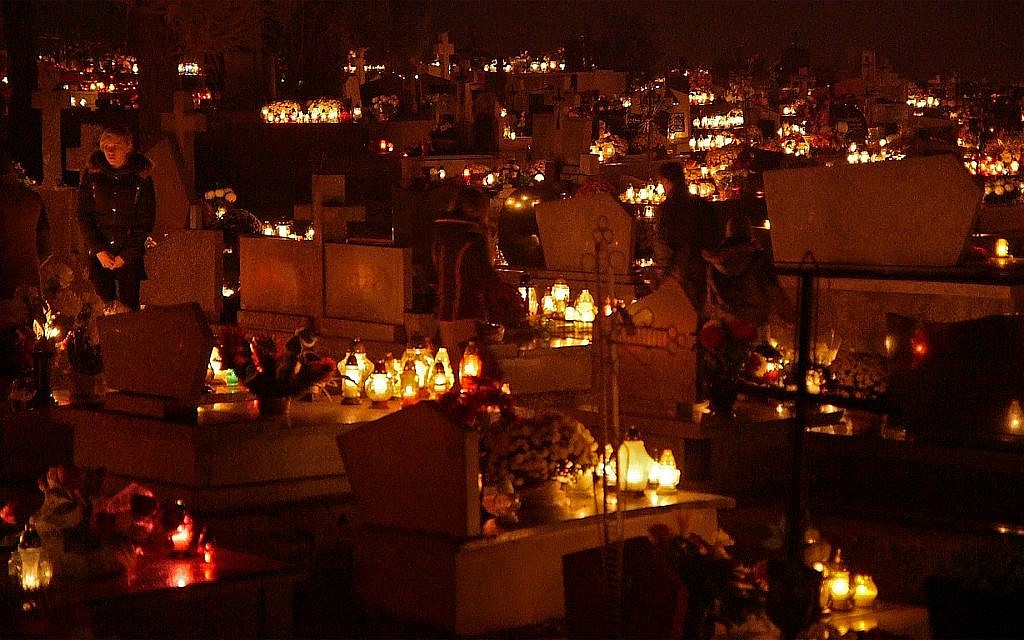
“It was strange to think that before the war most of Ivansk was Jewish, yet today there was no trace of the Jewish shtetl that once existed here,” says Blumenfeld.
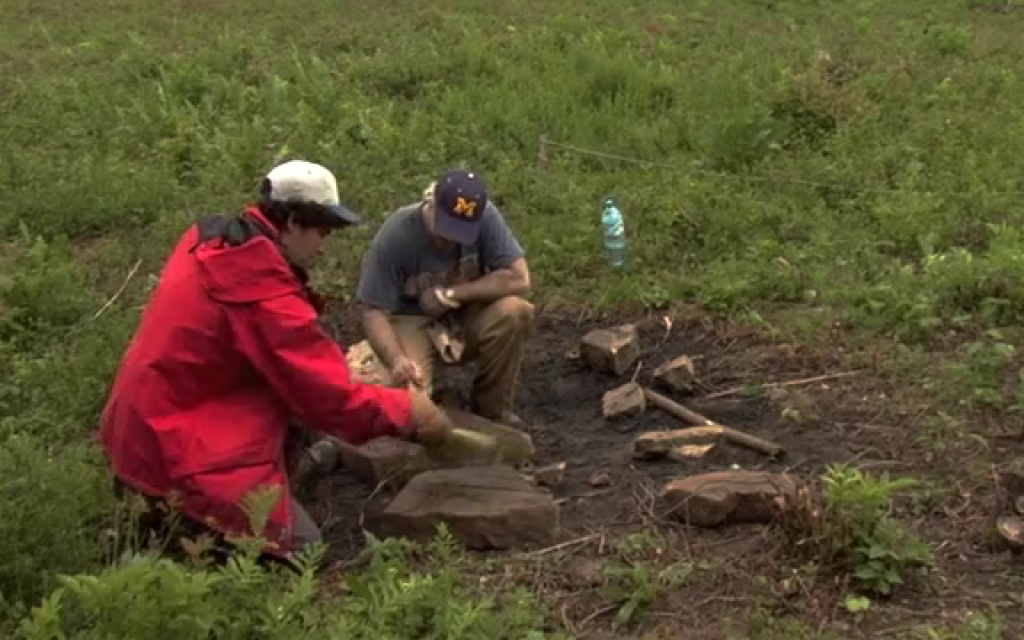
As the film unfolds and the ancient cemetery emerges from its neglected overlay of trees and scrub, a question haunts the town: Were the Jews forgotten, or was their presence here consciously suppressed?
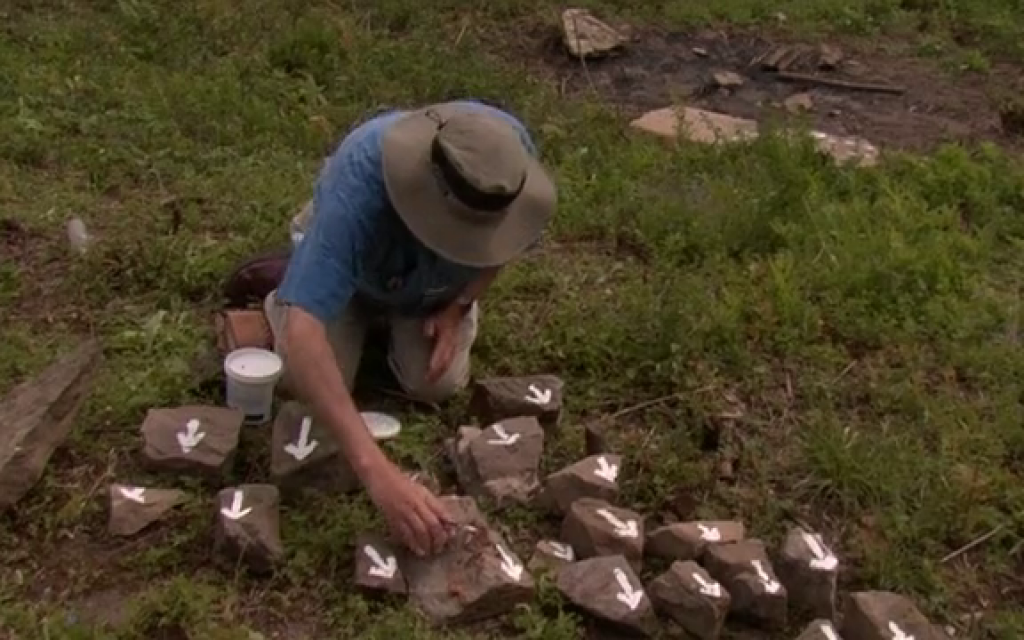
The Jewish group begins restoring the cemetery and collecting the tombstones, stirring memories of the once-forgotten neighbors whose stores once lined the main square. Some residents want to forget. Others want to remember – and even apologize. There are whispers of theft, ghosts of betrayal, and dark mutterings of the ultimate sin: collaboration with the Nazis.
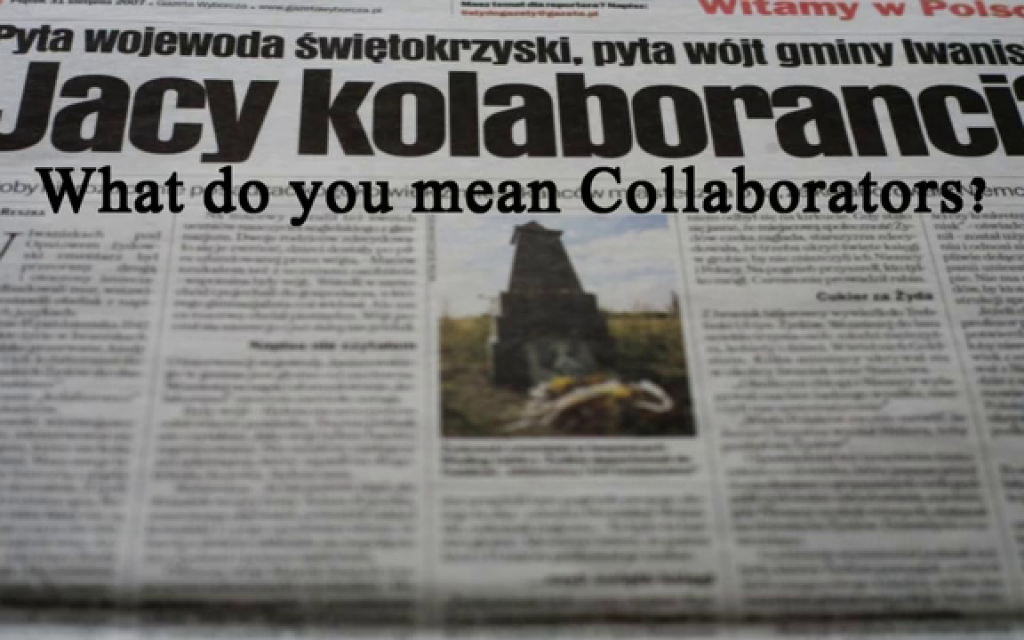
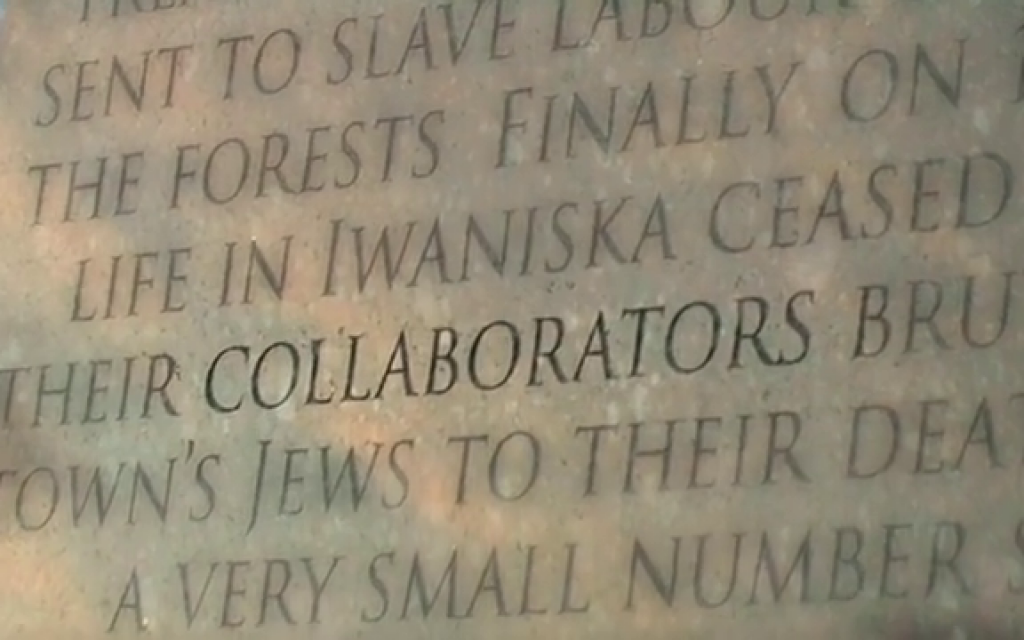
When the town mayor unveils a new memorial, the decades-old scandal of mass murder is supplanted by a new uproar. The inscription refers to “collaborators,” triggering a national debate about the role of Poles in the crimes of the Nazis.
Blumenfeld is on hand to witness and document these developments, accompanying the descendants of the town’s Jews as they seek to preserve the memory of their families, some of whom had lived in Ivansk for centuries.
“At first, I was cynical about going back to Poland. When I came across a dramatic testimony by the sole survivor from the town describing the day before the Nazis arrived, I knew I had to make this film,” says Blumenfeld.
“Aware of their impending fate, the rabbi gathered the Jews to bury their holy Torah scrolls in the Jewish cemetery. He made those assembled swear to one day ‘tell the world what the Nazis and their collaborators did to us here,’” Blumenfeld says.
“Little did I know that these words etched onto a stone monument 70 years later would cause a front-page, nationwide scandal across Poland, and set me onto an odyssey exploring the subject of memory through the lens of the often contentious relationship of Poles and Jews,” he says.
Blumenfeld’s timely film provides an intimate portrait of a community struggling with the politics of memory and history that helped forge Poland’s new legislation that banned any mention of “Polish” collaboration with the Nazis or “Polish” death camps.
The Polish educational system is “in a tragic situation,” the town’s baker tells Blumenfeld. “Once they used to say that history is lying. Today it doesn’t lie. It simply doesn’t exist. So it’s not that the Jews are harmed because we aren’t studying Jewish history in Poland. The Poles are also harmed because we aren’t studying Polish history.”
An academic recalls a poll by the Polish Academy of Sciences that found 61% of Poles believed that Poles suffered as much as or more than the Jews under the Nazis.
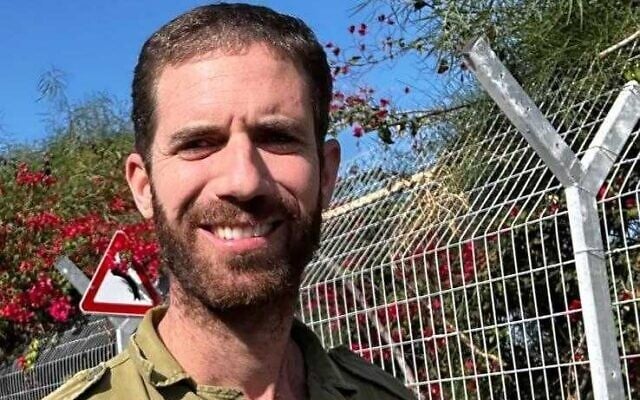
“Between Poles and Jews here is a struggle about victimhood and who is the ultimate victim,” says Prof. Havi Dreifuss of Tel Aviv University.
“During World War II the Poles were under a cruel Nazi occupation. This feeling of victimhood increased under the Soviet occupation. They were the ultimate victims. They couldn’t even imagine that there was someone in a worse situation,” says Dreifuss.
As Blumenfeld gets the elderly residents to open up about their memories of their Jewish neighbors, the hidden secrets of the town’s guilty past tumble out. They recall how the Nazis chased the Jews through the streets, shooting the elderly and sick who couldn’t keep up. One day, the Jews were marched into the town square and forced to dump all their belongings before being marched off to the train station.
A resident reveals what happened to those items – and to the homes and land the Jews left behind. “Many of the Poles became rich from this,” he says.
And what happened to the precious Torah scrolls?
The rabbi thought they would be safe buried in the cemetery, but did he really understand the neighbors who had shared their little town?
‘Scandal in Ivansk’ screenings with English subtitles:
Tuesday, April 10, Jerusalem Cinematheque, 6:30 p.m. DETAILS HERE
Thursday, April 12, Tel Aviv Cinematheque, 5:30 p.m. DETAILS HERE
Friday, April 13, Haifa Cinematheque, 5:30 p.m. DETAILS HERE
For details of all our English-language events, join our priority booking list. Send an email with the word “subscribe” to: events@timesofisrael.com








The Times of Israel Community.