

Beet them at their own game
The dark red root vegetables, rich in folic acid, manganese and zinc, are easily hidden in chocolate cupcakes, or featured in soups and salads
 Add ToI as a Preferred Source on Google
Phyllis Glazer is an American-born food journalist based in Tel Aviv, Israel. She is the author of several cookbooks that have been published in Hebrew, German, and Italian, and appears frequently on television and radio in Israel.
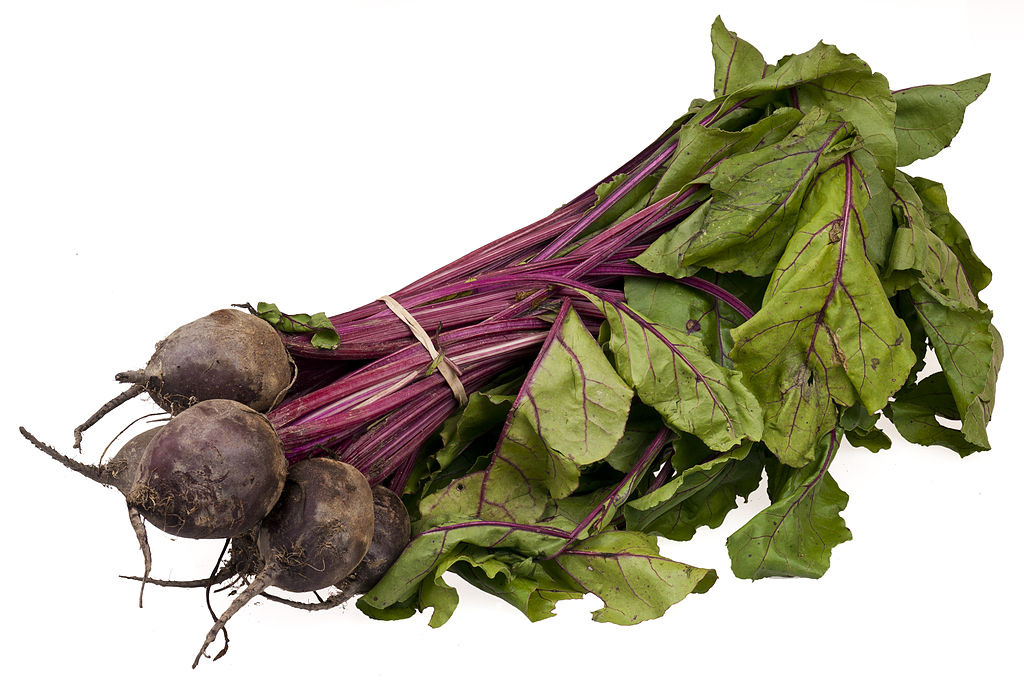
Several years ago, I learned an important lesson in parenting from a beet; the fact that a child won’t eat something today does not necessarily mean that he or she won’t eat it tomorrow. For the first 16 years of her life, my daughter Zohar refused to try beets in any form, so, like most parents, I just stopped making them. After all, I reasoned, why invest time, energy and money in buying and making food that my child won’t eat?
And then one day she returned home from a friend’s house and announced that she had not only tried a beet salad — she actually liked it. I was astounded.
Many of us have or know children (or grandchildren) who are picky eaters, and we cater to them by eliminating the foods they dislike from the dining table, even though we, or the rest of their friends and family, may like them. Slowly but surely, the range of foods in their daily diet diminishes, leading to unbalanced and unhealthy diets at precisely the time in their lives when they need it most. What and how they learn to eat at the table in childhood can and will affect them in the course of their lives.
The problem is not just the kids — it’s the parents and grownups in their lives. From my beet experience, I’ve learned that we shouldn’t give up, but rather continue the presence of disliked foods at the table for the rest of the family and guests to enjoy, because if the finicky child sees others eating the food and enjoying it, he might one day — and it may take years — try it himself. Like Zohar and the beet.
For especially difficult eaters (and there are adults in that category as well), I’m a firm believer in what I call “sneaky nutrition” — because what they don’t know can help them.
When baking, substitute up to one-half of the flour in the recipe with B-vitamin rich wheat germ, add wheat germ to patties or burgers as a binder, and a tablespoon or two to a smoothie. Sneak grated vegetables into patties or baked goods (like carrot cake or zucchini bread). One of my daughter’s favorites growing up was tomato-rice soup, which I initially made with white rice, and gradually substituted with short-grain brown rice over the course of time. Sneaky mom.
But why beets? Low in calories (just 44 calories in 100 grams of raw beets, 32 calories in 100 grams of cooked beets), beets are rich in folic acid, niacin, manganese, zinc, anti-oxidant pigments called betalains and other phytochemicals that help prevent disease. I love grated raw beets in salad, but they are equally good roasted or cooked in salad, and as cold or hot borscht, beet soup. In natural medicine disciplines, beets are believed beneficial for the kidneys, liver and capillaries. You can also brush a slice on your cheek, for a natural and rosy glow.
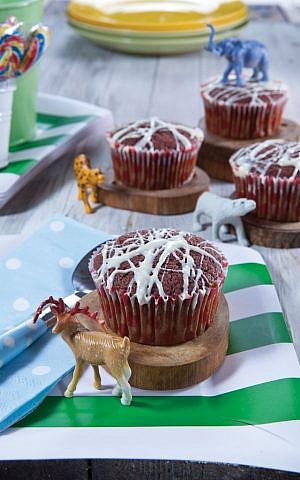
Chocolate Cupcakes… with a surprise! (makes 12 cupcakes)
- 75 grams chocolate (60% chocolate solids)
- Half cup oil
- 2 eggs
- ¾ cup natural cane sugar
- 1 cup cooked ground beets
- 1½ teaspoons real vanilla extract
- 1 cup 70% whole wheat flour (or enriched all-purpose flour)
- 1 teaspoon baking powder
- Dash salt
Icing (optional)
- 100 grams white chocolate, melted
- 1 tablespoon oil
- Preheat oven to 190°C (375°F). Line a 12-cup muffin pan with paper liners (or use silicon muffin cups).
- Melt chocolate with one-quarter cup of the oil in the microwave (or the top of a double boiler over simmering water). Stir to blend.
- Beat the eggs and sugar in the bowl of an electric mixer until smooth. Lower speed and add the rest of the oil, the chocolate mixture, beet and vanilla.
- Sift flour, baking powder and salt and stir into the egg mixture just until smooth.
- Bake 18-20 minutes or until a toothpick inserted in the center comes out clean. Let cool in pan.
- To make the icing, melt the white chocolate with the oil in a microwave. Let cool slightly and use a spoon to make a zig-zag pattern over the tops of the cupcakes.










The Times of Israel Community.