

A triumphant coda to Philadelphia Orchestra’s much-debated visit to Israel
The trip, marked by a scattering of BDS protests, ends on a high note in Jerusalem with standing ovations at the final performance
 Add ToI as a Preferred Source on Google
Jessica Steinberg, The Times of Israel's culture and lifestyles editor, covers the Sabra scene from south to north and back to the center
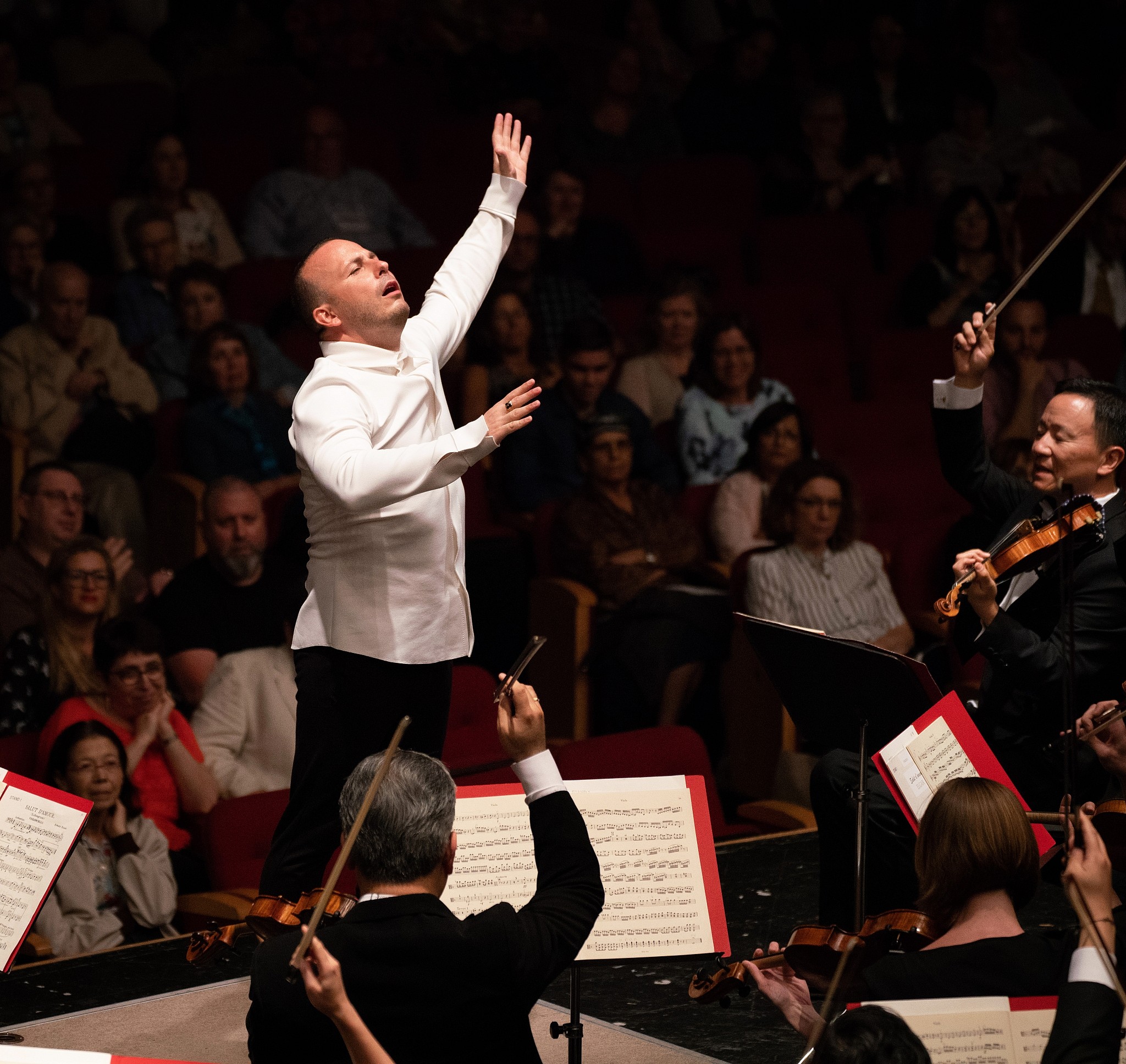
It was a wildly enthusiastic audience Tuesday night at the third and final performance of the Philadelphia Orchestra, held at Jerusalem’s International Convention Center, marking the end of the symphony’s much-discussed trip to Israel to mark the country’s 70th birthday.
The orchestra had been greeted with similar warmth by audiences in Tel Aviv and Haifa. At the end of this performance, amid the bows and applause, music director Yannick Nézet-Séguin thanked the audience for its standing ovation with a simple “Todah raba, haverim” — “Thank you, friends.”
Presiding over roughly the same program as the previous two nights, Nézet-Séguin, a powerfully energetic conductor who bounced on his feet throughout the performance, drew the audience in with a masterful rendition of Leonard Bernstein’s “Second Symphony,” a complicated piece that turns from the somber sounds of chamber music into jazzy rhythms and then the more familiar tunes of a Broadway musical.
The piece was centered by the celebrated French pianist Jean-Yves Thibaudet on the keys, a performance that earned him more than one tight hug from Nézet-Séguin.
The second half was filled with Tchaikovsky’s “Fourth Symphony,” a more traditional piece that showed off the range of the Philadelphian musicians, from the soft lyricism of the strings to the grand glory of the full ensemble.
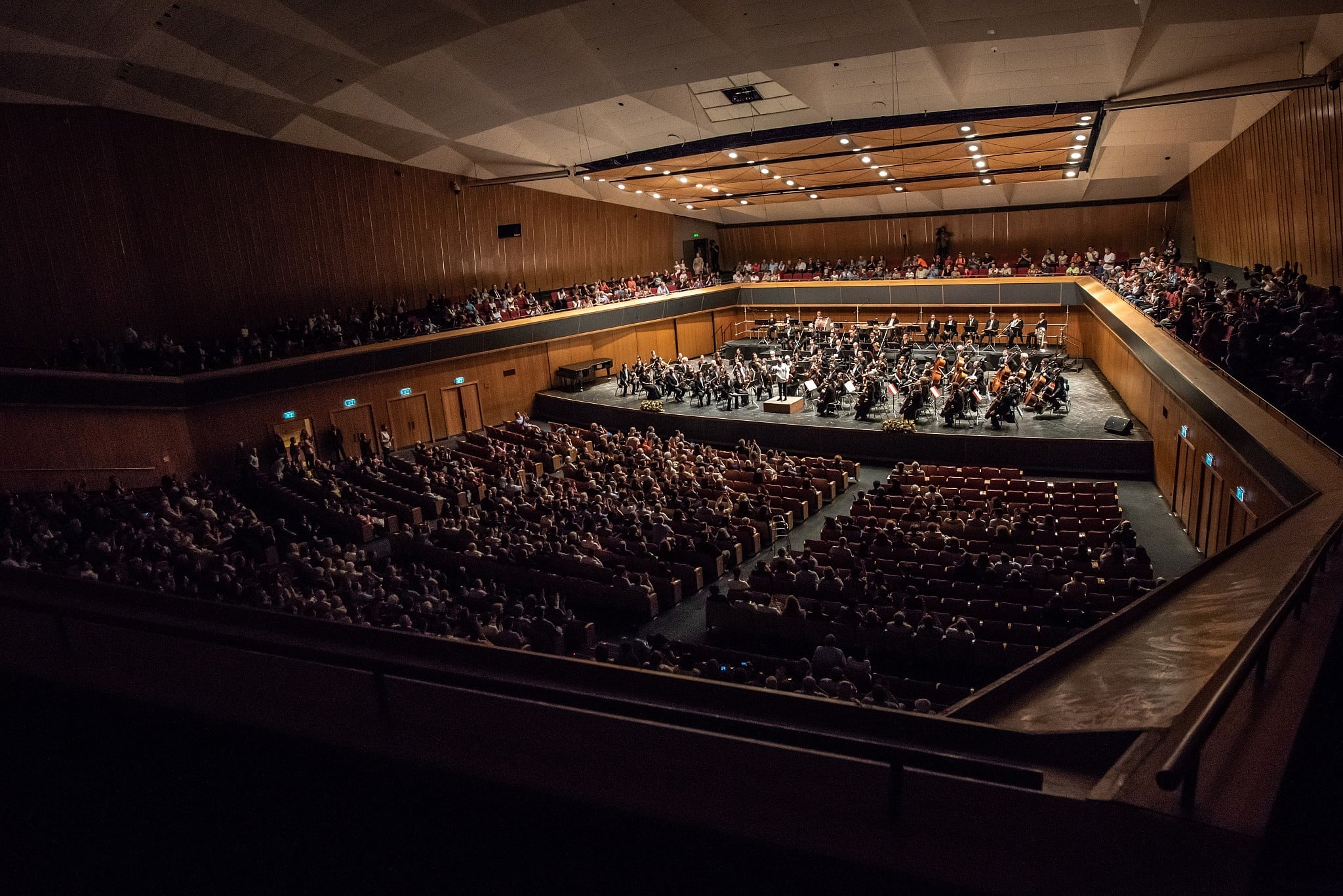
It was a fitting finish to the trip, which has earned the orchestra both approval and censure back home and abroad.
The trip, which brought the entire orchestra as well as 60 of their patrons to Israel, was planned in part by the Philadelphia Jewish Federation, and has been in the works for nearly two years.
The orchestra, which has often traveled abroad, wanted to mark Israel’s 70th. It ended up working with the local Jewish Federation of Greater Philadelphia, which was planning its own program of missions for the 70th celebrations.
The orchestra had also been working with the State Department’s cultural section, said Ryan Fleur, the orchestra’s interim president who is in Israel with the group, as well as the Israeli embassy and consulate in planning the trip.
“We were working with the orchestra hand in hand,” said Susanna Lachs Adler, the board chair of the Jewish Federation of Greater Philadelphia. “At no time did we hesitate in moving ahead with this. We’re not susceptible to cultural terrorism.”
What the orchestra perhaps hadn’t initially anticipated was the number of BDS protests to its planned excursion.
The protests began with the change in the political climate following US President Donald Trump’s 2016 election followed by his decision to relocate the US embassy from Tel Aviv to Jerusalem.
In light of the BDS protests, “we had to be more flexible with our planning,” said Fleur.
Pro-Palestinian activists protested outside the orchestra’s Kimmel Center for several weeks, according to Philly.com, while Susan Abulhawa, a well-known writer and human rights activist from the area, wrote an op-ed in the Philadelphia Inquirer saying the orchestra tour in Israel was being used to “divert attention from Israeli crimes.”
Protesters also interrupted the Philadelphia Orchestra’s Thursday night performance in Brussels, as two women stood up with chants of “Free, free Palestine,” causing Nézet-Séguin to stop conducting for about 25 minutes.
The orchestra’s tour in Israel included workshops, master classes and impromptu concerts, including several planned in Arab towns and cities, although some were moved or canceled due to the attention being drawn to the orchestra.
At a panel at the King David Hotel on Tuesday featuring Fleur, former Israel Museum director James Snyder, Hebrew University musicologist Yossi Maurey and orchestra cellist Udi Bar-David, the four discussed cultural diplomacy in the face of the orchestra’s current trip.
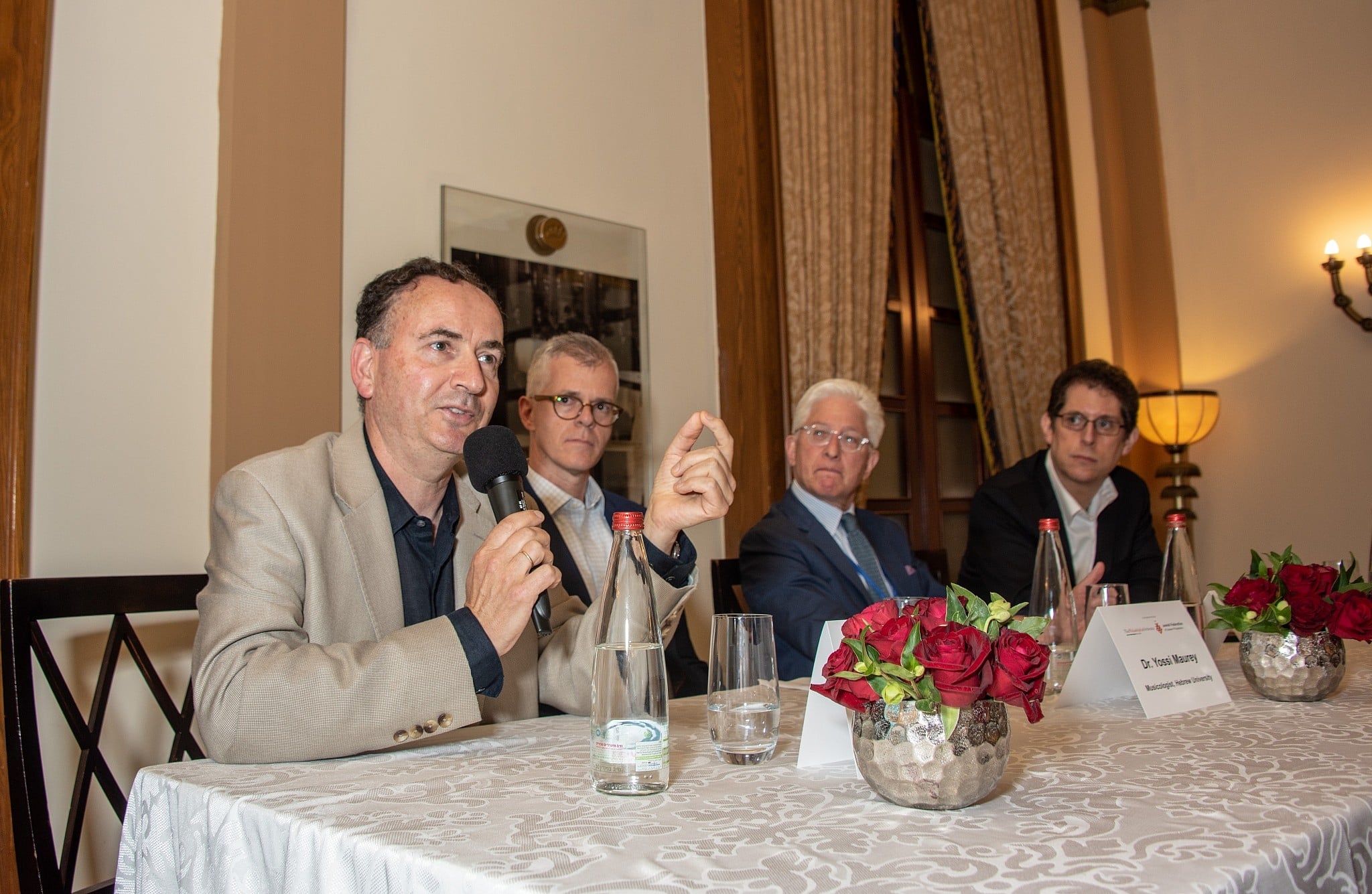
“Music can create communities, build bridges, or do all of that in many different ways,” said Maurey.
Snyder talked about the benefits of the cross-cultural landscape beyond all the geopolitical machinations, drawing on his 20-plus years of experience at the museum which partnered with museums the world over despite any underlying political issues.
“In a country like Israel, which has very challenged relationships, culture can often play a role,” said Snyder. “Culture can be a bubble, not in a negative way, but in a positive way.”
It was perhaps cellist Ben-David, who grew up in Israel, who spoke most directly to the situation.
“I’m trying to make sense of this,” he said. “All these things we have to resolve. What is the role of the Philadelphia Orchestra when we go somewhere? The performance has to rise above the situation. Everything you say can be interpreted, it’s so volatile. We shouldn’t pretend it’s not there.”





The Times of Israel Community.