

Cookbook author gives taste of her adopted home with a little help from the shuk
The Tel Aviv-based food writer Adeena Sussman earned her recipe-testing chops while living in New York, but the Carmel Market offers her ingredients and inspiration
 Add ToI as a Preferred Source on Google
Jessica Steinberg, The Times of Israel's culture and lifestyles editor, covers the Sabra scene from south to north and back to the center
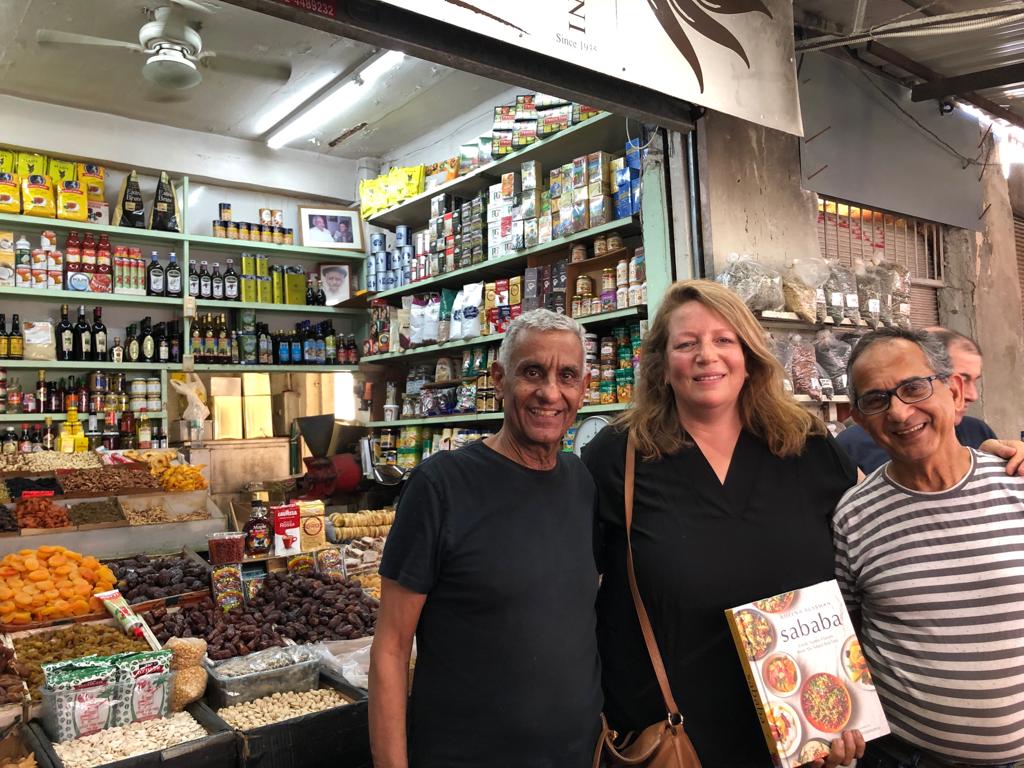
A scant four hours after Adeena Sussman had landed back in Israel, she was already striding through her beloved Carmel Market, greeting vendors and friends and showing them where they were mentioned in her “Sababa, Fresh Sunny Flavors from My Israeli Kitchen,” a cookbook of Israeli cuisine that pays homage to them and the flavors they bring to this Tel Aviv marketplace.
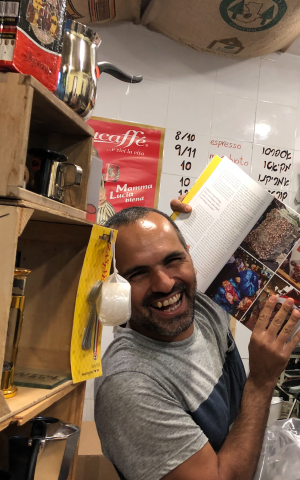
“Micky!” exclaims Sussman, reaching over a counter to hug the proprietor of a small coffee stall (featured on page 15), where she often begins her mornings.
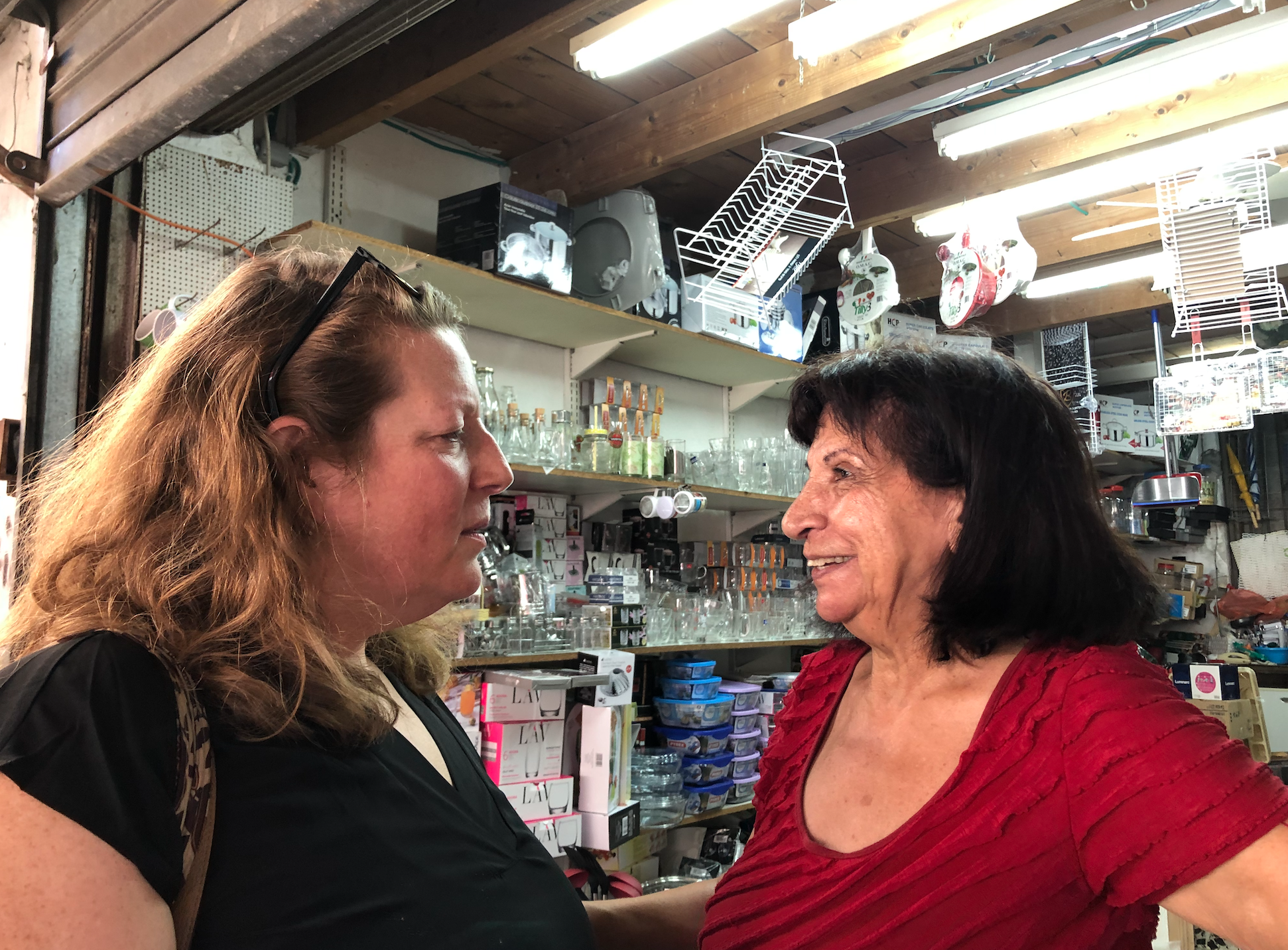
It was a scene that repeated itself multiple times over the next hour, as Sussman visited the Amrani brothers, her spice and dry goods proprietors (page 80), said hello to her mother figure Rivka, who owns a kitchen goods store, and split a Tunisian deep-fried fricassee sandwich with a reporter/friend tagging along, and then had a fresh doughnut tucked into a paper bag for dessert.
Sussman wasn’t quite ready to hand out copies of “Sababa” (Avery), which, with with a foreword by her friend and James Beard winner Michael Solomonov, launched to great acclaim in the US over the last month, but has only recently reached the shelves of the Steimatzky bookshop chain in Israel.
In fact, she was awaiting a shipment of books at the apartment she shares with her husband, Jay Shofet, in the Yemenite Quarter, just a few minutes’ walk from the market.
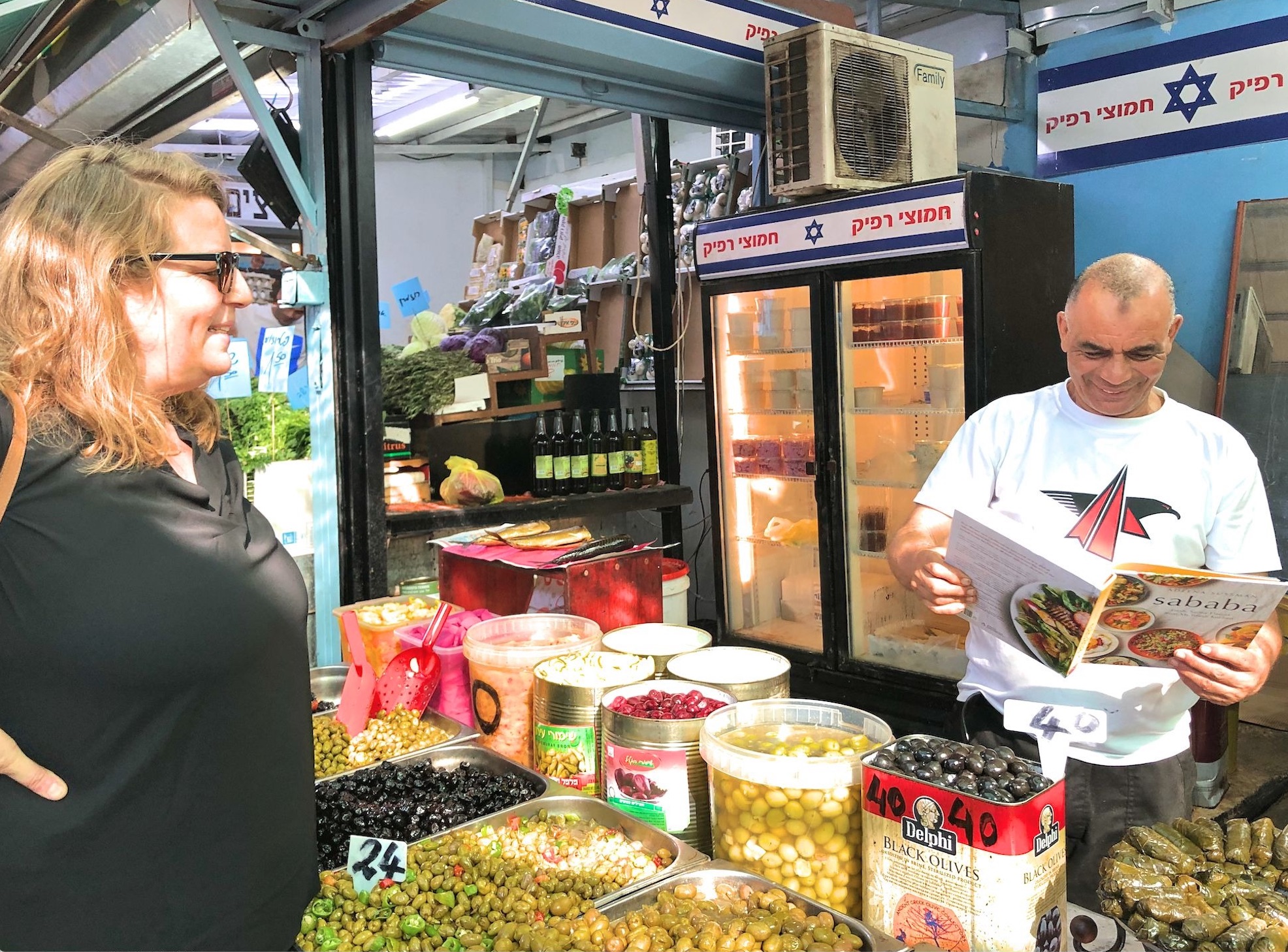
But the well-known market had to be one of her first stops now that she was home, for it is at the very center of “Sababa” (which translates roughly as A-OK, or cool), where it is listed in the index under its name in Hebrew, Shuk HaCarmel.
For now, she and this writer — we’ve been close friends for more than 20 years — were celebrating the remarkable launch of her book, which has been named a best Fall 2019 cookbook by The New York Times, Bon Appetit, Food & Wine, and Epicurious, and was written up in The New Yorker, People Magazine, and The Wall Street Journal.
Titian-haired Sussman, a warm, down-to-earth immigrant from northern Californian, spent 20 years honing her culinary arts in New York before moving to Israel several years ago.
It was that 2015 relocation, made in order to live with her now-husband, Jay, that cemented Sussman’s dedication to this place and its food.
“I’ve been thinking about writing about Israeli food forever, but I didn’t feel I had the credibility when I wasn’t living here,” said Sussman. “I got here, and I just started spending every day in the shuk.”
As she writes in “Sababa,” Shofet found their first place just a couple of blocks from the Carmel Market, a bustling food center that is both a major tourist draw and a source for pretty much all things culinary in this city of chefs and trendy restaurants.
“I always thought it had to be near the shuk; we had talked about it, too,” said Shofet, who met Sussman in 2015. “I don’t think she realized how much it was going to be a third person in our marriage. It’s not only her daily bread, and her daily kilo of tomatoes, but her community.”
Sussman found herself there every day, rising early and heading out to buy ingredients for whatever she needed to cook and test that day. And because she is an outgoing, gregarious people person, the vendors became her colleagues as she embarked upon her interpretation of Israeli cuisine.
She ventured farther afield as well, to the Levinsky Market known for its spices and homemade tahini, and made friends there as well. (In fact, she is co-authoring another cookbook with Benny Briga, the proprietor of Cafe Levinsky 41, who makes sparkling drinks out of his homemade fruit elixirs.)
“Sababa” is a chronicle of the last three years of her life in Israel — specifically of the foods she cooked endlessly, both for her writing projects and for a regular rotation of friends, family and visitors who paraded through her home.
“I wouldn’t trade it for anything, it’s amazing,” said Shofet, who pointed out that Sussman was already cultivating her brand when she moved to Israel, with thousands of Instagram followers, many of whom recognize her on the streets of Tel Aviv. “I see Tel Aviv so much better and more completely with her and through her, and through the larger foodie community which we’re getting to know.”
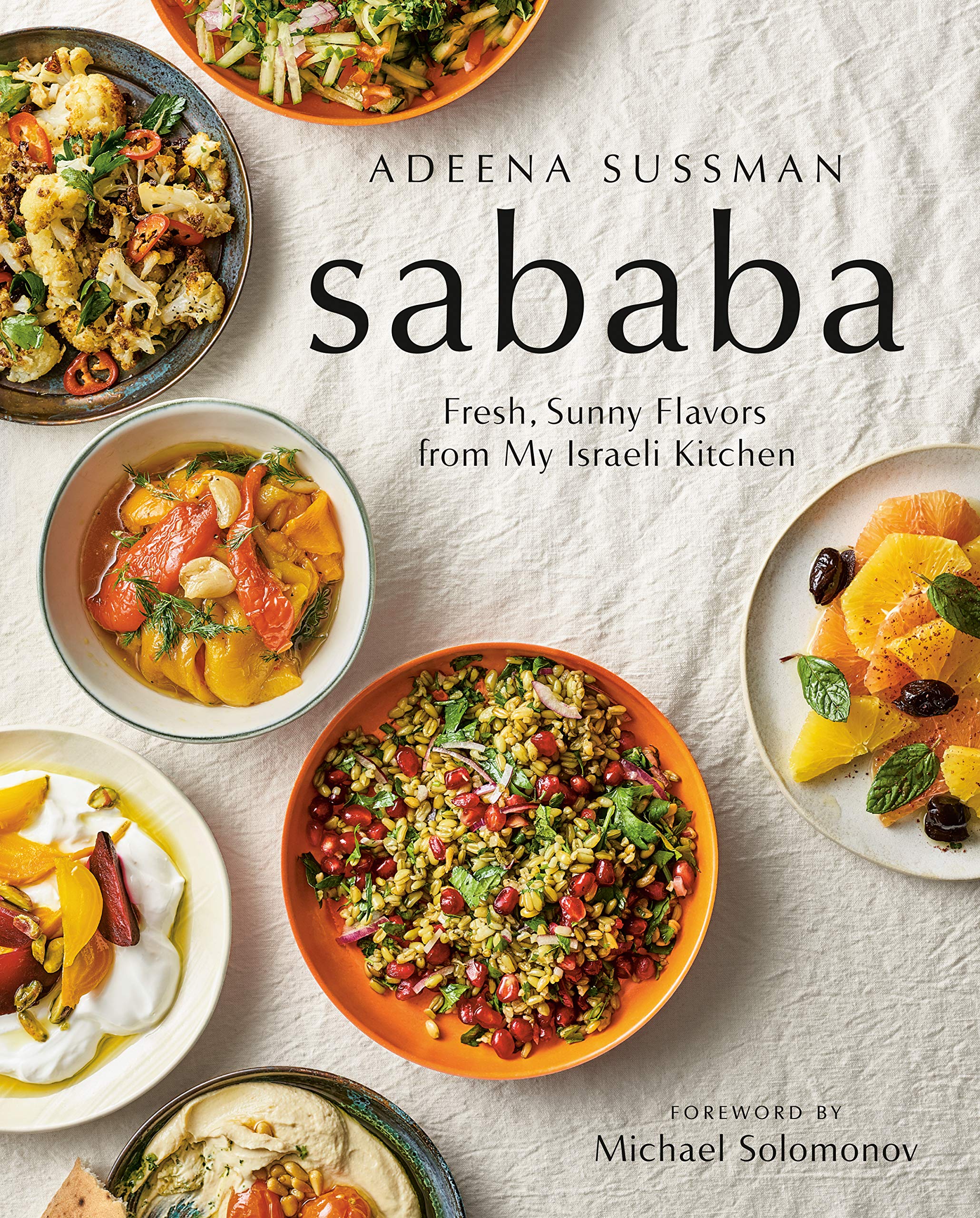
The result of all that cooking and research, “Sababa” is a beautiful book, styled and photographed with great care by Nurit Kariv and photographers Dan Perez and Eyal Yassky Weiss.
More than that, it’s an acknowledgement of all the influences in her life, from her childhood in the Bay area, where her parents were the de facto importers of kosher cheese for the rest of the Jewish community and often served Shabbat meals to all kinds of locals and travelers, to her more recent decades as a cookbook co-author, food writer, and recipe developer (I once ate tuna casserole at her New York City apartment every day for an entire week).
The cookbook is kosher, even though Sussman is not, as she wanted everyone to be able to cook from “Sababa,” including her kosher-keeping sister and father. Besides, said Sussman, Israeli food “is basically a kosher proposition.”
It’s also the first Israeli cookbook geared toward the home cook, said Sussman.
“There are all the things I would make for my guests, in my home,” she said, pointing out the inspiration she had from fellow Israeli chefs who cooked with her in their homes. “It’s the things I like to cook. And I wrote the book I felt I was supposed to write.”
Sussman had been living in Israel in the mid-1990s when she returned to the US and attended the Institute of Culinary Education, planning to apply her writing skills to food writing. For the next decade and a half, she wrote articles, tested recipes and co-authored 11 cookbooks, including the New York Times No. 1 bestseller “Cravings” and its followup, “Hungry for More,” with model and talk show star Chrissy Teigen. She also wrote for Food & Wine, The Wall Street Journal, Los Angeles Times, Epicurious and Gourmet.
During all that time, Sussman returned frequently to Israel to visit friends and write about Israeli food, including a long-standing monthly column for Hadassah Magazine. One of her first major articles about Israeli food was for Gourmet, telling the tale of two Yemenite sisters and their traditional and inspired Shabbat chicken soup.
Those inspirations are present in “Sababa,” from Kubaneh Bread with All the Fixings and Lachuch (Yemenite Crumpet Pancakes) to Cardamom-Kissed Schug, Chilbeh (Fenugreek Relish) and Overnight Chicken Soup (with a Yemenite Option).
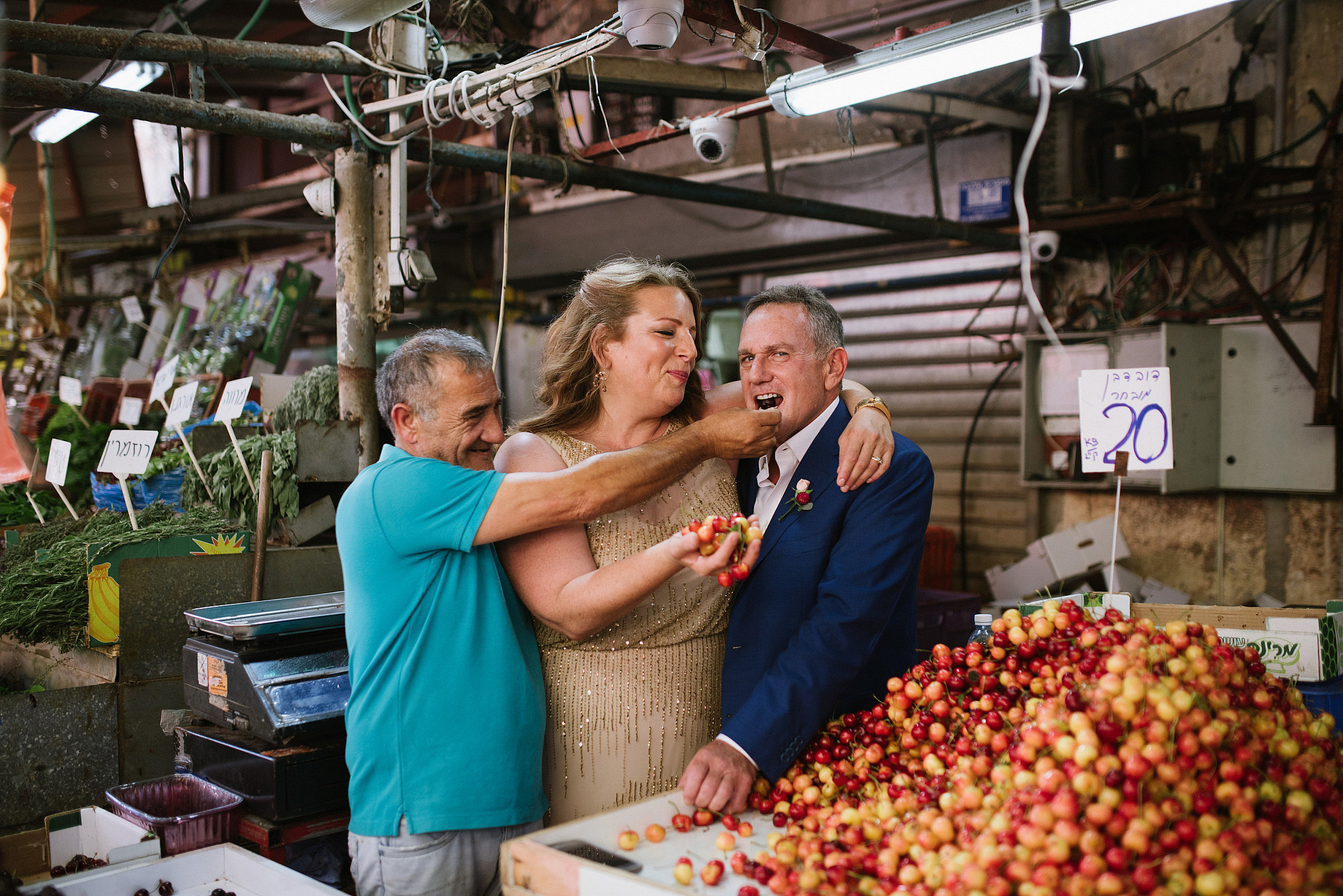
There’s also Erez’s Wedding Lamb Focaccia, a recipe from chef Erez Kamarovsky (the man behind the Lechem Erez chain of artisanal breads who now lives on a farm in the north), who catered Jay and Adeena’s wedding, making all the guests swoon over his roasted kohlrabi and lamb focaccia.
The cookbook includes much more than a nod to the beloved everyday foods of Israel, from Crispy Sesame Schnitzel and 40-Minute Amba (a tangy mango spread) to Harissa-Honey Pargiyot, the boneless chicken thighs that Israelis love to grill, Shawarma Pargiyot, a riff on that favorite Israeli street food, and Salt-Brined Dill Pickles, based on the extremely popular canned pickles served with everything from falafel to, well, shawarma.
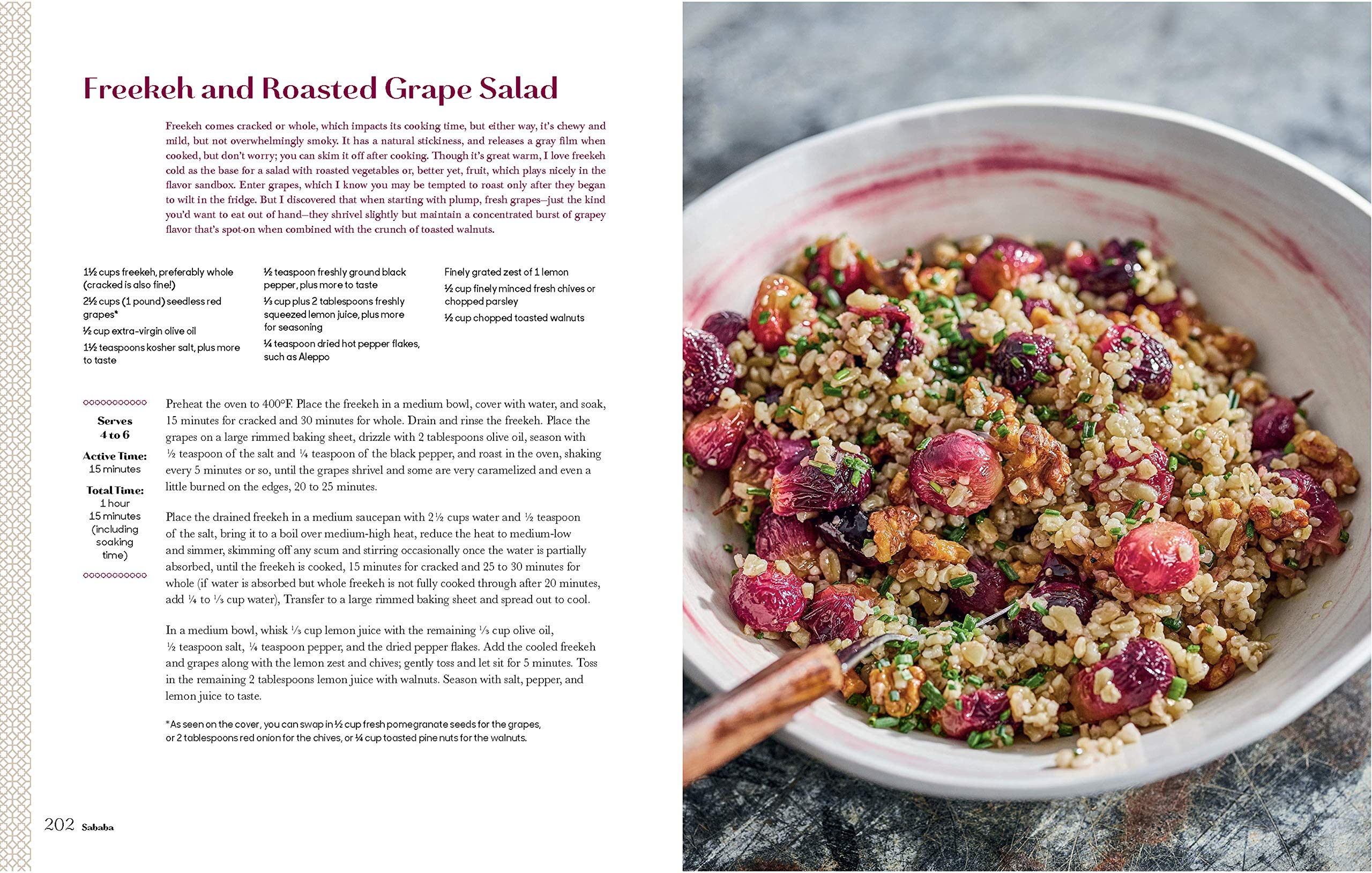
The Israeli table’s condiments and side dishes appear as well, including, of course, hummus (two kinds, Magical Hummus and Quick and Easy Hummus), Preserved Lemons, Preserved Lemon Paste and 24-Hour Salted Lemon Spread, Za’atar Spice Blend, and Israeli Everything Spice.
There are also Sussman’s homemade condiments, her homemade Roasted Sheet Pan Cherry Tomatoes, used in a bunch of dishes, and her Roasted Grapes, and of course tahini, used in multiple recipes, both savory and sweet.
The book, written in Sussman’s breezy, chatty, informative tone, is an ode to her adopted home and its food, with easy-to-follow recipes and dishes that are more than doable for the home cook.
It’s a book that’s been long in the making. Even prior to donning her chef’s apron, when she was working for Israel’s Tel-Ad television channel, Sussman thought about food. There was a period in her twenties when she drank so much carrot juice from Israeli street vendors that her long slim hands turned orange. Perhaps that love of carrots was the inspiration for her Tahini-Glazed Carrots.
In her twenties. she created renditions of her beloved mother’s traditional Jewish recipes, from a puffy apple kuchen cake (now elevated to Peach Kuchen in “Sababa”) and one-bowl recipe for peanut butter brownies, now remade as Chewy Tahini Blondies. (You have to try the Tahini Caramel Tart, aka the Gal Gadot of Tarts, and the Triple Ginger Persimmon Loaf, another recipe that’s been developing for a while.)
Sussman is a woman who has always loved her cold drinks — she has perfected the almond milk iced coffee and offers it to everyone who walks in her door — and also loves anything citrus or pomegranate-based, so there’s Almondy Vodka Limonana, Bloody Miriam, Cardamom-Cinnamon Cold Brew and Mixed Herbal Tea, as well as Pomegroni and Watermelon Arak Granita.
“I think being an outsider in a culinary culture is an advantage,” said Sussman. “The whole idea is how to use the basics of an Israeli kitchen and use them in ways that are a blend of my American upbringing and training and my Israeli life. Israelis don’t know exactly what a blondie is, but it’s been fun to test my recipes on Israelis and win them over.”
The book is Sussman’s translation, or transliteration, if you will, of all the reasons why Middle Eastern food is so popular — so, well, sababa.










The Times of Israel Community.