

Following Gaza ceasefire, foreign interest in Israeli homes heats up as local demand cools
Sales tamped down by high costs and high interest rates, as Diaspora Jews seeking haven from rampant antisemitism contend with a weakened dollar
 Add ToI as a Preferred Source on Google
Zev Stub is the Times of Israel's Diaspora Affairs correspondent.

Shortly after Israel announced its ceasefire with Hamas in mid-October, local real estate agents started noticing a pickup in inquiries from overseas.
“Our phones started ringing about a week after the ceasefire went into effect,” said Ben Levene, CEO of Jerusalem’s CapitIL Real Estate Agency. “Demand was strong in Jerusalem throughout the war, but we saw a massive increase after the ceasefire.”
A similar trend is underway in Tel Aviv, according to Shai Alayof, co-founder of the Alayof Group agency.
“During the last few years, people were on the fence about buying, but interest has been picking up in the past few weeks, with a lot of movement from the US and France,” he said.
As Israel looks to move on with the ceasefire, potentially ending its two-year war in Gaza, demand from overseas buyers has picked up, and analysts are optimistic that prices will continue rising over the long term.
However, the country’s housing market has cooled somewhat in the face of sky-high prices and interest rates. That may change as there appears to be a shift in the decades-long trend of skyrocketing price levels: Starting from the beginning of 2025, home prices gradually inch downward.

Diaspora Jews have long sought to buy homes in Israel for numerous reasons, including Zionist ideologies and being close to family. However, buyers are increasingly talking about moving to Israel to escape rising levels of antisemitism in their home countries, Levene and Alayof both noted.
The election of Zohran Mamdani as the next mayor of New York earlier this month has also accelerated that process. Mamdani’s record of anti-Israel activism and recent ambiguous statements about antisemitism have stoked fears that the city with the world’s largest Jewish population may soon no longer be a safe place to be Jewish.
“I wouldn’t say people are rushing to leave New York, but clients say they are considering it,” Levene said. “You can see the thought process throughout the tri-state area.”
Increased interest from customers will take some time before it translates into sales, Levene noted.
Meanwhile, others are looking to invest in a market that they expect to perform strongly in the post-war future, according to Elchanan Leyzerovich, head of Israel’s ELG Investment House.
“In conversations we held with people interested in land, a recurring sentiment was that Israel is entering a period of growing regional strength, and many see this as an opportunity to anchor their future in Israel or at least begin planning for it,” he said.
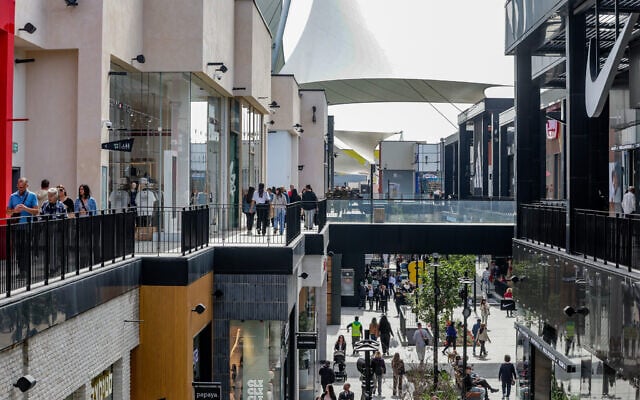
A weak dollar is “slightly” dampening demand, however, Levene said. The dollar reached as low as NIS 3.25 last week, a level not seen since April 2022, making it more expensive for overseas buyers to purchase properties in shekels.
“I’d say the dollar rate is causing everyone to take a little bit of heed and wait a bit,” Levene said. “It’s hard to say exactly how much that is impacting people’s decision-making, but it is definitely complicating matters.”
Cooling domestic demand
Meanwhile, demand has been cooling from buyers inside Israel. While official government data is not yet available for October and November, market indicators show prices falling due to a combination of high prices, high interest rates, and a record supply of unsold new housing.
Prices have fallen by more than 2% in the last six months, and have risen just a slight 0.5% over the past 12 months, according to the Central Bureau of Statistics.
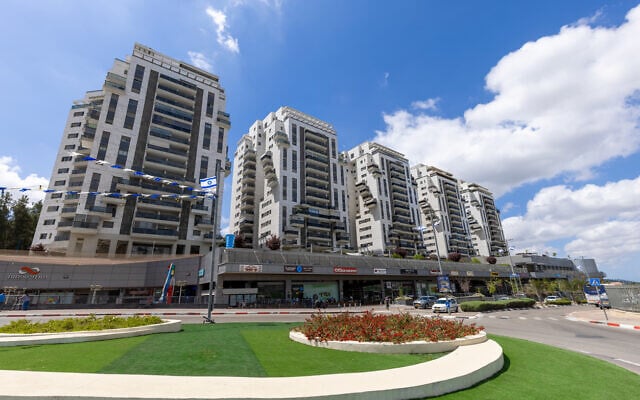
Some agents say that prices have actually fallen by as much as 15-20% in certain neighborhoods, but this isn’t reflected in the official data. Many developers have been offering significant discounts to buyers in new projects to move stock more quickly, agents note.
Frenzied construction around the county has created a glut of high-priced new homes, leading many developers to cut prices. There are currently a record 83,000 new apartments available for sale, according to the CBS, and more are on the way. A high of 183,000 buildings were under active construction around the country at the end of 2024, according to Bank of Israel data.
Meanwhile, the cost of borrowing has shot up since mid-2022, when the benchmark interest rate stood at a historic low of 0.1%. The rate now stands at 4.25% after the Bank of Israel cut borrowing costs for the first time in almost two years earlier this week.
“The relatively high interest rate is, in my view, the most significant factor slowing real estate sales, but as rates decline, we will likely see a rise in sales and, accordingly, in prices,” Leyzerovich said.
All of these factors have been driving people away from the real estate market, and sales volumes have fallen year-over-year throughout 2025.
“Most Israelis in Tel Aviv prefer to rent these days,” Alayof noted, even though CBS data shows that prices there have declined by nearly 2% over the past year. “It’s just too expensive.

While prices have come down in most areas around the country, they have not in high-demand neighborhoods like Rechavia and the German Colony in Jerusalem, or on waterfront properties in Tel Aviv, agents noted.
“There is more supply of housing available than we have seen in a long time, but there’s still not enough in specific areas,” Levene said.
Higher prices to come
Looking to the future, many see prices continuing to climb, even as government officials act to expand demand.
Last month, the government approved a new national housing plan aimed at accelerating construction, strengthening local authorities, and expanding the supply of affordable homes across the country, as part of an ongoing effort to curb housing prices and ensure access to housing for all citizens.
However, previous housing reforms launched by prior governments have done little to nothing to slow price increases, and some believe that structural issues ensure there will always be scarcity in the market.
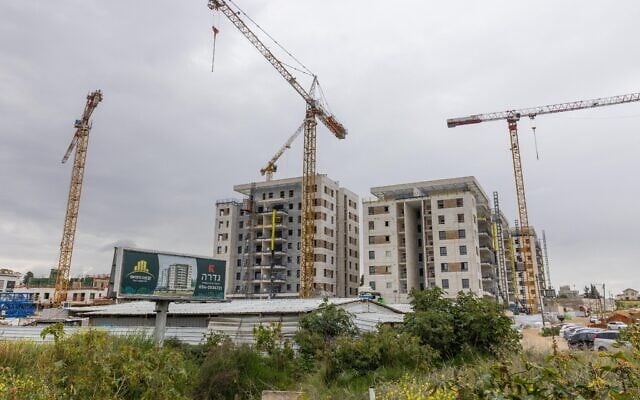
“Buildable land in Israel is limited and is not zoned for development at a pace that matches population growth,” Leyzerovich said. “This long-term structural condition keeps housing prices high. It is also important to understand that Israel is a very small country with no real ability to expand its territory, which forces vertical building, and as density increases on available land, its value rises.
Leyzerovich said aggressive building will likely lead to a market correction in the coming years, but that the long-term trend is still upwards.
“Israel has the highest population growth rate among OECD countries,” he said. “When you combine this with positive immigration and a shortage of land, it becomes very clear where the demand and prices are headed.”









The Times of Israel Community.