

Gaza Humanitarian Foundation announces end of operations in Strip after 5 months
Head of controversial aid distributor says group aimed to produce new approach for handing out aid, claims ceasefire oversight mechanism to adopt model
 Add ToI as a Preferred Source on Google
Jacob Magid is The Times of Israel's US bureau chief
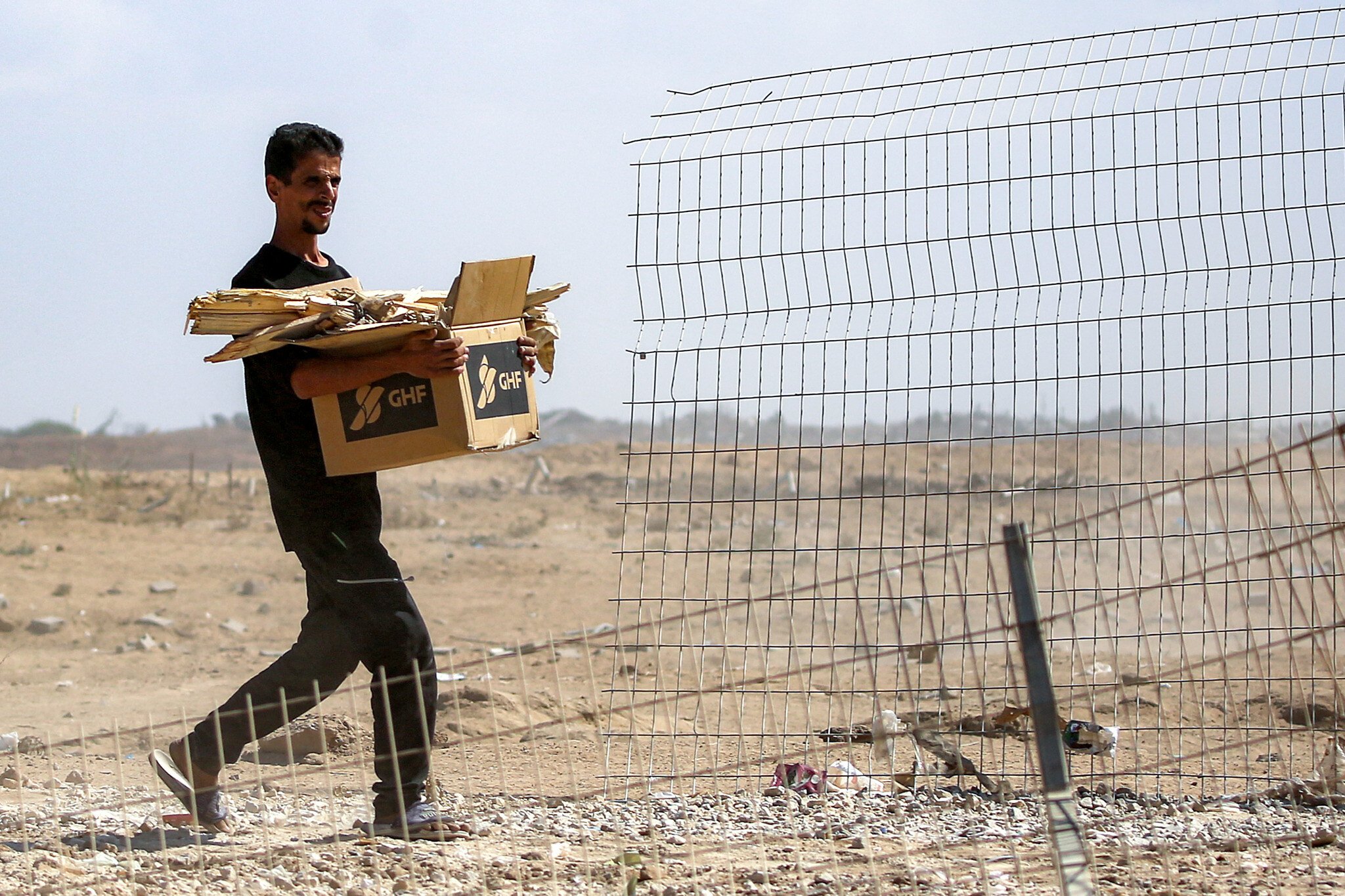
The controversial Gaza Humanitarian Foundation (GHF) confirmed on Monday that it has wrapped up its operations in the Strip after a rocky five-month tenure distributing aid in the war-torn enclave.
“From the outset, GHF’s goal was to meet an urgent need, prove that a new approach could succeed where others had failed, and ultimately hand off that success to the broader international community. With the creation of the Civil-Military Coordination Center (CMCC) and a rejuvenated engagement of the international humanitarian community, GHF believes that moment has now arrived,” GHF’s executive director, John Acree, said in a statement.
The Times of Israel revealed last month that GHF was undergoing financial woes and was boxed out of humanitarian operations in the Gaza Strip after the ceasefire took effect.
Acree claimed that the CMCC, the US, and the Israeli-led mechanism that monitors the ceasefire will be adopting GHF’s model of humanitarian aid distribution, which sought to prevent Hamas from diverting aid by handing it out at militarized hubs separate from the civilian population.
While technically an American organization, Israeli officials and business leaders with links to Prime Minister Benjamin Netanyahu’s government were closely involved in the GHF’s establishment, according to sources familiar with the matter.
Israel has long accused Hamas of co-opting humanitarian assistance and argued that the goal of GHF was to exclude the terror group from aid distribution by setting up sites in areas cleared and controlled by the Israel Defense Forces. Netanyahu said Israel’s goal was for GHF to eventually become the sole provider of humanitarian aid in Gaza, replacing the UN and other international agencies that Jerusalem says Hamas exploits.
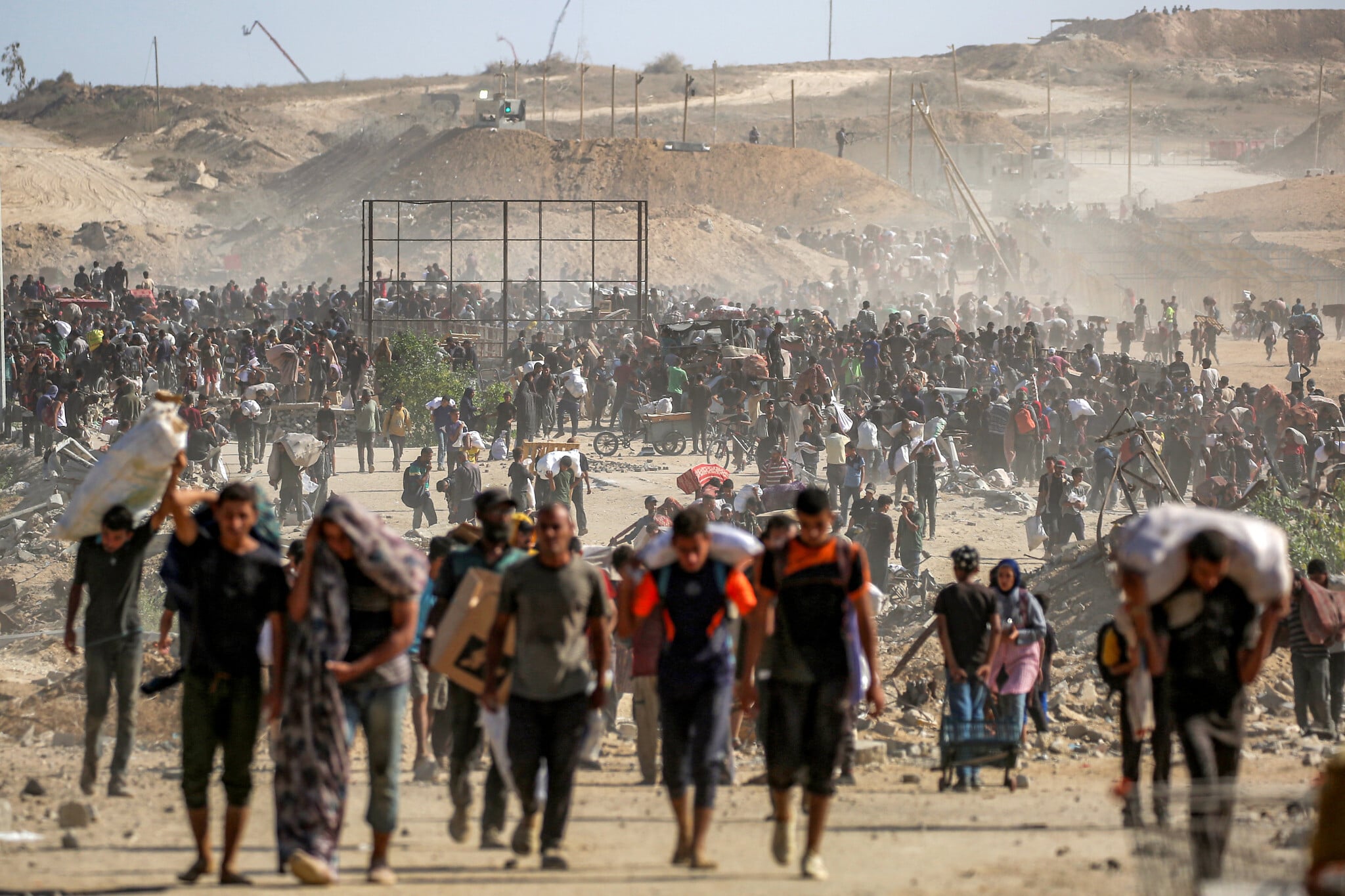
But GHF’s rollout was marred by near-daily reports of shootings by IDF troops at Palestinians seeking to reach the aid distribution sites, with the UN saying that over 1,000 people were killed in those incidents. The IDF has stated that the death tolls have been inflated, that its troops only fired warning shots at those who posed a threat to troops, and that Hamas operatives and other gunmen were also opening fire at crowds of aid seekers.
The deadly incidents outside GHF sites began to decrease toward the end of the summer, and the aid group has managed to distribute what it says were over 187 million meals to Gazans. There are some 2 million people in Gaza.
But by September, it was only distributing a small fraction of the aid entering Gaza, and pledges by US Ambassador to Israel Mike Huckabee that GHF would scale up its operations from three to 16 sites never materialized.
Aid organizations and much of the international community opposed GHF, criticizing it for requiring Gazans to walk long distances in order to pick up boxes of dry food products that needed to be prepared elsewhere in the Strip, where cooking fuel and equipment have been scarce. But GHF’s defenders argued that the group played an important role when the UN and other aid organizations were plagued by corruption and constant looting.
Israel has increased the amount of aid entering Gaza since the ceasefire, with an average of over 800 trucks entering the Strip every day, according to officers at the CMCC last week.
However, food is being distributed by aid agencies under the original UN-backed model.
There are almost daily attempts by Hamas to commandeer some of the aid, according to CMCC staffers, but the number of incidents is declining.










The Times of Israel Community.