

High Court nixes NGOs’ petition against new security regulations on aid
Judges rule that requirement for aid groups to provide information on their employees has ‘clear security purpose,’ rejecting proposal for ‘independent screenings’
 Add ToI as a Preferred Source on Google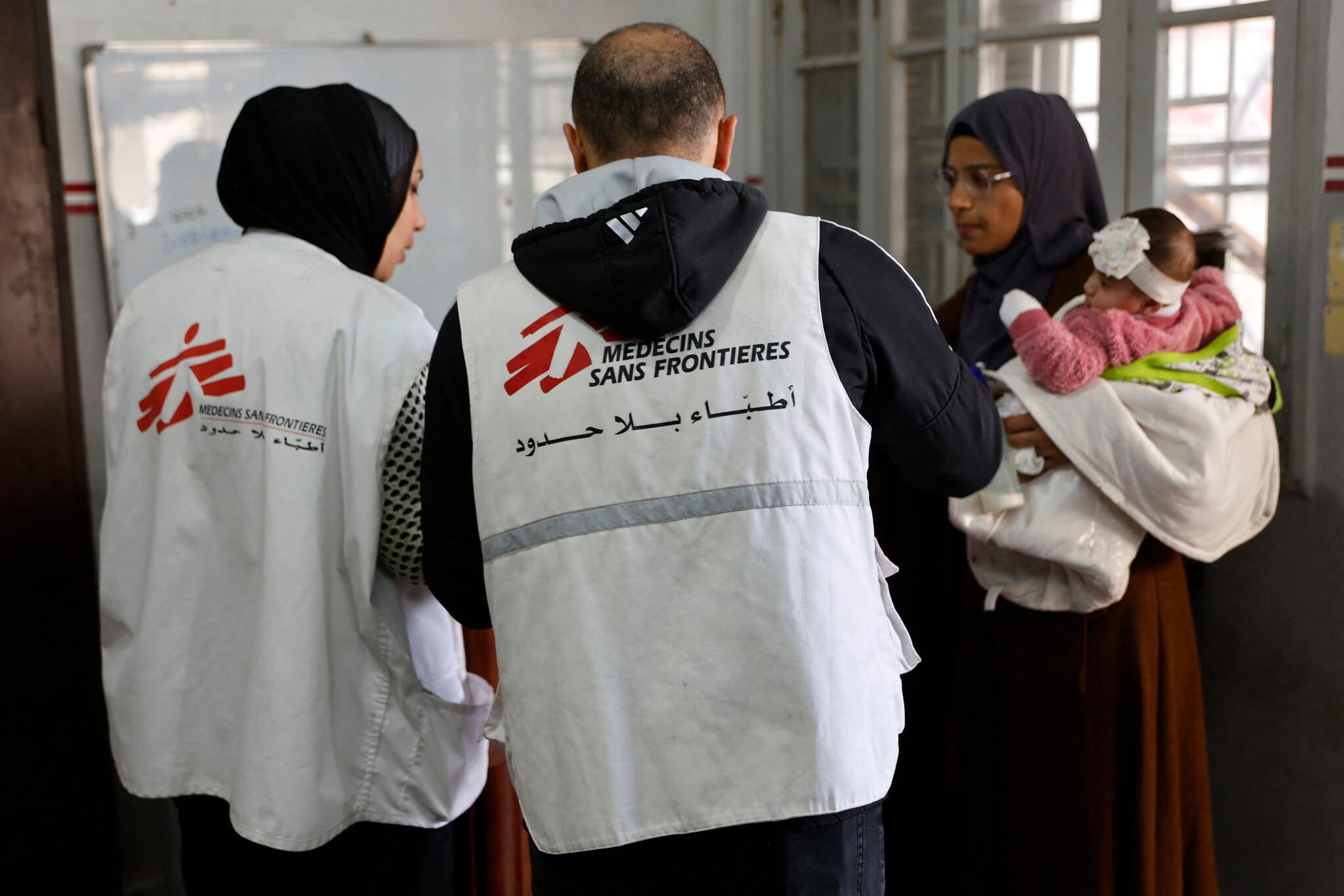
The High Court of Justice ruled unanimously on Wednesday against a petition by an association of 19 international aid organizations against new security regulations imposed by the government, asserting that state agencies are entitled to require strict security checks to ensure foreign organizations are not connected to terror groups.
The petition was filed by the AIDA umbrella organization after an inter-ministerial working group under the authority of the Diaspora Affairs Ministry published the new regulations in 2025 for any aid groups operating in Israel, the West Bank or Gaza. Thirty-seven organizations refused to comply with the new rules, saying doing so would endanger their employees and violate international law.
The licenses of the organizations were subsequently revoked earlier this year.
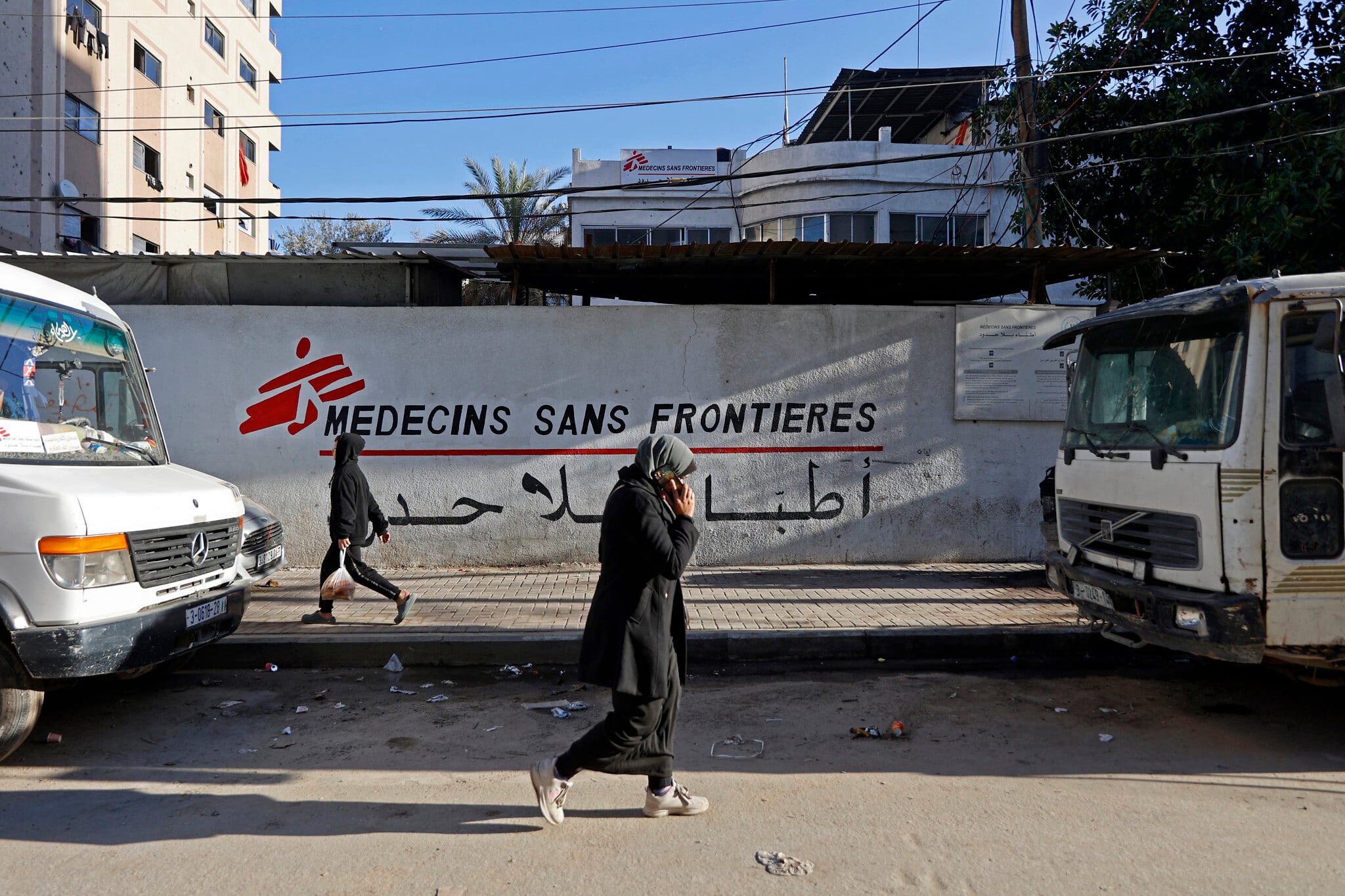
Among the 37 organizations are multiple branches of Doctors Without Borders and Oxfam, the Danish and Norwegian Refugee Councils, Caritas Internationalis, an umbrella for Catholic charities, the Quaker-founded American Friends Service Committee and the International Rescue Committee.
“It is clear that the information requirement serves a clear security purpose,” wrote Justice Gila Canfy-Steinitz, quoting a comment in a recent ruling by Supreme Court President Isaac Amit, who said terrorist organizations had sought to take control of humanitarian aid shipments during the war in Gaza.
“The existence of a security inspection mechanism is not only legitimate, but constitutes a critical necessity that serves the paramount interest of state security and the protection of human life,” wrote Canfy-Steinitz.
The court gave the organizations whose licenses were revoked 30 days to comply with the new security screening regulations, which require them to file a raft of documentation about their organizations and operations, including a list of all foreign and Palestinian employees, as well as those workers’ passports and personal identification numbers.
The Diaspora Ministry has said the moves are a safety measure meant to weed out NGO workers with ties to terror groups.
But the NGOs say that compliance will expose local employees to potential retaliation, undermine the principle of humanitarian neutrality and violate European data protection law.
They’ve also expressed concern that Israel would use the information NGOs provide to target their employees. Jerusalem maintains that it has only targeted those involved in terror activity.
Instead, the aid groups proposed alternatives to handing over staff lists to Israel, including “independent sanctions screening” and “donor-audited vetting systems.”
But the court determined on Wednesday that security screening “falls within the core sovereign powers of the state,” and that self-assessments conducted by international aid organizations cannot replace independent state security reviews.
“The rejection of the petition sends a clear and unequivocal message — the State of Israel will not allow terrorist activity to operate under the guise of humanitarian aid,” said Diaspora Affairs Minister Amichai Chikli.
AIDA’s legal representative, Yotam Ben-Hillel, criticized the “deeply disappointing” ruling, which he said will harm the supply of humanitarian aid to Gaza.
The ruling “once again reflects the marginal status accorded to international law within the Israeli judicial system,” he said.
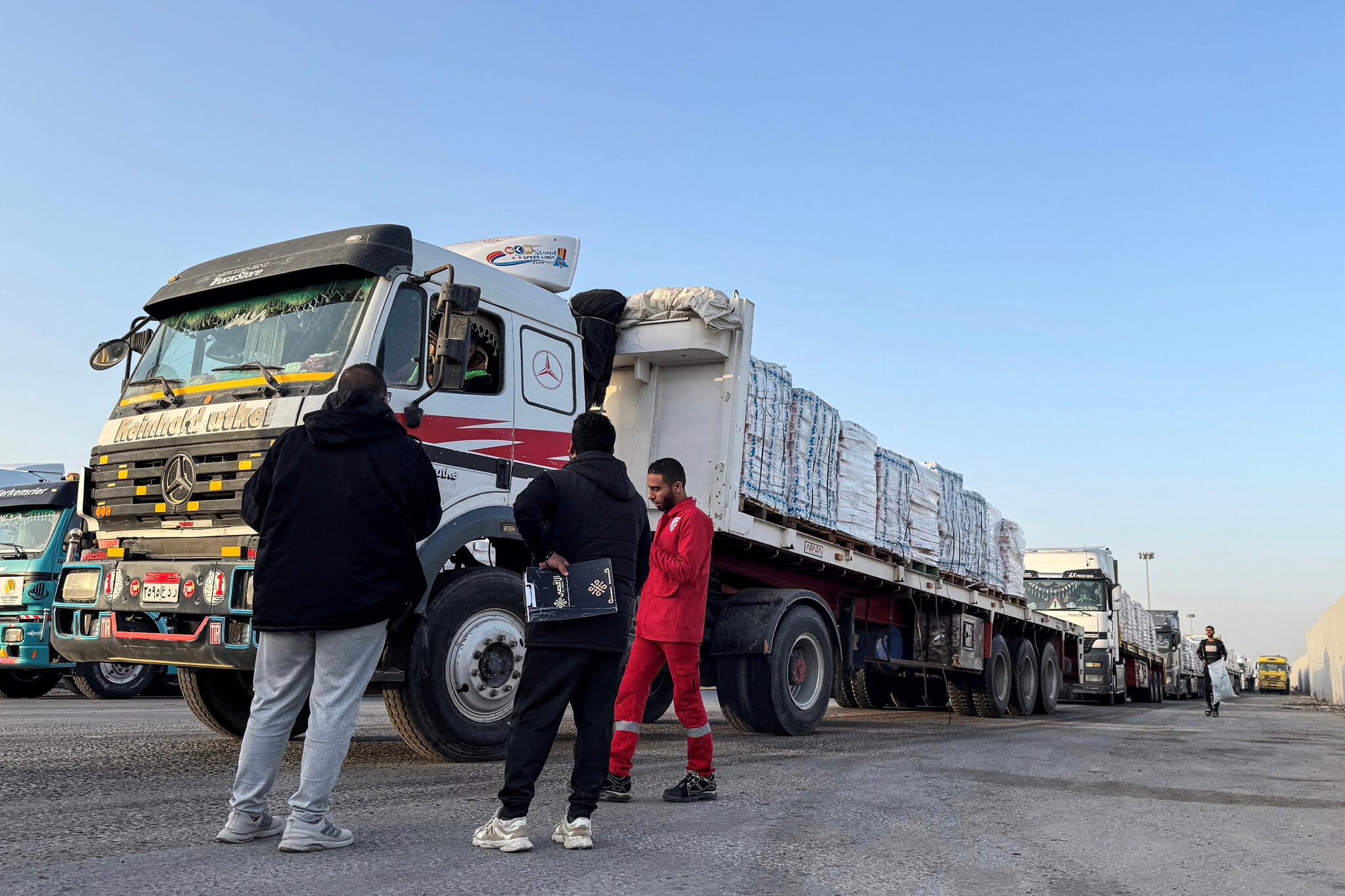
The vast majority of Gaza’s 2 million residents rely on aid groups for food, water, health care, shelter and other essentials after the two-year war that began with Hamas’s October 7, 2023, onslaught in Israel destroyed much of the Strip. Hundreds of thousands are living in tents, and reconstruction has yet to begin following a shaky ceasefire agreement reached in October.
The banned organizations say that they collectively support or implement more than half of all food assistance in Gaza, 60 percent of field hospital operations, and all inpatient treatment for children suffering severe acute malnutrition.
COGAT, the Defense Ministry agency overseeing civilian affairs in Gaza, has claimed that the organizations whose licenses were revoked contributed less than 1% of the total aid going into the territory.
COGAT has previously asserted that the registration process is designed “to prevent the exploitation of aid by Hamas,” which it says has worked under the cover of international aid organizations for “the diversion of aid, the use of local employees for terrorist purposes, and the transfer of funds from terror-linked sources.”









The Times of Israel Community.