

Reconsider Netanyahu’s request for legal defense funding, ombudsman urges
Development comes after PM’s lawyer defends $300k payment from cousin, says state comptroller caused him ‘injustice’
 Add ToI as a Preferred Source on Google
Michael Bachner is a news editor at The Times of Israel
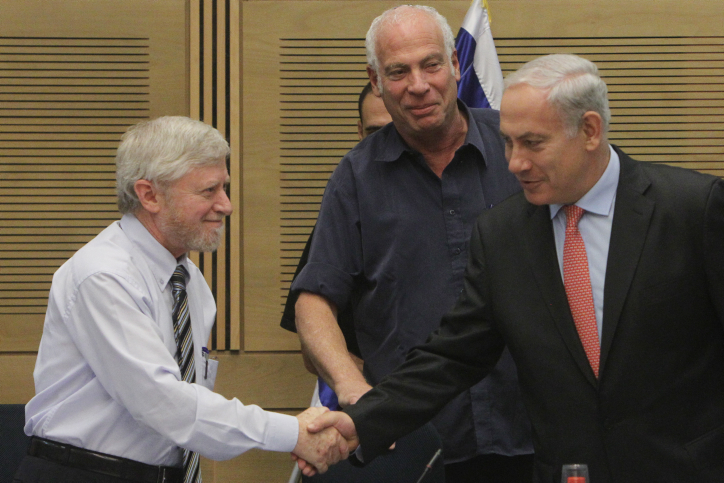
State Comptroller Yosef Shapira on Tuesday reportedly urged his office to reconsider Prime Minister Benjamin Netanyahu’s previously denied request for approval to receive money from businessmen to fund his legal bills in the three corruption cases against him.
Earlier, a lawyer for Netanyahu sent a letter to the ombudsman, accusing his office of causing a “grave injustice” to the prime minister by leaking information about his case to the press.
He was referring to Hebrew-language reports a day earlier that the comptroller had asked Attorney General Avichai Mandleblit to investigate whether Netanyahu had improperly received $300,000 from businessman Nathan Milikowsky to fund his legal defense without getting the necessary permission from the State Comptroller’s Office.
In the cases against him, the prime minister is suspected of receiving benefits from rich benefactors in return for using his offices to advance their interests.
Last month, the State Comptroller’s Office denied Netanyahu’s request for Milikowsky, who is also his cousin, and American millionaire Spencer Partrich to cover his legal fees. In its decision, the Comptroller’s Permits Committee said it was inappropriate for non-Israeli benefactors to pay for legal defense in a criminal case relating to receiving funds from wealthy benefactors.
But in a rare decision, Shapira has asked the committee to reconvene and hear the prime minister’s arguments in person, saying the circumstances have “significantly changed” since the committee’s original decision was made, Haaretz and Ynet reported on Tuesday evening.
The committee members responded by proposing an internal discussion with Shapira and Mandelblit to decide how to treat Netanyahu’s request.
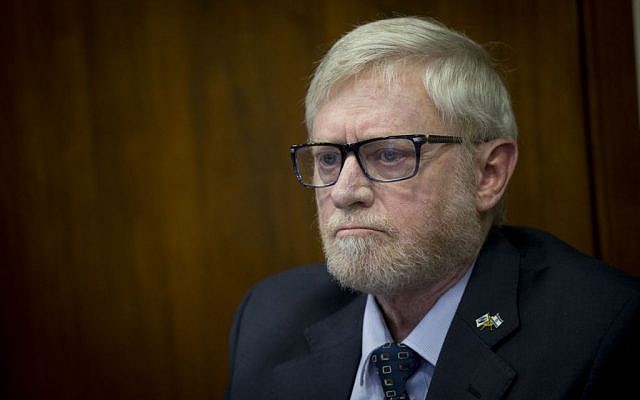
Netanyahu’s attorney Navot Tel-Zur argued in his letter earlier in the day that the reports on Monday falsely gave the impression that the prime minister had deliberately concealed the donation from the committee. In reality, he said, Netanyahu and his legal team at the time believed that donations from a cousin do not require the approval of the committee.
The lawyer also said the funds from Milikowsky were received between March 2017 and March 2018, before the attorney general had clarified that such donations require approval.
“The financial aid was transferred directly to [attorney Yaakov] Weinroth almost in its entirety, and he issued receipts and tax reports in a fully transparent manner, which indicates that the seasoned and experienced attorney himself thought the aid was received legally,” Tel-Zur wrote.
“When the attorney general’s legal opinion was issued,” he added, “all the aid from Milikowsky was halted immediately.”
Tel-Zur also argued that Milikowsky was aiding both Netanyahu and his wife, Sara, who isn’t a public servant and doesn’t require approval.
Over the past year, attorneys for Netanyahu have sought permission for Milikowsky and Partrich to pay his legal bills in the three separate criminal investigations in which police have recommended he be indicted, including a probe that centers on lavish gifts from the prime minister’s billionaire friends.
Hadashot TV reported Tuesday that in a renewed request to receive donations from Milikowsky and Partrich, Netanyahu has asked to receive a million dollars in the first phase and $2 million later on. He also reportedly said he would pay $100,000 out of pocket to help fund his legal defense.
According to Monday’s reports, the committee said Netanyahu’s previous request had failed to answer “basic questions,” including regarding the sums he was seeking from the donors, how much had already been contributed, and to which cases the money would be designated.
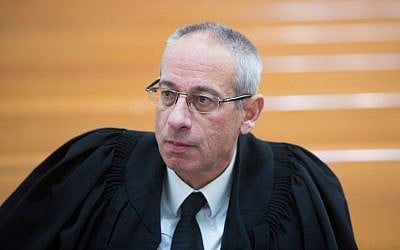
Tel-Zur said that that was due in part to the illness and death of Weinroth, Netanyahu’s previous attorney.
“The result is that the prime minister acted completely innocently and in accordance with sound and professional legal counseling on the matter.”
Last year, both Milikowsky and Partrich were questioned by police in their investigation of Netanyahu dubbed Case 1000, in which the prime minister and his wife are suspected of receiving some NIS 1 million ($282,000) in illicit gifts from businessmen in return for certain benefits. In his testimony, Partrich admitted to police that he had bought Netanyahu a number of expensive suits but said Milikowsky paid him back for them, Haaretz reported in January.
In addition to the investigation into the gifts he received from billionaire benefactors, Netanyahu is being investigated in two other probes — cases 2000 and 4000 — involving potential quid pro quo deals for regulatory favors in exchange for positive media coverage. Police have recommended that he be indicted for bribery in all three cases, a charge that state prosecutors reportedly also favor in at least one of the cases.
Netanyahu has denied wrongdoing, and has accused police, media, and law enforcement of waging a witch hunt against him.
Mandelblit is currently reviewing the cases and weighing whether to announce his intention to indict Netanyahu before April’s elections, which the premier has called on him not to do. Media reports have indicated that he will announce his decision on a possible indictment, pending a hearing, in February.
Raoul Wootliff and Times of Israel staff contributed to this report.








The Times of Israel Community.