

Ahead of World No Tobacco Day, Knesset votes to require graphic images on smoking products
Israel is the 2nd country to mandate such warnings on e-cigarettes, as survey finds 31% of Israeli smokers have started or resumed lighting up due to stress since start of the war
 Add ToI as a Preferred Source on Google
Reporter at The Times of Israel
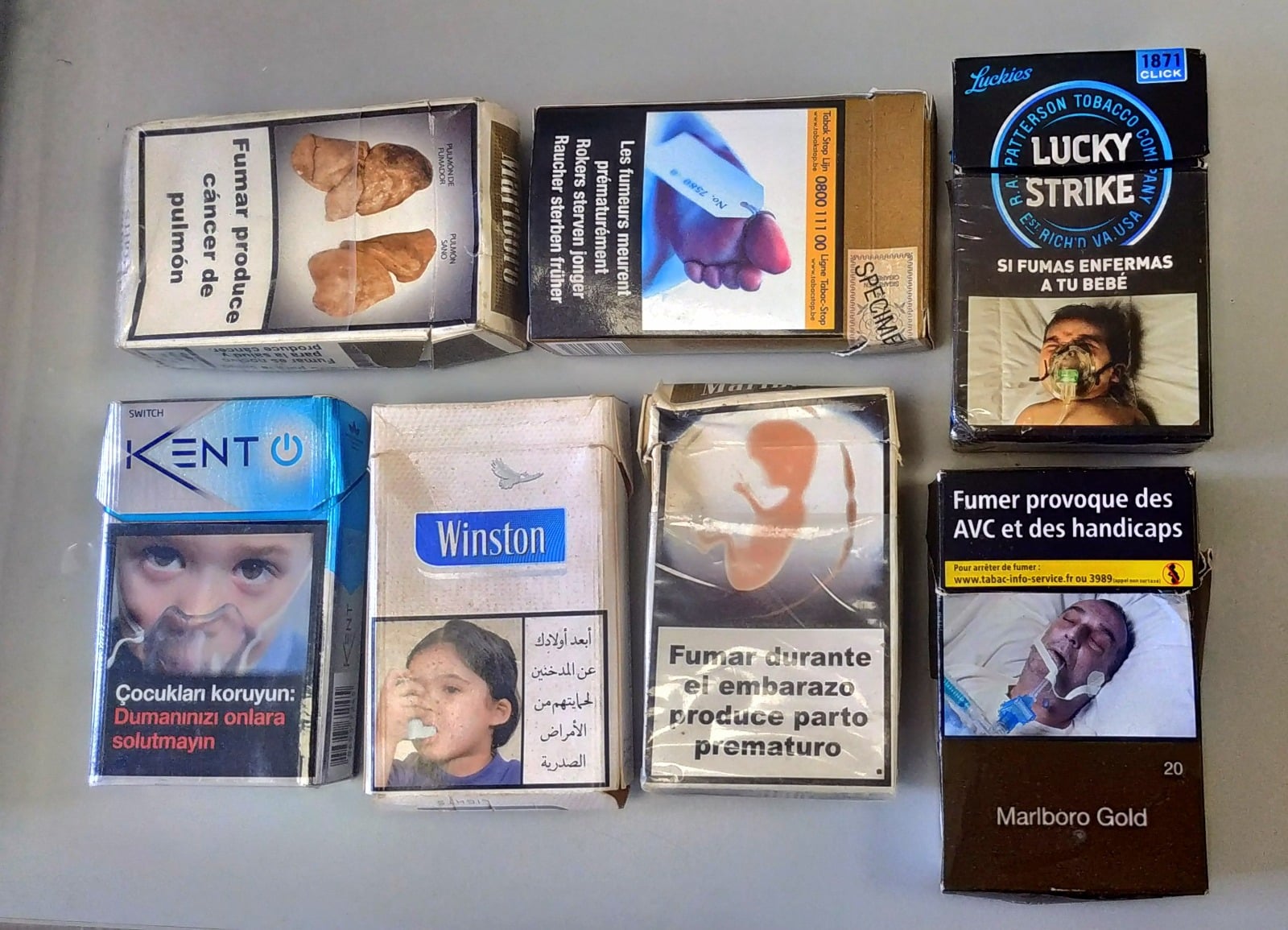
In a landmark move, the Knesset’s Economic Affairs Committee approved a bill on Wednesday that requires graphic warning images to be printed not only on packages of regular cigarettes but also on electronic cigarettes, tobacco-heating devices, rolling papers, and loose tobacco, making Israel one of the first countries to do so.
The move came three days before World No Tobacco Day on Saturday, as the Israel Cancer Association presented worrisome data that 31% of the Israelis who smoke have started or resumed smoking due to stress and anxiety since the war began on October 7, 2023.
Studies show that 20% of all Israeli adults smoke, a rate that is higher than in other OECD countries.
The United States, Australia, New Zealand, Canada, and the UK have a 13% smoking rate.
About 20% of deaths in Israel are tobacco-related.
“We are the second country in the world after South Korea to pass this legislation for electronic cigarettes,” Prof. Yael Bar-Zeev, of the Braun School of Public Health and Community Medicine at the Hebrew University of Jerusalem-Hadassah Medical Center, told The Times of Israel. “We’re pioneers in the introduction of graphic warnings for alternative nicotine products, including heated tobacco products.”
The measure will take effect in 13 months.

“We were expecting to see a reduction in smoking because a lot of tobacco control measures were passed in 2020,” Bar-Zeev said. “But then came COVID-19, and right after that came the war.”
Increased smoking since the Hamas massacre
The war began on October 7, 2023, when thousands of Hamas-led terrorists stormed southern Israel, killing 1,200 people, mostly civilians, and kidnapping 251 people into the Gaza Strip.
A day later, the Iranian-proxy terror group Hezbollah, based in Lebanon, began firing rockets into northern Israel in support of Hamas. While a ceasefire was signed with Hezbollah on November 27, 2024, the war in Gaza is ongoing, and Israelis are still living under its stressful shadow.
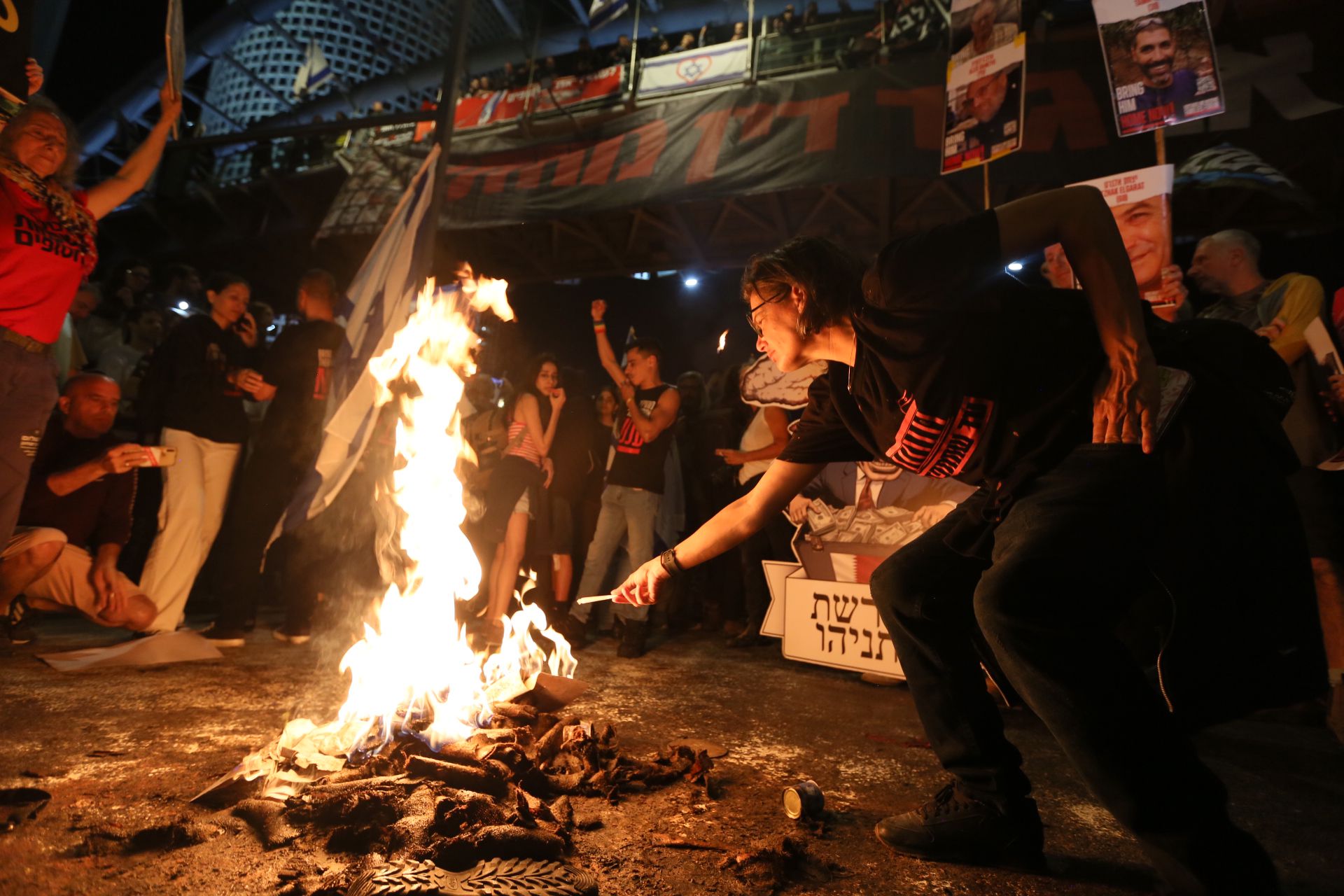
According to the Israel Cancer Association survey, five percent of existing smokers have increased their smoking use because of the security situation.
The rate of regular cigarette smokers is 23%, with smoking being more common among men (30%) and lower among people with high incomes (15%). Electronic cigarette smoking is at about 12% of the population, and higher among youth aged 16–24 (18%).
Among smokers, 71% regret starting to smoke, and three-quarters would like to quit to some extent. About 19% said stress prevents them from quitting. A financial incentive would help a quarter of them quit, and a similar percentage (24%) would be prompted by a health scare, the survey found.
Graphic warnings help
The images and warnings are found to be effective in reducing smoking when they are combined with higher taxes, enforcement of smoke-free public places, and restrictions on advertising, Bar-Zeev said.
However, she pointed out that because smoking is highly addictive, the positive effects of these warnings will be gradual.

“It’s not that somebody is going to look at the package and say, ‘I don’t want to smoke anymore,” she said. “The main idea is to deter young people and young adults from starting to use these products. And it is effective.”
Studies show that when there are graphic warnings, “people tend to hide their package because they don’t want to look at the picture,” she said.
In addition to the graphic warnings, there will also be a QR code on the product package that refers purchasers to the services that are available to help them quit their smoking habit.

“Israel is one of the few countries in the world that has free behavioral therapy and highly subsidized medication for people who want to quit through their HMOs (health maintenance organizations),” Bar-Zeev said. “People should know this.”
The Israel Cancer Association’s survey was based on a representative national sample of the Israeli population, among 553 men and women aged 16–60.






The Times of Israel Community.