

Amid war, Iranian hardliners ramp up once-taboo calls to seek nuclear bomb
Killing of security chief Ali Larijani has made it more difficult for less hawkish figures to push back on IRGC hardliners’ support for building a bomb and bolting NPT, sources say
 Add ToI as a Preferred Source on Google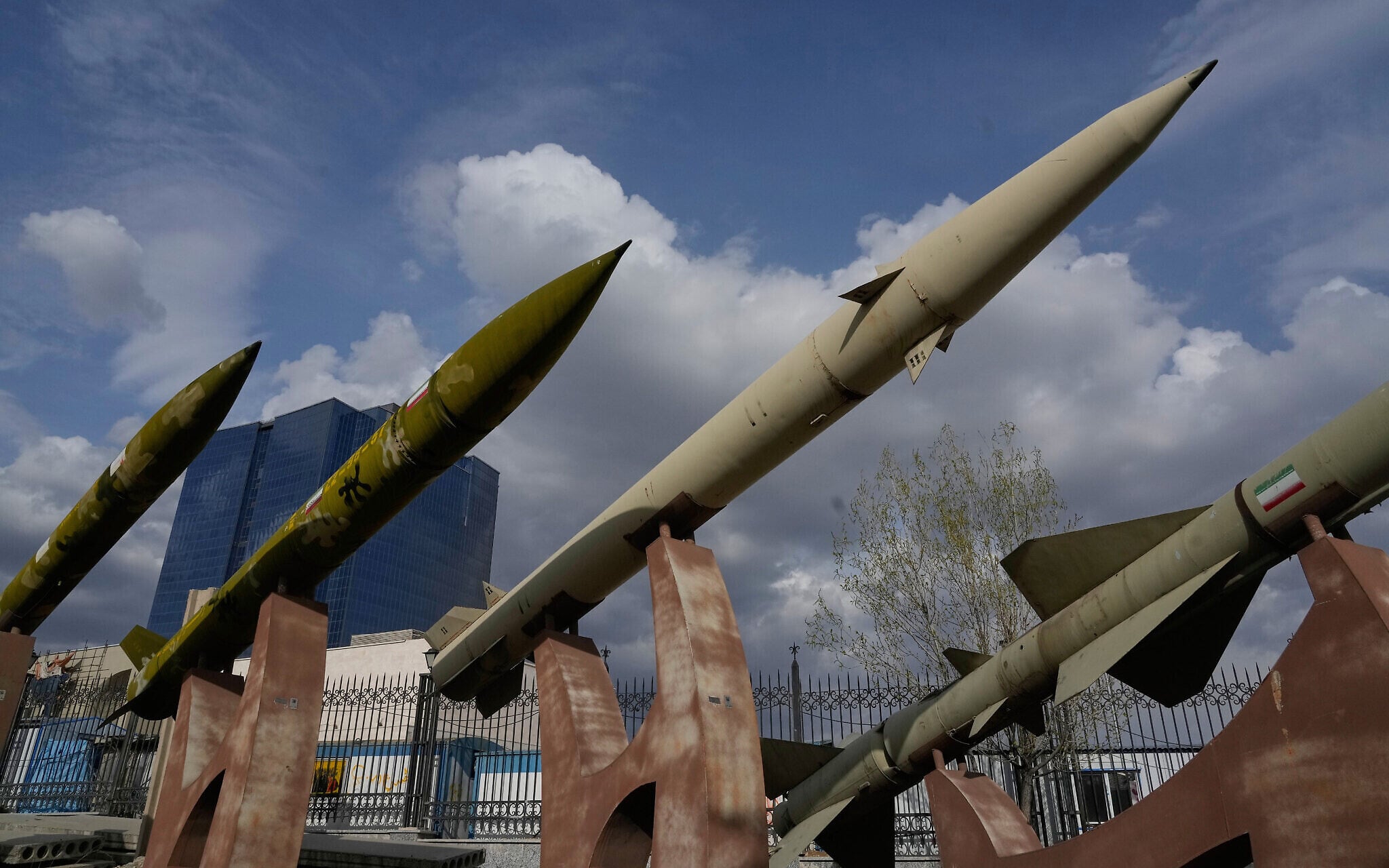
The debate among Iranian hardliners over whether Tehran should seek a nuclear bomb in defiance of an escalating US-Israeli campaign is getting louder, more public and more insistent, sources in the country say.
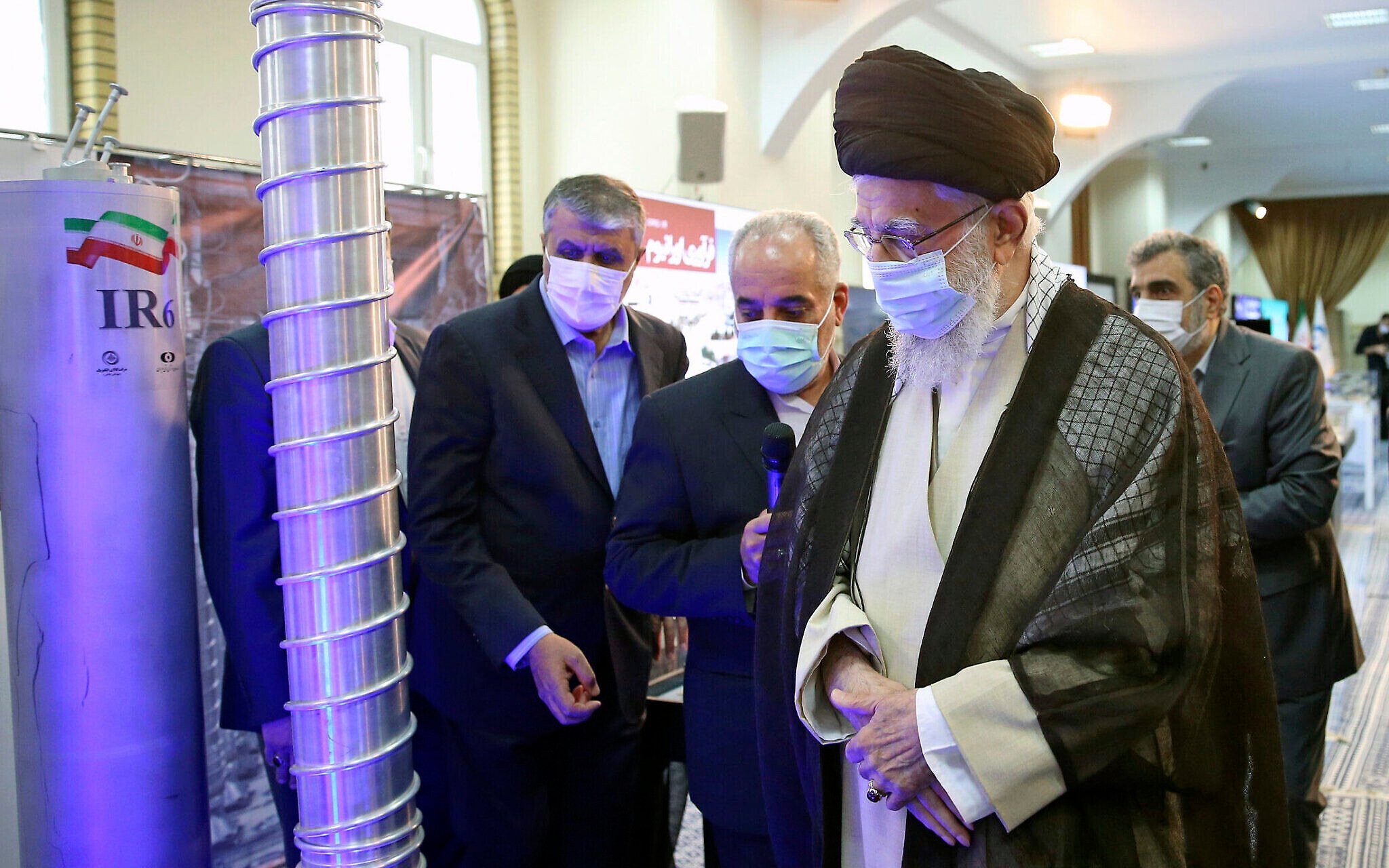
With the Islamic Revolutionary Guard Corps (IRGC) now dominant following the killing of veteran Supreme Leader Ayatollah Ali Khamenei at the start of the war on February 28, hardline views on Iran’s nuclear approach are in the ascendant, two senior Iranian sources said.
Iran, whose leaders are sworn to destroy Israel, denies seeking nuclear arms, saying Khamenei issued a religious ban on them and citing the Islamic Republic’s membership in the Nuclear Non-Proliferation Treaty.
But Western leaders and intelligence services doubt Tehran’s assertions. Iran has enriched uranium to levels that have no peaceful application, obstructed international inspectors from checking its nuclear facilities, and expanded its ballistic missile capabilities.
There is no plan to change Iran’s nuclear doctrine yet, and Iran has not decided to seek a bomb, one of the sources said, but serious voices in the establishment are questioning the existing policy and demanding a change.
The US-Israeli attacks on Iran, which came about a month into indirect nuclear talks between Washington and Tehran, may have changed the equation, convincing Iranian strategists that they have little to gain by forswearing a bomb or staying in the NPT.
The idea of quitting the NPT, which Iranian hardliners have previously threatened, has been increasingly aired on state media along with the idea — once taboo in public — that Iran should go outright for the bomb.
On Thursday, the IRGC-affiliated Tasnim News Agency published an article saying Iran should withdraw from the NPT as soon as possible while sticking with a civilian nuclear program.
Hardline politician Mohammad Javad Larijani, brother of top defense official Ali Larijani, who was killed in a recent strike, was quoted by state media this week, urging Iran to suspend its membership in the NPT.
“The NPT should be suspended. We should form a committee to assess whether the NPT is of any use to us at all. If it proves useful, we will return to it. If not, they can keep it,” he said.
Earlier this month, state television aired a segment with conservative commentator Nasser Torabi in which he said the Iranian public demanded to “act in order to build a nuclear weapon. Either we build it, or we acquire it.”
No change to nuclear policy yet
Nuclear policy has also been a subject of private discussion in ruling circles, said the two sources, adding that there was divergence between harder-line elements, including the IRGC, and those in the political hierarchy, over the wisdom of such a move.
Certainly, Iranian officials have threatened in the past to reconsider membership of the NPT as a negotiating tactic during more than two decades of talks with the West over Iran’s nuclear program, without ever having done so. The fresh public debate may represent just such a tactic.
It is also far from clear how quickly Iran might be able to push for a bomb after suffering weeks of airstrikes on its nuclear, ballistic and other scientific facilities, and after the 12-day war with Israel in June, during which the US also bombed key Iranian nuclear facilities.
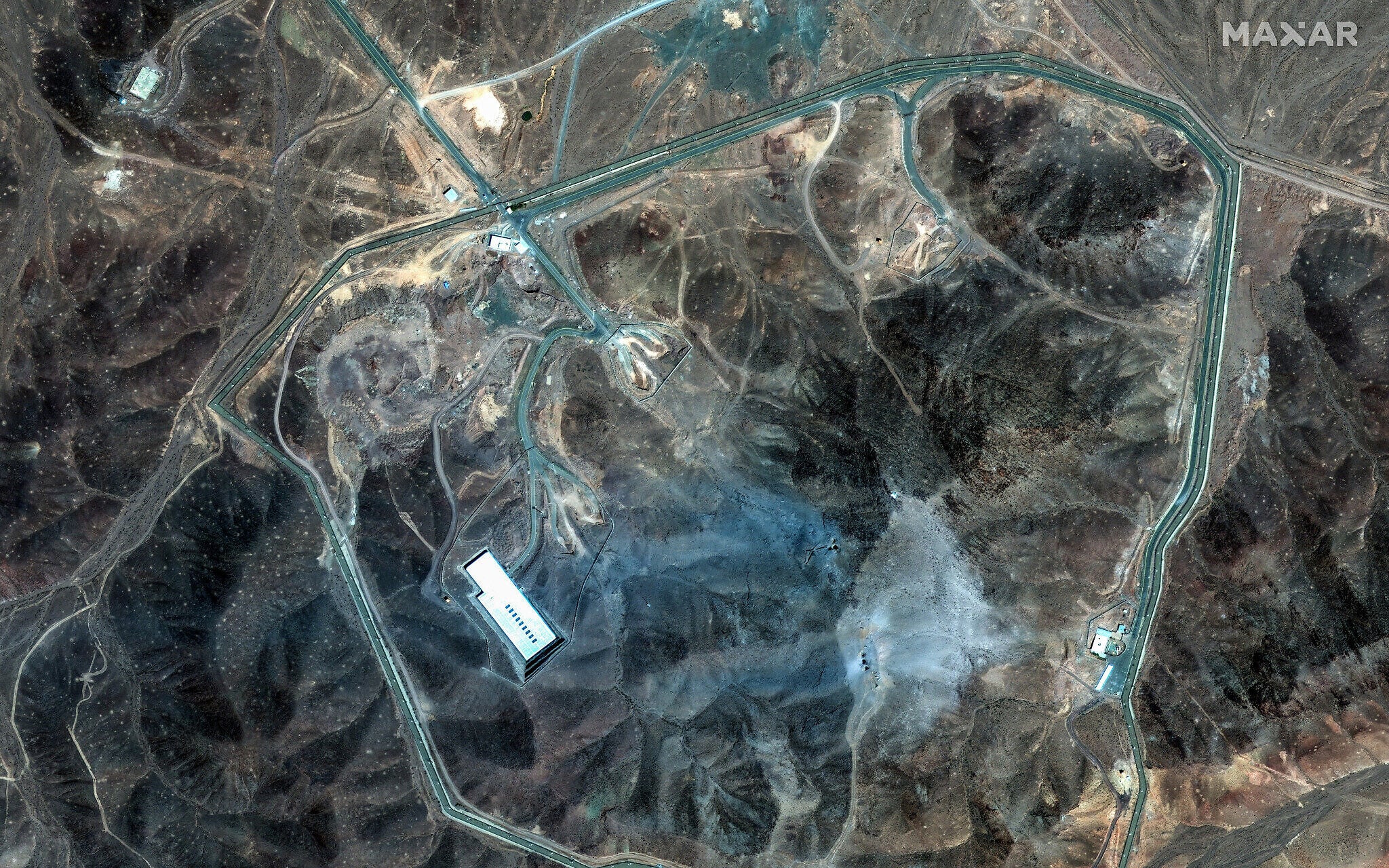
Analysts have said the Islamic Republic’s goal has been to attain the status of a “threshold state,” able to produce a bomb quickly if needed, but without incurring the pariah status that could come with the weapon itself.
IRGC commanders and other senior figures had in the past warned that Iran would have to go straight for a bomb if the Islamic Republic’s survival was threatened — a condition that the present war may meet.
Khamenei’s fatwa, or religious position, that nuclear weapons were not permissible in Islam, was made in the early 2000s, though never issued in written form. Khamenei reiterated it in 2019. Israel alleges that it was a ruse, and that Iran acted to obtain a weapon under the cover of the edict.
One of the two senior Iranian sources said that with the deaths of Khamenei and Larijani, who the source claimed had also pushed back against hardliners, it was becoming more difficult to counter the more hawkish arguments.
Times of Israel staff contributed to this report.









The Times of Israel Community.