

Australian Jews and Muslims still hang hopes on fragile dialogue after Bondi attack
Leaders say relations between communities at all-time low as antisemitism spike since Oct. 7 raises concern hatred is being normalized. A tenacious few refuse to let interfaith talks die
 Add ToI as a Preferred Source on Google
Nomi Kaltmann reports for The Times of Israel from Melbourne.
MELBOURNE, Australia — Two Somali refugees touched down at the Melbourne Airport on a blustery winter night in June 2025. The pair, Naima, whose arm was severed by al-Shabaab terrorists, and Feisal, had been granted asylum in Australia.
Greeting the two Muslims was a group of six Jews.
The lifelong friends were gathered by Nicole Schlesinger, a Jewish woman living in Melbourne, who had heard about an Australian government program that matches volunteers with newly arrived refugees. In addition to welcoming them, the Australians would be tasked with fundraising and helping secure housing.
The friends were initially concerned a Muslim family wouldn’t be comfortable with support from a Jewish group; it turned out that for Naima and Feisal, it was a non-issue.
In time, they would come to consider each other as one extended family.
The mixed-faith friendship, recently featured on the popular television program “Australian Story,” is a rare positive account of Jewish-Muslim ties at a time when these relationships have been placed under extraordinary strain.
Rabbi Ralph Genende, a Melbourne-based cleric who serves as interfaith liaison and coordinator at the Australia-Israel and Jewish Affairs Council and has worked in interfaith relations for decades, believes that the Muslim-Jewish relationship is at its lowest point in living memory.
“The current state is precarious. Previous relationships have broken down, and there is hostility particularly from the Palestinian Muslim community. There is fear, pain, trauma and mistrust on both sides of the Jewish-Muslim divide,” he told The Times of Israel.
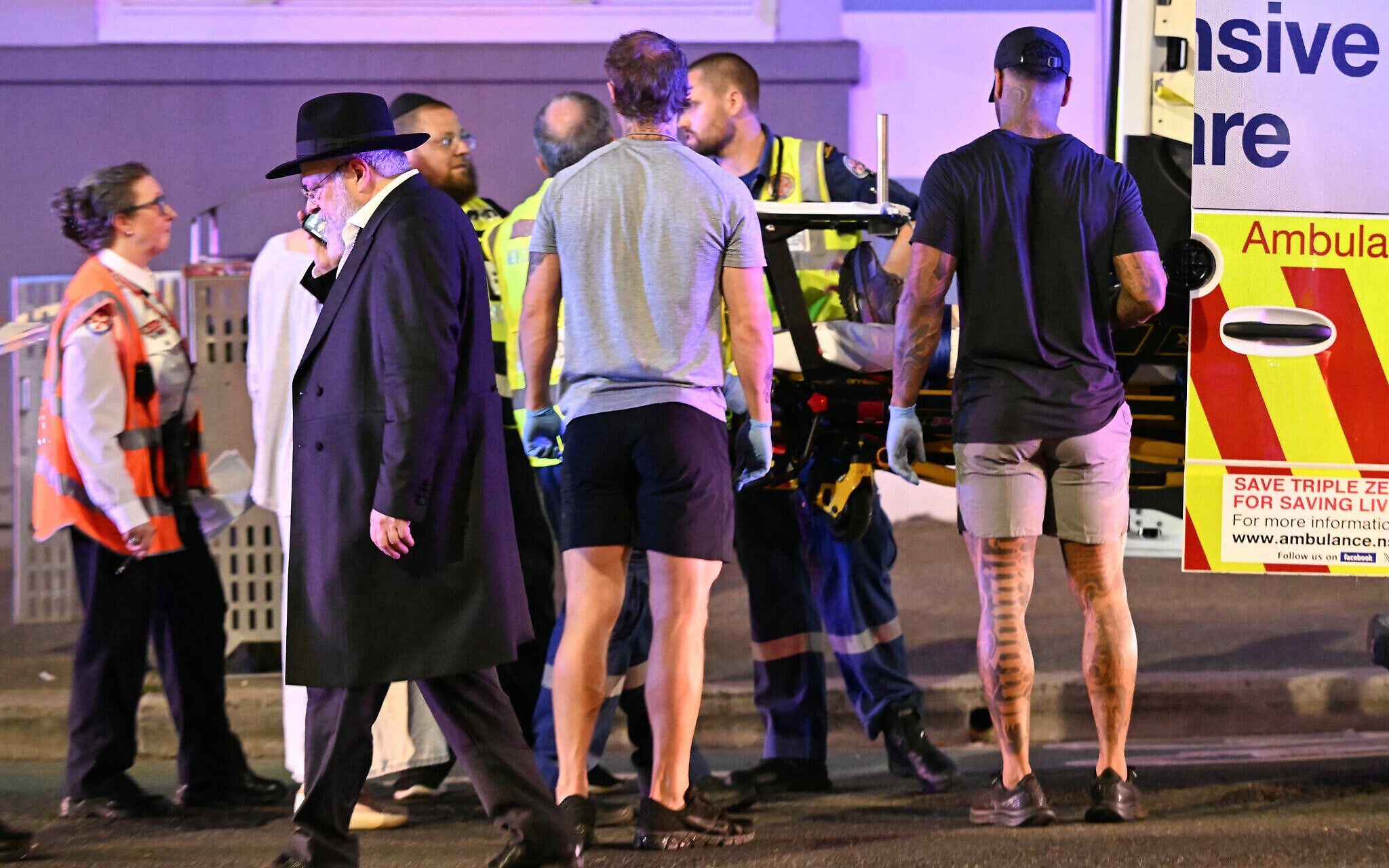
Since the bloody Hamas onslaught of October 7, 2023, and the terrorist attack at a Hanukkah gathering in Sydney’s Bondi Beach in December 2025 — the deadliest such attack in the country’s history, and the second-deadliest mass shooting — trust between many Jewish and Muslim communities has frayed, even as individuals on both sides continue working to preserve dialogue.
In the past several years, Australian Jews have experienced the most significant surge in antisemitism in the country’s modern history. Synagogues have been firebombed, Jewish schools and childcare centers have required unprecedented security, Jewish-owned homes and businesses have been vandalized, and hundreds of incidents including threats, harassment and intimidation against Jews have been documented across the country.
The aftermath of the Bondi shooting, which claimed 15 lives, has seen further acts of antisemitic violence that have deepened the sense of insecurity felt by many Australian Jews. The Royal Commission into Antisemitism and Social Cohesion, which was established after the Bondi attacks, has heard evidence that antisemitism has become more organized, more visible and more socially acceptable than at any point in recent decades.
The two men responsible for the Bondi massacre were Australian Muslims of Indian heritage; police allege the pair had been radicalized by Islamic State ideology, although investigations into the extent of any organizational links continue.
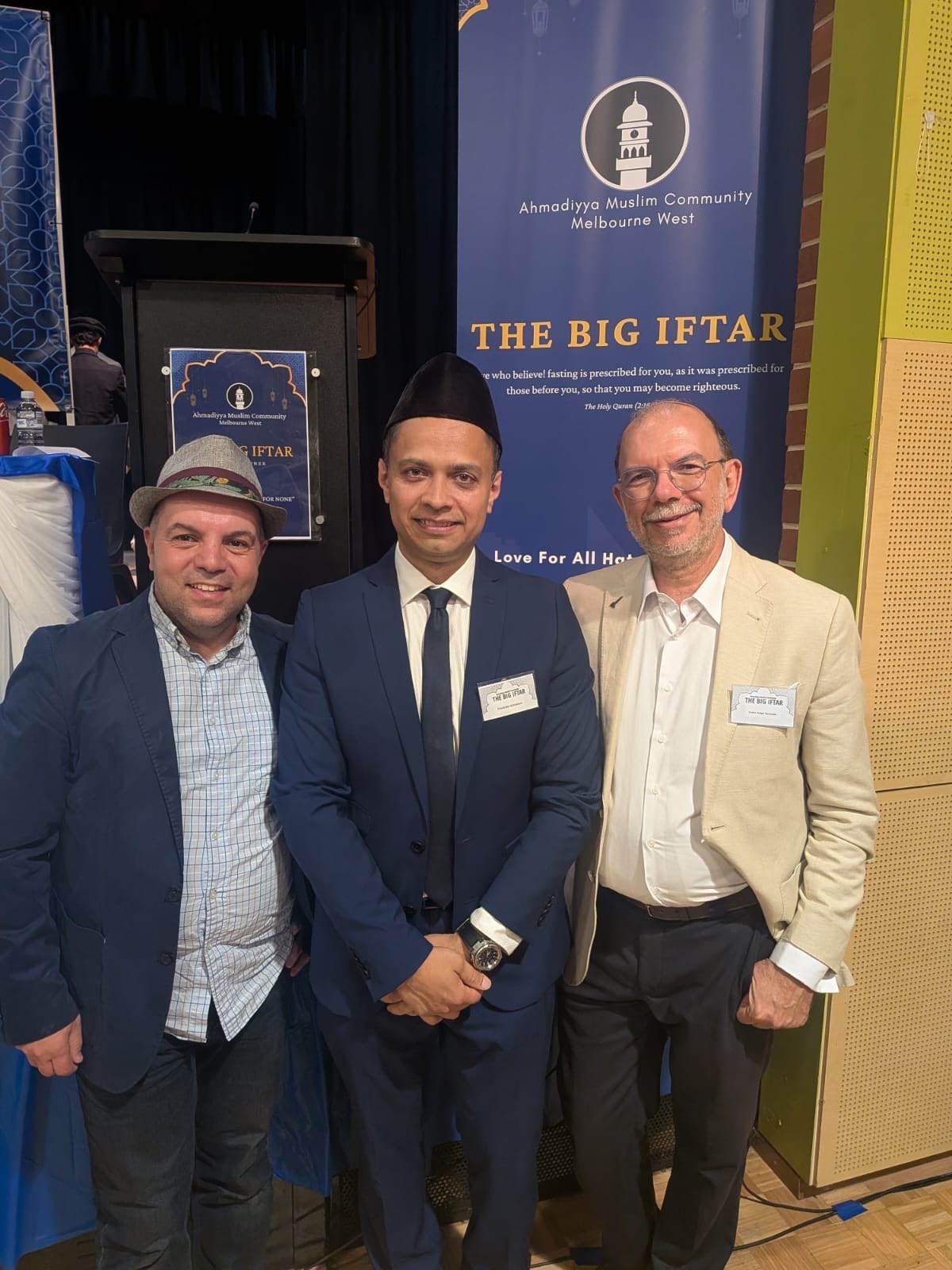
Interfaith coordinator Genende has noticed a steady decline in relations since Bondi.
“The Muslim community is diverse and numerous. As in all faiths, there are the hateful zealots and the passionately moderate interlocutors. At the moment it seems the zealots are intimidating the majority of Muslims here,” he said.
In Sydney, a simmering tension
In Sydney, Rabbi Zalman Kastel runs Together for Humanity, an educational not-for-profit organization that works with school communities to combat prejudice by teaching students how to navigate differences. Kastel has persevered with interfaith work despite the ongoing challenges. He is still invited from time to time to speak at Muslim partner organizations and schools, and none of his group’s facilitators or Muslim board members have resigned. But the broader tension has been simmering.
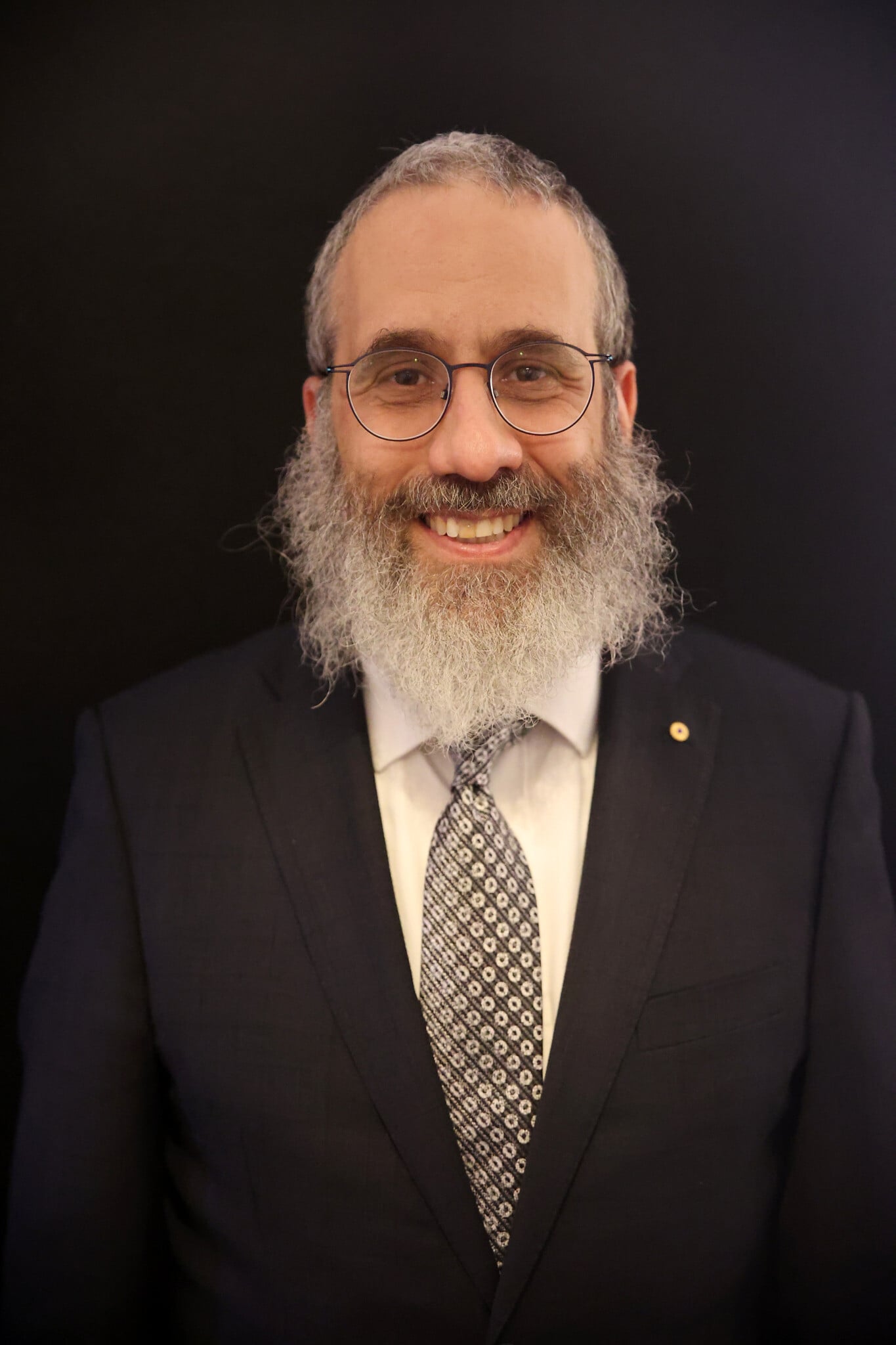
“Overall, the Jewish-Muslim interfaith dynamic is not in a really good space,” he said.
“There are a lot of Muslims and Jews who are not having any contact. There are some people who are having meaningful conversations about things that matter that bring us closer together, and while there is still ongoing cooperation, there are also people who are reluctant,” he said.
Tensions have existed since Hamas sparked the Gaza war with the October 7 invasion, but Kastel was heartened by the number of Muslim faith leaders who reached out in the immediate aftermath of the Bondi attack. For these leaders, the tragedy provided an opportunity to connect and express compassion for the grieving Jewish community. Some contacted Kastel to express their condolences, and a few even asked him to organize private visits for senior Australian Muslim leaders in Sydney to meet with Jewish leaders and one of the bereaved Jewish families.
“There were a lot of Muslims that reached out to me. There were some very senior Muslim leaders who went to comfort mourners who lost someone in Bondi. There has certainly been some evidence of tensions between the communities since Bondi, but I’ve also seen examples of support. People who hadn’t spoken to me since October 7, including a Palestinian Muslim, called me after Bondi offering concern and support,” he said.
In Melbourne, Australia’s largest Jewish community with about 60,000 members, relations effectively collapsed between the Islamic Council of Victoria and the Jewish Community Council of Victoria following October 7 amid public disagreements over Hamas and antisemitism. Kastel believes Sydney has fared slightly better overall.
“The particular dynamic that you saw play out in public between the JCCV and ICV did not happen in Sydney,” he said. “I don’t want to create an impression that everything is fine in Sydney. It’s not. There are some positive interactions, but nowhere near enough to address the tensions between the communities,” Kastel said.
Another Sydney rabbi, George Mordecai, who serves at Emanuel Synagogue, one of the city’s largest congregations, has been running informal listening circles and dialogue groups for Jews and Muslims since December 2023.
“After October 7, everything was horrible. People that had been meeting for a long time, that all broke down,” Mordecai said.
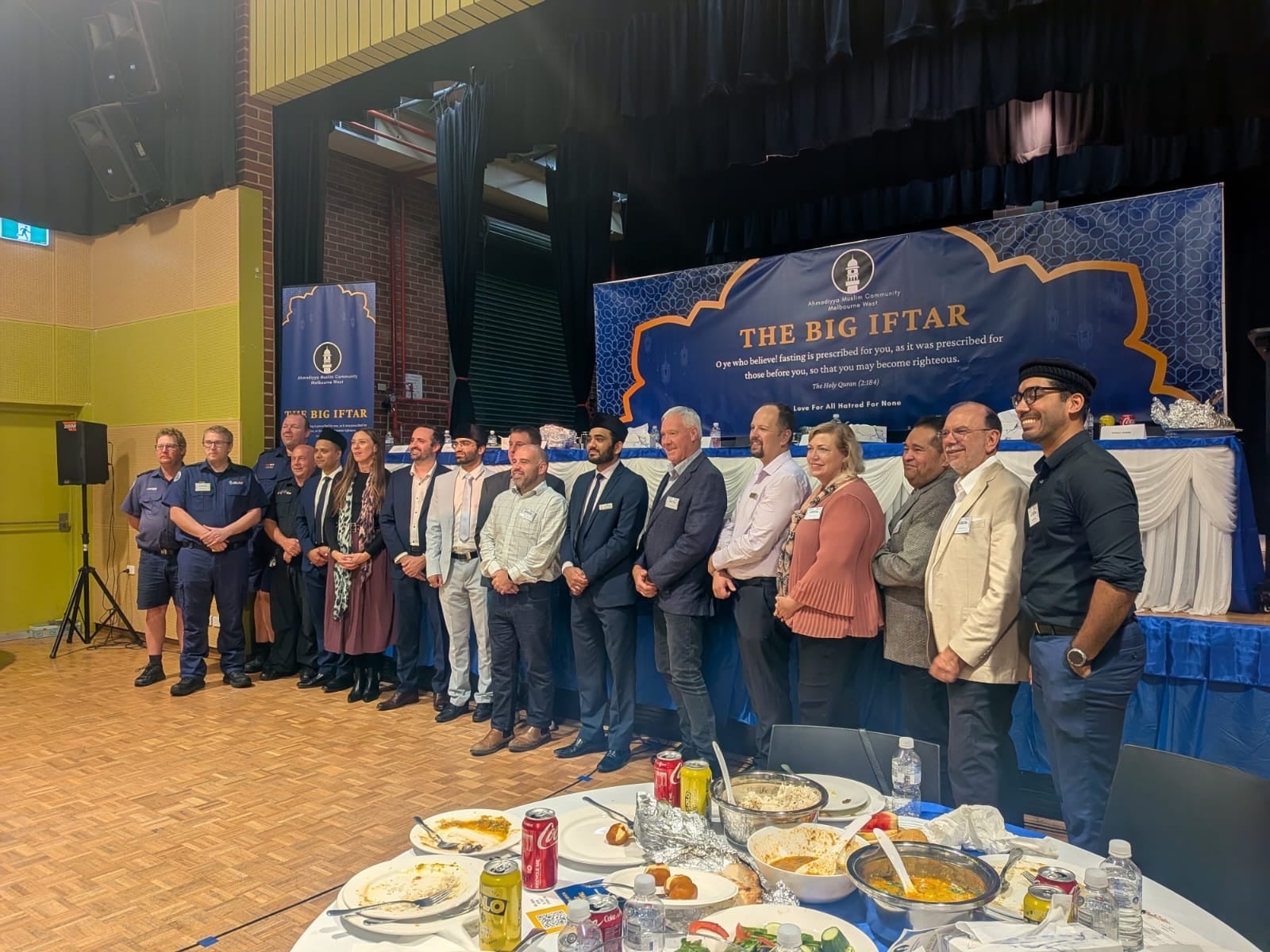
Driven by his belief that talking breaks down barriers and improves relationships, Mordecai’s more informal model — developed organically and built on mutual trust — has been successful, albeit not always easy.
“Sometimes we just speak. More often than not, we convene a listening circle. People have an opportunity to speak while holding a ritual object, and while they are holding that object, no one is allowed to interrupt,” he said.
The group, made up of Jews, Christian Arabs, and Muslims of Middle Eastern and Asian heritage, continues to meet in defiance of the broader tensions.
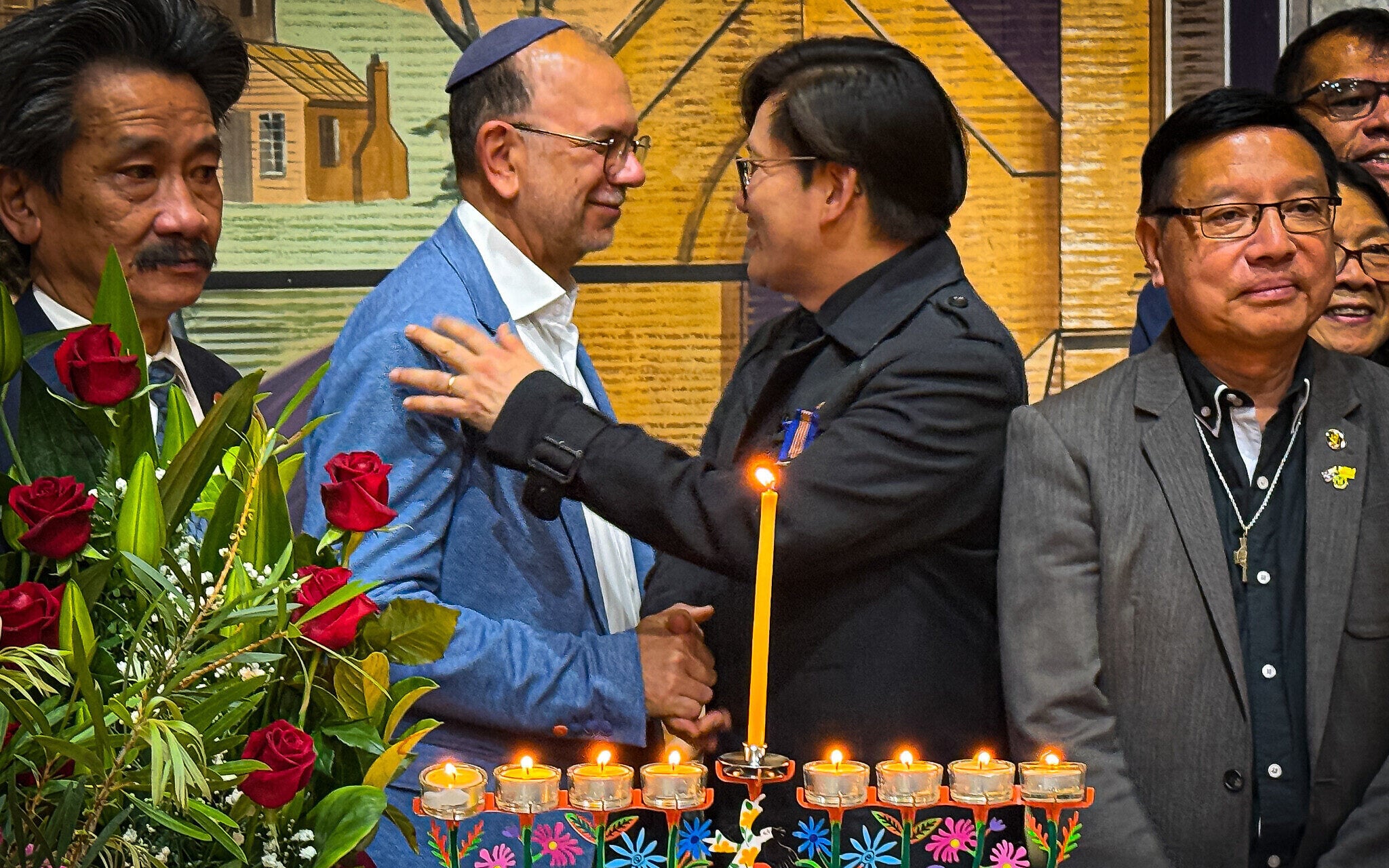
“After the horrendous tragedy at Bondi on December 14, I was overwhelmed by the show of love, compassion and support from my Arab and Muslim friends, reminding me why we must never abandon this work,” said Mordecai.
“The Muslims in this group and [another interfaith group] called and wanted to go to Bondi, so we took them down. They put down a wreath of flowers and read passages from the Quran. I said [the] kaddish [ritual mourning prayer]. After, we went together for coffee. A few people looked at us. Me with a kippa on my head and the women in hijabs,” he said. “A lot of Muslims that I do this work with, we don’t always agree, and sometimes we have hard conversations, but the conversations are always insightful and important. Something is always gained by the encounter.”
With interfaith relations in Australia under increasing pressure, Mordecai retains his belief in the importance of maintaining ties despite the difficulty.
“We have to do this work. This might be the most important work of our generation,” Mordecai said. “I feel it in every cell of my body. We have to build bridges. Sometimes it feels like we are not achieving anything, and then suddenly we have a breakthrough, which makes this work all worthwhile.”


The Times of Israel Community.