

In Mideast, Trump pushes shared worries over Iran
It remains unclear how president intends to translate his concerns into policy on the nuclear deal and Tehran’s regional activities
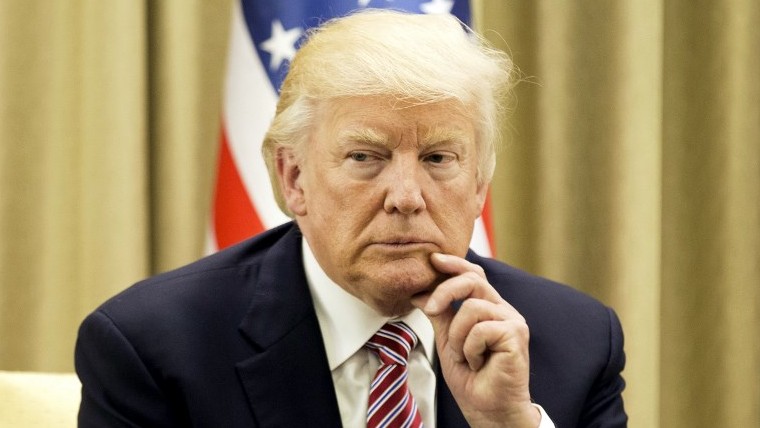
AP — As he hopscotches through the Middle East, US President Donald Trump is urging Israel and its Arab neighbors to unite around a “common cause”: their deep distrust of Iran.
Trump’s first trip abroad has highlighted the extent to which strident opposition to Iran now serves as an organizing principle in his efforts to remake America’s relationship with the Middle East.
He leaned heavily on concerns over Iran’s destabilizing activities in the region during his two-day visit to Saudi Arabia, Tehran’s long-time foe. During meetings Monday in Israel, which considers Iran its biggest threat, Trump said Arab nations’ own worries about Tehran could ultimately lead to new regional support for a Middle East peace deal.
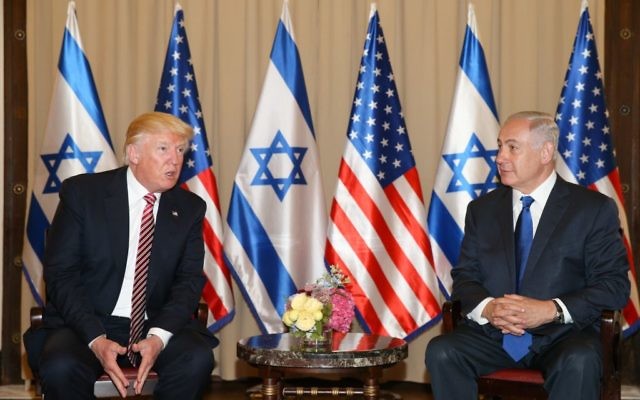
“There is a growing realization among your Arab neighbors that they have common cause with you in the threat posed by Iran,” Trump said as he opened talks with Prime Minister Benjamin Netanyahu.
Israel has long been alarmed by Iranian calls for its destruction, Iran’s development of long-range missiles capable of striking Israel and Iran’s pursuit of a nuclear program. Netanyahu was among the fiercest critics of the nuclear deal, arguing that it would not prevent Iran from developing a nuclear weapons capability and ignored Tehran’s other provocative behavior.
Israel is especially concerned about Iran’s rising influence across the Middle East, particularly its involvement in the civil war in neighboring Syria. Iran has sent troops and weapons to Syria, and its proxy militia Hezbollah has also sent forces to fight alongside Syrian government troops.
But it’s unclear how thoroughly Trump has thought through what his anti-Iran policy will look like in practice. Will it force him to make good on his promise to unravel previous US president Barack Obama’s nuclear agreement with Iran? How will his support for anti-Iran allies in the Middle East square with his relationships with allies that also signed the deal? Does overtly siding with the Saudis over Iran mean the US will automatically take the kingdom’s side in proxy Sunni-Shia battles in the Middle East?
Jon Alterman, a senior vice president at the Center for Strategic and International Studies, said Iran’s willingness to meddle in the Middle East also requires Trump to consider this: “How do you escape a dynamic whereby Iran keeps doing cheap, asymmetrical things that force you to do expensive things?”
When Obama grappled with these questions he landed firmly in the other camp. Obama pushed the Saudis to “share the neighborhood” rather than vie for influence in a destabilizing cycle of proxy conflicts. Pointing to wars in Syria, Iraq and Yemen, he warned that stoking the divisions could ultimately mean forcing the US to intervene.
Telling allies that Iran is the source of problems “would mean that we have to start coming in and using our military power to settle scores. And that would be in the interest neither of the United States nor of the Middle East,” Obama told The Atlantic last year, explaining his policy.
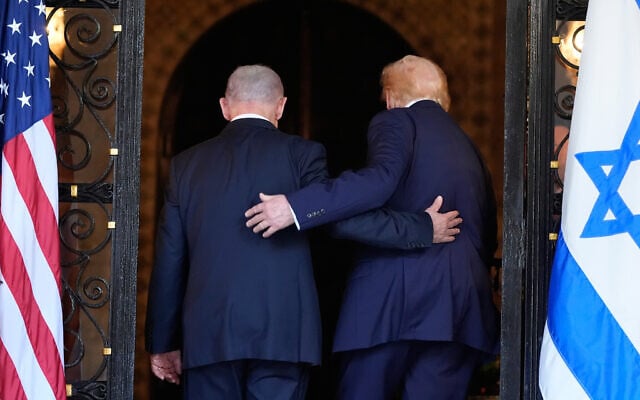
That approach — and the diplomacy and nuclear accord it spawned — did little to endear Obama to leaders in Israel or Saudi Arabia. Trump appeared to have learned that lesson. On Monday, he was greeted with lavish praise from Netanyahu.
“I want you to know how much we appreciate the change in American policy on Iran,” the prime minister said.
Yet Trump has yet to bring about the kind of change to America’s Iran policy that he promised as a candidate, when he declared that Obama’s nuclear agreement was “the worst deal ever negotiated.” He repeatedly promised that if elected, he would withdraw or renegotiate the deal.

Four months into Trump’s tenure, the nuclear deal is intact. The US State Department has informed Congress that Iran is complying with the accord. And last week, the Trump administration extended all of the sanctions relief Iran received as part of the deal.
Trump has taken a hard line on Iran’s ballistic missile program as Washington fears it could target American interests in the Middle East. On the same day Trump extended sanctions relief under the nuclear accord, he levied new penalties for the missile program.
In Saudi Arabia and Israel, leaders appeared wholly unconcerned by Trump’s continuation of the nuclear deal, apparently confident that the president’s tough talk will ultimately be backed up with action.
The tensions with Iran that Trump is tapping into on his first foray abroad run deep.
Gulf Arab countries long have been suspicious about Iran, from the United Arab Emirates’ long-running dispute over Tehran seizing several Persian Gulf islands in 1971 to Bahrain’s simmering anger over a 1981 coup attempt it blamed on the newly formed Islamic Republic.
The Obama administration’s nuclear negotiations further fueled Gulf nations’ worries about Iran’s regional intentions, especially as it backs Shiite militias fighting the Islamic State group in Iraq and supports the government of embattled Syrian President Bashar Assad.


The Times of Israel Community.