

In war-ravaged northern Israel, farmers replant apple trees hoping for sweeter years ahead
With some 99,000 acres of farmland in the north destroyed during the Hezbollah conflict, growers face a bittersweet return as they judge whether to save orchards or start from scratch
 Add ToI as a Preferred Source on Google
Reporter at The Times of Israel
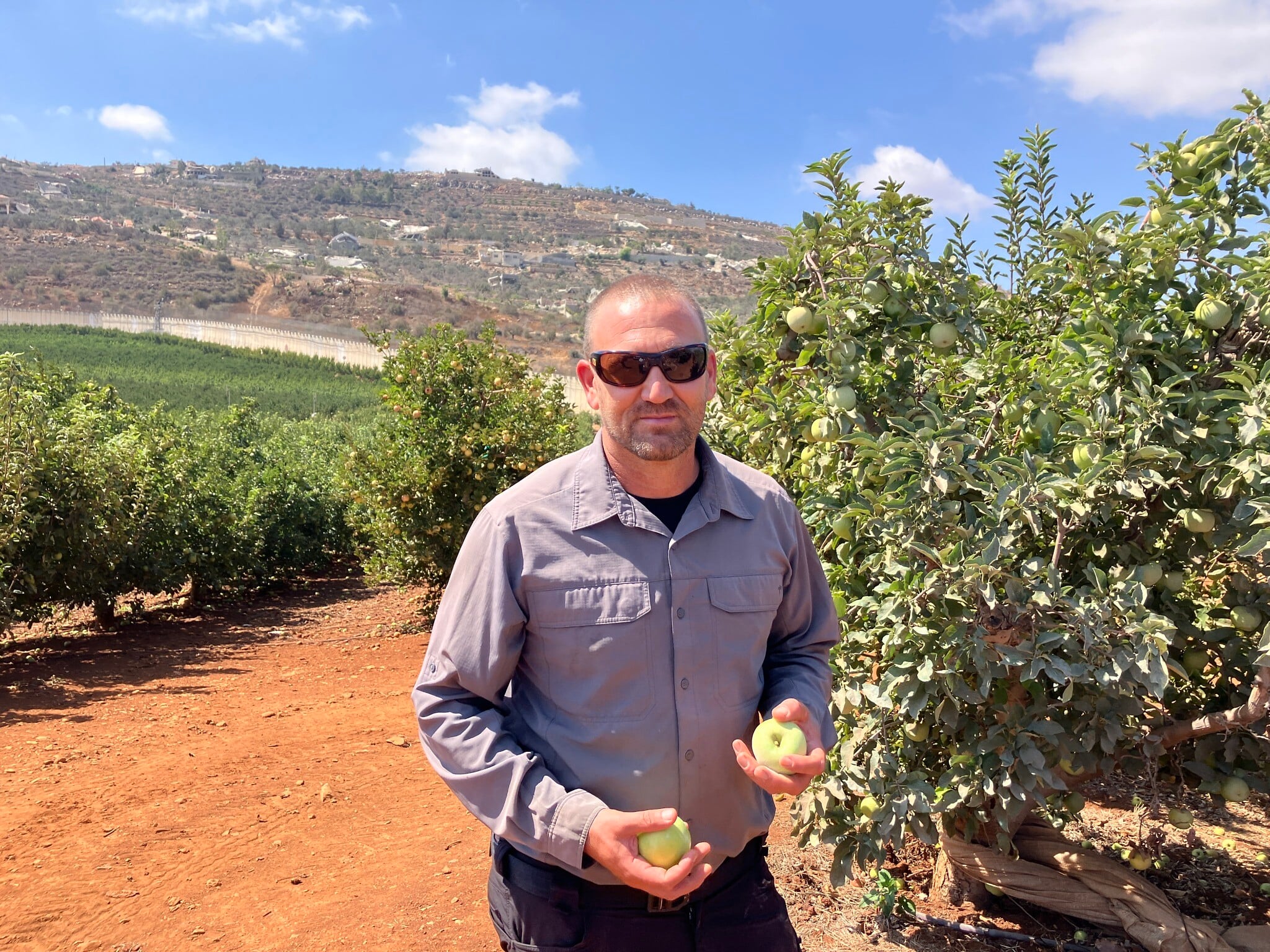
DISHON — Joseph Fahima stood under the clear sky and bright sun. It was perfect weather to harvest apples on his family farm in northern Israel’s Naftali Mountain Range in time for Rosh Hashanah, the Jewish New Year.
The apples are usually paired with honey and eaten during the festive holiday meal to symbolize a sweet new year, said Fahima, 68.
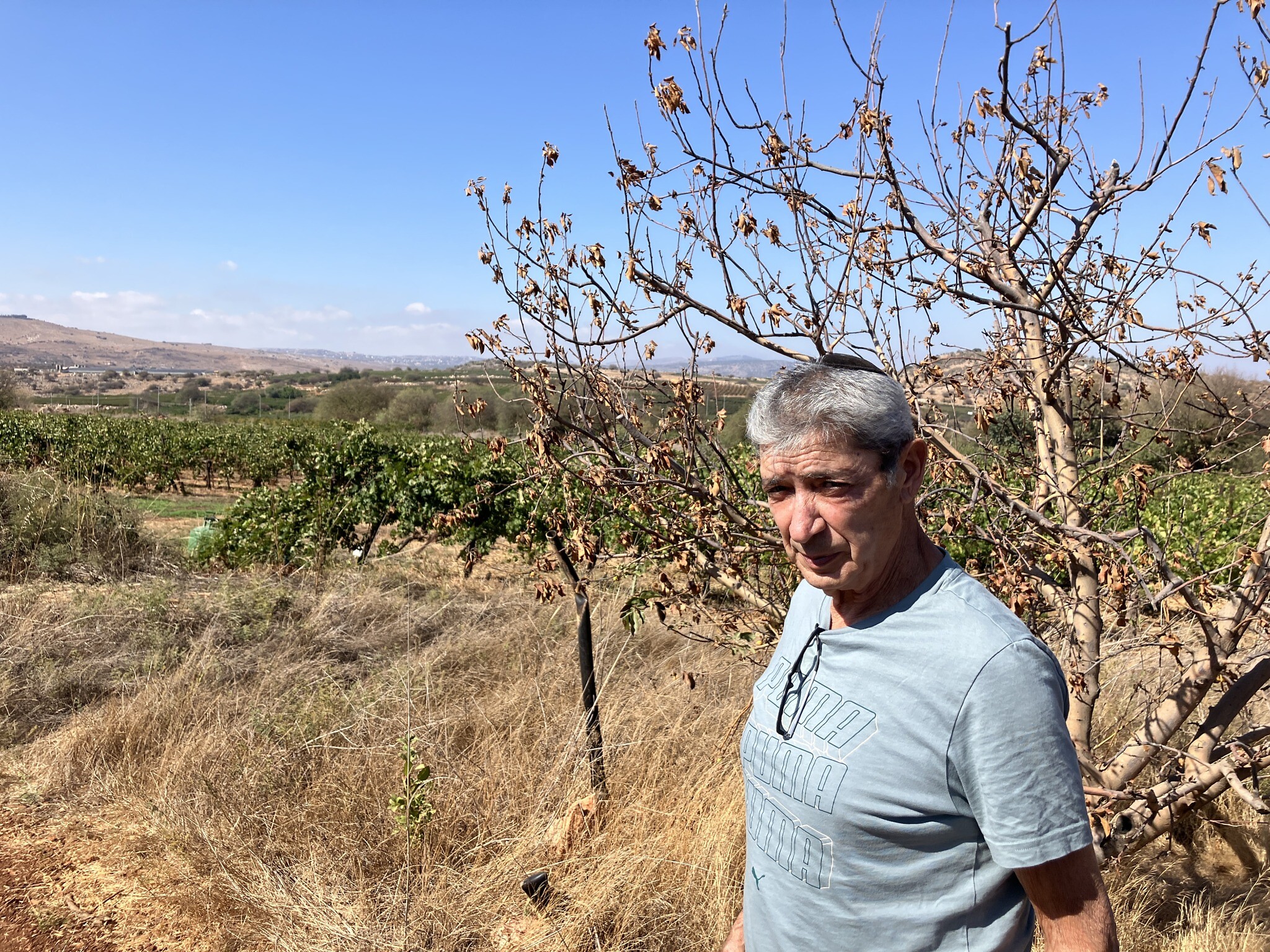
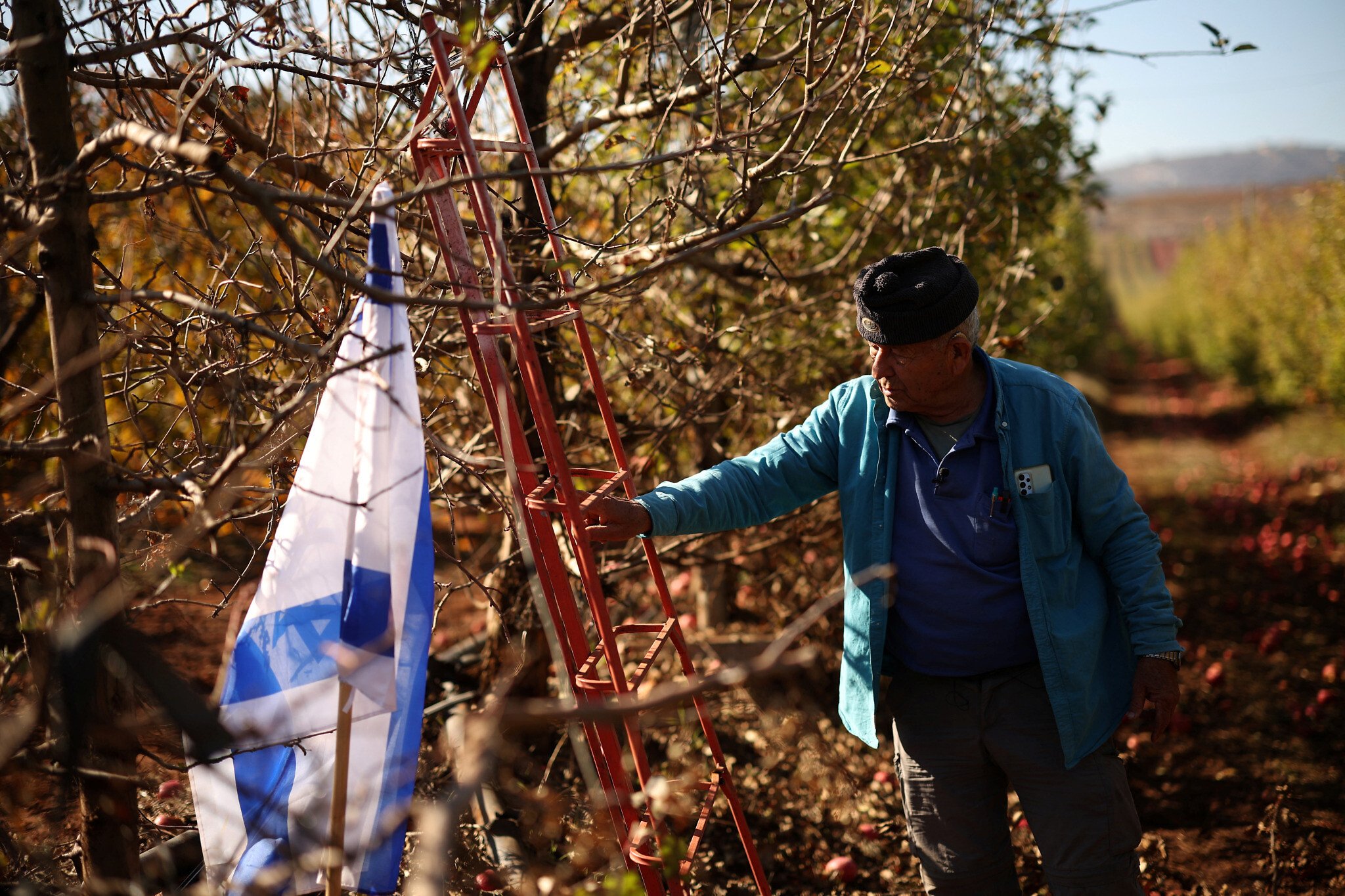
But his 800 apple trees are dead, their branches stunted and their leaves withered and brown.
The trees are casualties of the war with the Iran-backed Lebanese terror group Hezbollah, which began on October 8, 2023, one day after Hamas’s full-scale invasion of southern Israel killed over 1,200 people, mostly civilians, and saw 251 hostages abducted into the Gaza Strip.
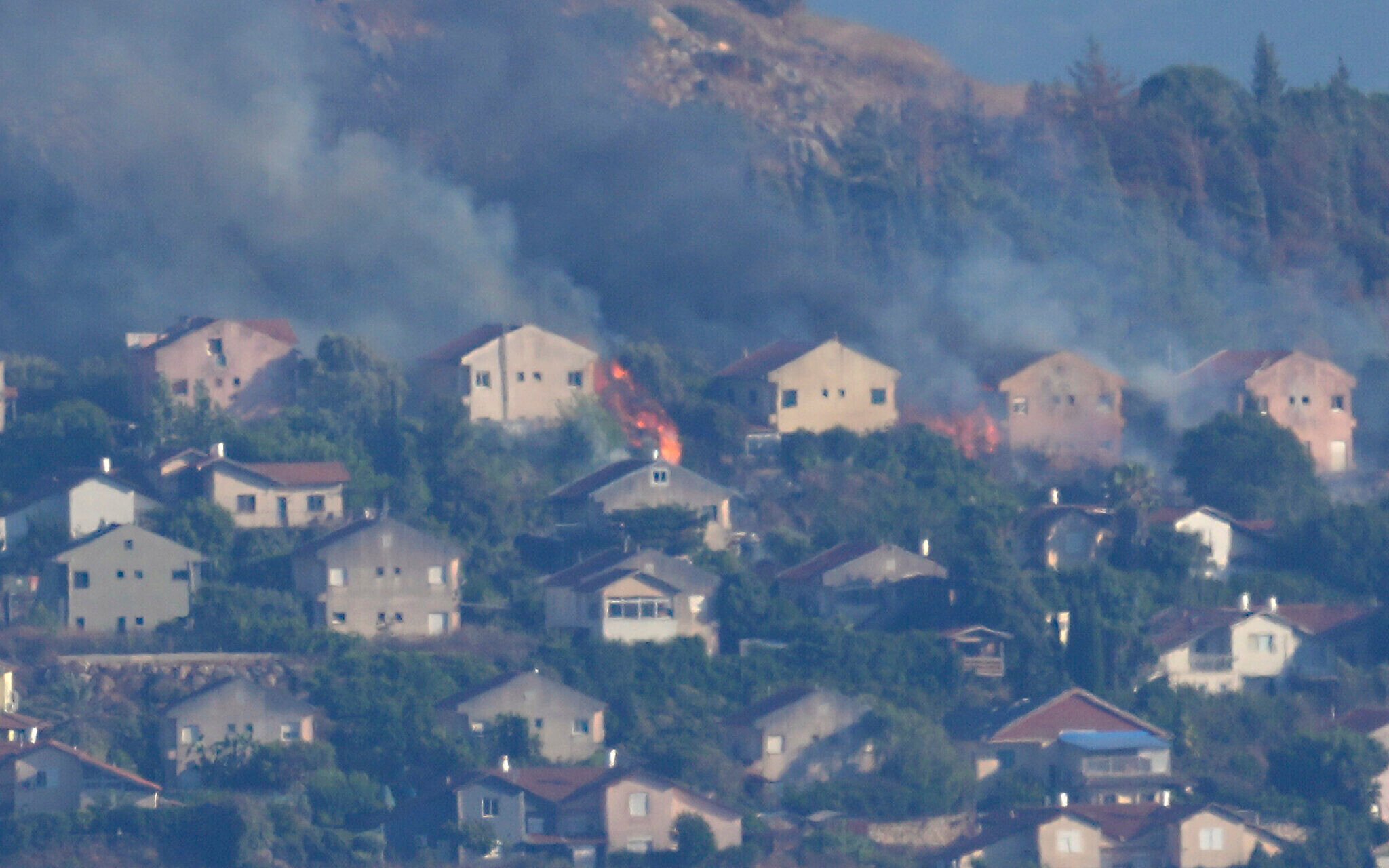
That attack sparked the ongoing war against Hamas in Gaza. Meanwhile, near-daily Hezbollah missile and drone attacks from Lebanon forced the displacement of some 60,000 residents from 32 communities in northern Israel, including Fahima and his family.
For the duration of the conflict with Hezbollah, Fahima could not venture into his 60 dunams (15 acres) of apple, nectarine, pear and plum orchards because of their location about two kilometers (one mile) away from Lebanon. At one point, a Hezbollah missile struck his plum trees. He couldn’t fertilize or water his trees until he returned to his home on Moshav Dishon after the November 27, 2024, ceasefire.
“I couldn’t get here because rockets were falling on my head, so I surrendered,” Fahima told The Times of Israel on a recent Thursday afternoon, driving his car along the bumpy dirt road through the orchards.
Since his return, the farmer, who was born on the moshav — or agricultural cooperative village — has been busy tending to the trees that survived the war. But he must cut down all the apple trees and replant new ones. Still, he said, he remains optimistic.
“The war won’t break us,” he said. “We can’t lose our hope.”
First aid to farmers after the war
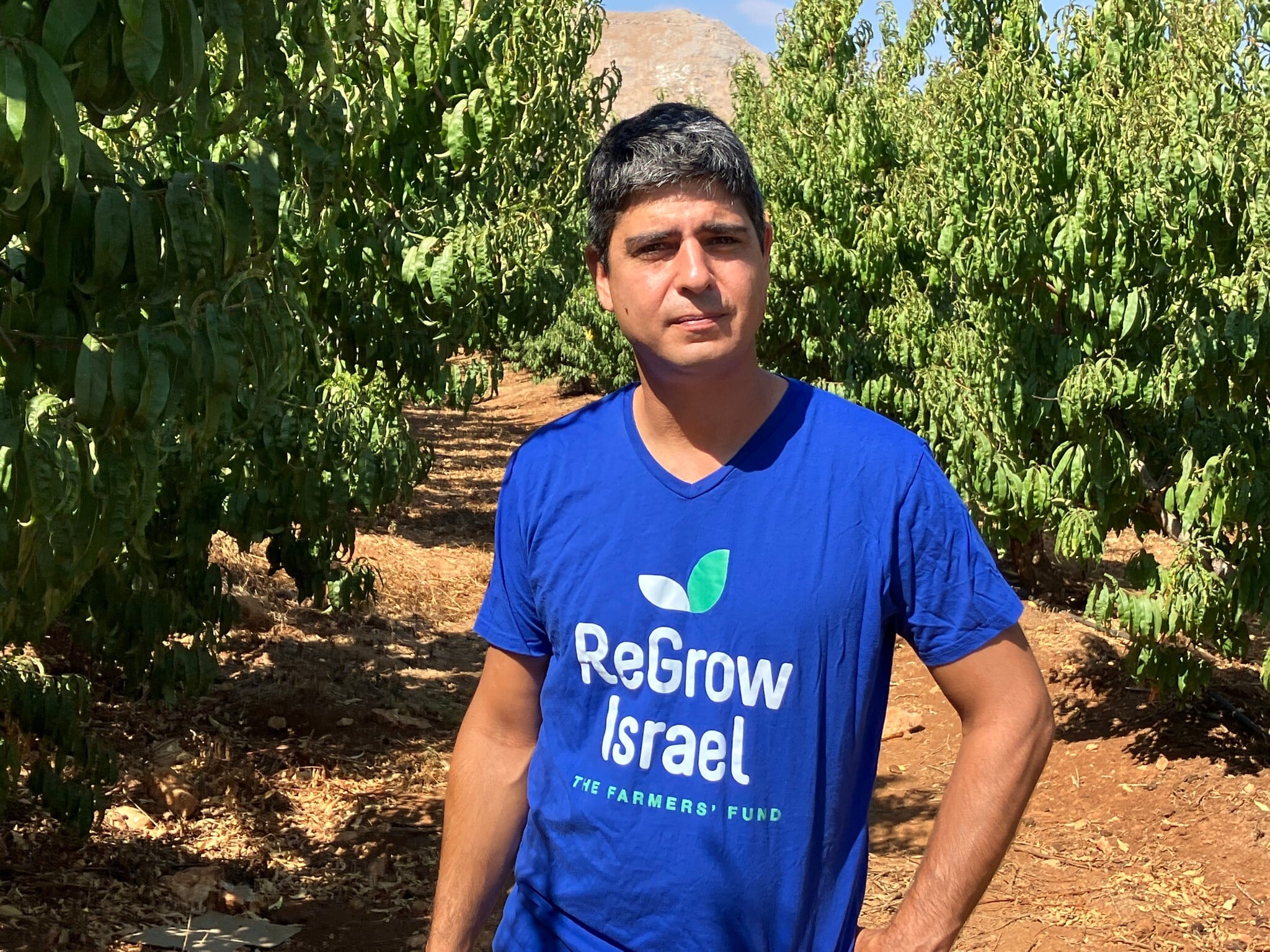
The war with Hezbollah ravaged some 40,000 hectares (99,000 acres) of northern Israel’s orchards, vineyards and pastures, according to Danielle Abraham, founder and executive director of Volcani International Partnerships, who launched the nonprofit ReGrow Israel days after the October 7, 2023, invasion to help farmers replant what was destroyed.
Almost 95% of all Israeli apples are grown in the north. In addition to the war, the apple harvest this year was fraught with challenges. According to a report by senior officials in the Agriculture and Food Security Ministry, this year’s harvest is now estimated at about 60,000 tons, an eight percent decrease from the previous season’s 65,000 tons, due to a combination of extreme weather and restrictive water policies.
“We’re giving first aid to farmers,” Amit Fahima, an agronomist and ReGrow Israel’s northern projects manager, told The Times of Israel while riding toward the apple orchards tended by second-generation farmer Levav Weinberg in Metula. Amit, also a second-generation farmer, is Joseph Fahima’s son.
Amit said that ReGrow Israel, which receives support from Jewish Federation of North America, the Agriculture Ministry and other donors, first helped farms in the western Negev and is now focused on farms in the north.
“Our approach is to help farmers grow back stronger and become more resilient,” he said. “During the war, I saw the danger and the powerlessness. Now, I can give the farmers a helping hand. To repair all the damage is a privilege.”
Working the land next to a central hub for Hezbollah
Together with his cousin, Lior Weinberg, Levav Weinberg takes care of 1,200 dunams (300 acres) of orchards, including a wide variety of apples and avocados. About one-third of their orchards were damaged during the war.
Weinberg passed rows of Gala and Pink Lady apples, and then stopped his red pickup truck and hopped out to pick some Granny Smiths.
Not more than 100 meters (about 330 feet) away is the cement border wall separating Israel from the Lebanese village of Kafr Kila, which, before Israel’s ground invasion last September, was a central hub for Hezbollah and the launchpad for a planned invasion of Israel.
Hezbollah’s attacks on Israel between October 2023 and the November 2024 ceasefire resulted in the deaths of 46 civilians. In addition, 80 IDF soldiers and reservists died in cross-border skirmishes, attacks on Israel, and the ensuing ground operation.
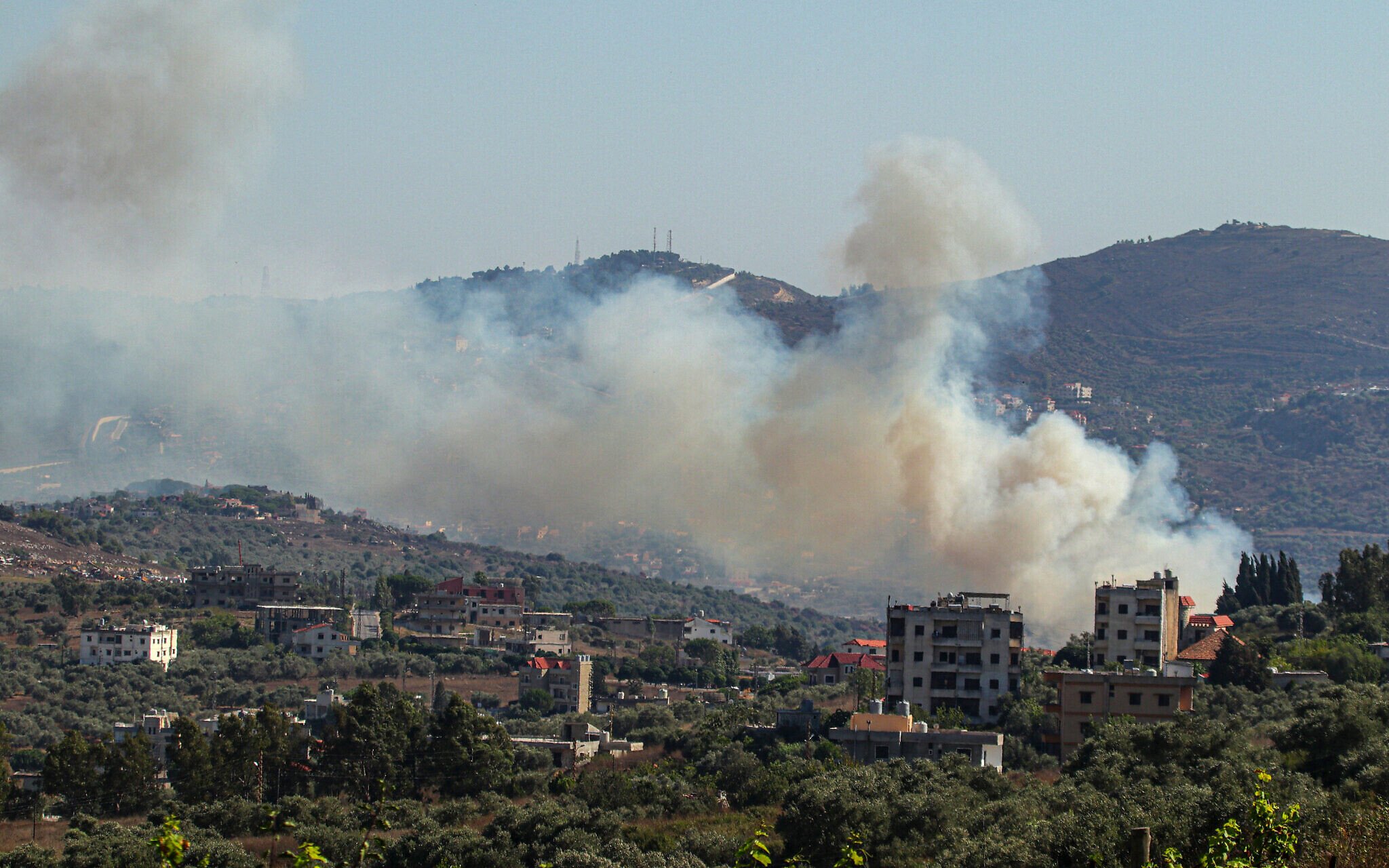
It was strange to be standing in broad daylight in the orchards after more than a year of cross-border rocket and drone attacks, said Weinberg, an IDF reserve battalion commander.
During the war, he came to the orchards to care for the trees only under the cover of night, or in fog — and always in danger.
“We came under fire to give the trees minimal treatment,” he said. “But the trees are like my children. I couldn’t abandon them.”
All around the orchards are empty patches of land where once stood fertile trees, destroyed either by rockets or neglect during the war. Some farmers risked their lives to save their fields. Others played it safer.
Weinberg’s good friend, fellow farmer Omer Weinstein, set out to pick apples in his nearby orchards on October 31, 2024, when he and four Thai workers were killed by Hezbollah rockets.
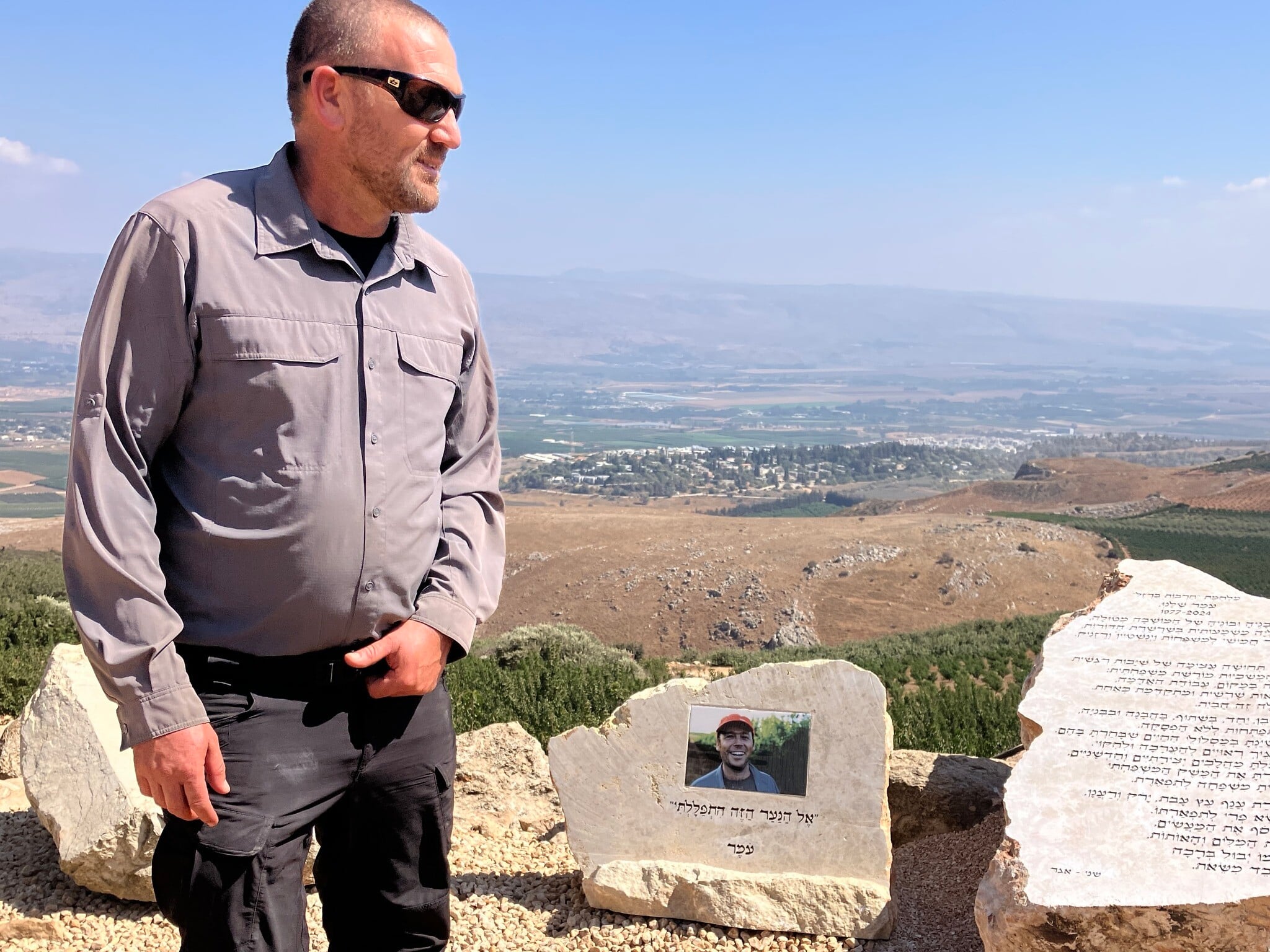
“The story of recovery from the war is long,” Weinberg said, as he stood near Weinstein’s memorial on a hilltop with a vista that stretches beyond the destroyed orchards into the Hula Valley below. “We’re still in survival mode. We’re giving the trees treatment, giving them water, spraying against diseases, but it will take at least four to five years for the orchards to recover. We’re now in the process after the catastrophe.”
During the war, he and his wife and their three children moved into six different houses. Their children changed schools six times. The family has since moved back to Metula to “build the orchards and the community better than they ever were.”
What gave him strength during the war, Weinberg said, was thinking of the day after the war.
“About a day like today,” Weinberg said.




The Times of Israel Community.