

 From
From Iran said to step up work at Pickaxe Mountain, with US working to devise means of striking underground site
 Add ToI as a Preferred Source on Google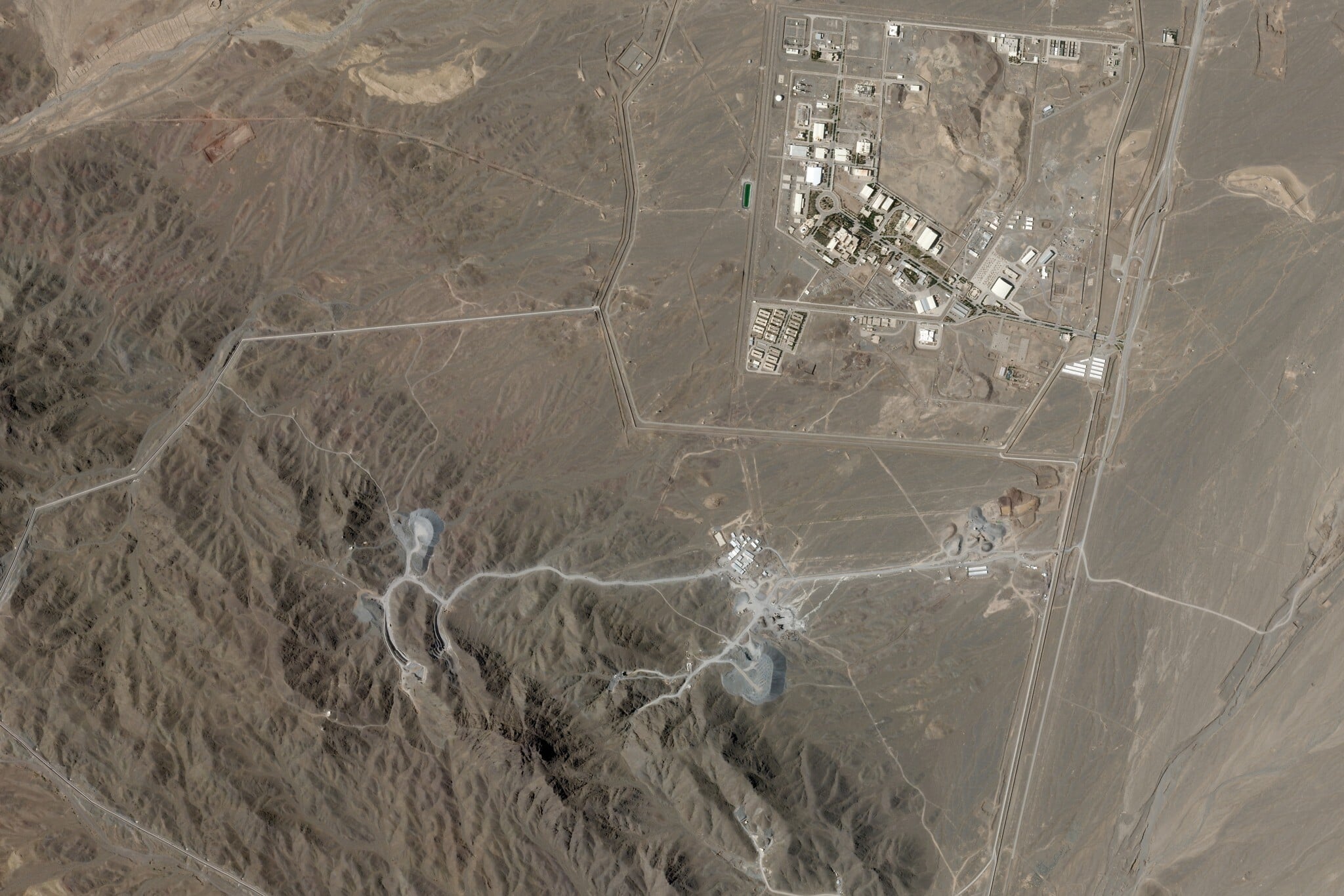
Iran has greatly stepped up its activity this year at an underground site in Natanz known as Pickaxe Mountain, which Western intelligence has flagged as a likely site meant to store nuclear material, according to the Center for Strategic and International Studies, an American think tank.
The center says in a statement that an analysis of six years of multisource imagery “reveals a clear three-phase activity signature across the five key points of interest and the roads connecting them, indicating a site that has shifted from active excavation toward probable internal construction and continued exterior reinforcement.”
“Together, these images reveal more road activity at Pickaxe Mountain in 2026 than at any point in the site’s history. There is a clear surge in construction activity in 2026 that corresponds to the raising and hardening of the portal accesses, paving of the internal road network, reinforcement around access areas, and the flattening and removal of excavation spoil,” it says.
However, the statement stresses that “this assessment can neither refute nor substantiate the Israeli intelligence claim that Iran moved centrifuges into Pickaxe Mountain.”
“The continuous construction, the absence of an increased internal security posture, and the lack of observed nonconstruction vehicles and equipment suggest the underground facility is not yet capable of enrichment work, if that is the intended purpose. Further analysis of daily activity would be needed to establish the site’s pattern of life beyond its current construction footprint.”
There are signs the United States is trying to develop a means of striking the deeply buried site despite serious challenges that currently make it virtually untouchable, CNN reports, citing a Pentagon document about a “live-fire test designed to validate classified capabilities against rapidly emerging threats” that three sources say is linked to the potential bombing of deep underground facilities.







The Times of Israel Community.