

7 Golani soldiers desert base, citing mistreatment
Relatives of missing troops say commander barred them from receiving mental-health treatment; army says they refused orders
 Add ToI as a Preferred Source on Google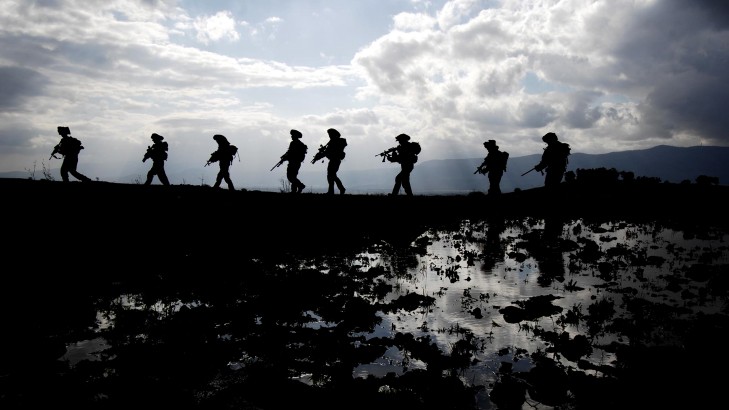
Seven Israel Defense Forces soldiers abandoned their base on the Golan Heights in the past weeks in protest at their orders, the Ynet news site reported Monday.
The troops, members of the Golani Brigade’s 12th battalion, left their base on several occasions in an organized demonstration against their commander who, they claimed, humiliated dozens of soldiers and barred them from receiving medical and mental-health treatment.
An army source quoted by Ynet disputed the claim and said that five of the soldiers had refused to participate in kitchen duty and in a week-long intensive field exercise, and to carrying heavy weaponry, saying those were exercises suited for less-experienced soldiers.
Five of the seven left and returned, only to find the army had sentenced them to 20 days in a military prison for desertion. After hearing the verdict, the five soldiers left again. The two others deserted for “economic reasons,” the report said. All seven soldiers were missing on Monday.
The soldiers initially left the base in separate groups, most recently last Thursday, but the five were persuaded to return briefly after they were promised they wouldn’t serve time for their actions.
“This is a very serious incident,” a Golani commander told Ynet. “They tried to convince other soldiers to run away with them. Now they are at home while their friends are training in the rain in the northern Golan Heights. I call on them to return to the base; we will hear their claims.”
Relatives of the soldiers backed up their claims, maintaining that the troops had deserted due to their commander’s “discriminatory treatment.” They said the commander, who holds the rank of captain, prevented them from seeing a mental-health officer or seeking medical treatment. Many of the soldiers had sought to meet with the mental-health officer after the Gaza summer conflict, the relatives said, where they were primarily deployed in the Shejaiya flashpoint.
According to the report, eight additional soldiers tried to leave, but were barred from leaving by other soldiers.








The Times of Israel Community.