

Bennett stands by criticism of PM over Gaza tunnels
Minister insists upcoming State Comptroller report, which is said to censure Israeli leaders for their conduct ahead of 2014 war, is ‘trustworthy and serious’
 Add ToI as a Preferred Source on Google
Stuart Winer is a breaking news editor at The Times of Israel.

Education Minister Naftali Bennett on Sunday refused to back down on accusations the government was ill-prepared to tackle the Hamas tunnel threat in the run-up to the 2014 Gaza war.
Speaking to Army Radio, Bennett remained steadfast over comments he made last week criticizing Prime Minister Benjamin Netanyahu for refusing to learn from mistakes in the lead-up to the 50-day conflict.
“I will not take back my criticism of the preparations for the tunnel threat,” he said.
“The comptroller’s report is trustworthy and serious,” Bennett added, referring to a still classified report that is said to excoriate Israeli leaders for their handling of the conflict.
Leaks of the report’s contents earlier this year accused Netanyahu, then-defense minister Moshe Ya’alon and then-IDF chief Benny Gantz of covering up information regarding the threat posed by the Hamas terror group ahead of the 2014 war.
According to media sources who reviewed the 70-page document in May, State Comptroller Yosef Shapira accused Netanyahu and Ya’alon of failing to provide the security cabinet with real-time updates regarding the imminent threat of war with Hamas and the capabilities of the terror group’s cross-border attack tunnels.
“As I have said, the reality can’t be changed retroactively. I have full faith in the State Comptroller and his professionalism,” Bennett said on Sunday. “I have 100 percent, complete trust in the findings that he will release in another few weeks.”
Last Monday, Netanyahu told a group of military reporters that claims he had been caught unaware by attacks from Hamas into Israeli territory via the tunnels were false.
However, Bennett, who had loudly lobbied Netanyahu for a ground operation to destroy the tunnels during the early days of the war, countered that the prime minister was in denial.
“Before the next conflict we are obligated to learn from the mistakes of the past and not to deny them,” he wrote on his Twitter account last week.
Shapira has warned Netanyahu that he will recommend a commission of inquiry into the government’s handling of the 2014 war against Hamas, should the prime minister refuse to make his report public, Channel 2 reported Thursday. The Prime Minister’s Office later rejected the claim, saying Netanyahu wants the report to be published in full.
Earlier in the week, Yesh Atid leader Yair Lapid also urged the government to release the ombudsman’s report.
“There were serious failures in reporting to the security cabinet and in the decision-making process. I call upon the State Comptroller to publish the report as soon as possible; the families deserve to know and the Israeli public deserves to know,” he said.
Former minister Lapid has since come under fire on social media over two apparently conflicting messages he posted on his Twitter account.
“There was no in-depth debate about the cross-border tunnels before Protective Edge,” he wrote last week.
However, Twitter users retrieved a message he posted on April 20 in which he wrote: “In recent years I participated in dozens of hours of debate on the matter of the tunnels on the operational level” and then listed various examples including the security cabinet, the Knesset Foreign Affairs and Security Committee, the intelligence sub-committee, and others.

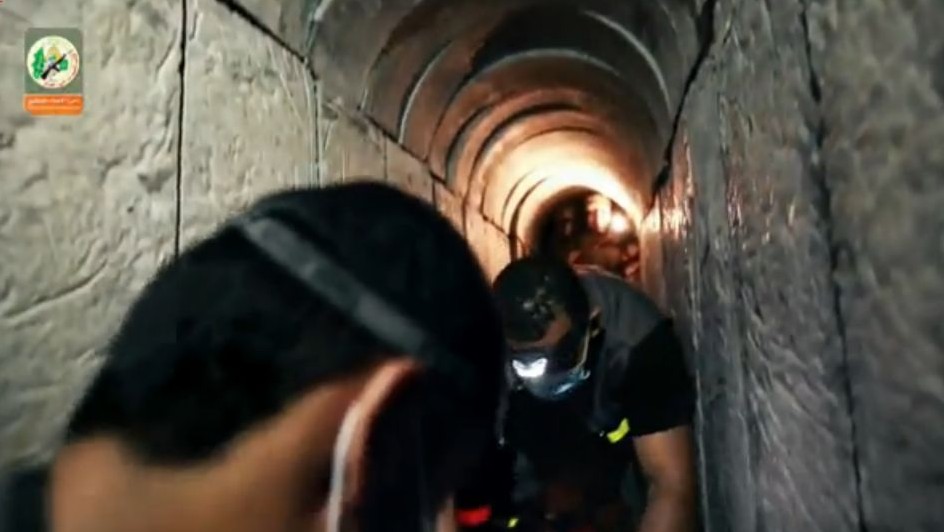
A number of tunnels were used by Hamas fighters to infiltrate Israel and carry out deadly attacks on troops during the conflict.
Since then, Israel invested an estimated NIS 1 billion (approximately $250 million) in developing detection technology to locate such tunnels.
It is not clear if a reliable solution has yet been found and officials have reportedly said Hamas, the de facto ruler of Gaza, is digging some 9.6 kilometers (six miles) of tunnels towards Israel every month.
Israel located and destroyed two Hamas attack tunnels in April and May. Both were discovered in the southern Gaza Strip and ran into Israeli territory.
Times of Israel staff contributed to this report.






The Times of Israel Community.