

EU oil buyers won’t return our calls despite US waivers, Iran gripes
Oil Minister Bijan Zanganeh appears to be referring to Greece and Italy, which were granted waivers to import Iranian oil despite US sanctions
 Add ToI as a Preferred Source on Google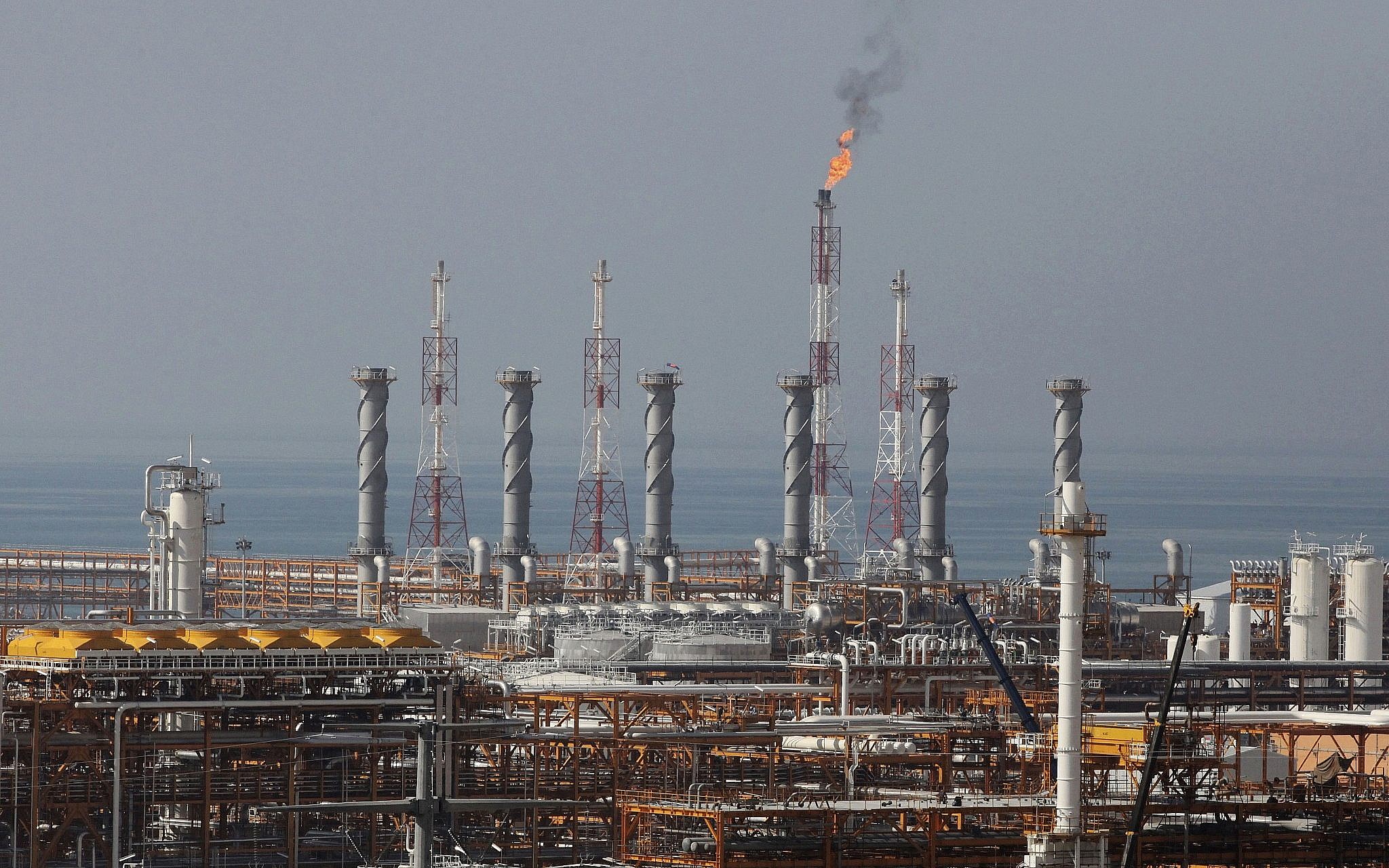
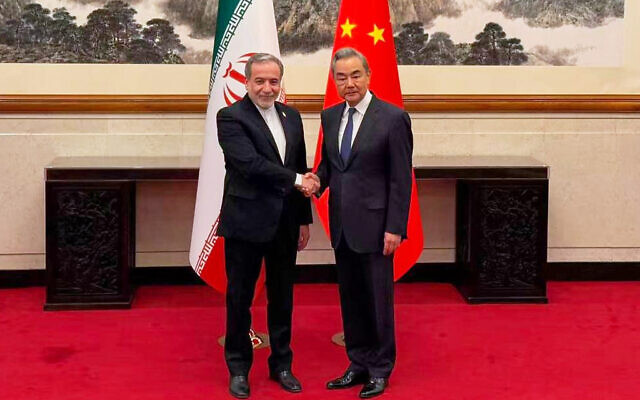
TEHRAN, Iran (AP) — Iran said European nations have not responded to its offers to sell them crude oil despite having US waivers.
The semi-official Fars news agency on Tuesday quoted Oil Minister Bijan Zanganeh as saying “we have called them many times, but they do not return our calls.”
He did not name the oil importers, but appeared to be referring to Greece and Italy, which were among eight nations granted waivers to import Iranian oil when the US restored sanctions in November.
The US began ramping up sanctions after US President Donald Trump withdrew from Iran’s 2015 nuclear accord with world powers last year. Oil exports are a key source of revenue for Iran. The temporary waivers were intended to give countries more time to comply with the sanctions.
Separately, Iran ruled out linkage between a new EU mechanism to trade with Tehran bypassing US sanctions and an anti-money laundering bill.
“Linking implementation of this mechanism… with the requirements of institutions such as the FATF is unacceptable,” the foreign ministry said, referring to the international Financial Action Task Force.
Iran is on an FATF blacklist drawn up to counter money laundering and the financing of terrorist groups, but the Paris-based organization has suspended counter-measures since 2017 while Tehran works on reforms.
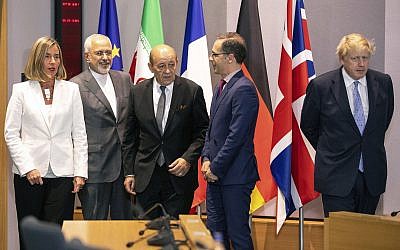
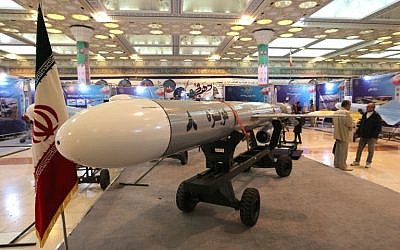
EU leaders on Monday welcomed the bloc’s new mechanism to trade with Iran but warned Tehran over its ballistic missile program and regional policies while calling for it to implement reforms to comply with FATF demands.
Britain, France and Germany created the system last week to allow firms to trade with Iran without falling foul of US sanctions.
The foreign ministry, in its statement, welcomed the EU’s “positive stances” but also criticized the bloc’s warnings on its missile program and its regional policies.
“Iran’s defense activities… are merely defensive, deterrent and a domestic matter that has never been on the agenda of our negotiations with other countries,” it said.
“Raising such issues under current regional circumstances and clear threats against the national security of the Islamic Republic of Iran is not constructive,” the ministry said.
It urged European countries “to take a realistic look at regional incidents and issues and not to be influenced” by the United States.
Brussels, for its part, hopes the special payment mechanism for trade with Iran — registered under the name INSTEX — will help save the 2015 nuclear deal between Tehran and major powers.
Iran has welcomed INSTEX as a “first step,” while US officials have said it would not affect its efforts to exert economic pressure on Tehran.



The Times of Israel Community.