

 From the Liveblog of
Monday, May 16, 2022
From the Liveblog of
Monday, May 16, 2022
Iran says it’s hoping for improved ties with UAE under new president
 Add ToI as a Preferred Source on Google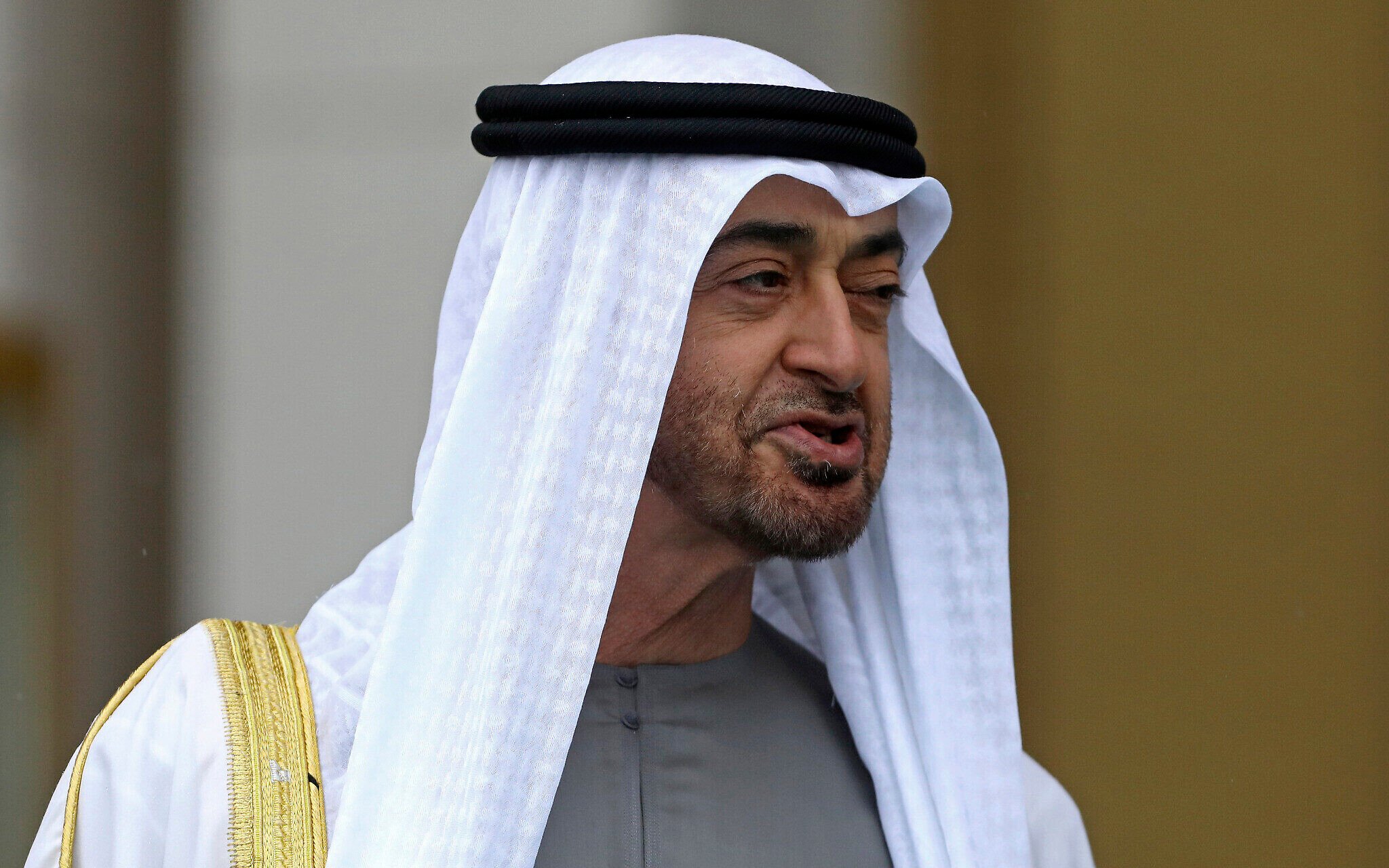
TEHRAN, Iran — Iran says it hopes to expand ties with the United Arab Emirates after Sheikh Mohamed bin Zayed Al Nahyan was elected president of the Gulf country following his half-brother’s death.
The two countries downgraded diplomatic relations in 2016 following the severance of ties between Iran and Gulf Arab heavyweight Saudi Arabia, a key ally of the Emirates.
Iran’s President Ebrahim Raisi today congratulates Sheikh Mohamed on his election as president of the UAE, according to a presidency statement.
Raisi “expressed hope that the foundation of the development and progress of relations between the two countries… which was laid during the time of late Sheikh Khalifa bin Zayed Al Nahyan, will be expanded with wisdom and in line with the interests of the two countries,” it says.
He says he hopes to see “increased deepening of mutual relations in all fields” between the two countries, the statement reads.
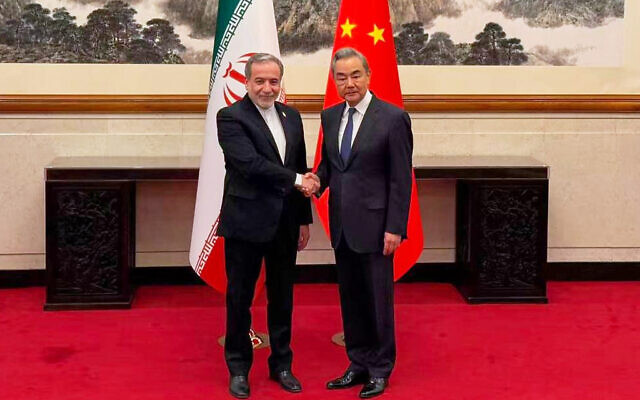
Iran’s Foreign Minister Hossein Amir-Abdollahian left Tehran for Abu Dhabi this morning to offer condolences over the late Emirati president’s death, according to the ministry.
Sheikh Mohamed has run the oil-rich Gulf state from behind the scenes since his half-brother was sidelined by ill health in 2014.
Under his leadership, Abu Dhabi has fostered trade and political ties across the region — including, to a limited extent, with Iran — but has sided with the US against Tehran’s nuclear program.
The UAE forged ties with Israel under the Abraham Accords in 2020, brokered by former US president Donald Trump. Iran has said that Arab countries that normalize ties with Israel are stabbing Palestinians in the back.
Shiite-majority Iran and Sunni-majority UAE, moreover, support rival sides in Yemen’s seven-year civil war, with Abu Dhabi having been part of the Saudi-led military coalition that supports the internationally recognized government and Tehran backing the Houthi rebels.


The Times of Israel Community.