

Poll: 45% of Israeli pessimistic about country’s ability to handle pandemic
Public confidence in Netanyahu’s management of crisis remains low; economic anxiety eases somewhat
 Add ToI as a Preferred Source on Google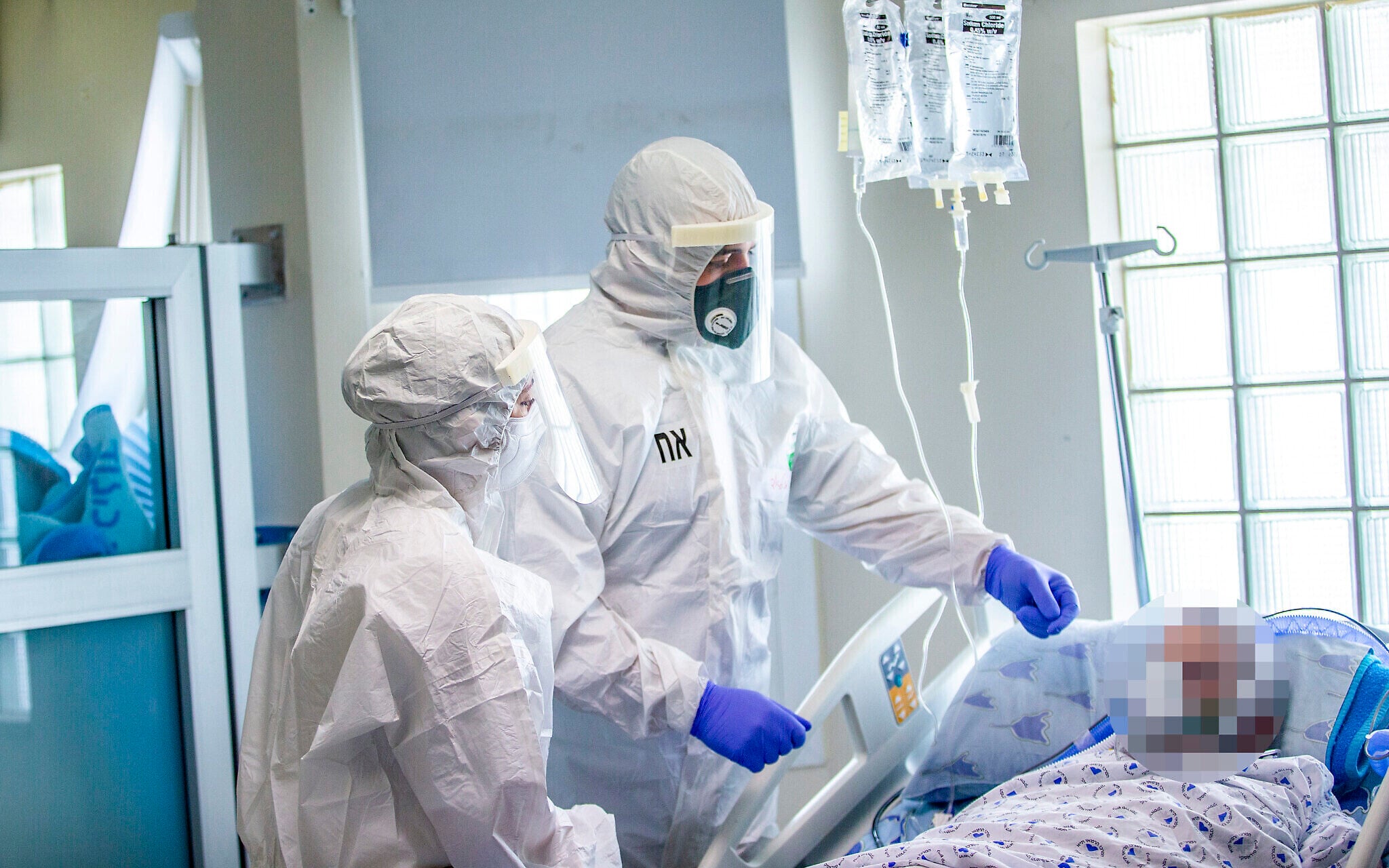
Nearly half of Israelis are pessimistic about Israeli society’s ability to overcome the current public health crisis, a significant increase since the outbreak of the COVID-19 pandemic earlier this year.
According to a poll conducted last week by the Rafi Smith Institute on behalf of the Israel Democracy Institute, 45 percent of Israelis expressed doubts about the nation’s ability to weather the storm.
Half of Jewish Israelis and 32% of Israeli Arabs expressed optimism about the chances of recovery, down from 68 and 61%, respectively, at the end of March.
The death toll from the coronavirus reached 772 on Wednesday, with the addition of more than 50 cases from earlier in the year, which the Health Ministry said it had failed to count.
On Wednesday morning, the ministry announced 1,732 new cases, bringing the national total to 96,996 since the pandemic’s beginning, of which 23,779 were active.

Hitting the 700 fatality mark came exactly a month after the country reached 400 deaths, underlining the acceleration of the virus’s most harmful effects.
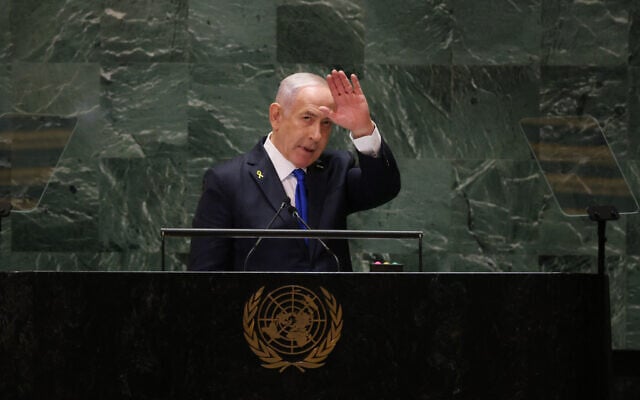
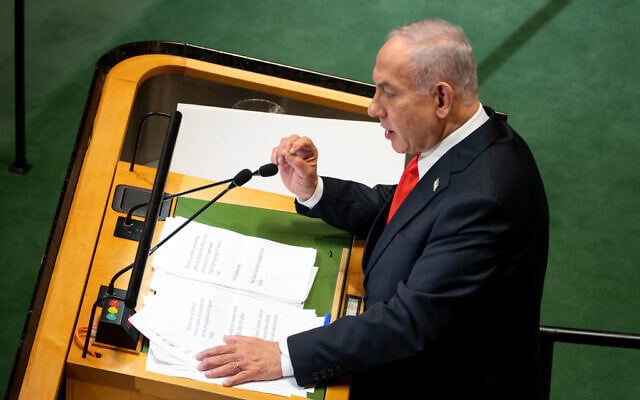
The IDI reported that 61% of Israelis do not trust in Prime Minister Benjamin Netanyahu’s ability to manage the crisis as opposed to 35% who do. That represents an increase of 5.5 points in those who do have confidence in Netanyahu, compared to the previous month.
The findings are similar to those of a Channel 13 poll from last month, which found that 61% of Israelis disapproved of Netanyahu’s overall handling of the crisis and 75% were unhappy with how his government has handled the pandemic’s economic fallout.
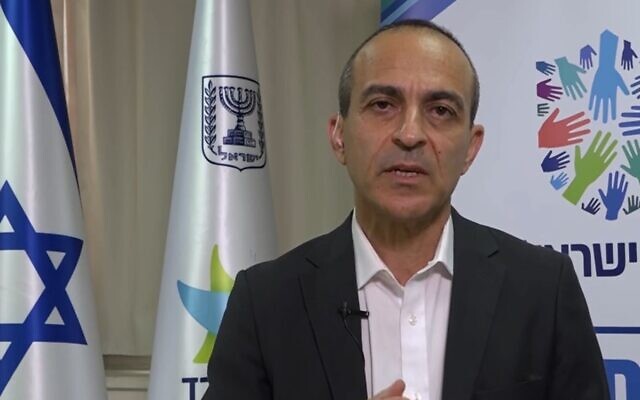
According to the IDI, recently appointed national coronavirus project coordinator Prof. Ronni Gamzu is trusted by 59.5% of Israelis.
Economic anxiety, meanwhile, has eased somewhat. Asked if they were worried for their economic well-being in the foreseeable future, 53.5% of people earning an average income replied in the affirmative, down from 61% in July. Sixty-six percent of those earning a low income indicated that they were worried, a slight drop from 69.5% last month.
On July 26, the Central Bureau of Statistics reported that 55% of the general population had indicated concerns regarding their ability to cover their monthly expenses, and 21% of Israelis stated that either they or someone in their household had reduced their food intake during the crisis to save money.
Earlier this month, the Finance Ministry predicted that it could take up to five years for the economy to fully recover from the shock it received during the coronavirus pandemic.
Despite widespread skepticism of the government’s anti-virus efforts and the fact that tens of thousands of schoolchildren were sent into quarantine after Israel reopened schools in May, 75% of Israelis stated that they intend to send their children back to school on September 1, the IDI found.
The IDI’s poll had a margin of error of 3.7% and surveyed 620 people in Hebrew and 150 in Arabic, online and by telephone.







The Times of Israel Community.